How to Feed a Cat With No Teeth: What Actually Works
A toothless cat can still eat well. Here is how to pick textures, soften kibble safely, and tube-feed at the right rate, volume, and temperature.

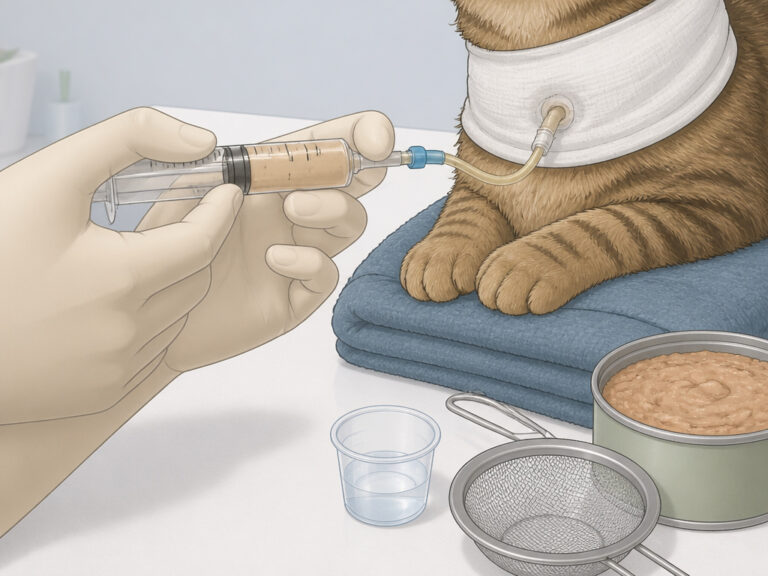
A toothless cat can still eat well. Here is how to pick textures, soften kibble safely, and tube-feed at the right rate, volume, and temperature.
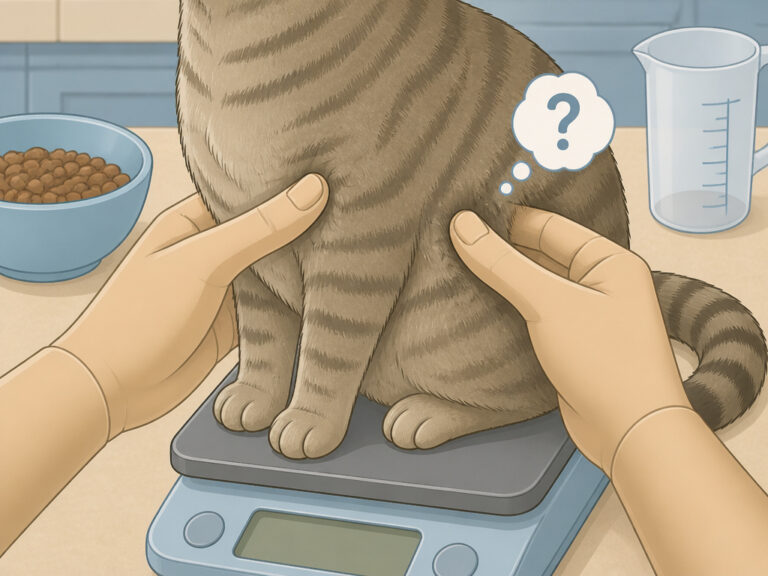
Indoor cat food pros and cons, checked against veterinary research: what dry food does well, what it doesn’t, and why feeding habits matter more.
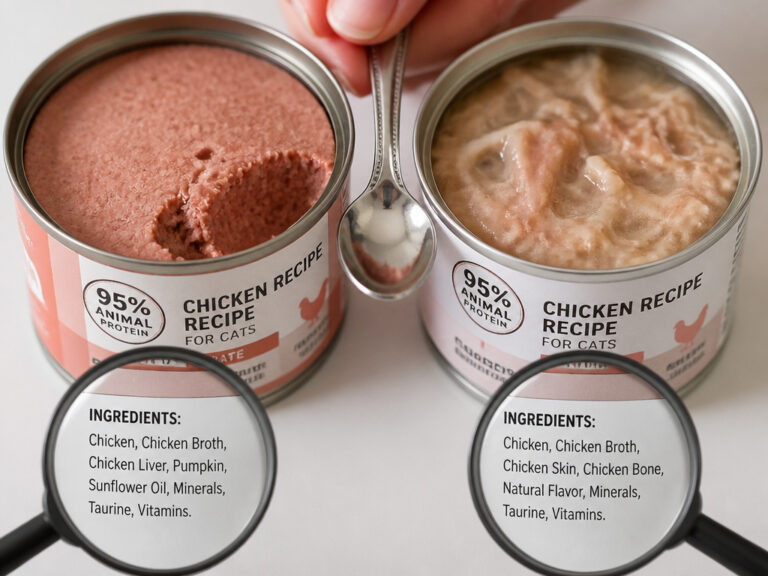
Cut through high-protein cat food pros and cons. We check the studies on bloodwork shifts and oxalate risk, then flag the cats that should skip it.
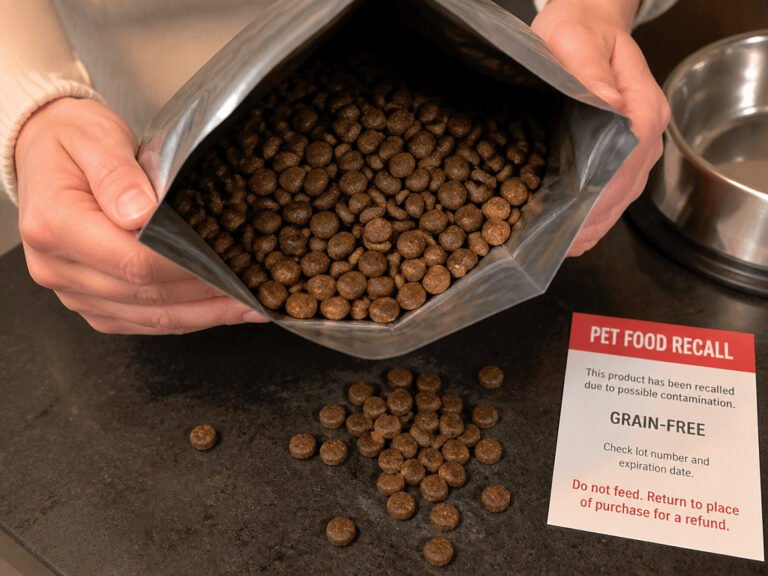
Grain-free cat food pros and cons, checked against 77 diets and 82 mineral analyses: what labels overstate and how to compare bags.
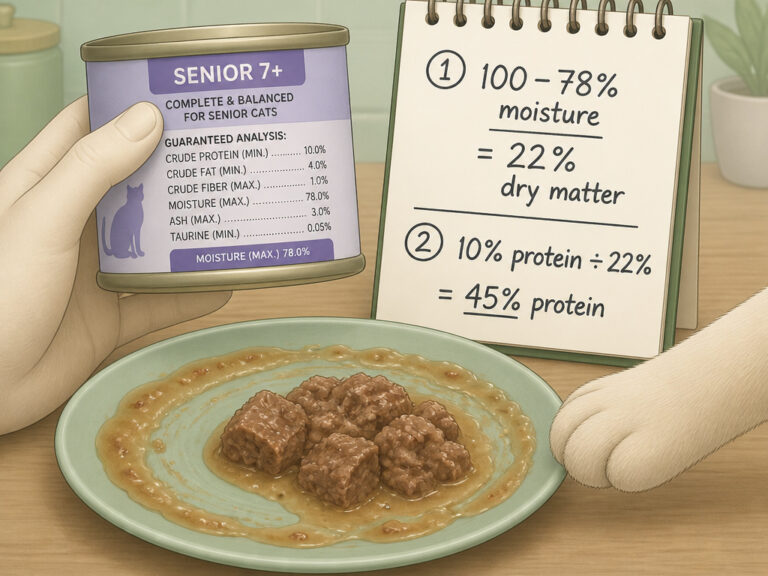
AAHA/AAFP says 10, Hill’s says 7, and research finds changes start at 8. Here’s how to match the food to your cat’s actual condition.
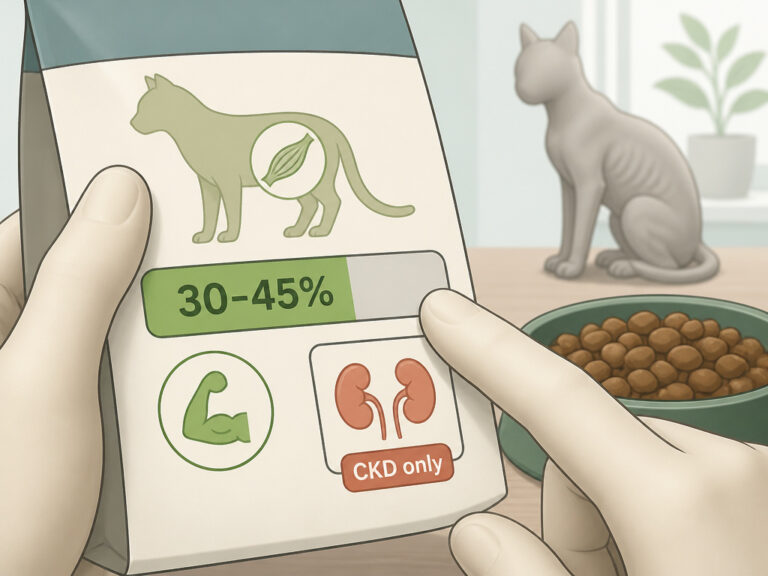
Senior cat food pros and cons, measured against the research: fiber, calories, protein, and the label claims that have no standard behind them.
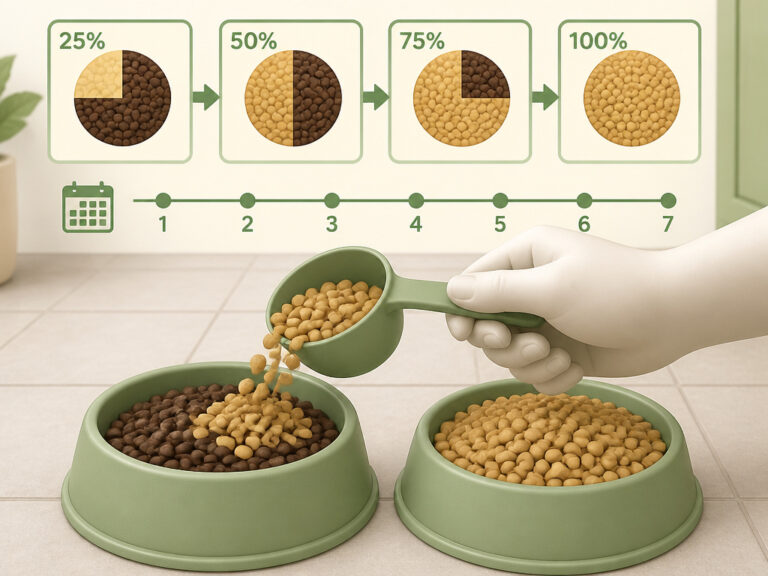
Kitten food stops fitting somewhere between 9 and 12 months. Here is where the sources disagree, the 7-day ramp, and the two cases that break the rule.
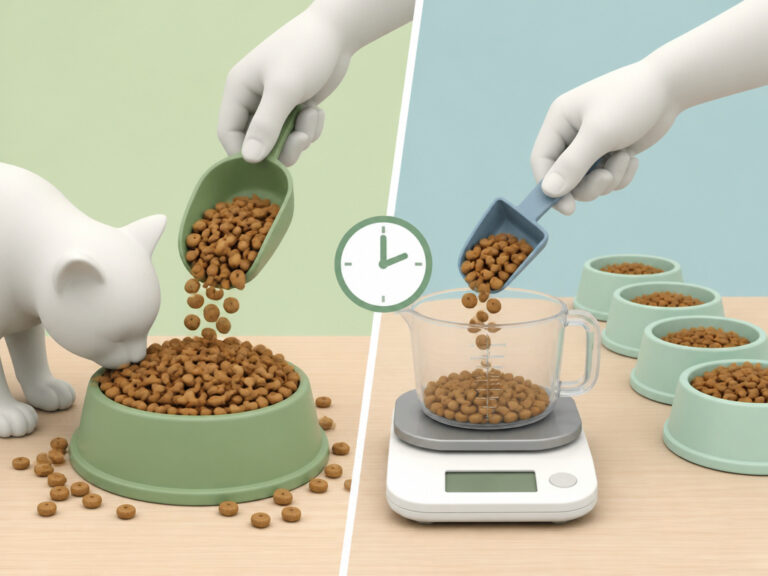
How much to feed a kitten depends on weight and age: 200 kcal/kg at 10 weeks down to 80 by 10 months. Here’s the math, meal counts, and when to switch.
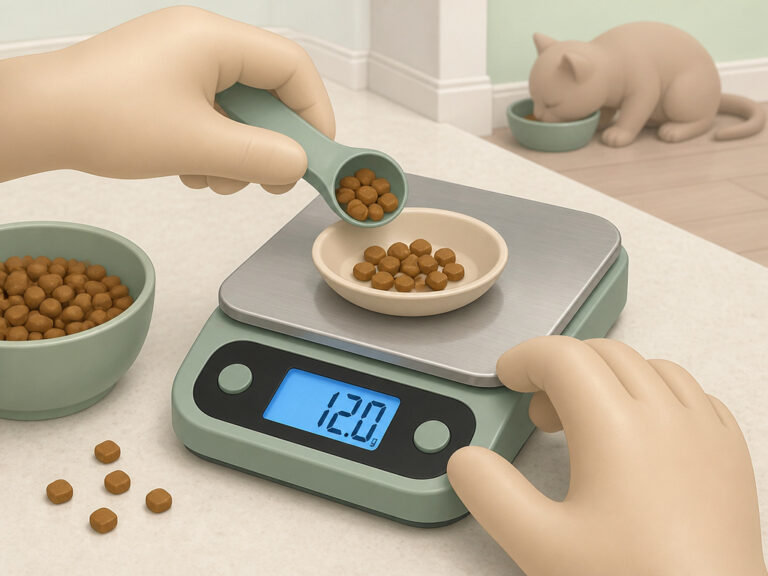
Kitten food pros and cons, judged on the label: wet vs dry moisture math, AAFCO rules, raw diet risks, and what a growing kitten actually needs.
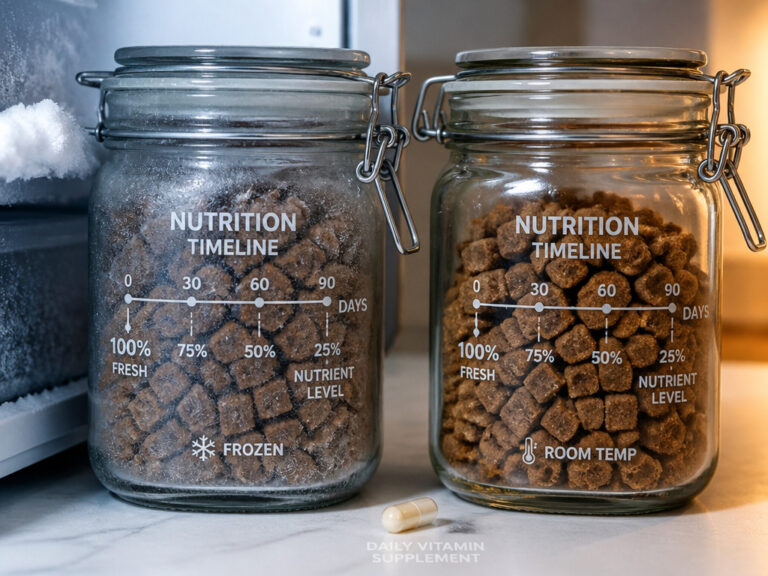
Freeze-dried cat food pros and cons, checked against feeding trials and pathogen studies: what the panel shows, what it hides, how to feed it safely.