Fish Skin Chews for Dogs Pros and Cons: Worth It?
Fish skin chews for dogs: high protein and omega-3, but brittle for big dogs and weak on dental claims. Here is what the labels and studies show.

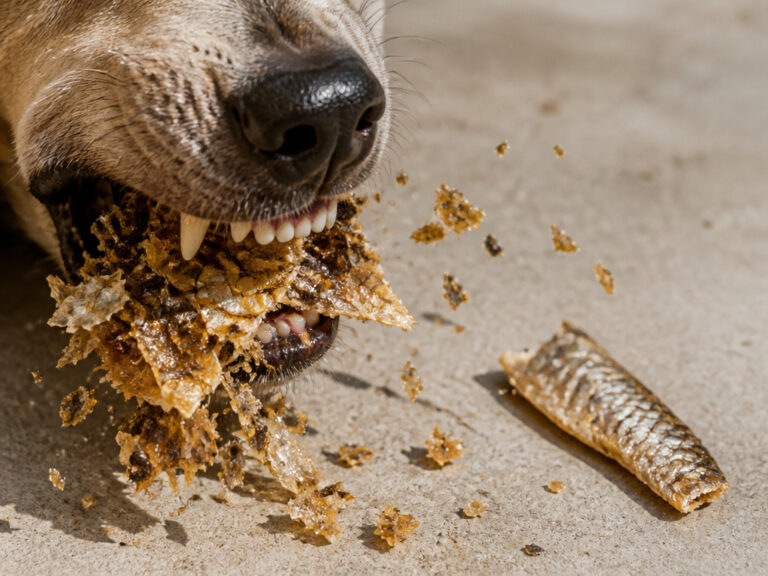
Fish skin chews for dogs: high protein and omega-3, but brittle for big dogs and weak on dental claims. Here is what the labels and studies show.

How to use treats to train a cat: cap treats at 10% of daily calories, mark the exact moment, and reward within seconds. Portion math and timing inside.
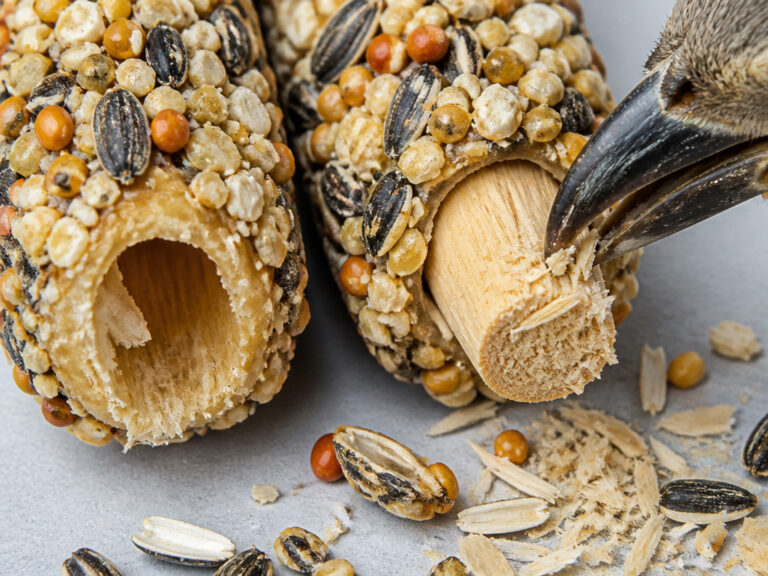
Seed sticks for birds are a supplement, and the packs disagree on how much to give. Read the feeding line, sugar list, and core before you hang one.
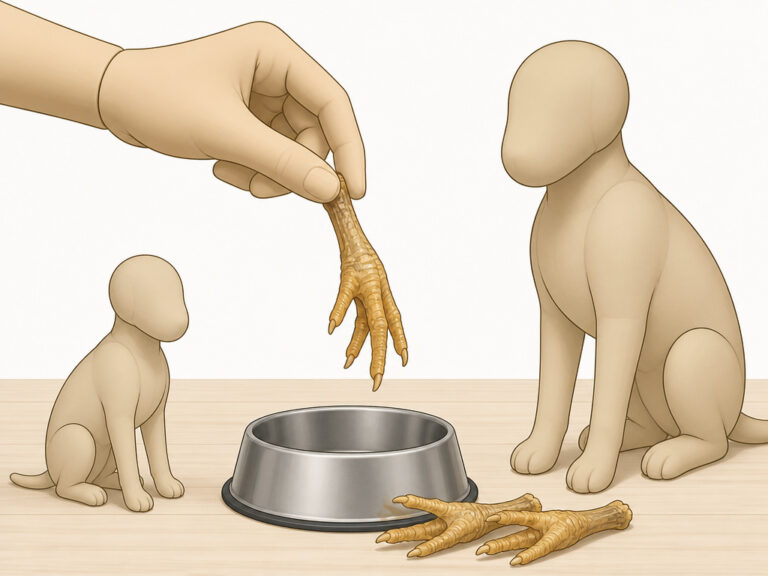
Chicken feet for dogs: what studies show on Salmonella risk, bone safety, and joint claims, plus when to skip them and which brands to trust.
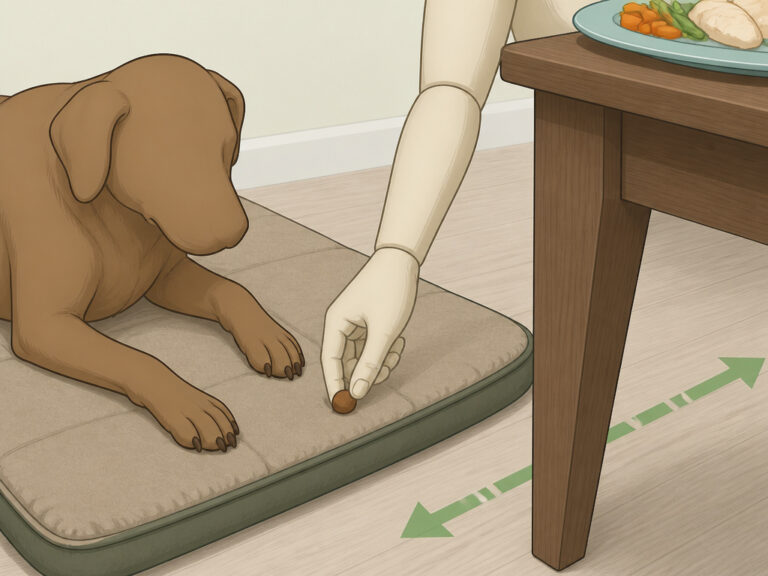
To stop a dog from begging for treats, cut the table payoff, feed before you eat, and keep treats under 10% of daily calories. Here is the full routine.
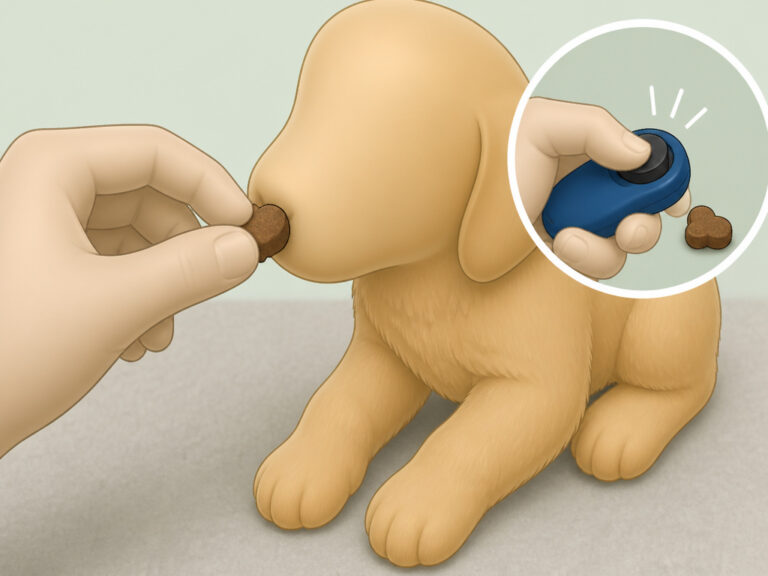
Learn how to train a puppy with treats without overfeeding. Use the 10% calorie rule, pick the right treat size, and know when to fade treats.

Slice at 1/4 inch, then dry at 250°F in the oven for 2.5 to 3 hours or 120°F to 130°F in a dehydrator for 8 to 12 hours. Storage rules included.
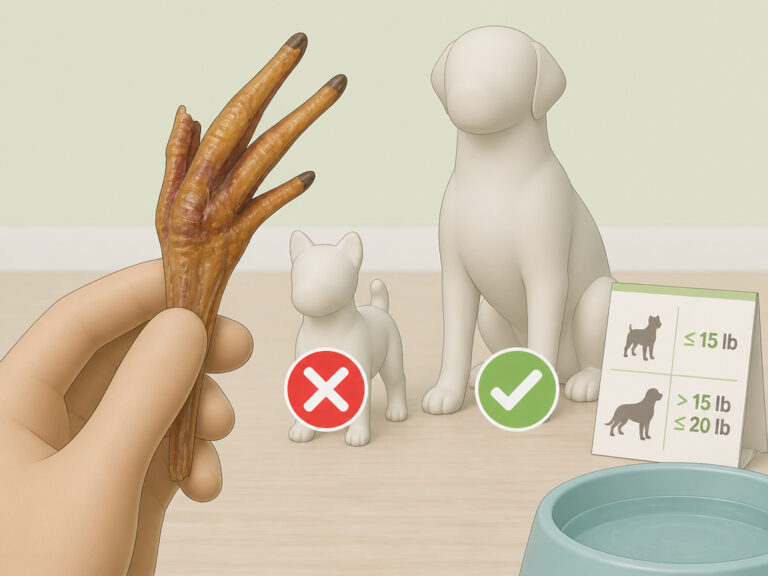
Duck feet for dogs pros and cons, with the real calorie counts, feeding limits that differ tenfold between brands, and which dogs should skip them.
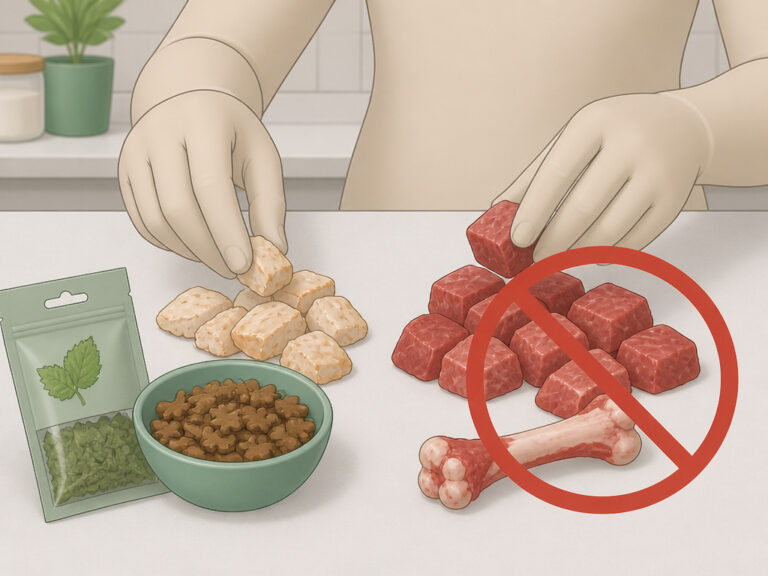
Catnip treats guide: the real calorie ceiling by body weight, which cats ignore catnip, and a sourced recipe with bake times and portion sizes.
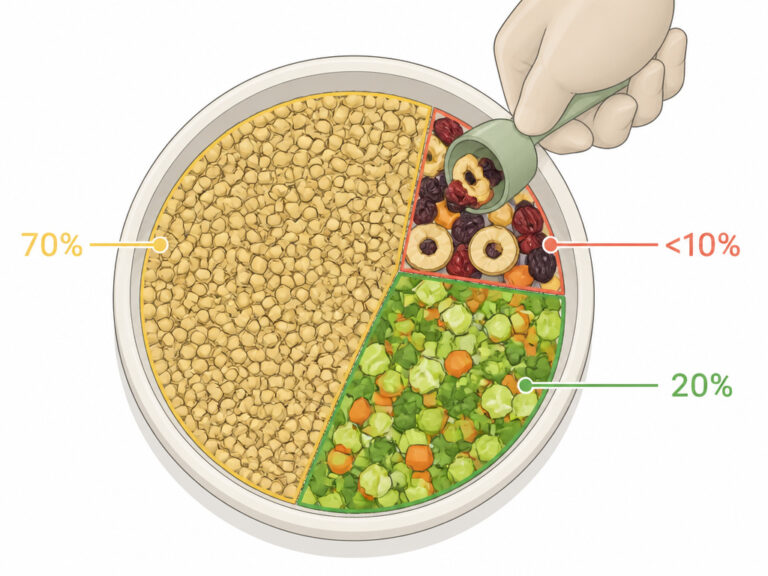
Dried fruit for birds is safe in tiny amounts, but sulphites, pit fragments and concentrated sugar change the rules. Here is how to pick and portion it.