How to Rotate Cat Food Textures: Step-by-Step
Rotating cat food textures takes longer than the 7-day plans suggest. Here is the pace each veterinary source recommends, and when to stop trying.

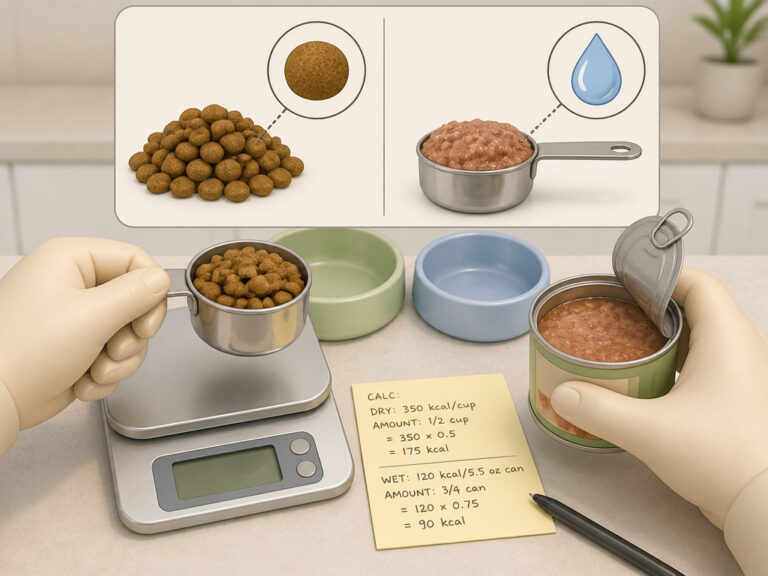
Rotating cat food textures takes longer than the 7-day plans suggest. Here is the pace each veterinary source recommends, and when to stop trying.
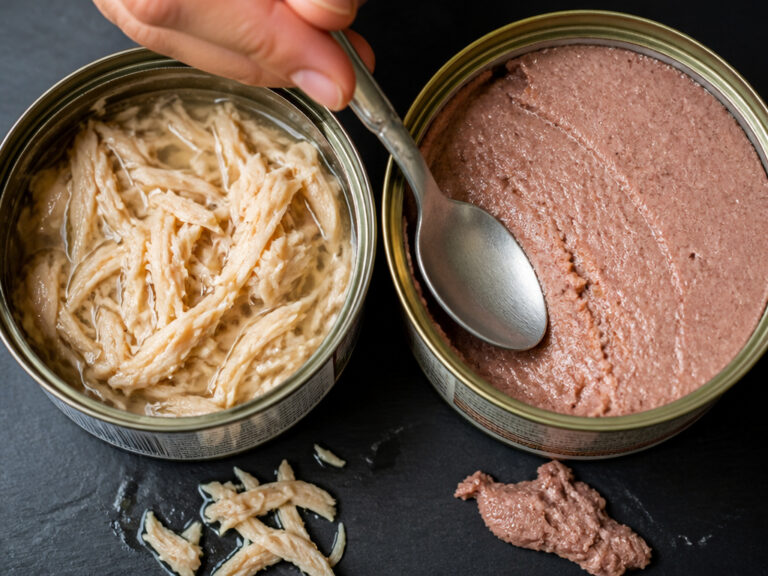
Shredded vs pate cat food comes down to the panel, not the texture. Here’s how to read moisture, protein, and organ content before you buy a case.
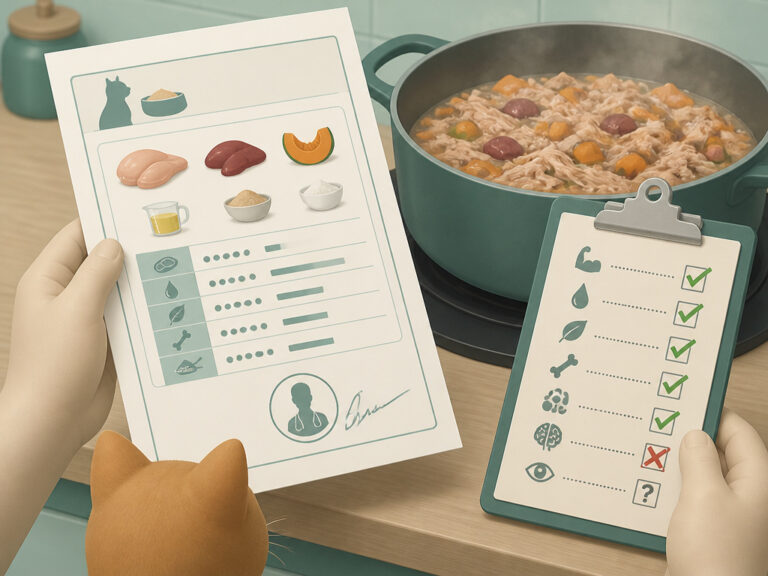
Home-cooked cat food pros and cons, checked against the recipe studies: what home cooking gets right, where 114 recipes fell short, and how to judge one.
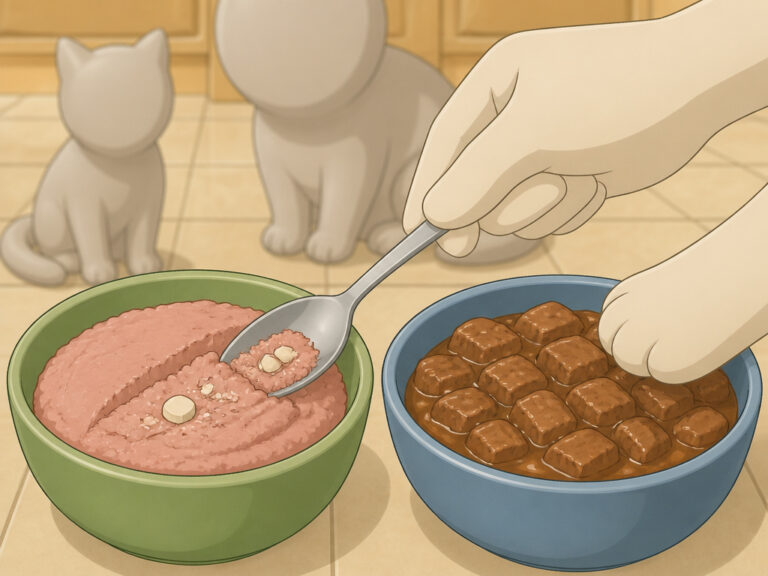
Pate vs chunks in gravy cat food is a texture choice, not a nutrition tier. How to read the panel, spot a gravy-licker, and switch formats safely.
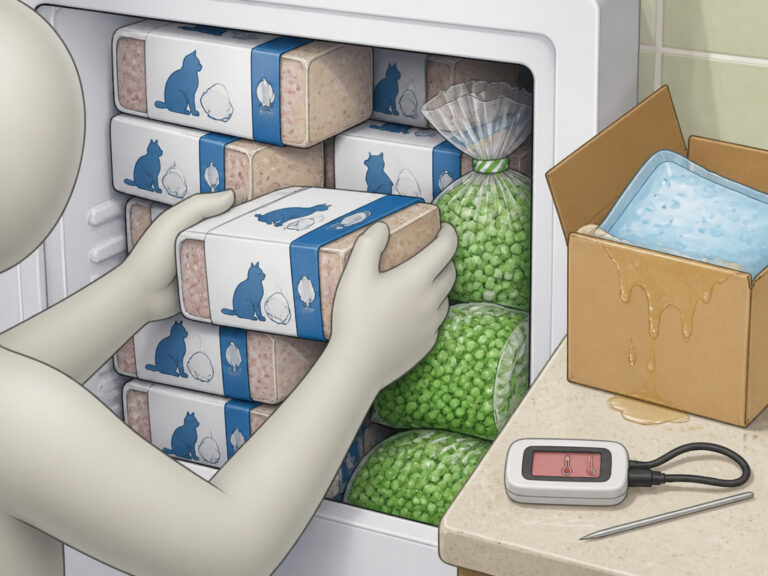
Fresh cat food pros and cons, weighed against the trials: what processing changes, what the freezer costs you, and which format fits your cat.
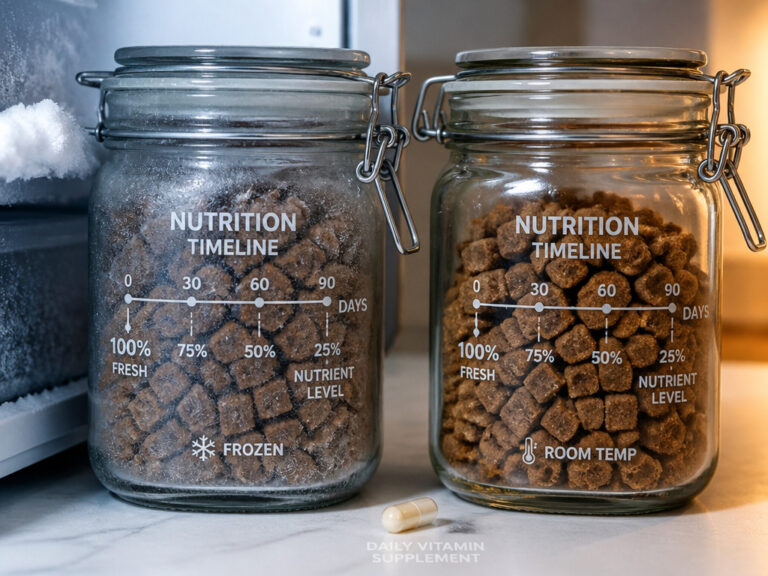
Freeze-dried cat food pros and cons, checked against feeding trials and pathogen studies: what the panel shows, what it hides, how to feed it safely.
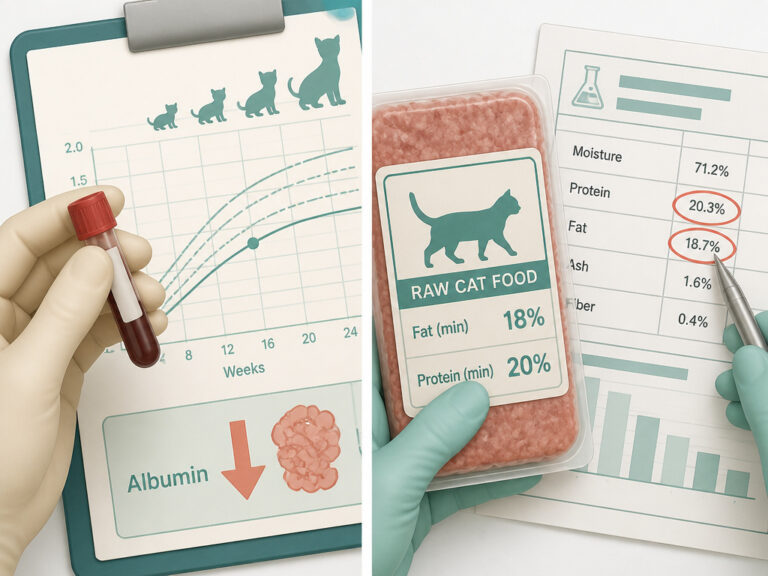
Raw cat food skips the kill step. FDA found Salmonella in 15 of 196 raw samples. Here’s what the pros and cons actually rest on, and who should skip it.
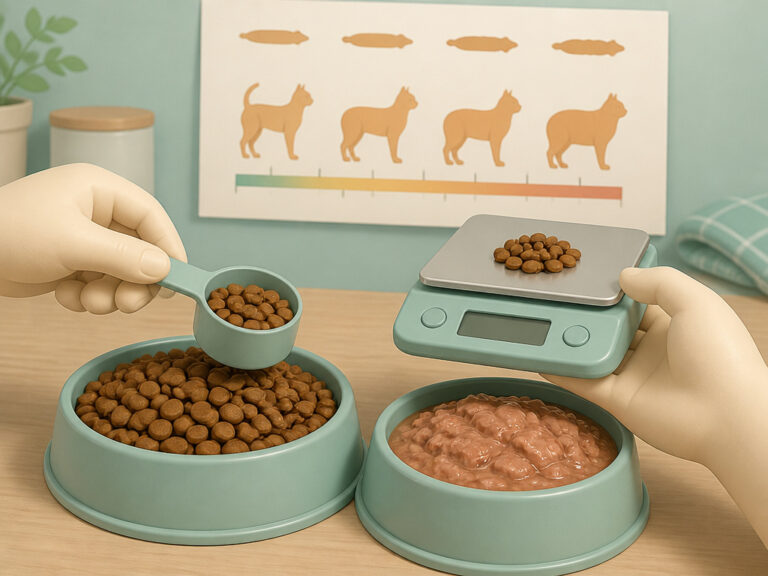
Dry cat food pros and cons, read from the label: moisture figures, extrusion temperatures, and what the disease studies actually show.
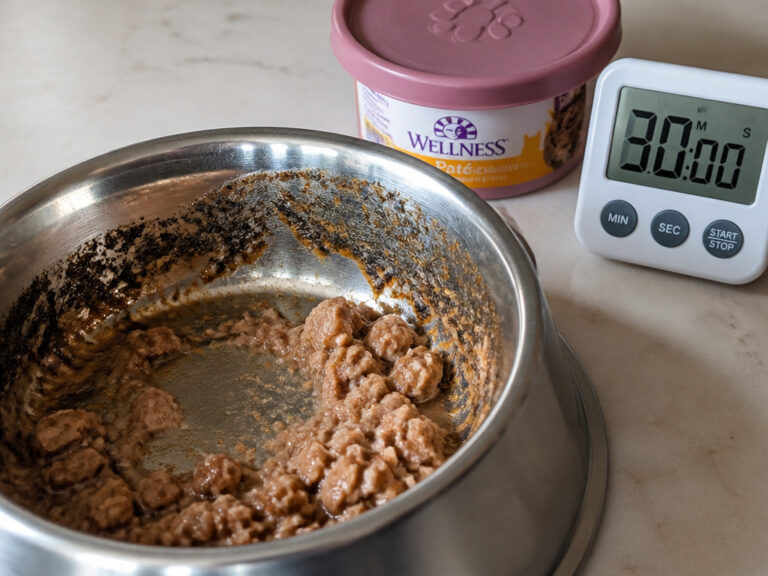
Wet cat food is 70-80% water. Here’s what that buys you, where the calorie and mineral claims break down, and how to feed it without waste.
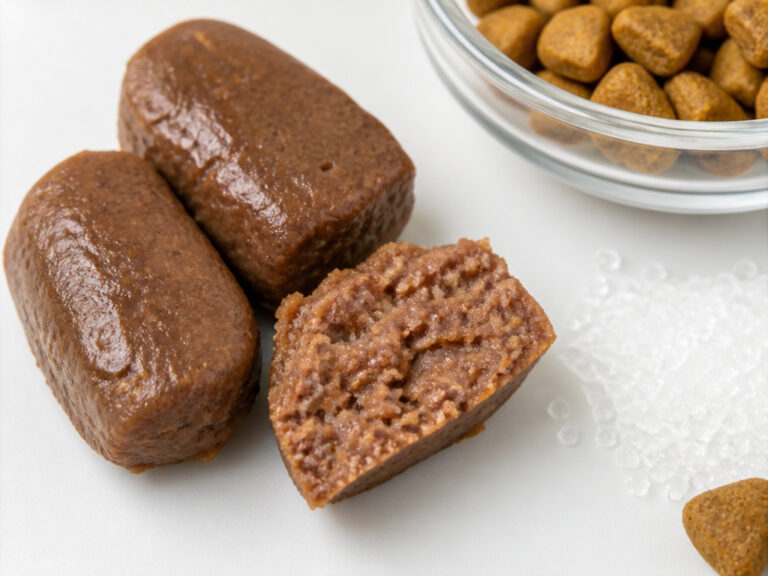
Types of cat food formats split by water and processing, not marketing. Compare dry, canned, semi-moist and raw on the numbers that actually matter.