How to Sprout Seeds for Birds: A Safe 4-Day Method
Sprout seeds for birds without mould: certified pathogen-free seed, a 5-minute treatment, the rinse schedules the sources actually use, and a 4-day ceiling.

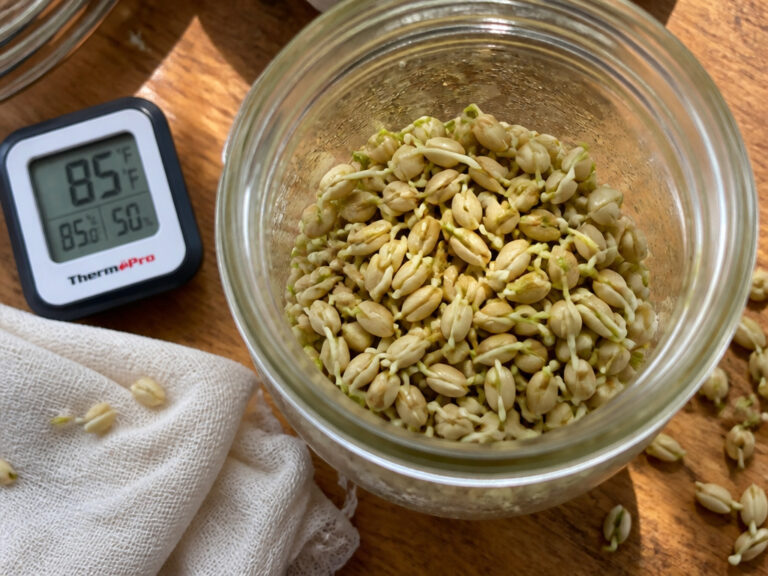
Sprout seeds for birds without mould: certified pathogen-free seed, a 5-minute treatment, the rinse schedules the sources actually use, and a 4-day ceiling.
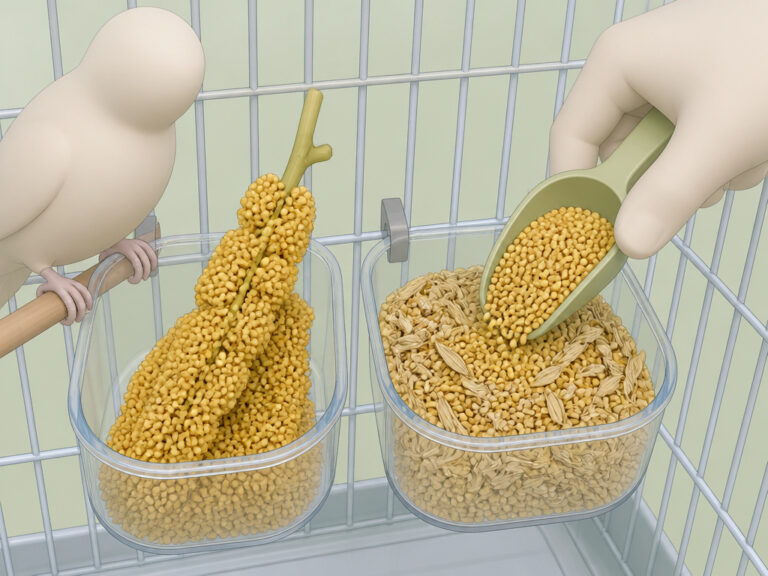
Millet spray vs loose millet for birds comes down to portioning, freshness and hull work, not protein. Compare the labels and pick right.
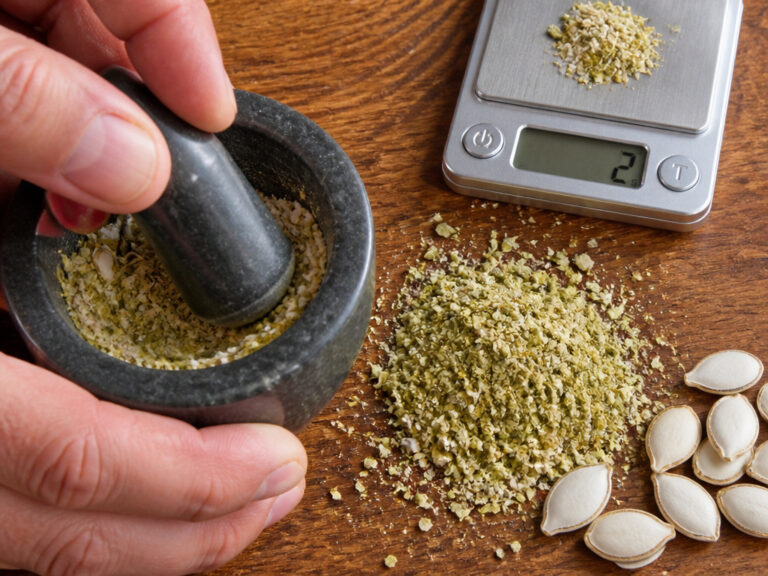
Pumpkin seeds for birds: what the poultry trials actually show, how many kernels a bird can have, and why the deworming claim outruns the evidence.
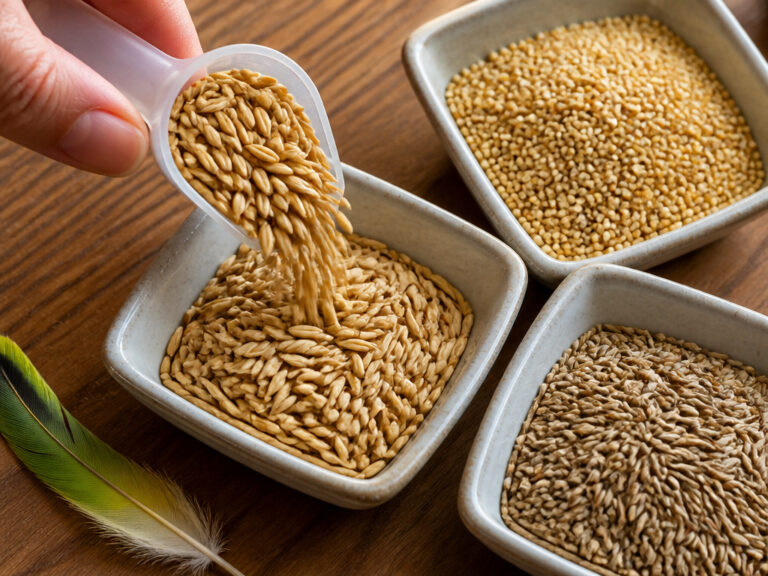
Oats for birds depend on species, age, and hull status. The published inclusion figures run from 3% to 60%, and most of them measure different things.
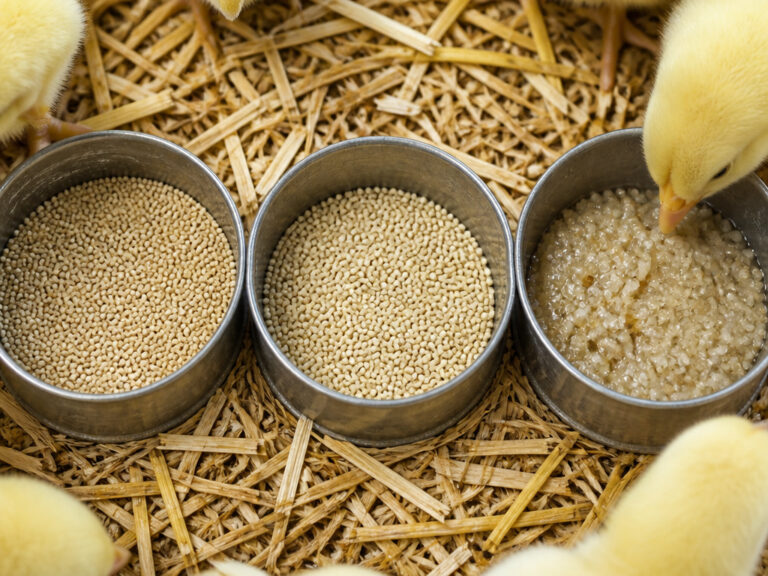
Quinoa for birds: rinse off the saponins, keep it under 15% of the diet, and never feed it raw. Here is what the feeding trials actually measured.
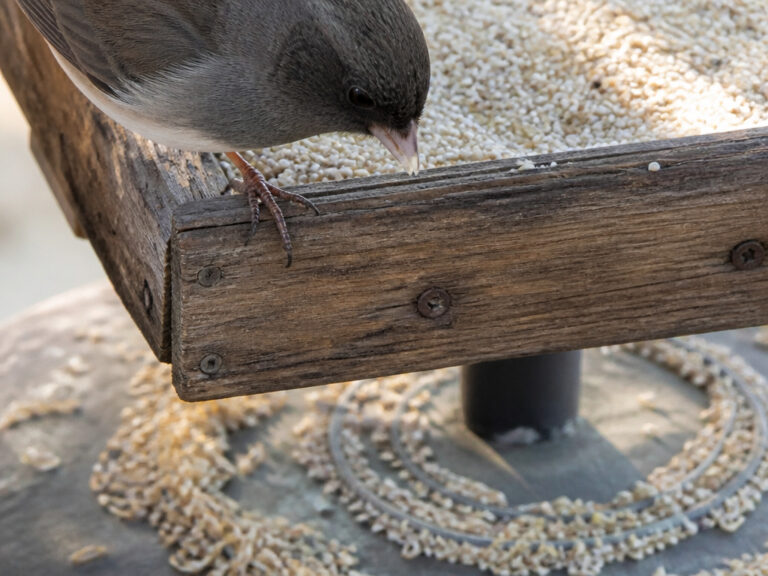
A millet for birds guide built on Cornell and FAO data: why white proso beats red, where millet belongs on the feeder, and how to sprout it safely.
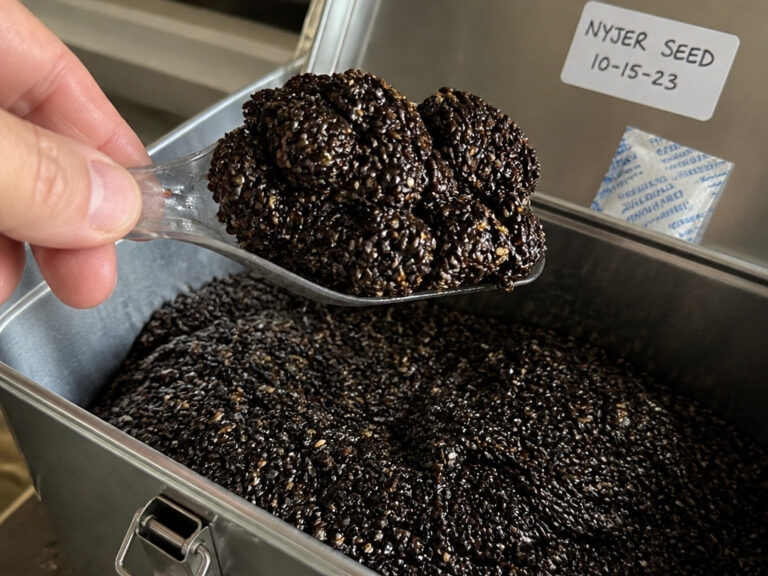
Nyjer seed for birds explained: what’s actually in the bag, how the USDA treats it, which feeders work, and the storage numbers that keep it fresh.
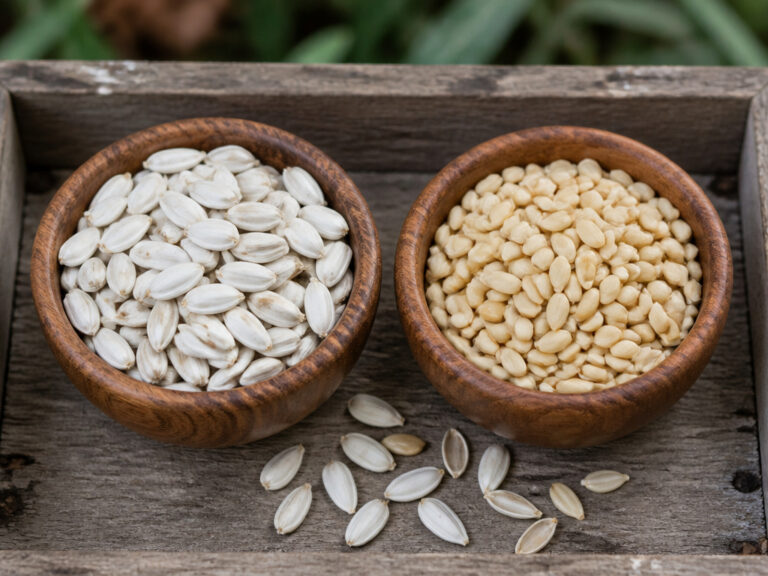
Safflower seeds for birds, weighed honestly: which species eat them, what they do about squirrels and starlings, and how to serve them so cardinals find them.
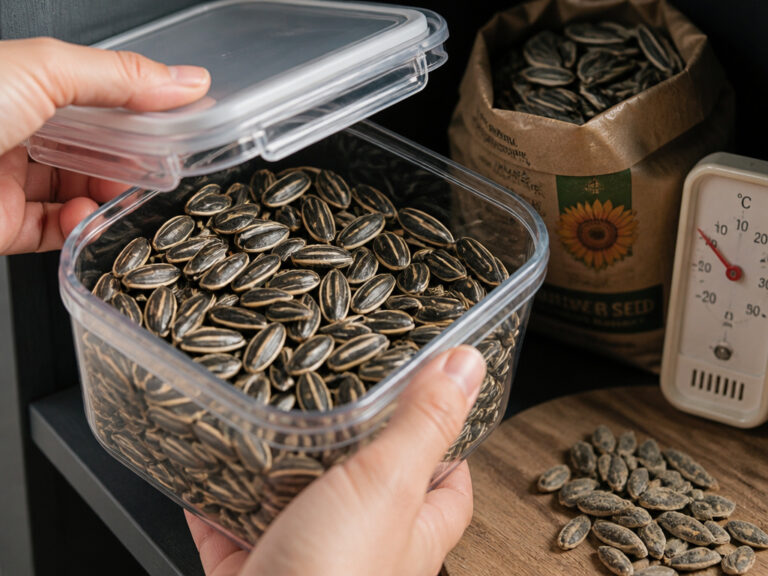
Sunflower seeds for birds bring high fat and thin shells, plus mess, squirrels, and rancidity risk. Here’s what the research says before you fill the feeder.
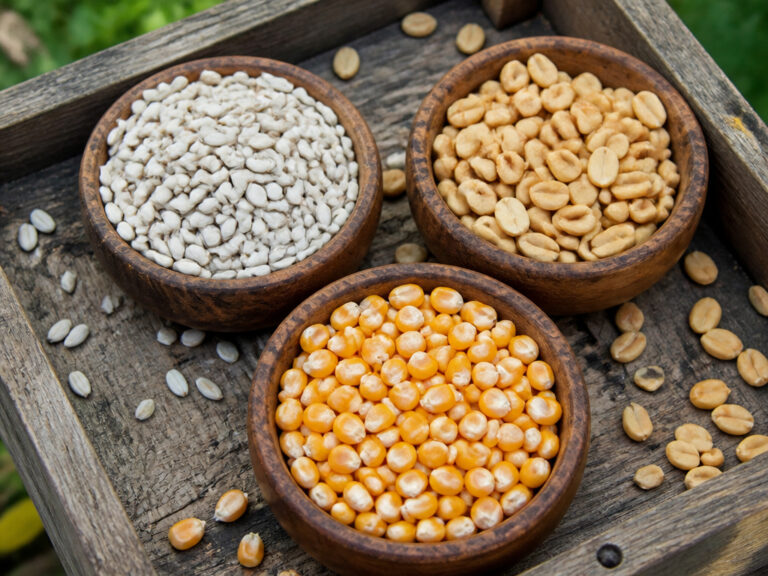
Types of bird seed, ranked by what birds actually eat: black oil sunflower, white proso millet, nyjer, safflower, and the filler grains worth skipping.