Human-Grade Dog Food Pros and Cons: What the Data Shows
Human-grade dog food pros and cons, weighed against feeding trials: less fecal output, real mineral gaps, and why home-cooked and commercial differ.

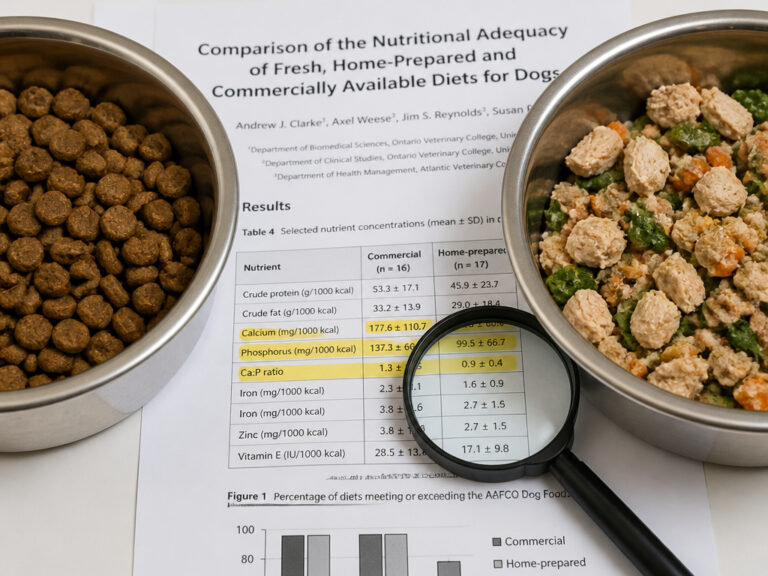
Human-grade dog food pros and cons, weighed against feeding trials: less fecal output, real mineral gaps, and why home-cooked and commercial differ.
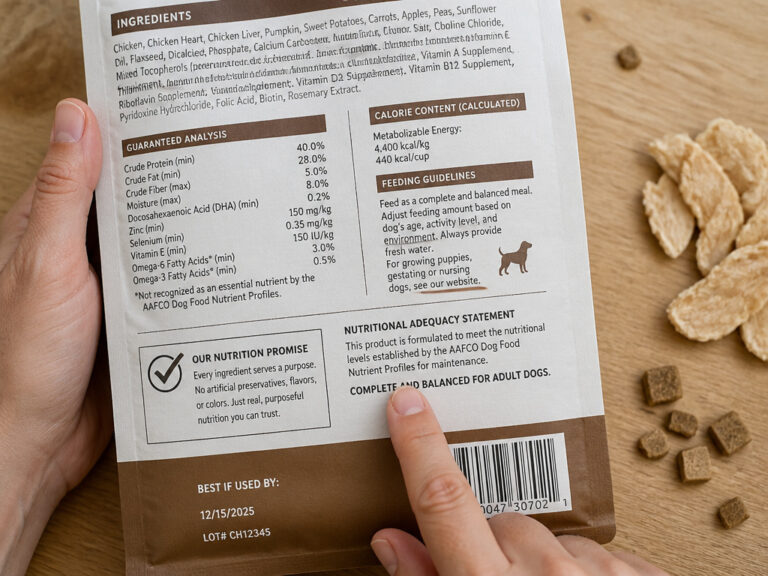
Dehydrated and freeze-dried dog food differ in rehydration, shelf life, and label rules. Here’s how to read both bags before you buy.
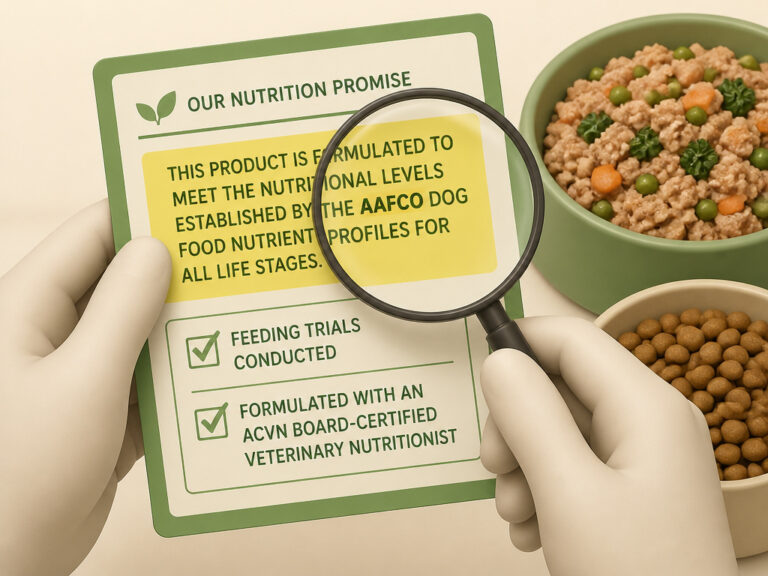
Fresh dog food pros and cons, weighed against feeding-trial data: digestibility, AAFCO completeness, cold-chain costs, and which dogs should stay on kibble.
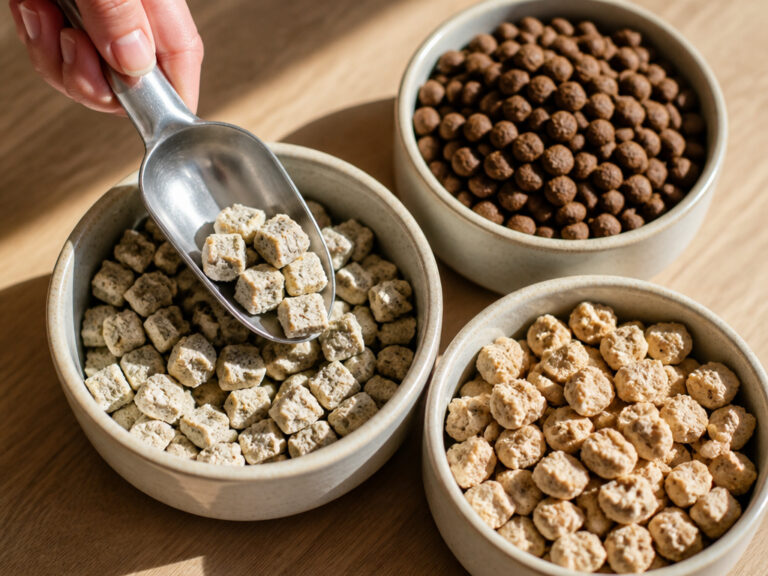
Air-dried dog food pros and cons, from nutrient retention to bacterial risk. Learn what the label won’t tell you and how to feed it safely.
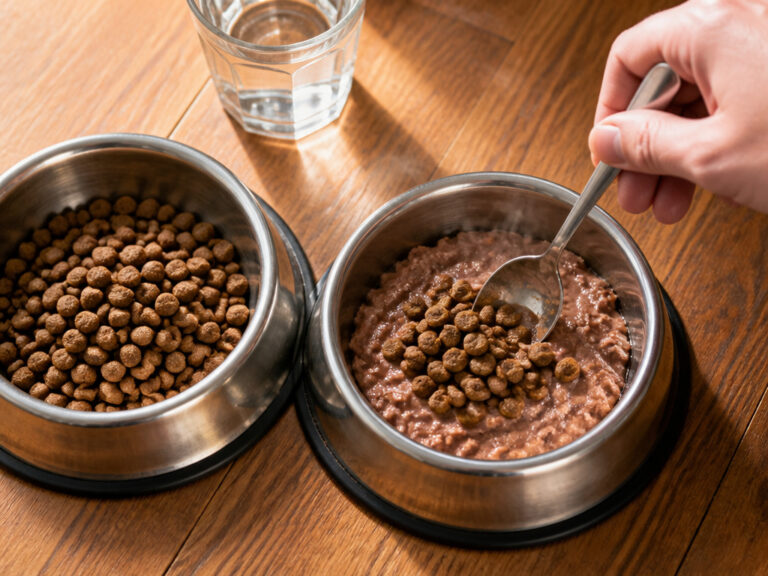
Kibble vs canned dog food: the label numbers only compare after dry matter conversion. See the math and which format fits your dog.
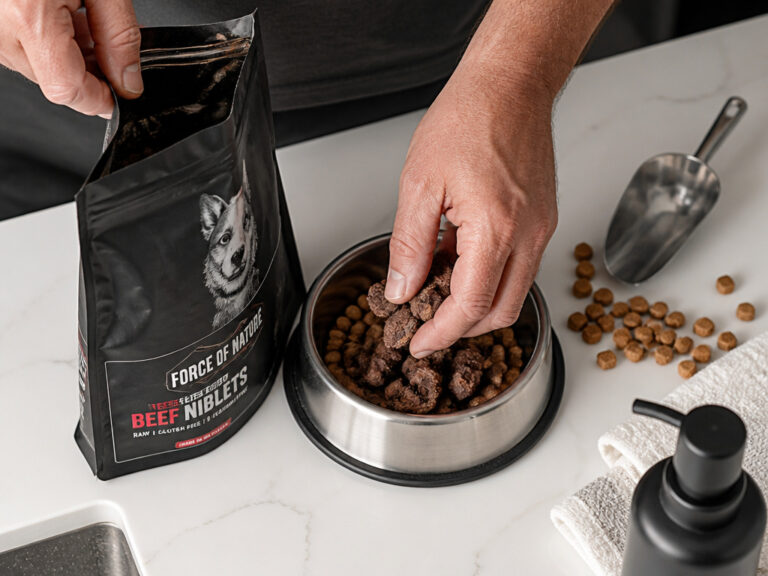
Freeze-dried dog food pros and cons checked against FDA data and label rules: nutrient retention, real Salmonella risk, cost, and spotting an incomplete diet.
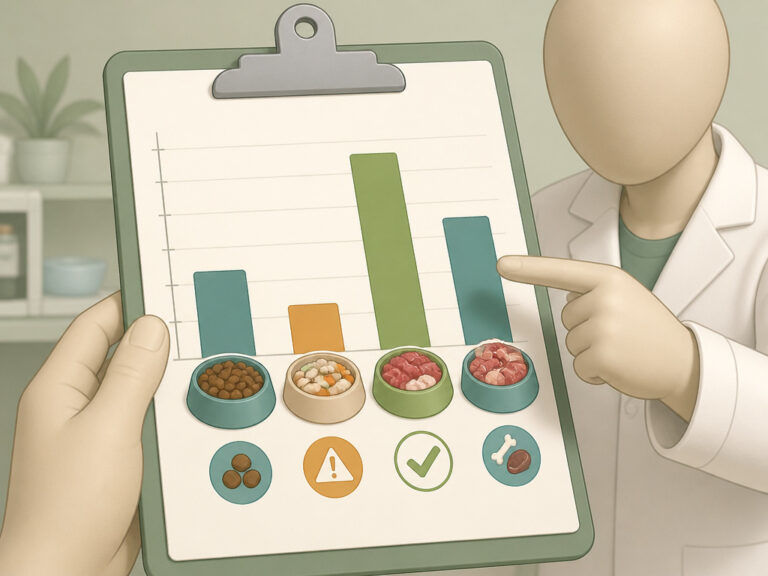
Raw dog food pros and cons, sorted by format: what FDA, CDC, Cornell and CVMA actually found, plus the label checks that matter most.
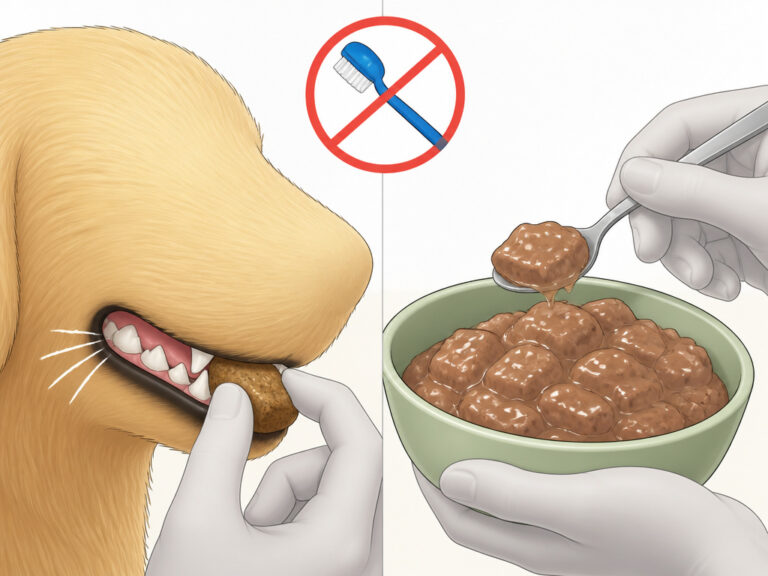
Wet dog food pros and cons, read from the guaranteed analysis: moisture, cost per calorie, mineral limits, and the dental claim that doesn’t hold up.
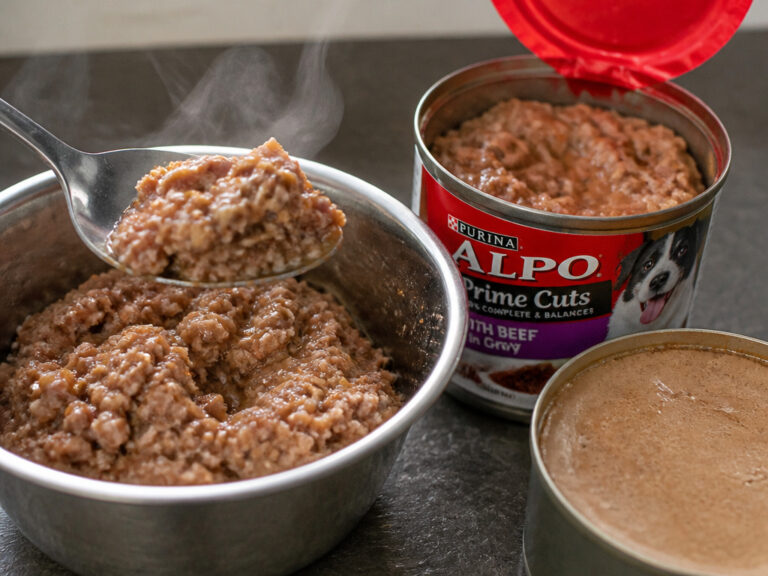
Types of dog food formats differ by water content and processing. See how dry, canned, semimoist, and raw compare, and how to pick one.
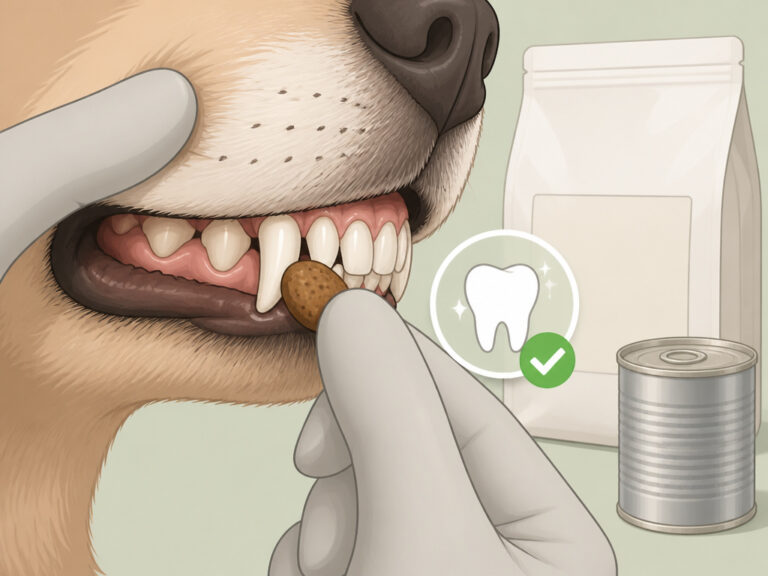
Dry dog food is cheap, stable, and about 90% dry matter. Here’s what the label hides, where the sources disagree, and how to compare kibble fairly.