Natural Preservatives in Pet Food: What the Data Shows
Natural preservatives in pet food underperform synthetics in Kansas State trials. Here is what the 18-week kibble data and dog food studies actually show.

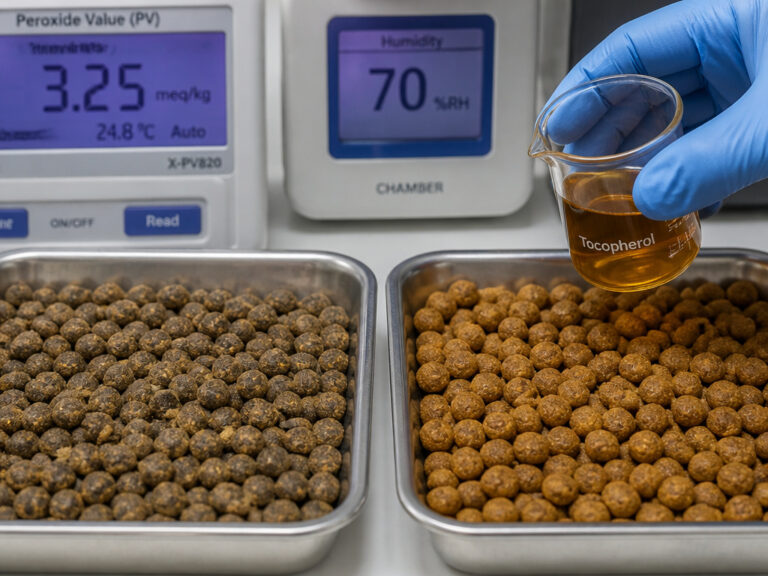
Natural preservatives in pet food underperform synthetics in Kansas State trials. Here is what the 18-week kibble data and dog food studies actually show.
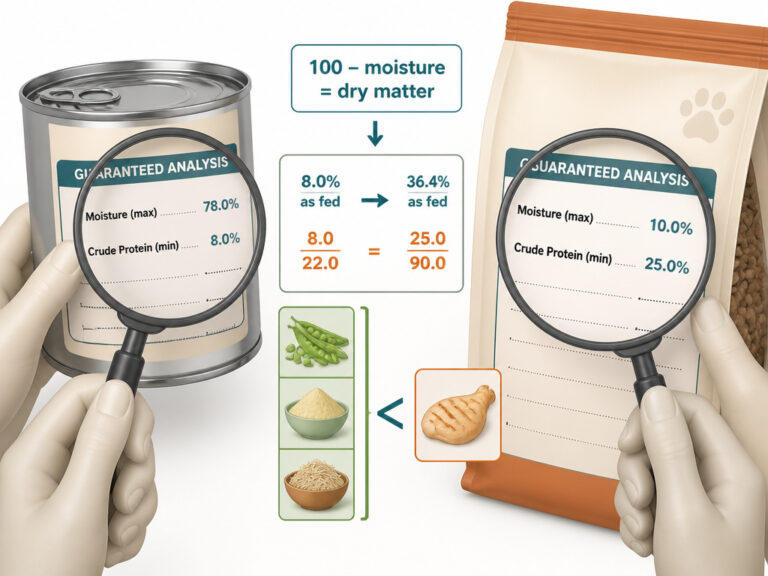
Named meat vs unnamed meat in pet food: what the 4% rule allows, what DNA testing found, and how to read the panel before you buy a bag.
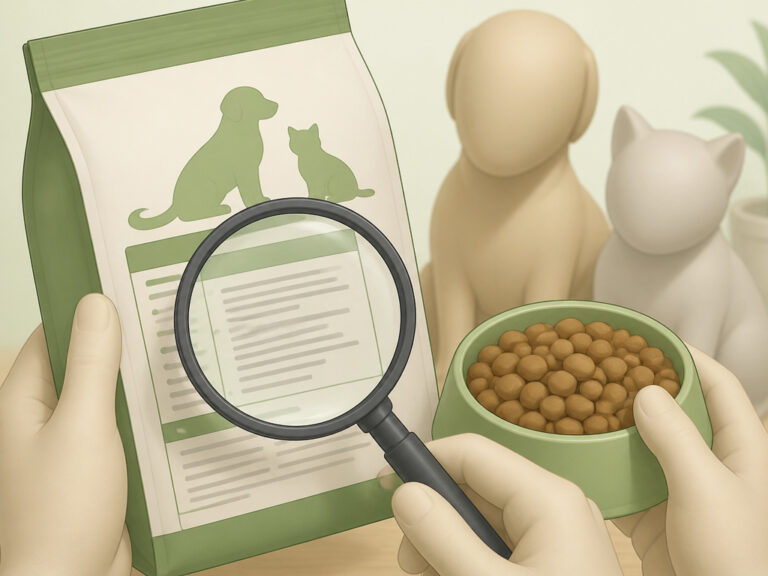
Grains in pet food pros and cons, checked against the FDA investigation, two cardiac trials and a mycotoxin survey. What the label math actually shows.
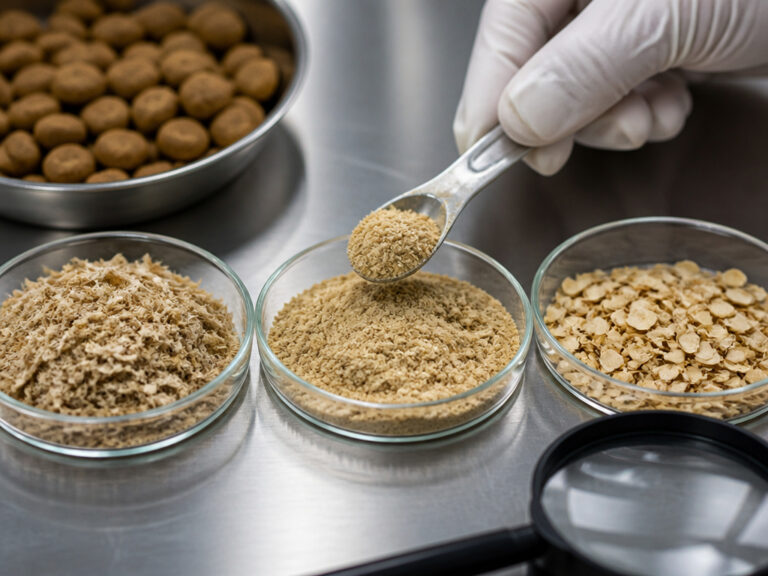
Fillers in pet food explained: what corn, soy, beet pulp and rice bran actually do, what the FDA requires on a label, and how to read past the marketing.
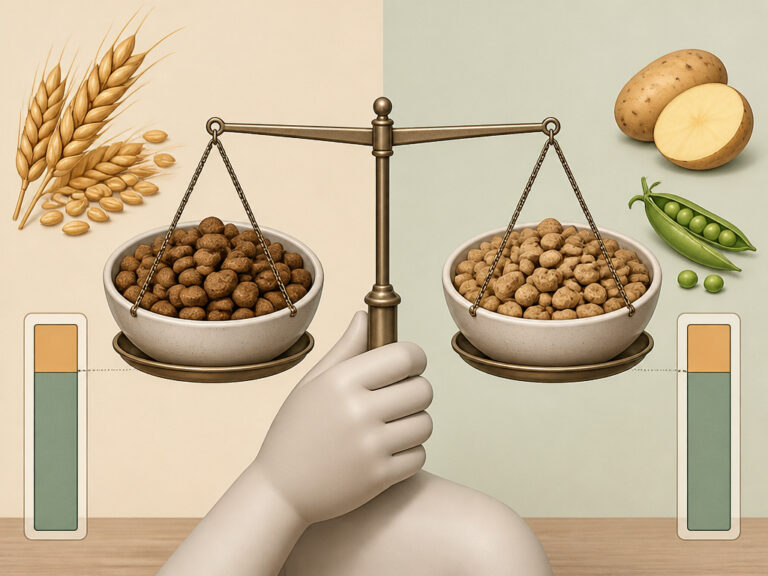
Wheat in pet food pros and cons, checked against the label: 80 percent protein gluten, real allergen risk, and the grain-free swap that changes nothing.
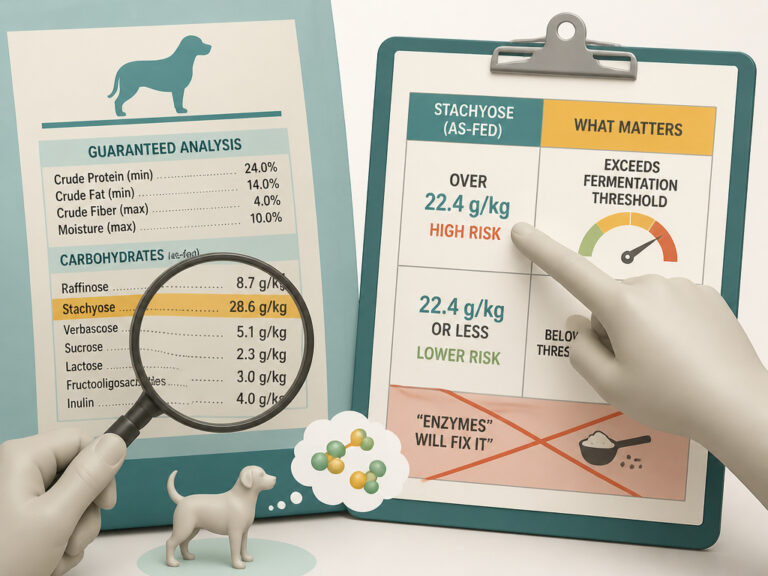
Soy in pet food pros and cons, checked against dog feeding trials: which soy forms digest well, which ones don’t, and how to read the label.
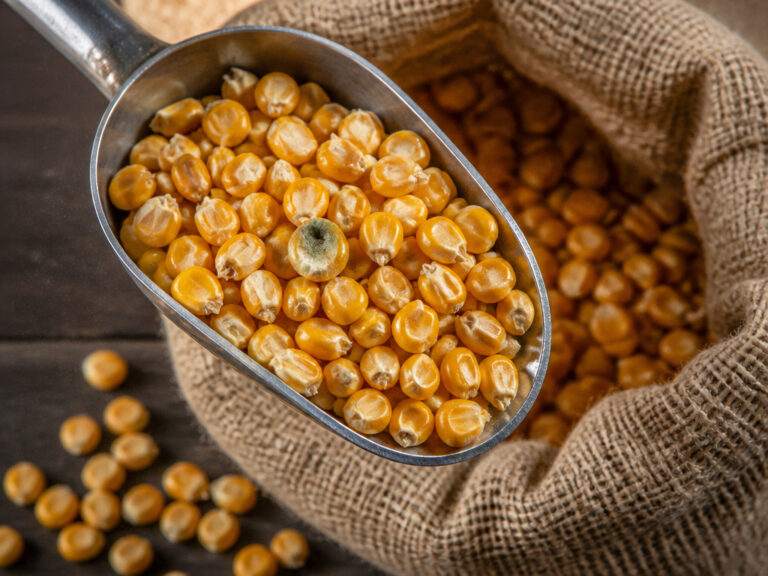
Corn in dog food pros and cons depend on digestibility, processing, and aflatoxin testing. Here is what the feeding trials actually measured.
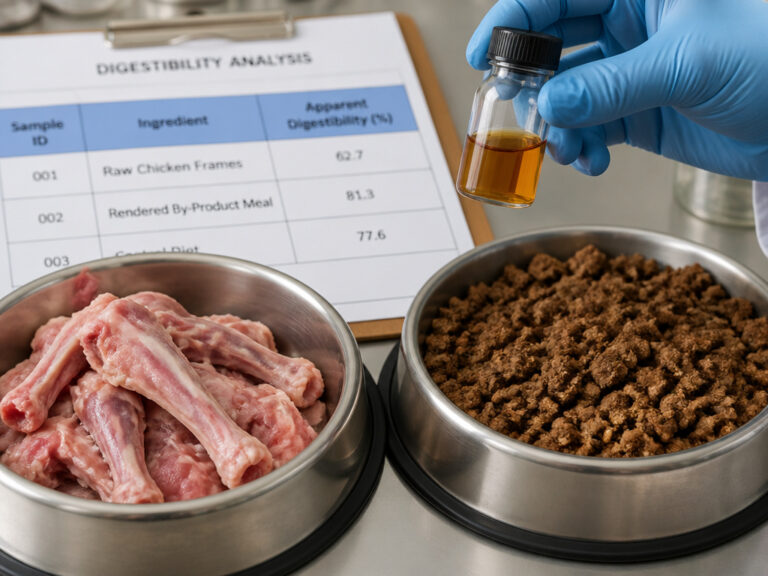
By-products in pet food pros and cons, read from the label up: what AAFCO defines, what the feeding trials measured, and where the safety rules actually stop.
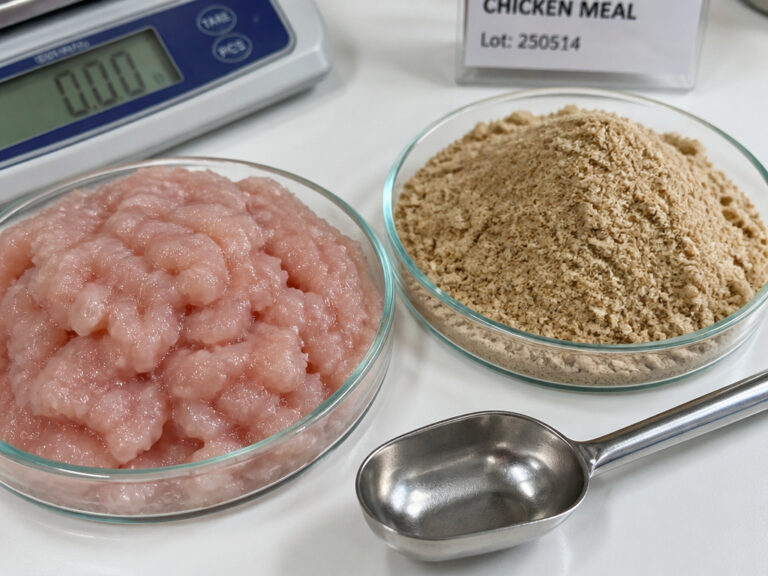
Meat meal vs whole meat in pet food: what the AAFCO definitions, moisture numbers, and peer-reviewed protein assays actually say, and how to read the bag.
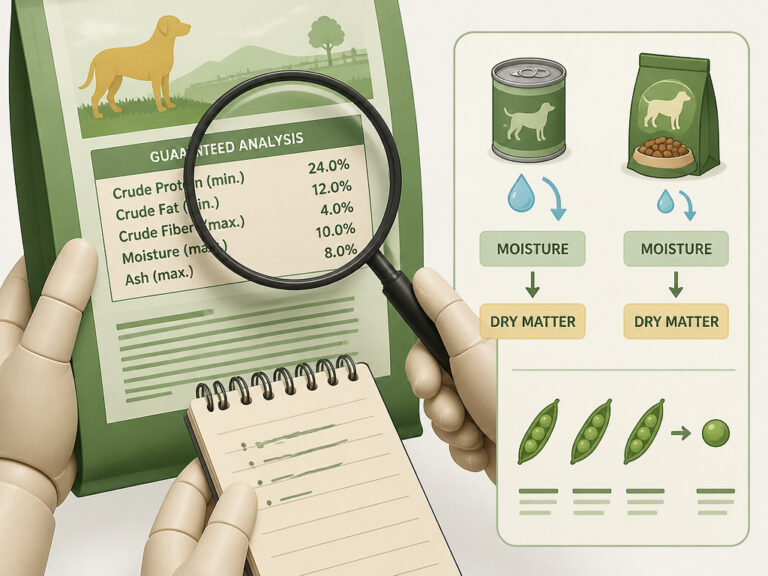
Types of protein sources in dog food, from fresh meat to rendered meals and plant proteins, plus the label math that shows which ones deliver.