Color-Enhancing Fish Food Pros and Cons: What Works
Color-enhancing fish food pros and cons: see what trials show on dose, lipid level, and natural vs. Synthetic pigments, plus what to check on the label.

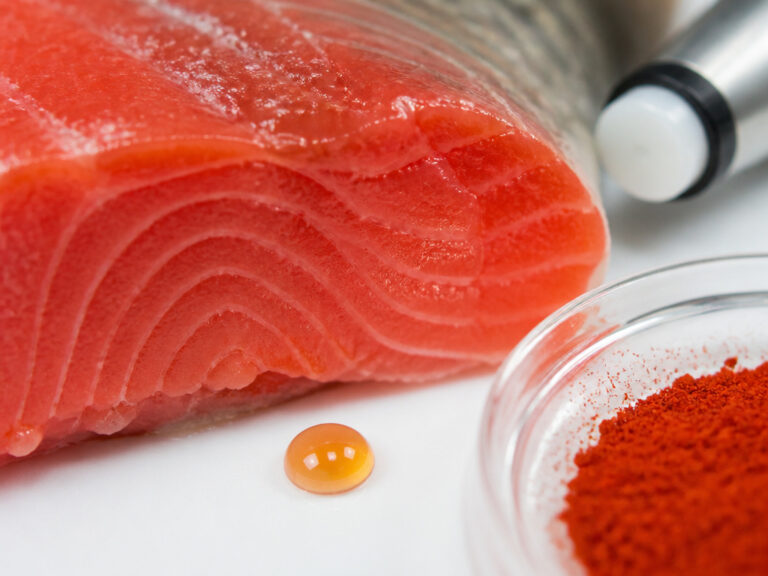
Color-enhancing fish food pros and cons: see what trials show on dose, lipid level, and natural vs. Synthetic pigments, plus what to check on the label.
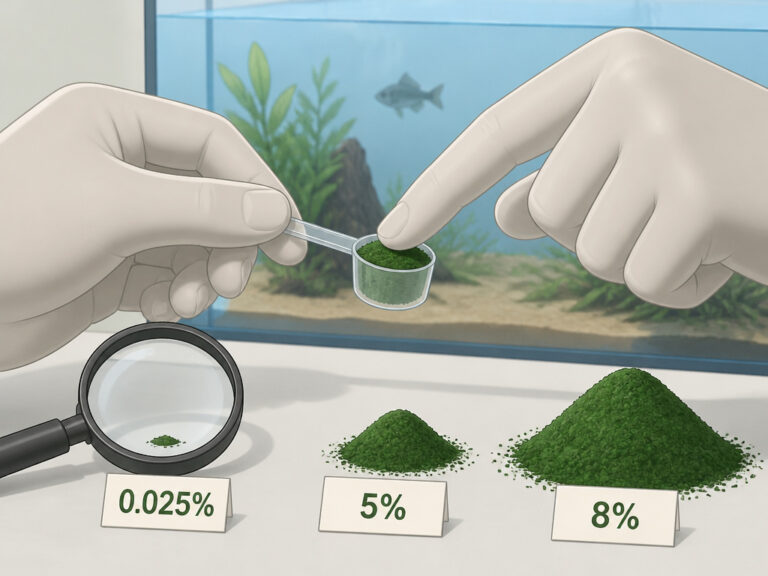
Spirulina fish food pros and cons, checked against 50 studies: real growth gains, the omega-3 gap, species-specific digestibility, and safe dose ranges.
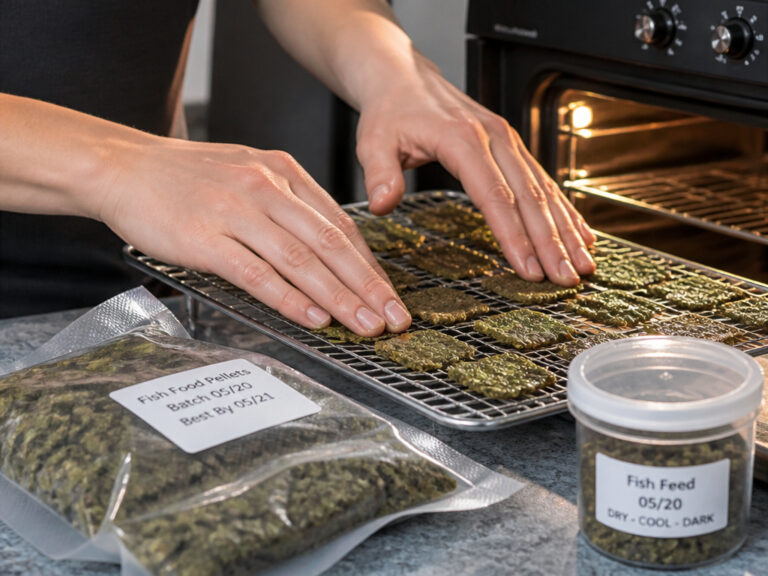
A homemade fish food guide with the numbers that matter: 0.4-0.6 mm grind, 45-55% moisture, dry below 60°C. Plus storage limits that stop mold.
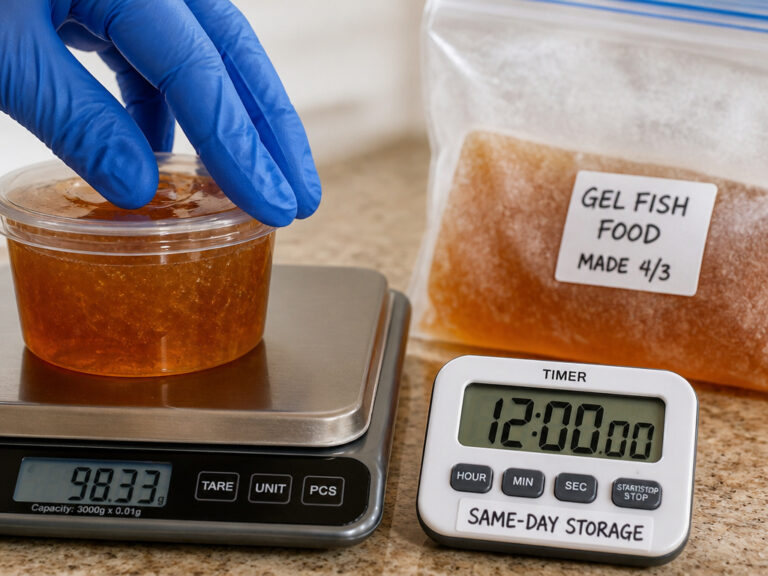
Gel food for fish holds together in water and lets you control the recipe, but the studies disagree on growth. Here is what actually decides it.
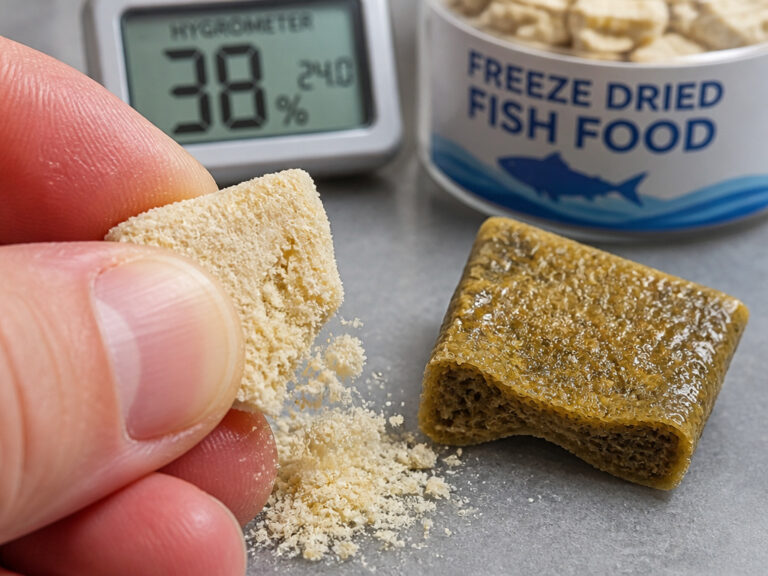
Freeze-dried fish food stays shelf-stable below 0.85 water activity but reabsorbs moisture fast. What the panel and the storage data actually show.
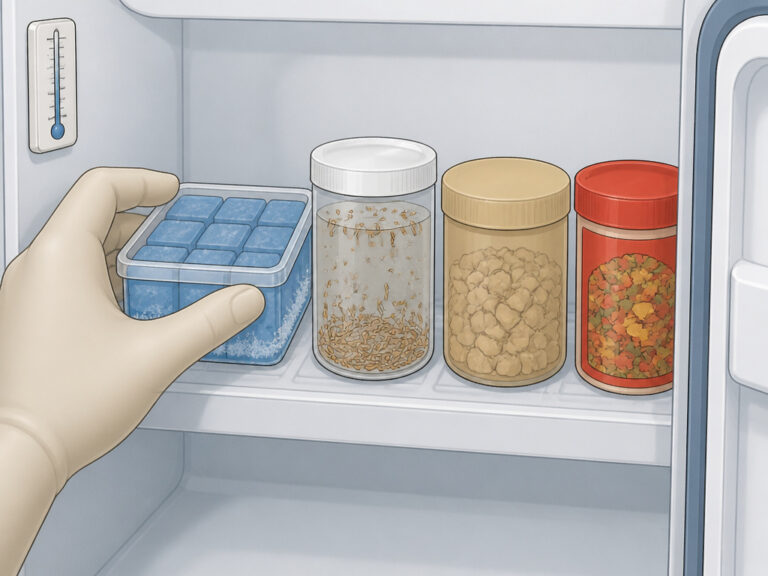
Frozen fish food pros and cons from a label reader: nutrition, storage at -18 C, thawing mistakes, and when flakes or freeze-dried beat the cube.
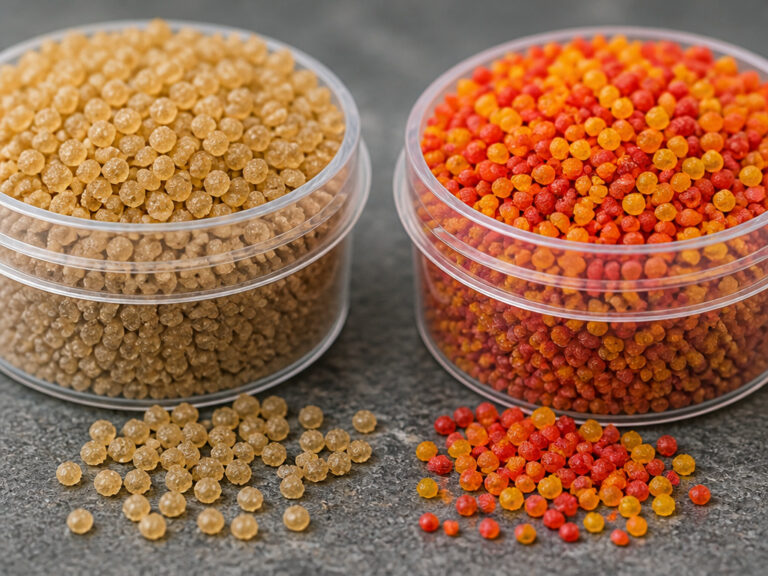
Micro pellets for small fish compared on protein, pellet diameter, and feeding windows. See what Hikari, Tetra, and Taiyo actually print on the label.
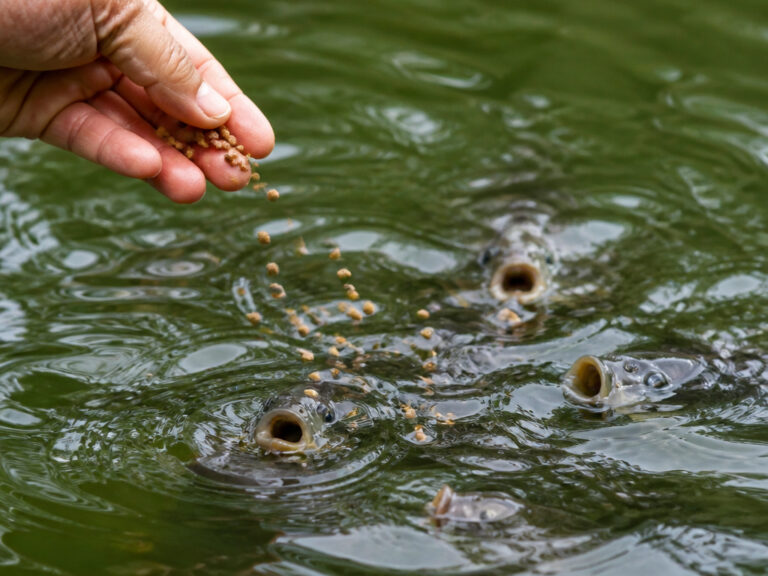
Floating pellets for fish: what buoyancy actually changes, which species need which feed, and where sinking wins. Read the panel, not the bag.
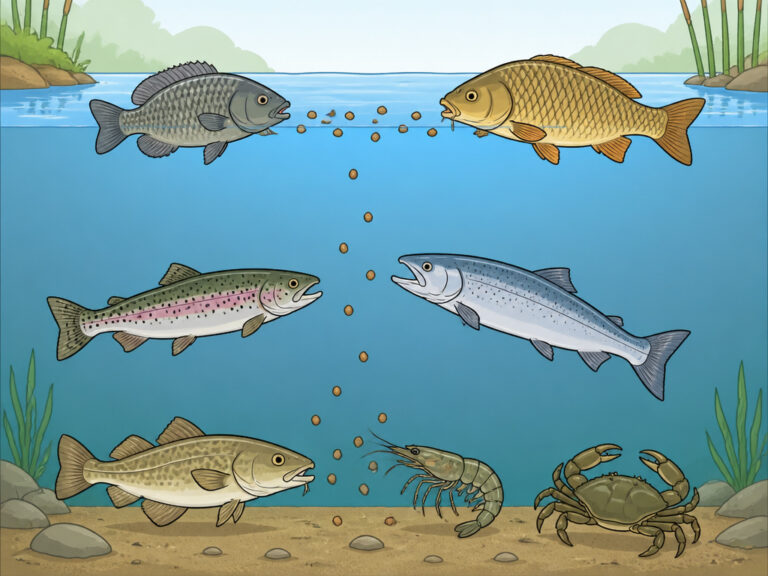
Sinking pellets for fish pros and cons, judged on density, durability and pond trial data, plus when floating feed wins and how to read the tub.
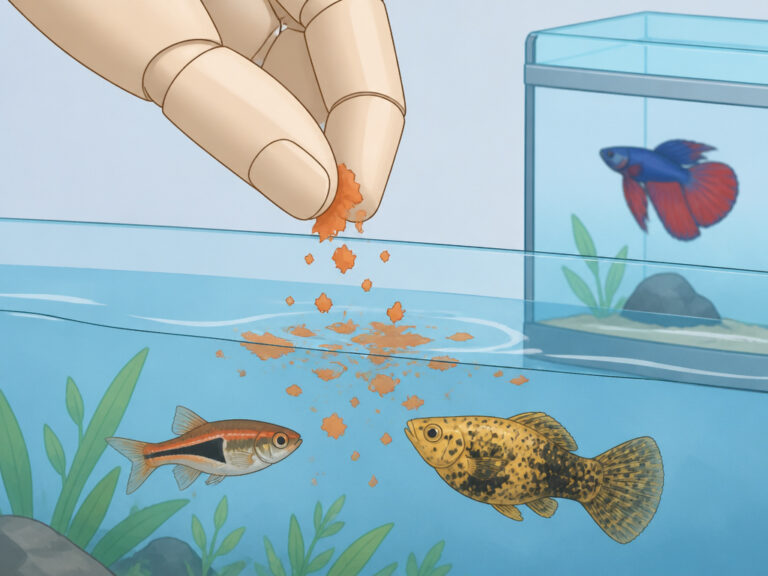
Fish flakes are cheap and easy, but the guaranteed analysis tells a different story. Here’s what the panel shows and when pellets beat flakes.