How to Read a Dog Food Feeding Chart: Cups to Calories
The bag chart is a starting estimate. Convert cups to calories, weigh the food in grams, and recheck body condition every two weeks to get the portion right.

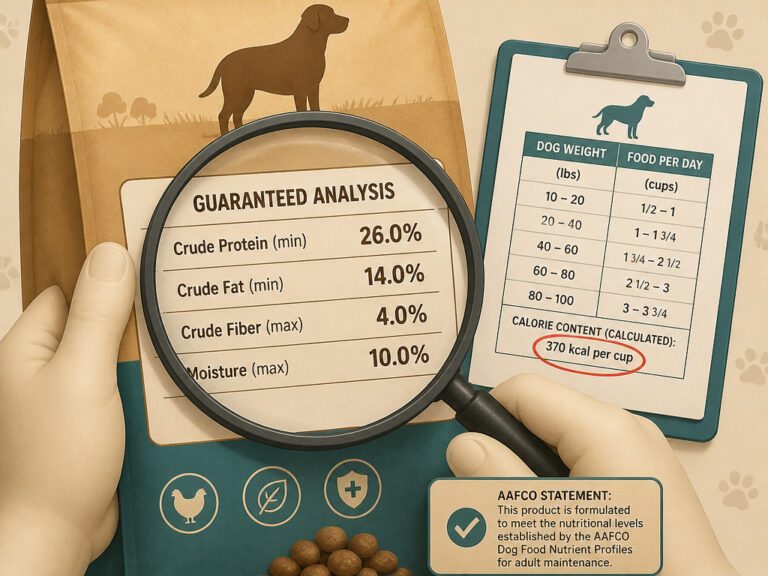
The bag chart is a starting estimate. Convert cups to calories, weigh the food in grams, and recheck body condition every two weeks to get the portion right.
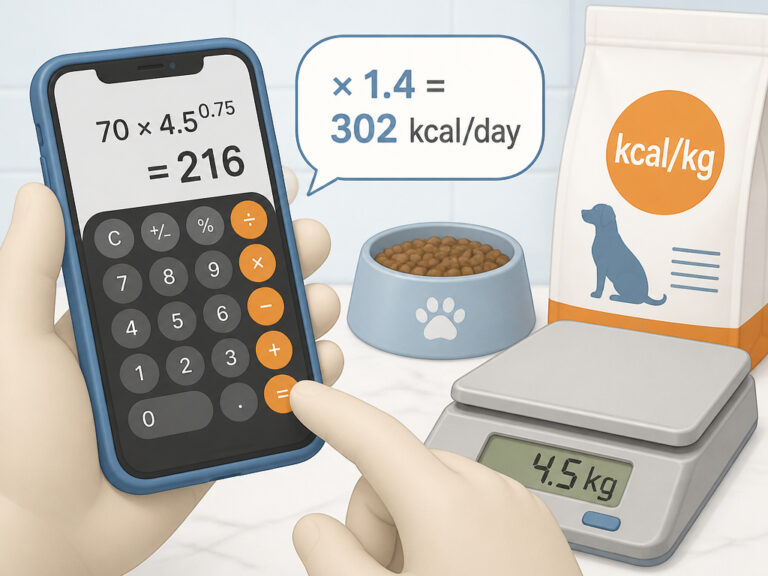
Learn how to calculate dog food calories using Modified Atwater factors, NFE by difference, and RER. Step-by-step math you can repeat on your own bag.
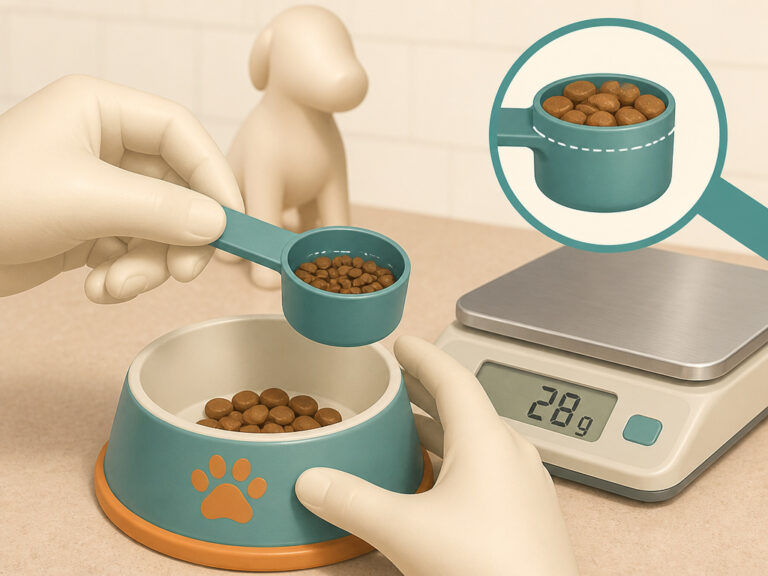
Cup measurements can overshoot by up to 152%. Here’s how to measure dog food portions in grams, handle treats, and keep the household consistent.
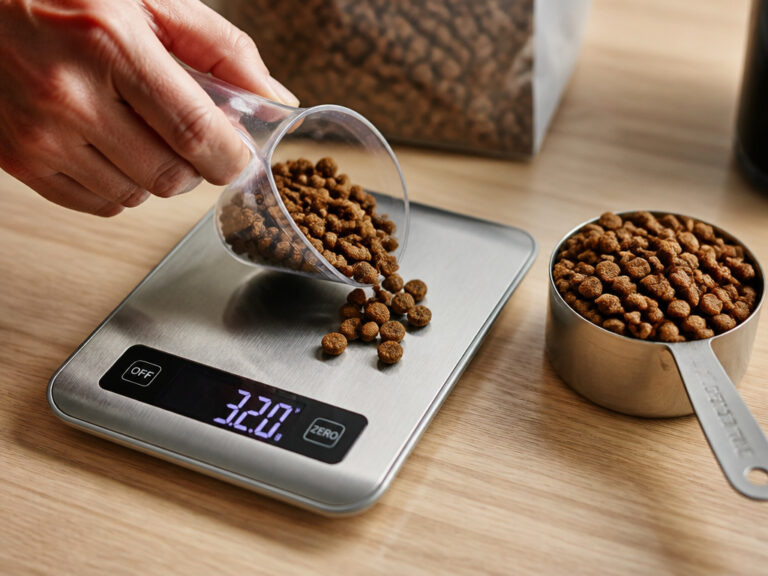
How much dog food to feed by weight starts with calories, not cups. Read the bag chart, run the resting-energy math, and weigh the bowl. Here’s how.
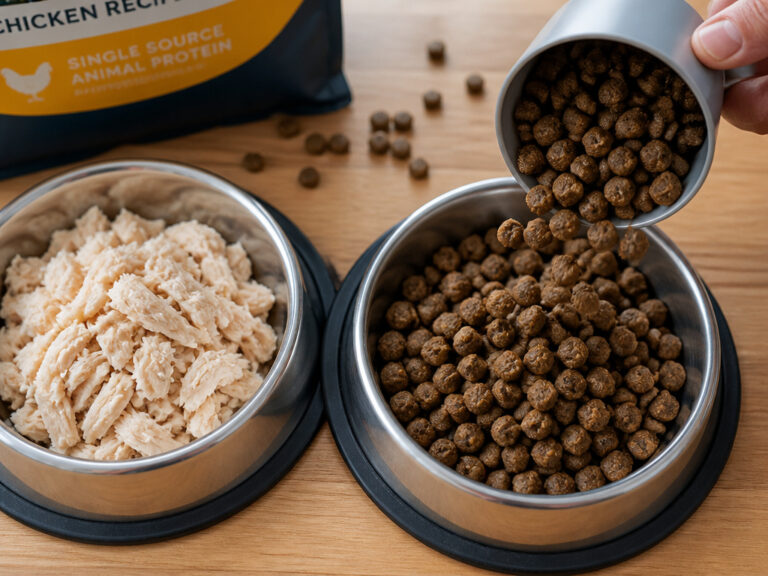
High-protein dog food pros and cons, backed by feeding trials: what 45.77% protein did to 30 beagles, why protein source matters, and when to skip it.
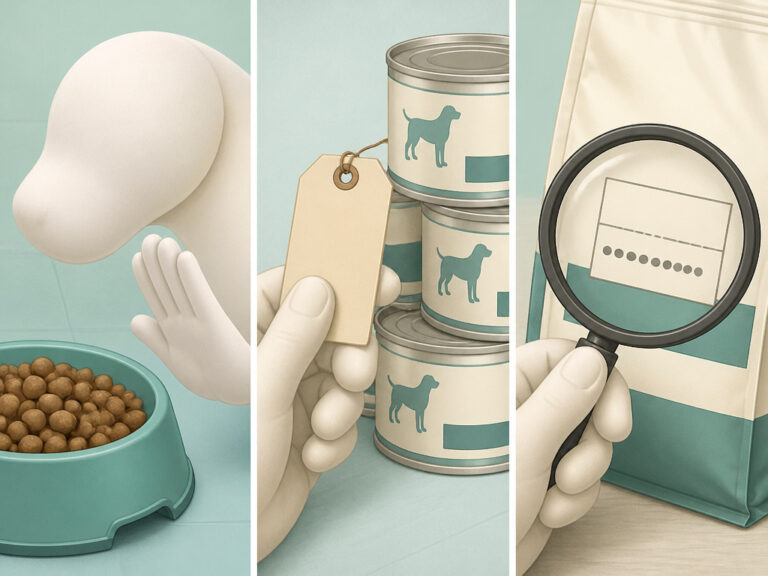
Prescription dog food pros and cons, read from the panel and the recall record: what therapeutic diets do, where they fall short, and when to switch.
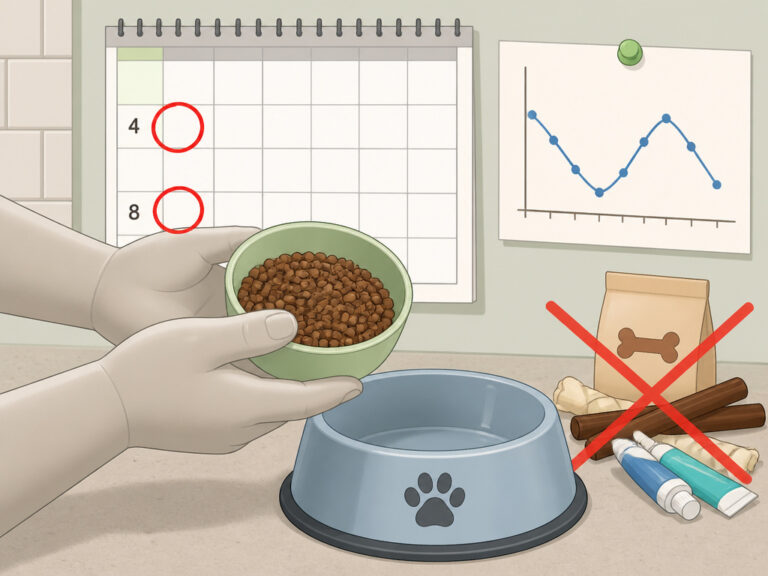
Hydrolyzed protein dog food pros and cons, weighed against the trials: what it fixes, what it misses, and why most diet trials need a full eight weeks.
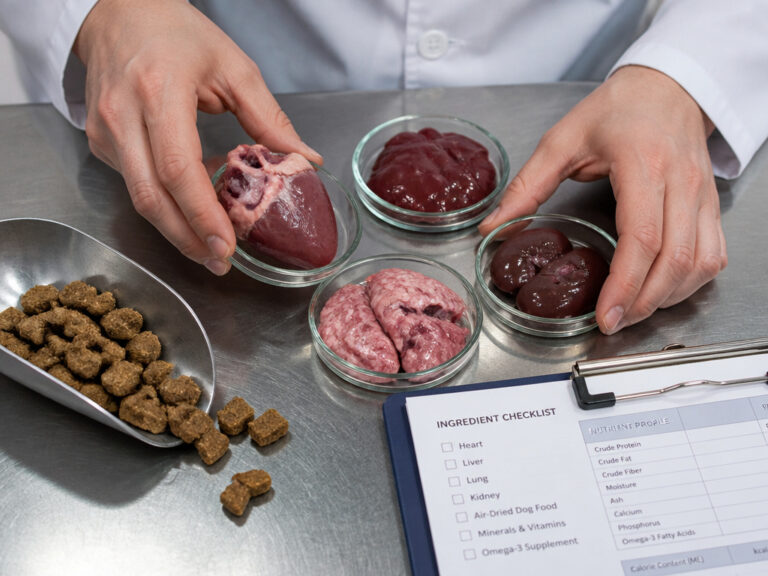
Limited ingredient dog food has real pros and loud cons: no agreed definition, widespread protein contamination, and a trial that runs 8 to 10 weeks.
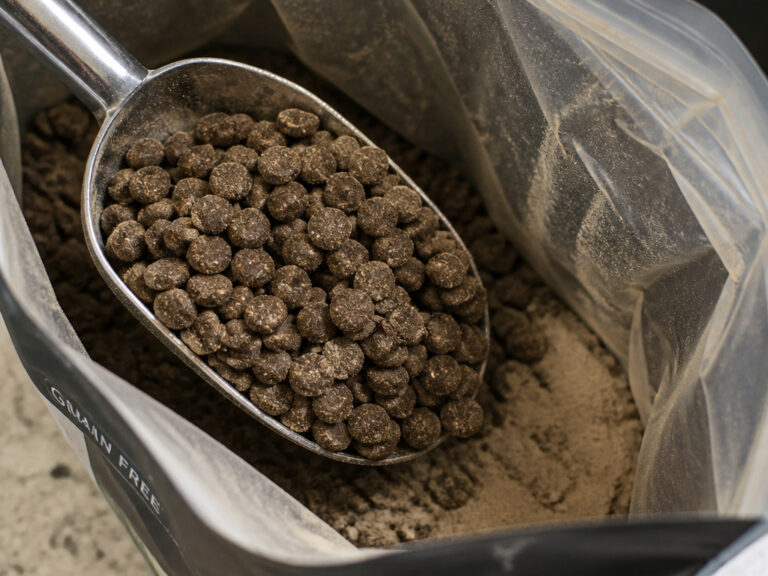
Grain-free dog food pros and cons, weighed against the FDA investigation, an 18-month trial, and the mycotoxin data. Here is what the evidence says.
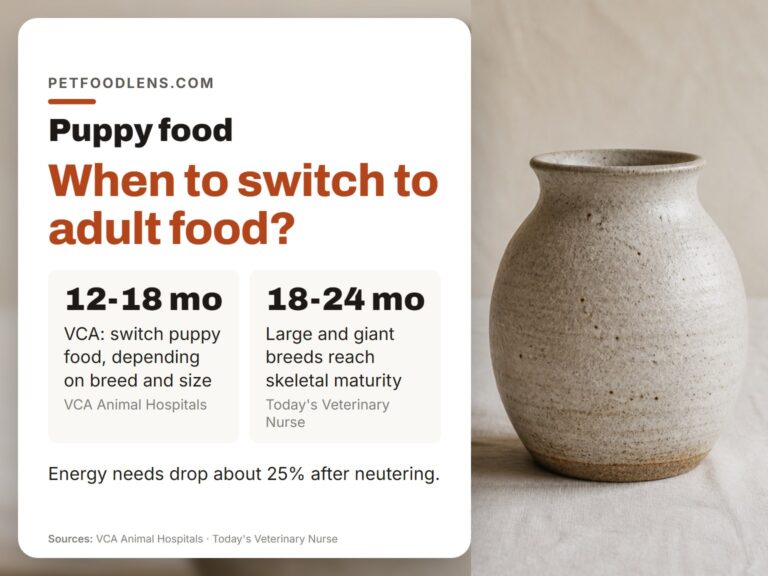
A label-first small breed puppy food guide: how many meals, when to switch to adult food, and how to read the AAFCO statement before you buy.