How to Report a Pet Food Illness: Step by Step
How to report a pet food illness through FDA: the fields to gather, the lot number to save, and who pays for testing. Step-by-step.

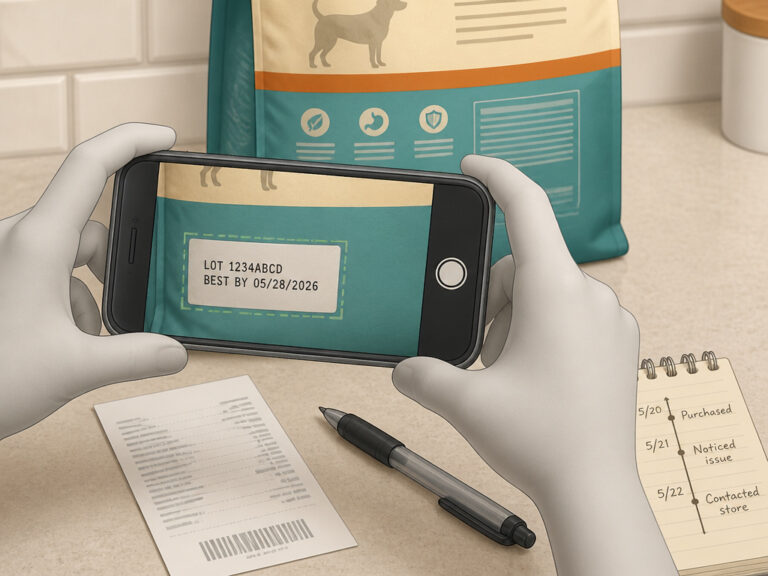
How to report a pet food illness through FDA: the fields to gather, the lot number to save, and who pays for testing. Step-by-step.
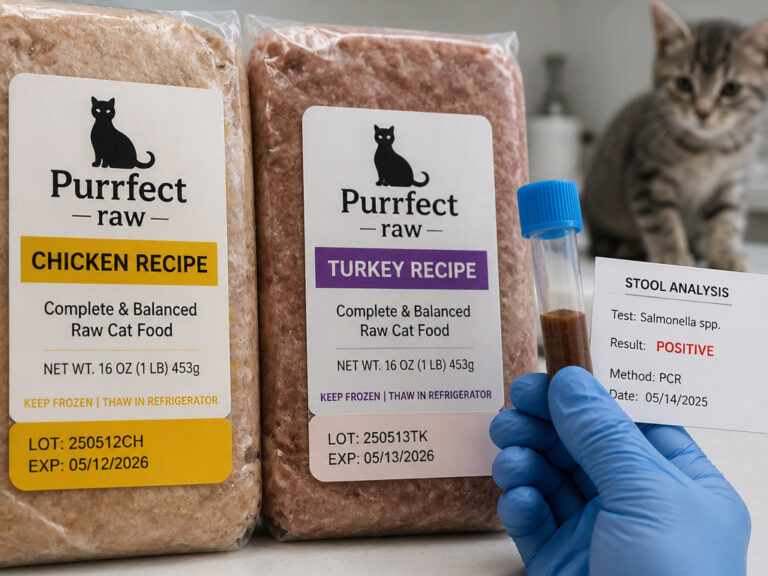
Raw cat food safety means knowing the three documented hazards, the two FDA notices behind them, and what freezing and freeze-drying don’t do.
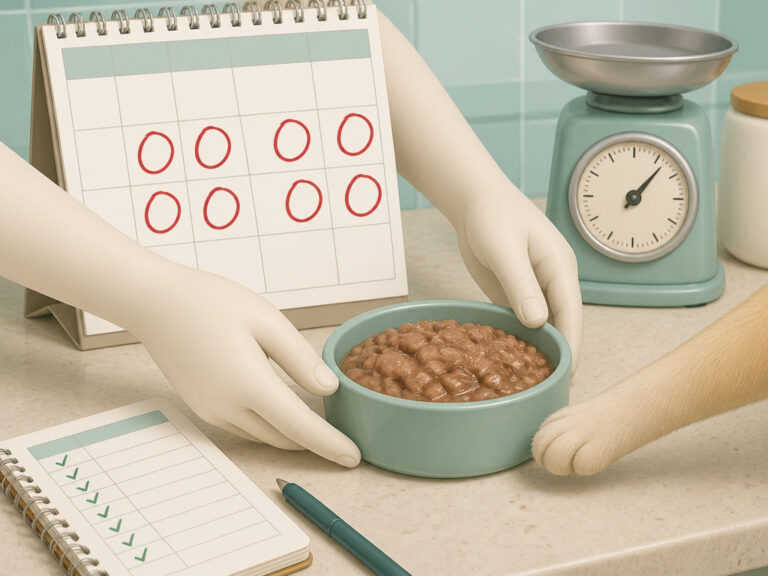
The most common food allergens in cats are beef, fish, and chicken, but rankings shift by study. Here is how to read the evidence and test your cat.
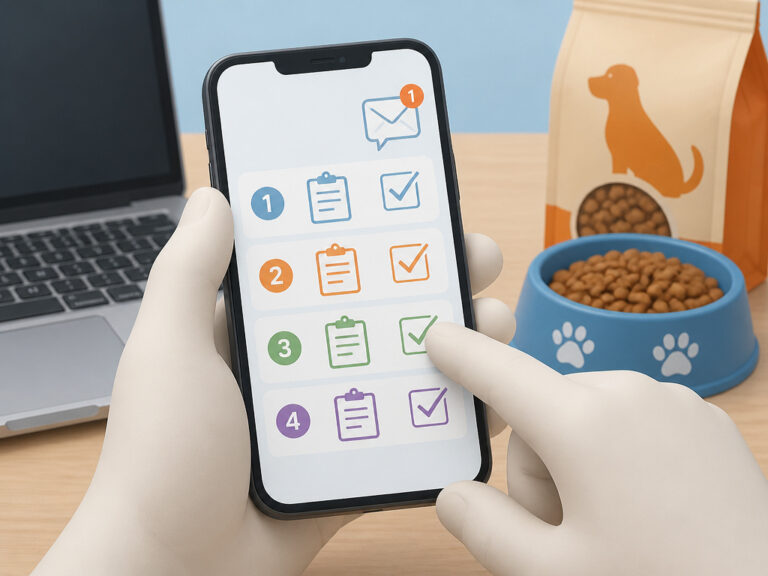
How to sign up for pet food recall alerts across FDA, CPSC and FSIS lists, where the sources disagree on speed, and the label habit that makes alerts work.
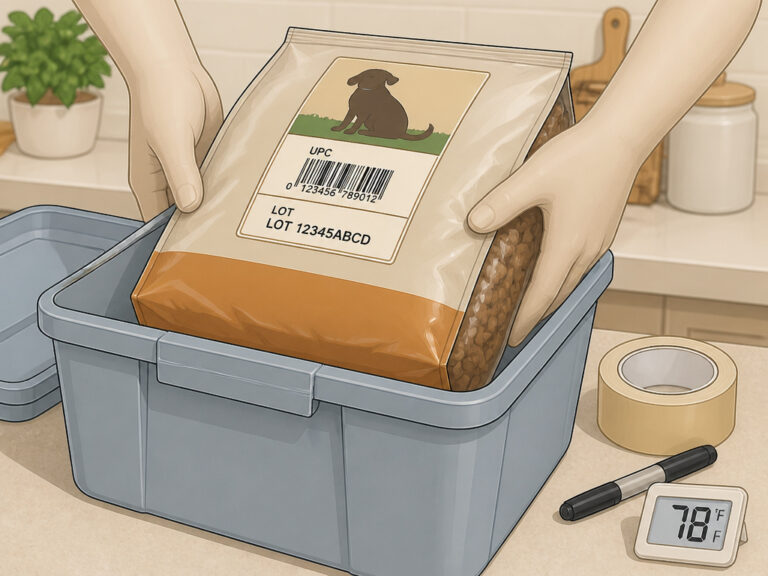
How to handle a pet food recall: stop feeding, keep the bag and lot number, report to FDA and the maker, and store food so the codes survive.
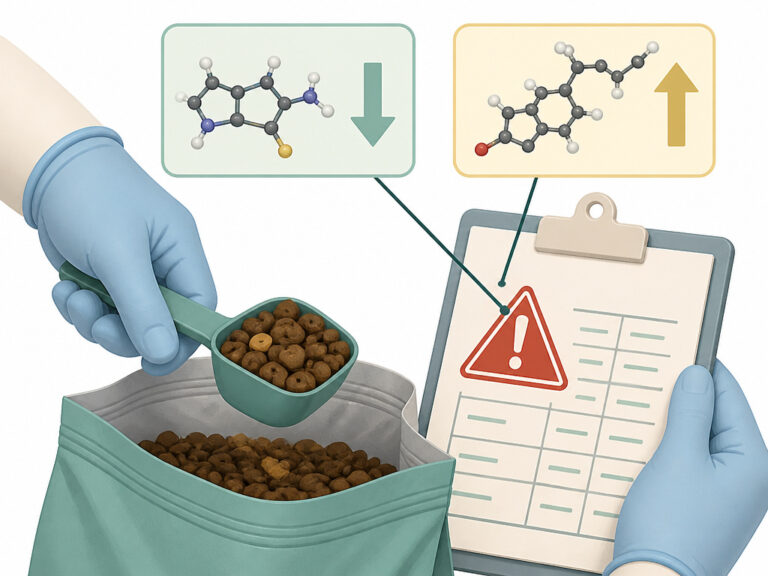
What causes pet food recalls comes down to pathogens, mold toxins, foreign material, and nutrient errors. Here’s what the recall data actually shows.
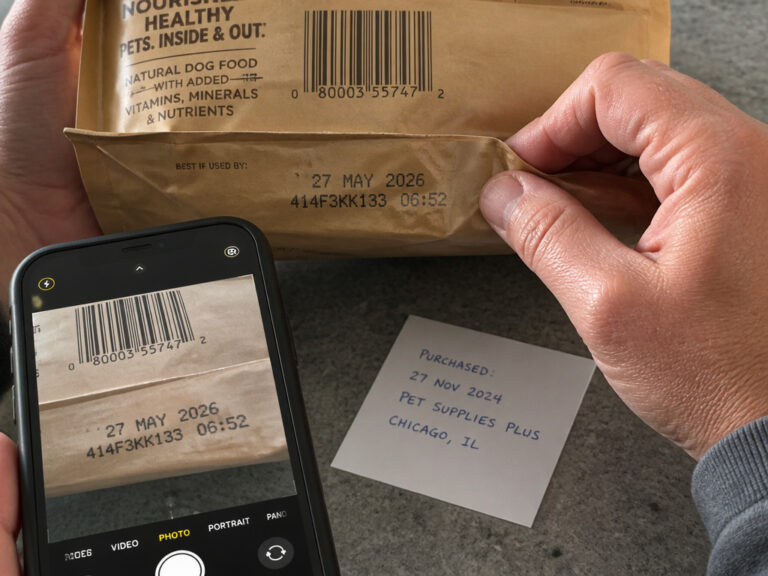
Check for pet food recalls on two separate FDA channels, then match your bag’s lot code to the notice. Save every code before you need it.
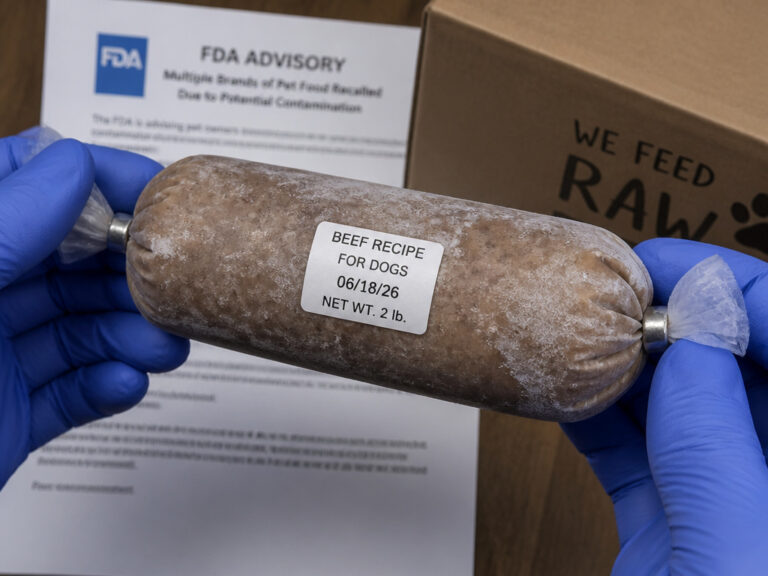
Pet food recalls run three routes, and only one lets the FDA order it. Here is how the code on your bag decides whether your pet’s food is in scope.
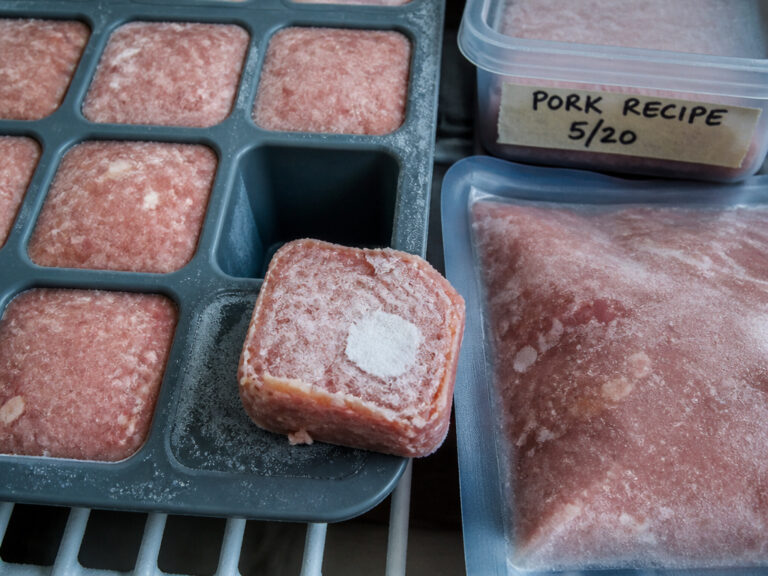
How to freeze raw dog food portions safely: portion sizes, containers, freezer timelines, and the thaw method the FDA and CDC don’t agree on.
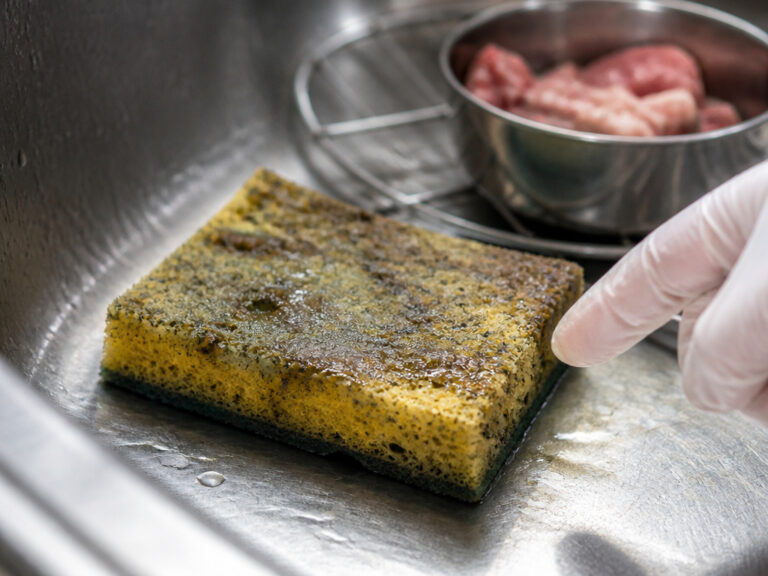
Scrub first, then bleach, and leave it wet for 10 minutes. Here is the dilution each agency publishes and the bowl study that changes the order.