Meat Meal vs Whole Meat in Pet Food: What Labels Hide
Meat meal vs whole meat in pet food: what the AAFCO definitions, moisture numbers, and peer-reviewed protein assays actually say, and how to read the bag.

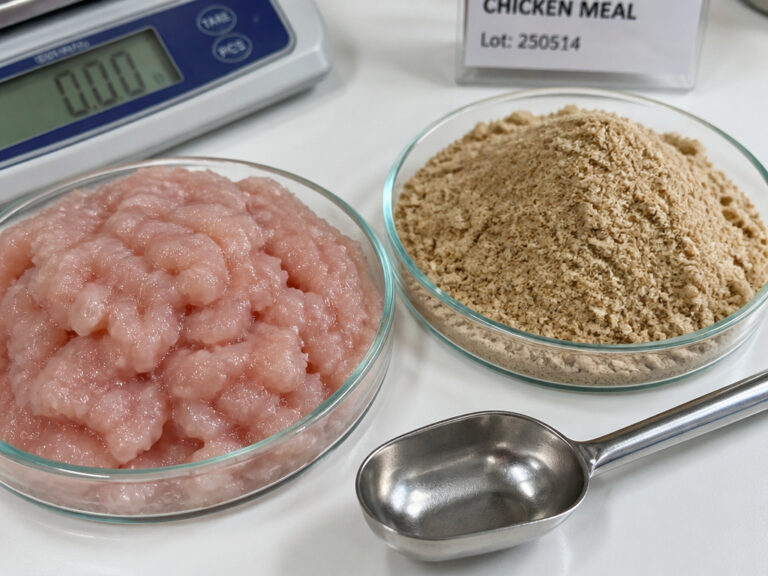
Meat meal vs whole meat in pet food: what the AAFCO definitions, moisture numbers, and peer-reviewed protein assays actually say, and how to read the bag.
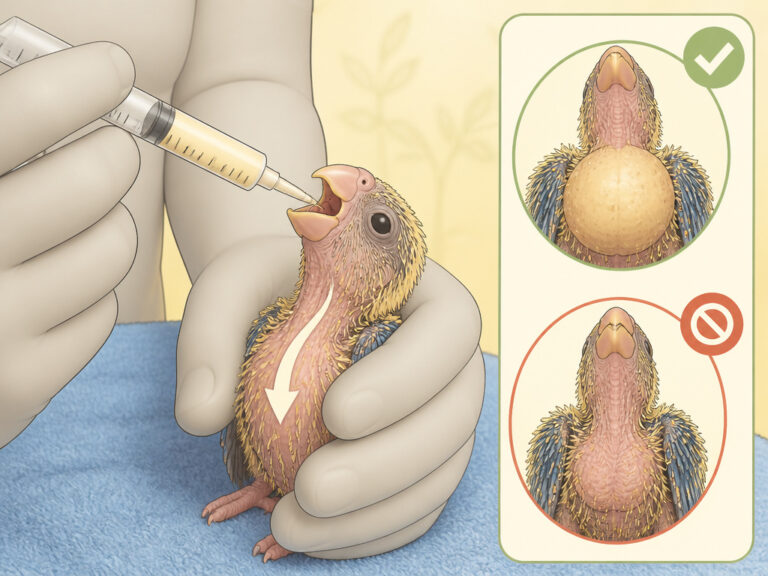
Learn how to hand-feed a baby bird: formula temperature, mixing ratios by age, feeding frequency, and the crop-emptying signs that mean call a vet.
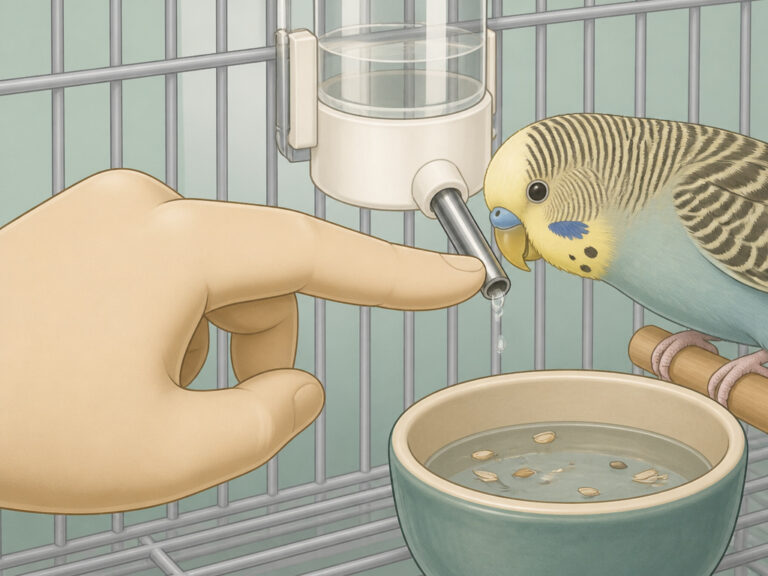
Measure dry food and water for the days you’re gone, book a mid-trip check, and skip fresh food. A blunt, source-checked plan for pet birds.
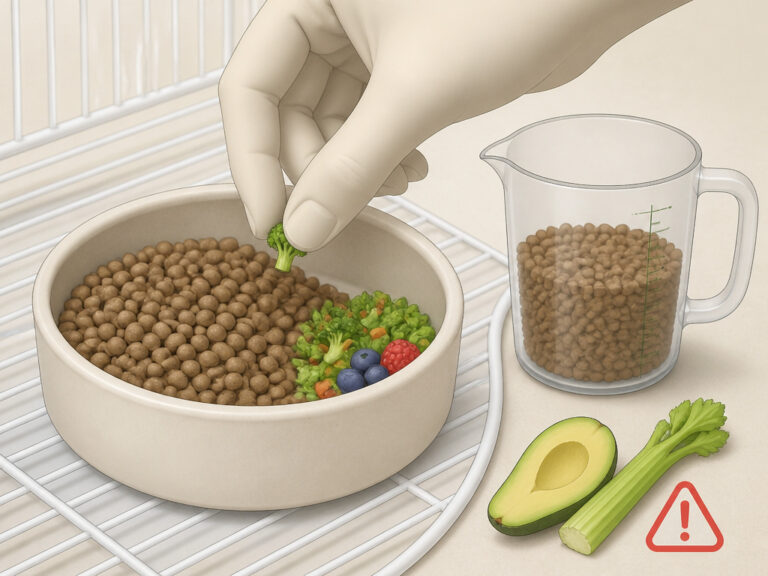
Work out how much to feed a pet bird from body weight, pellet share, and produce limits, plus what to do when the veterinary sources disagree.
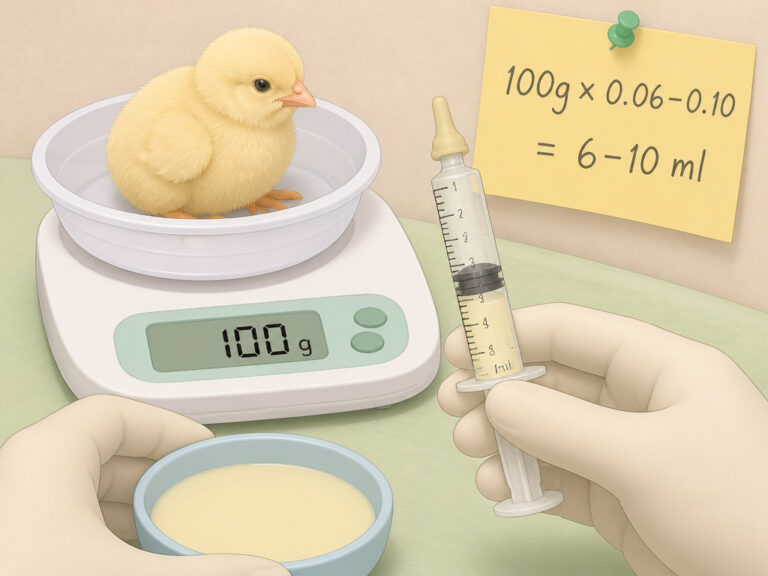
How often to feed pet birds depends on age. Adults need food available daily; chicks need feeds every 1-2 hours. See the schedules vets actually use.
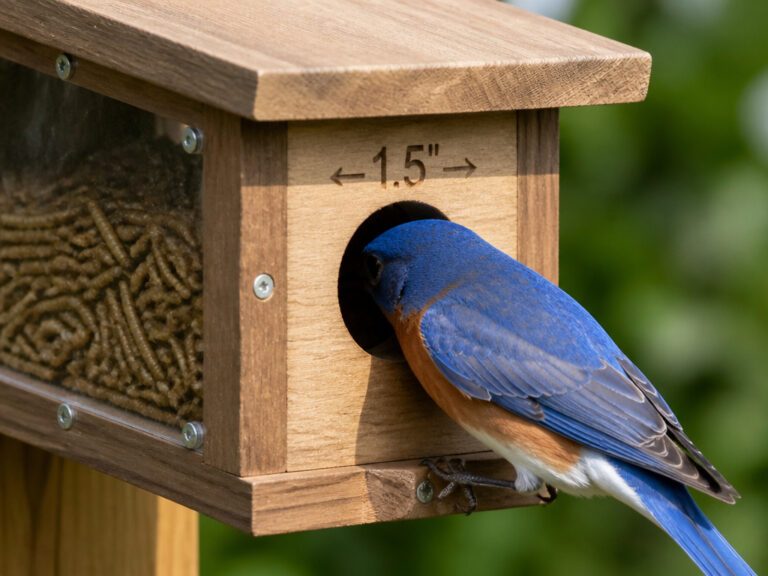
Feed dried mealworms to birds the right way: which feeder to use, how many a day, when to soak them, and why the sources disagree on ground feeding.
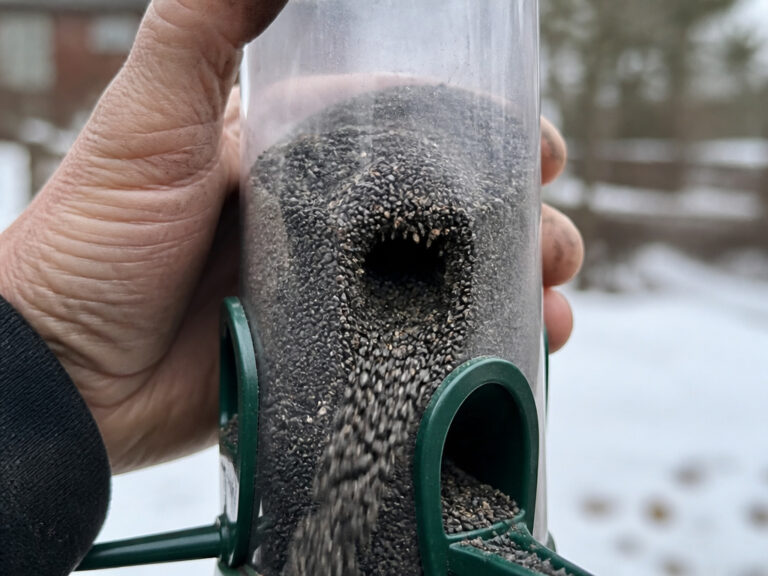
Nyjer feeders stop tiny seed blowing away, but port size and cleaning decide if they work. Here is what each format does well and where it fails.
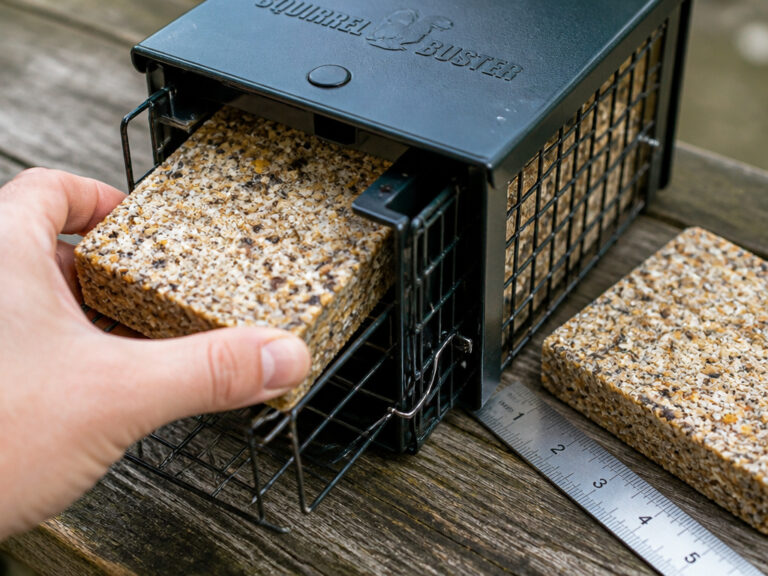
Suet feeder pros and cons, weighed honestly: what suet delivers, which designs work, and the squirrel-proof claims the labels leave out.
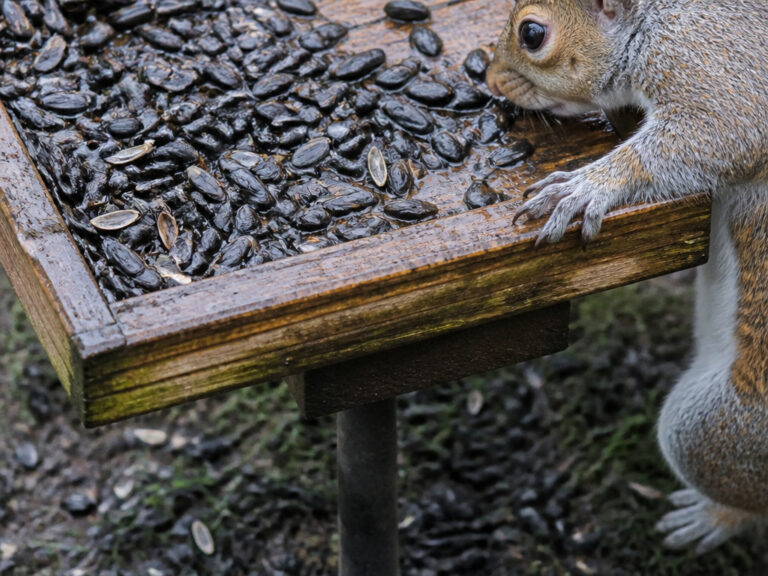
Platform feeders suit cardinals, doves, and juncos but spoil fast in rain. Here is what the open tray does well, where it fails, and how to run one.
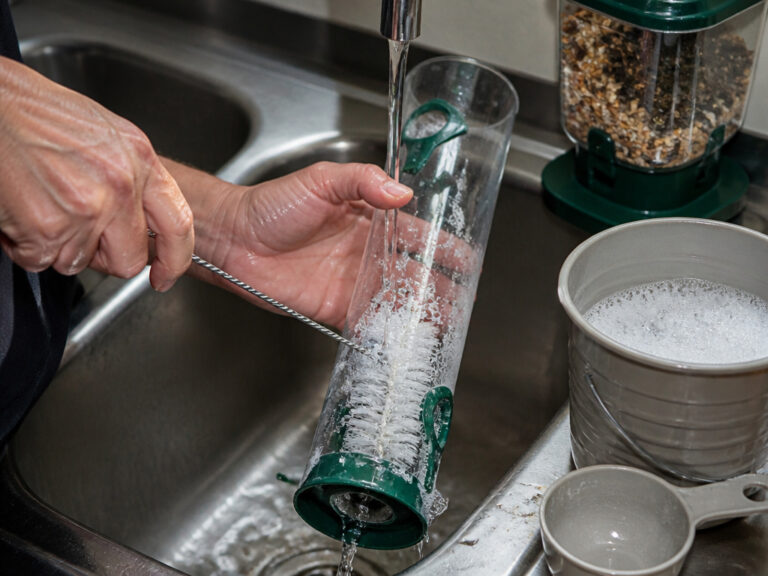
Tube feeder vs hopper feeder: compare the birds each serves, real seed capacity, cleaning difficulty, and squirrel resistance before you hang one.