How to Choose a Bird Food Format: Pellets vs Seed
How to choose a bird food format: compare pellets, seed mix, and fresh food on the label, spot dyed seed, and switch diets without a hunger strike.

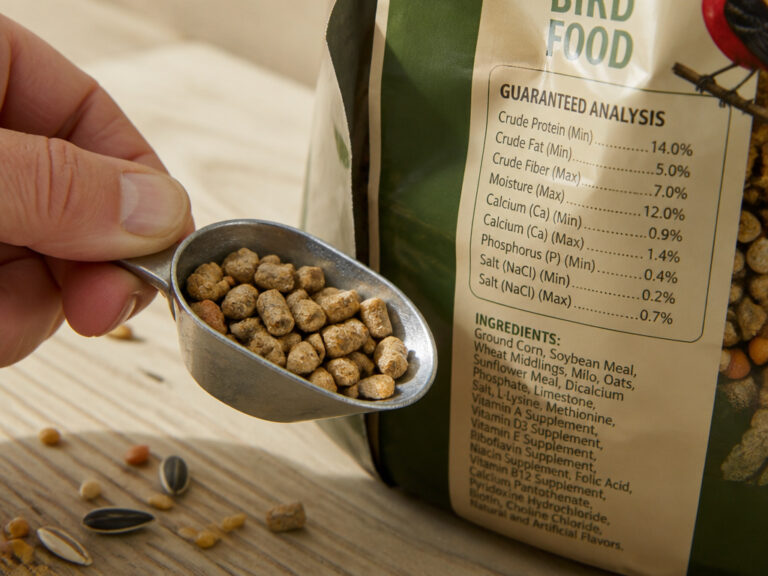
How to choose a bird food format: compare pellets, seed mix, and fresh food on the label, spot dyed seed, and switch diets without a hunger strike.
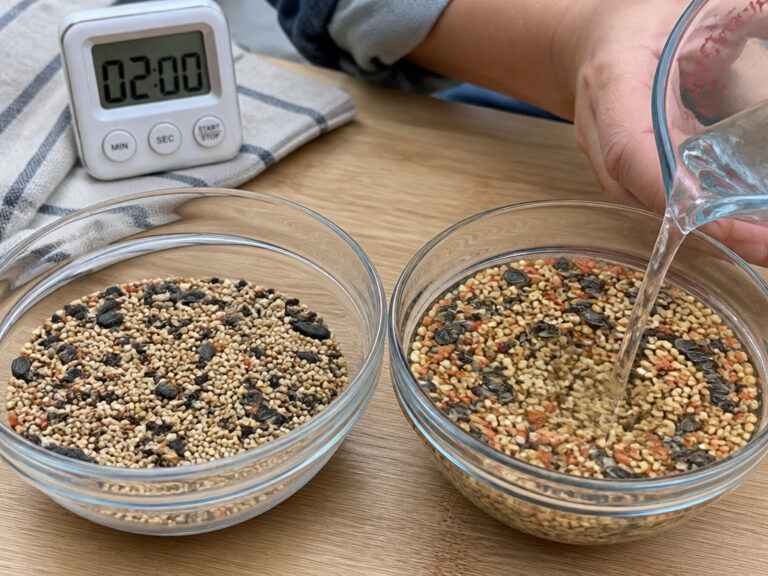
Sprouted seed vs dry seed for birds: what actually changes, the soak-and-rinse numbers behind it, and how to judge which belongs in your bird’s bowl.
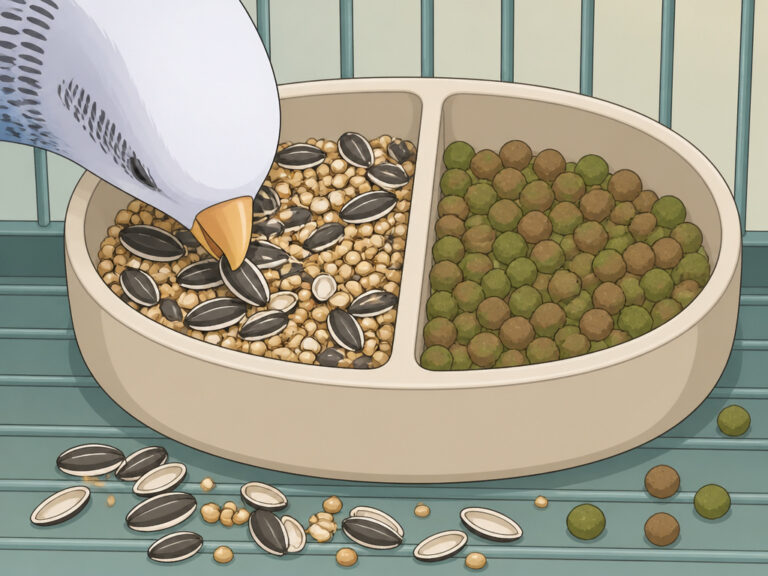
Pelleted bird food pros and cons, read from the panel up: what pellets fix, what they miss, and where the veterinary sources disagree with each other.
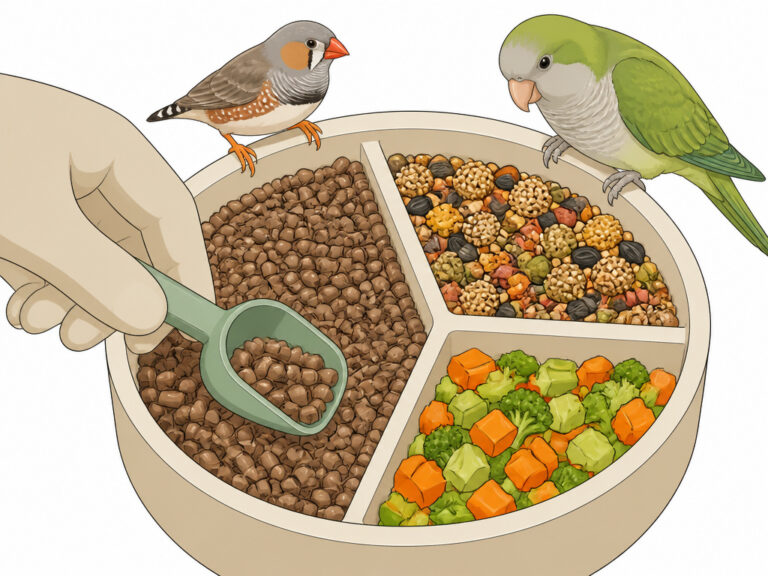
Compare pellets vs seed mix for birds using measured intake data and published pellet ratios, then convert with a gram scale. Start your switch today.
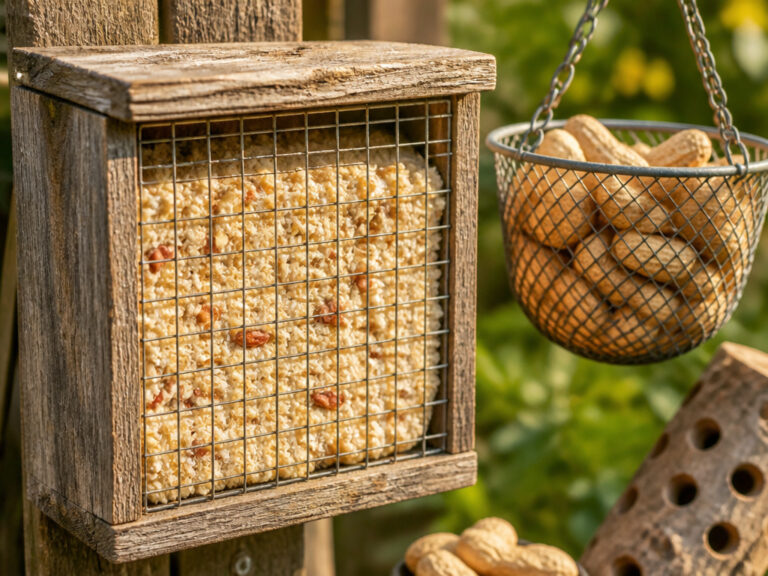
The main types of bird food break into six groups: seed, suet, nectar, fruit, insects, and pellets. See what each one delivers and what to leave off the menu.
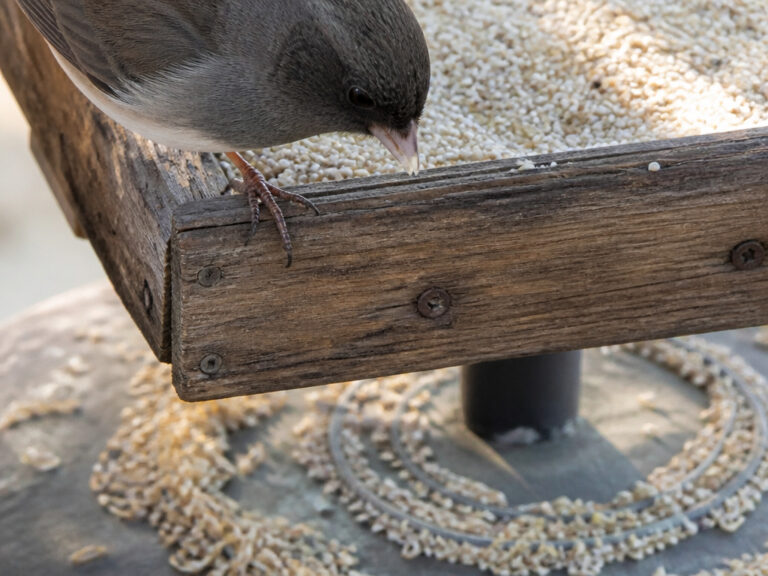
A millet for birds guide built on Cornell and FAO data: why white proso beats red, where millet belongs on the feeder, and how to sprout it safely.
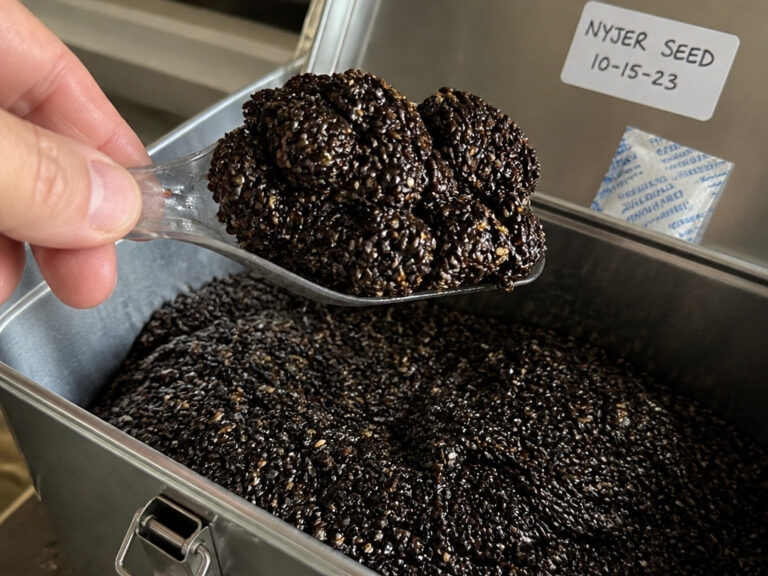
Nyjer seed for birds explained: what’s actually in the bag, how the USDA treats it, which feeders work, and the storage numbers that keep it fresh.
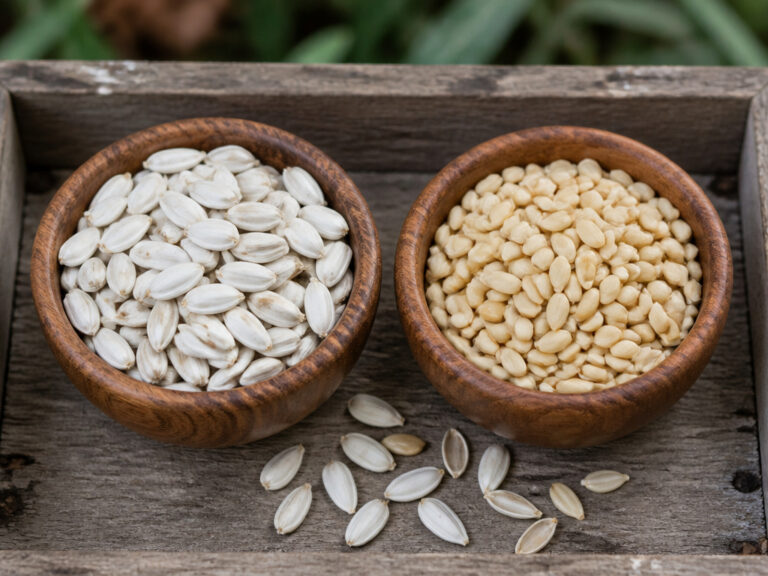
Safflower seeds for birds, weighed honestly: which species eat them, what they do about squirrels and starlings, and how to serve them so cardinals find them.
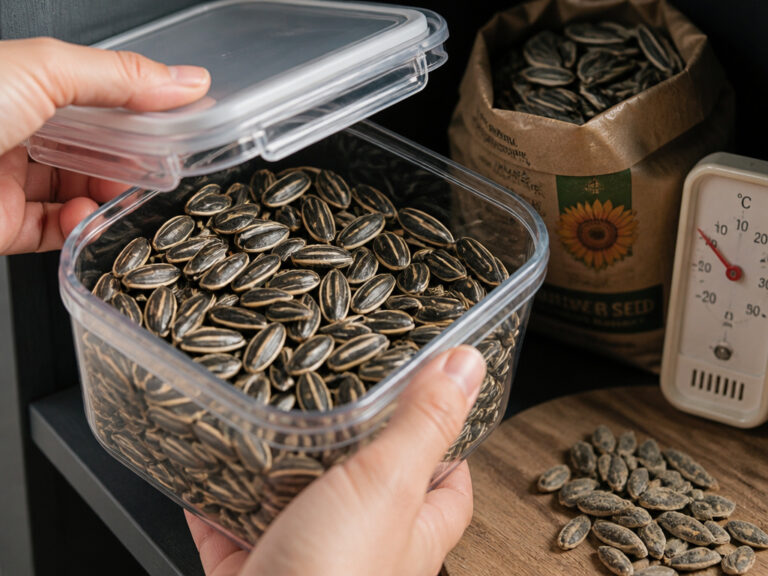
Sunflower seeds for birds bring high fat and thin shells, plus mess, squirrels, and rancidity risk. Here’s what the research says before you fill the feeder.
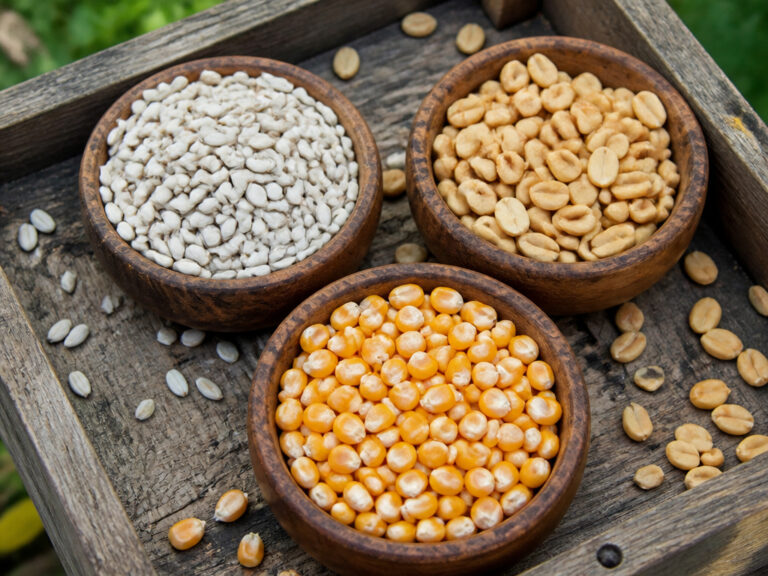
Types of bird seed, ranked by what birds actually eat: black oil sunflower, white proso millet, nyjer, safflower, and the filler grains worth skipping.