Prey Model Raw Diet Explained: Ratios vs Formulation
The prey model raw diet explained with the actual 75/10/5/5 split, the FDA sampling numbers, and where peer-reviewed sources disagree on risk.

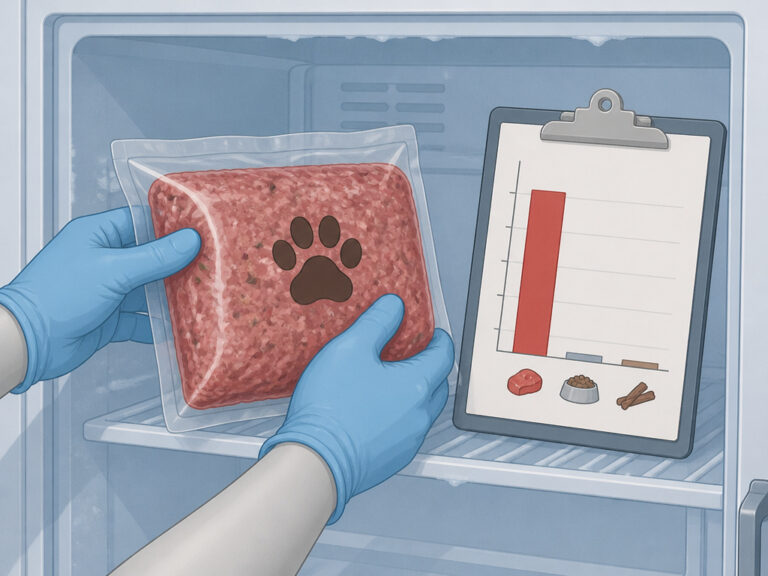
The prey model raw diet explained with the actual 75/10/5/5 split, the FDA sampling numbers, and where peer-reviewed sources disagree on risk.
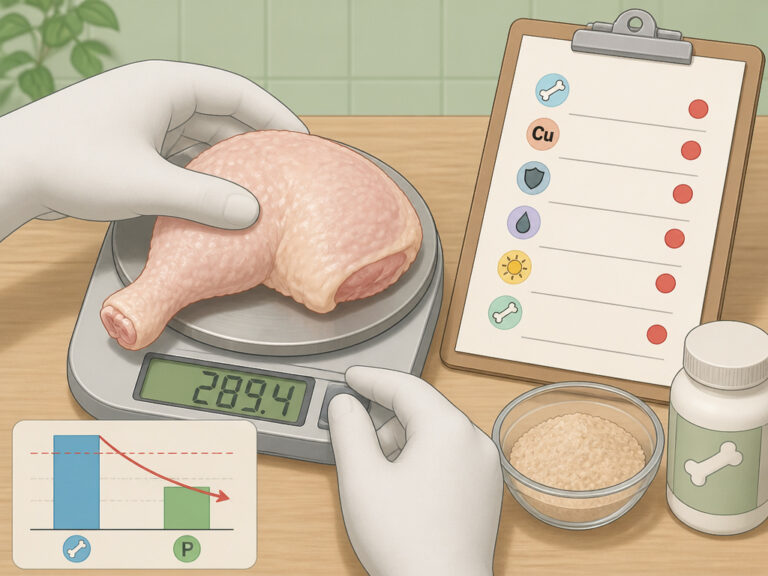
The BARF diet for dogs explained with what the actual research shows: real nutrient gaps, pathogen data, and the safe-handling rules vets publish.
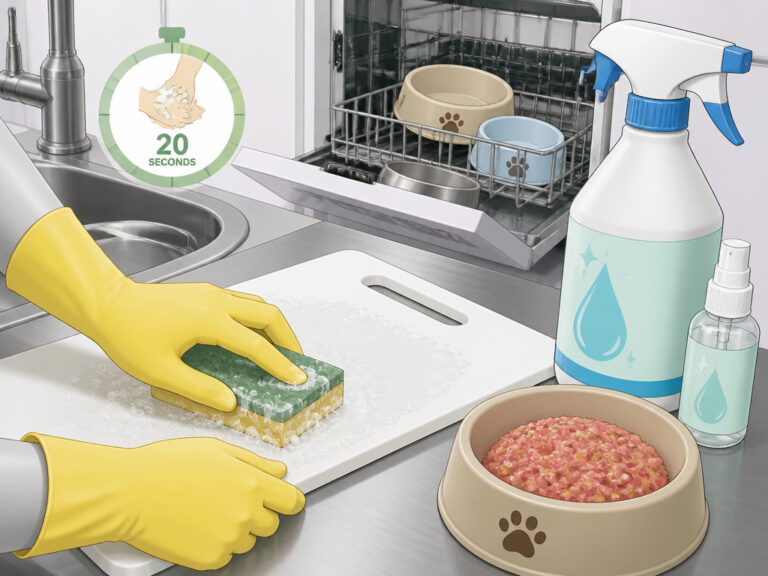
A raw feeding guide for beginners built on FDA, CDC and AAHA data: pathogen rates, safe handling steps, and where the agencies disagree.
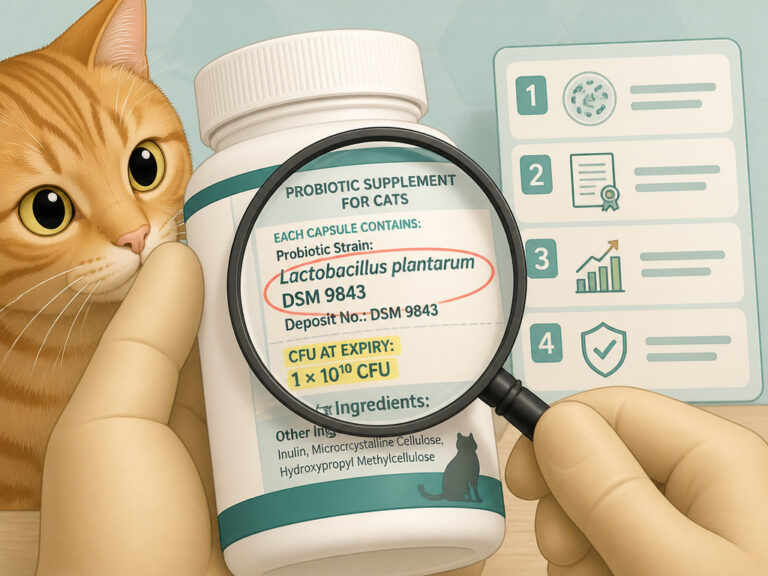
Probiotics for dogs pros and cons, weighed against the trials: which products have evidence, which claims don’t hold, and when to call the vet instead.
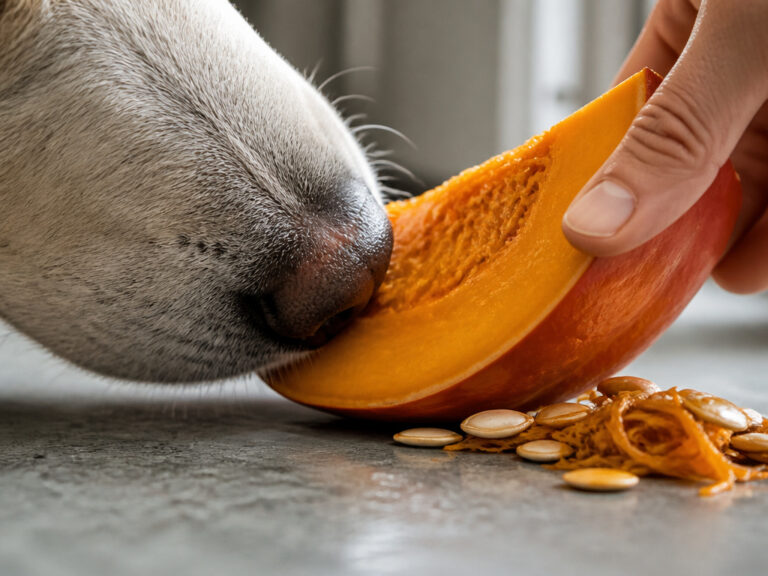
Pumpkin for dogs pros and cons, checked against Tufts, Texas A&M, and AKC guidance: safe forms, real doses, and the risks most owners miss.
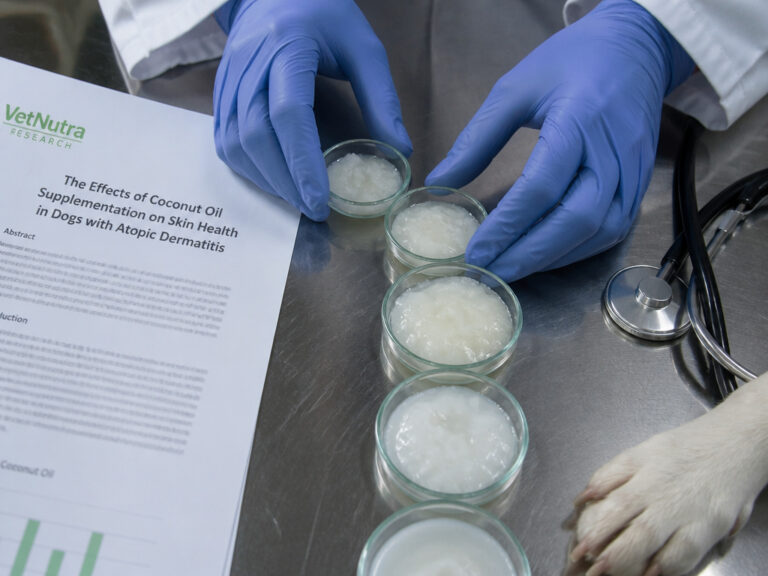
The pros of coconut oil for dogs are narrow and mostly topical. The cons: 120 calories a tablespoon, diarrhea, and pancreatitis risk. What evidence shows.
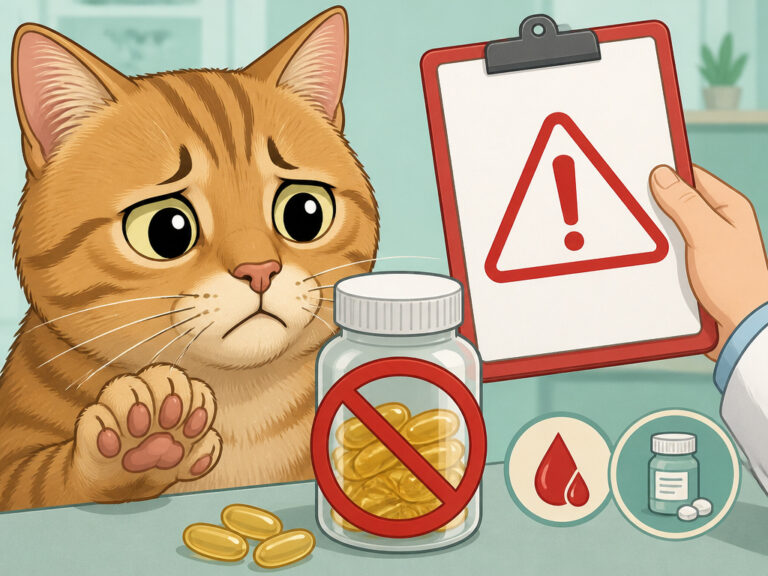
Fish oil for cats dosage guide: 65 to 120 mg/kg of combined EPA and DHA daily, by condition. Label math, the research, and which cats should skip it.
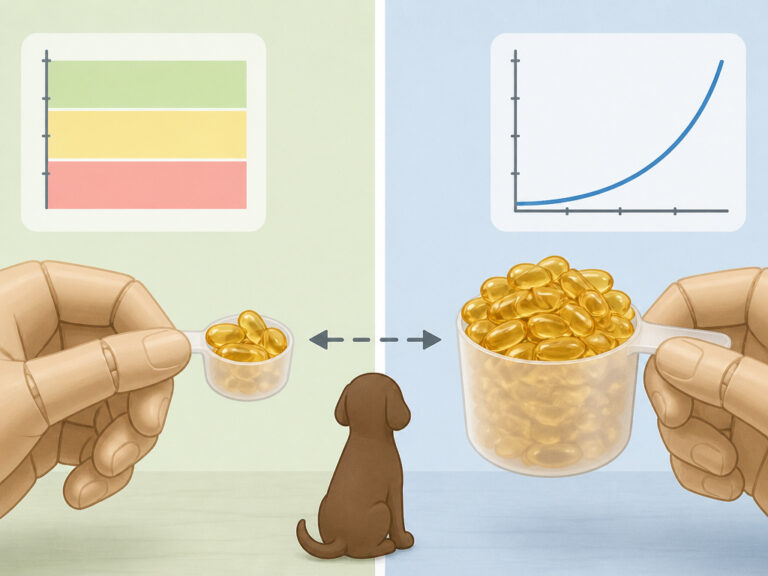
Fish oil for dogs dosage guide: dose on combined EPA and DHA, not capsule weight. Condition-specific targets from veterinary sources and where they disagree.
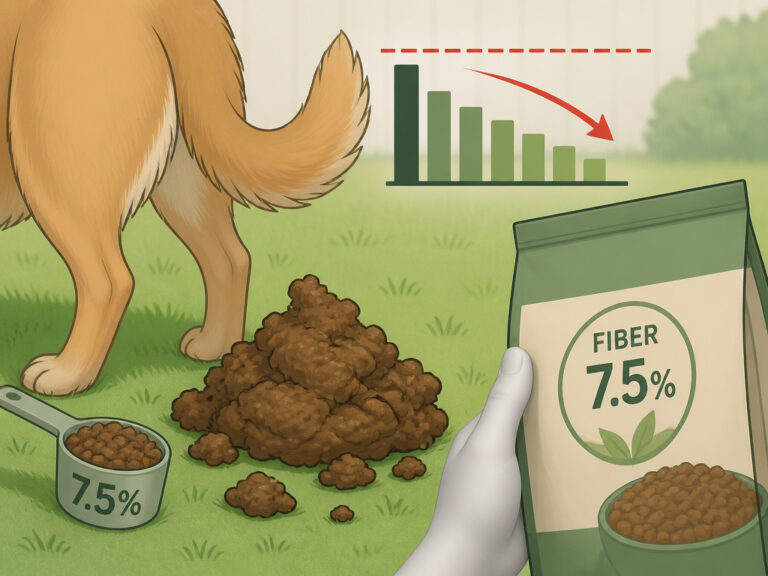
AAFCO sets no minimum fiber requirement for dogs. The label shows a maximum crude fiber figure that understates true fiber. Here is how to read it.
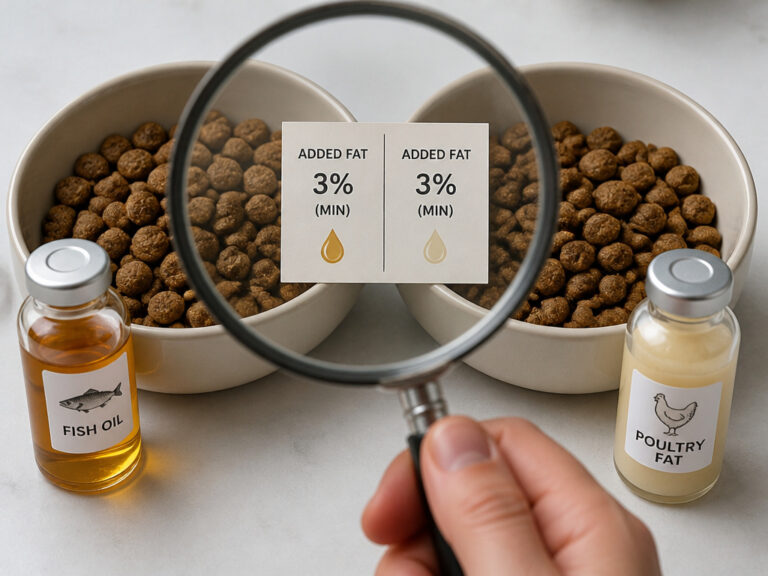
Cats need about 9% fat on a dry-matter basis. Here is how to read the guaranteed analysis, spot the real fat source, and pick a level that fits your cat.