Grains in Pet Food Pros and Cons: What Labels Hide
Grains in pet food pros and cons, checked against the FDA investigation, two cardiac trials and a mycotoxin survey. What the label math actually shows.

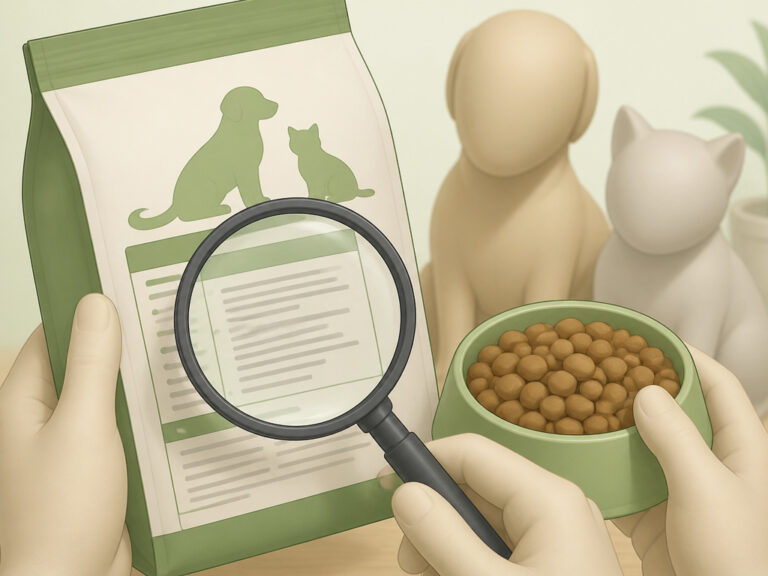
Grains in pet food pros and cons, checked against the FDA investigation, two cardiac trials and a mycotoxin survey. What the label math actually shows.
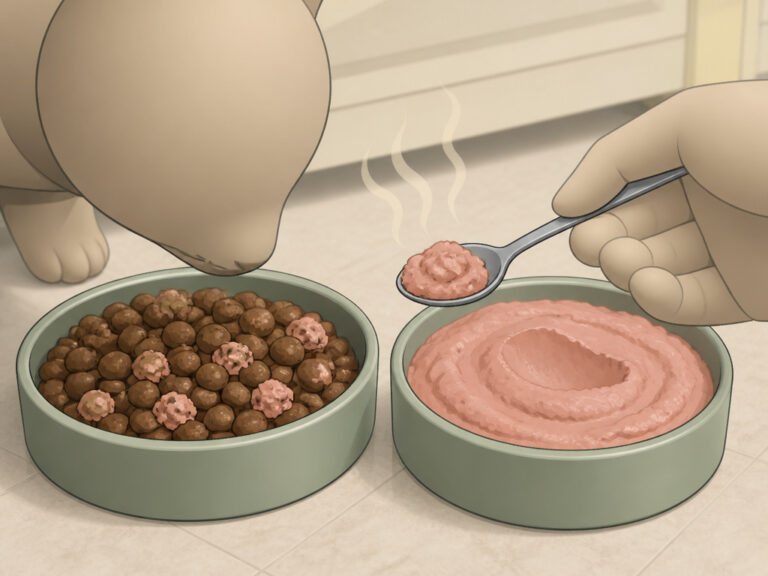
How to transition a cat from dry to wet food without a hunger strike: the fat-adjusted schedule, the refusal playbook, and the vet red lines that matter.
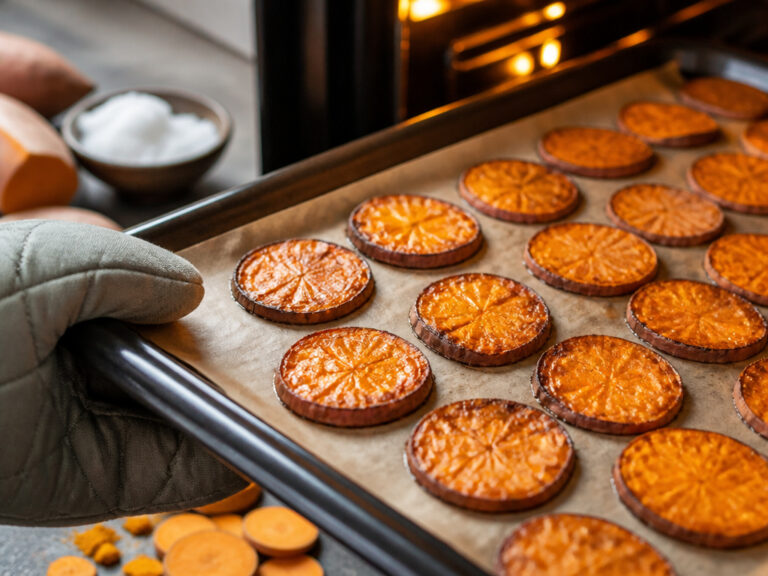
Slice at 1/4 inch, then dry at 250°F in the oven for 2.5 to 3 hours or 120°F to 130°F in a dehydrator for 8 to 12 hours. Storage rules included.
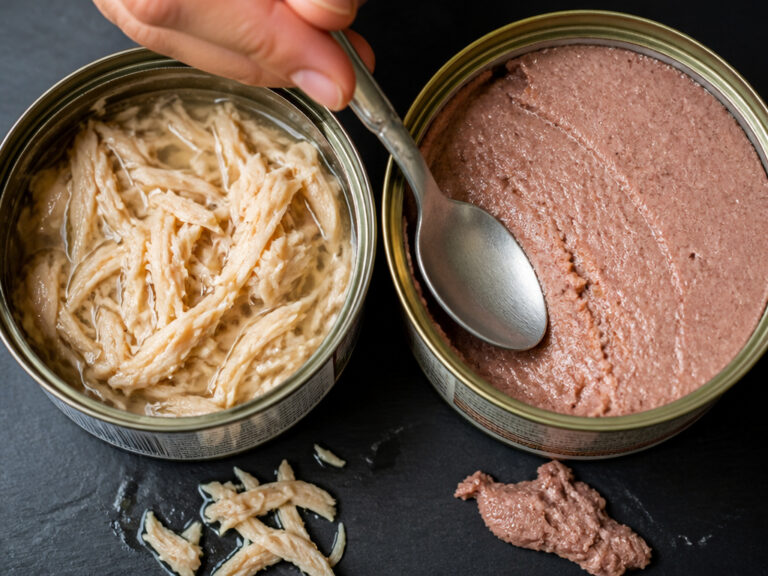
Shredded vs pate cat food comes down to the panel, not the texture. Here’s how to read moisture, protein, and organ content before you buy a case.
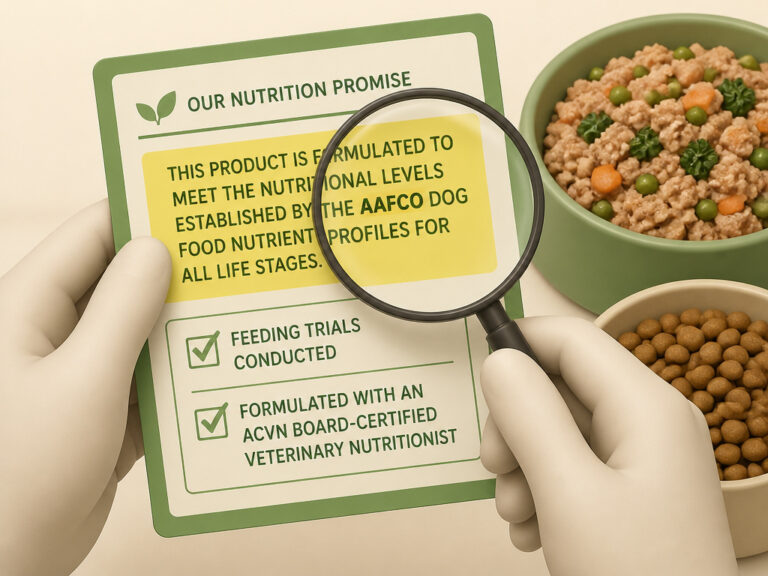
Fresh dog food pros and cons, weighed against feeding-trial data: digestibility, AAFCO completeness, cold-chain costs, and which dogs should stay on kibble.
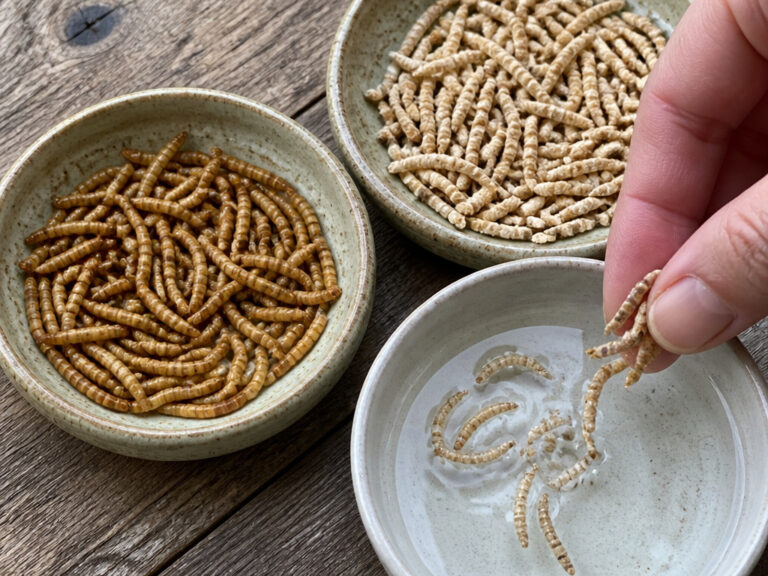
Mealworms for birds work year-round in small amounts, cleared by dusk. What the RSPB, BTO and bluebird societies actually publish on quantity and timing.
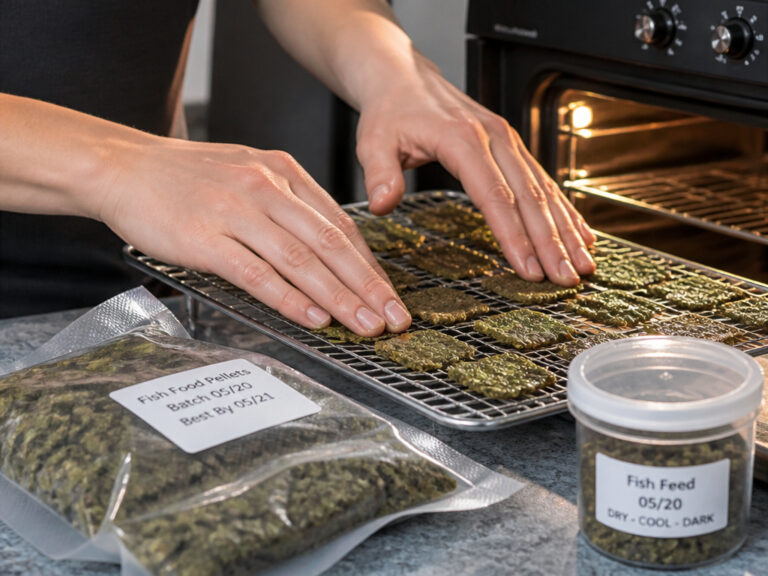
A homemade fish food guide with the numbers that matter: 0.4-0.6 mm grind, 45-55% moisture, dry below 60°C. Plus storage limits that stop mold.
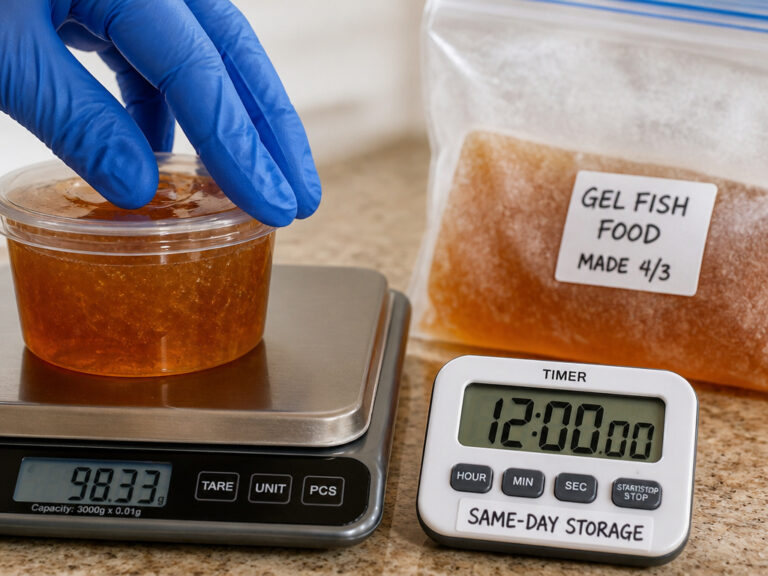
Gel food for fish holds together in water and lets you control the recipe, but the studies disagree on growth. Here is what actually decides it.
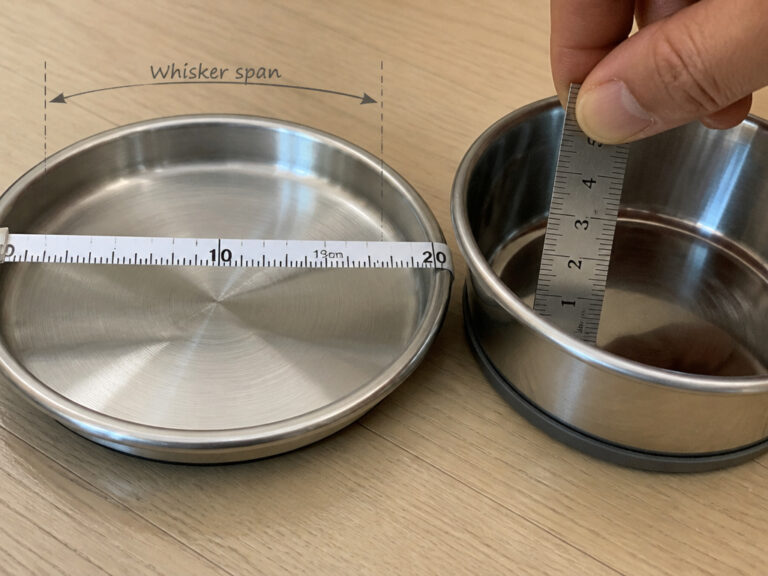
How to choose a cat bowl for whisker fatigue: measure depth and diameter, pick the right material, and know what the 40-cat trial did and did not find.
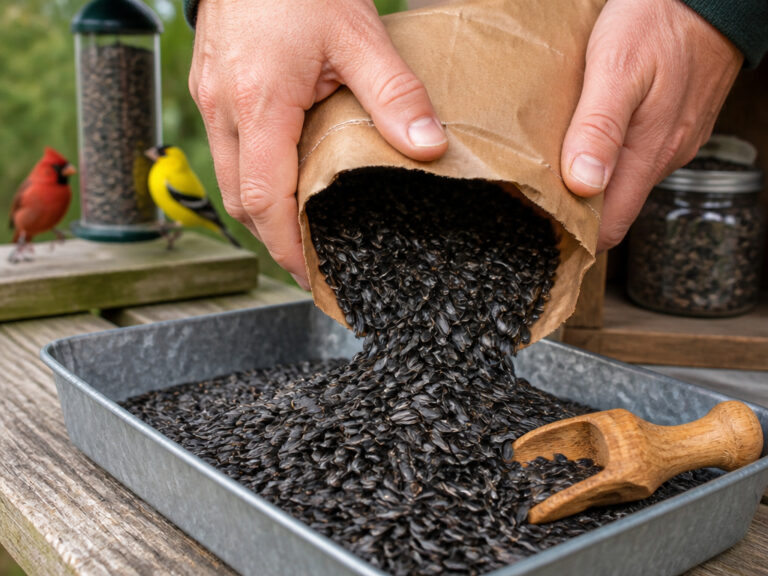
Set up a bird feeding station correctly: 30 cm stake depth, 6-foot tray height, baffle geometry, seed choice, and a cleaning routine that prevents disease.