Large Breed Puppy Food Pros and Cons: What Labels Hide
Large breed puppy food pros and cons read from the label: lower calcium, fewer calories, what the AAFCO statement hides, and when to switch.

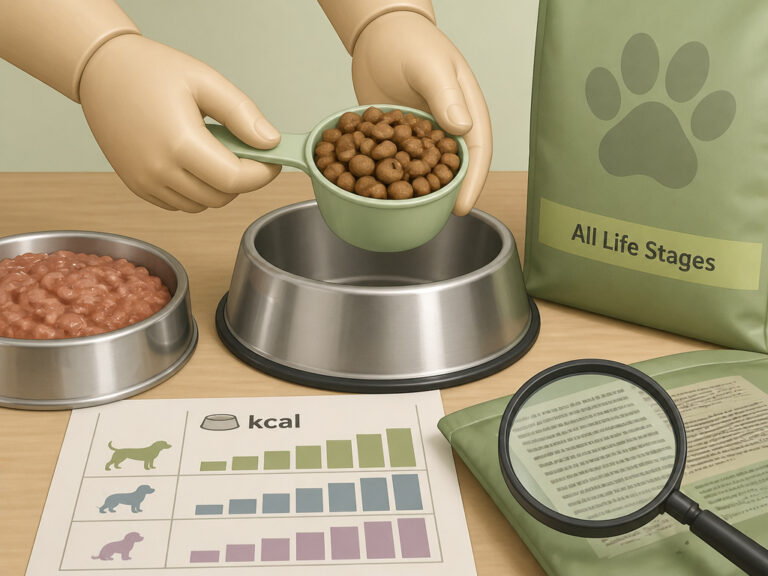
Large breed puppy food pros and cons read from the label: lower calcium, fewer calories, what the AAFCO statement hides, and when to switch.
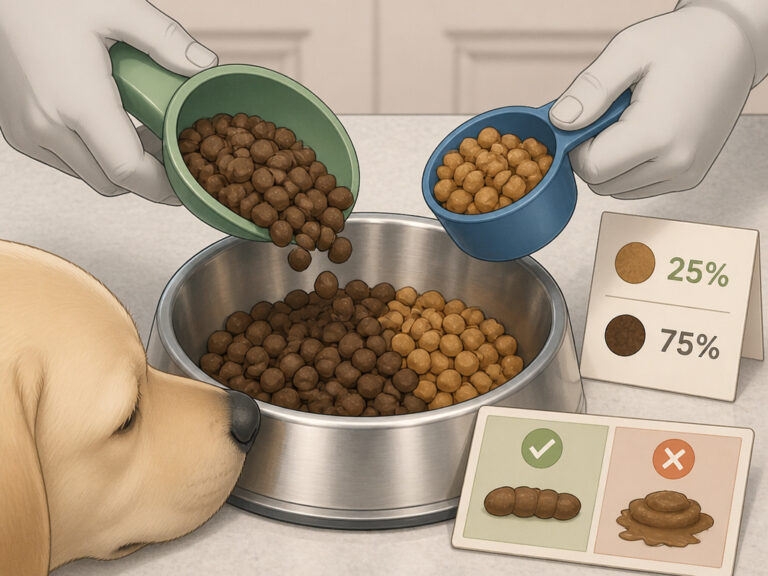
Most puppies switch to adult dog food at about 80% of adult size. Here’s the size-by-size timeline, the source disagreements, and a safe transition plan.
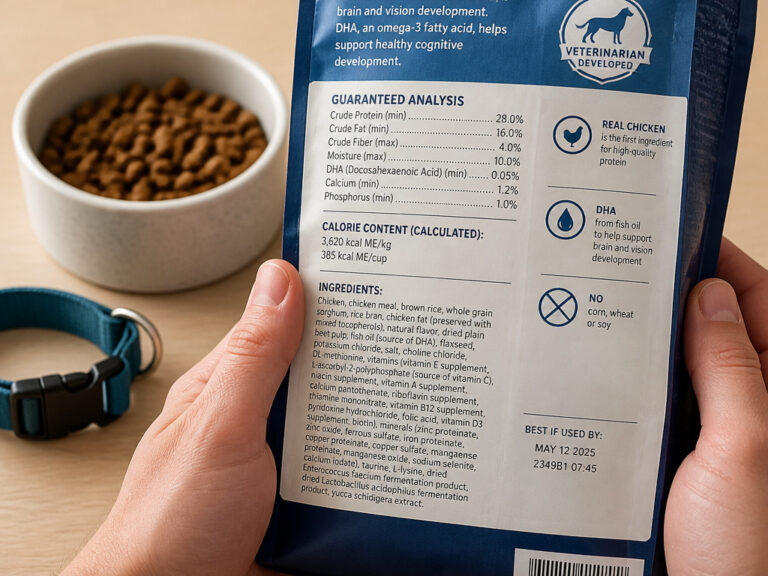
How much to feed a puppy: start with the AAFCO statement, set a calorie target, weigh the food, and adjust weekly by body condition.
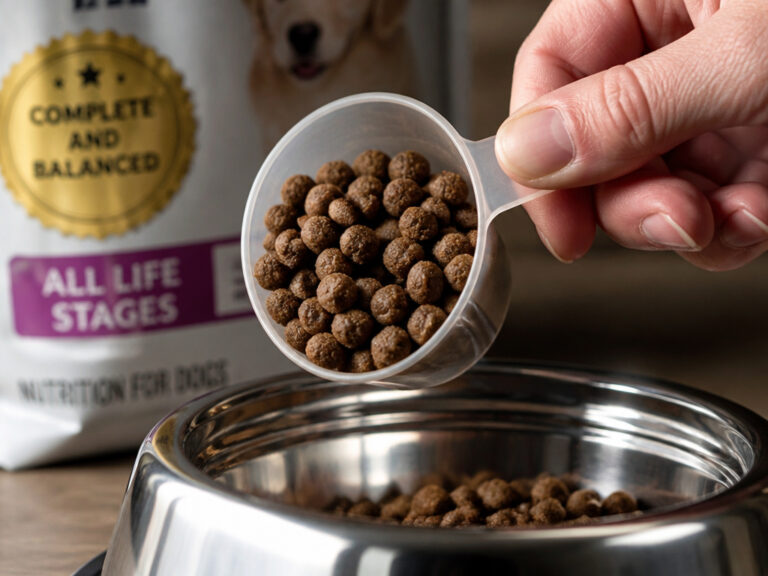
Puppy food pros and cons read from the label backward: the two AAFCO routes, feeding trials, calorie math, and where the sources actually disagree.
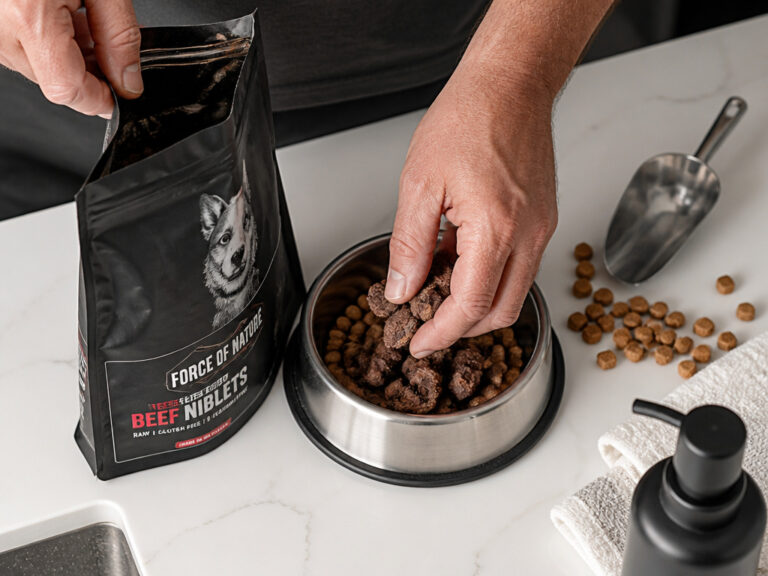
Freeze-dried dog food pros and cons checked against FDA data and label rules: nutrient retention, real Salmonella risk, cost, and spotting an incomplete diet.
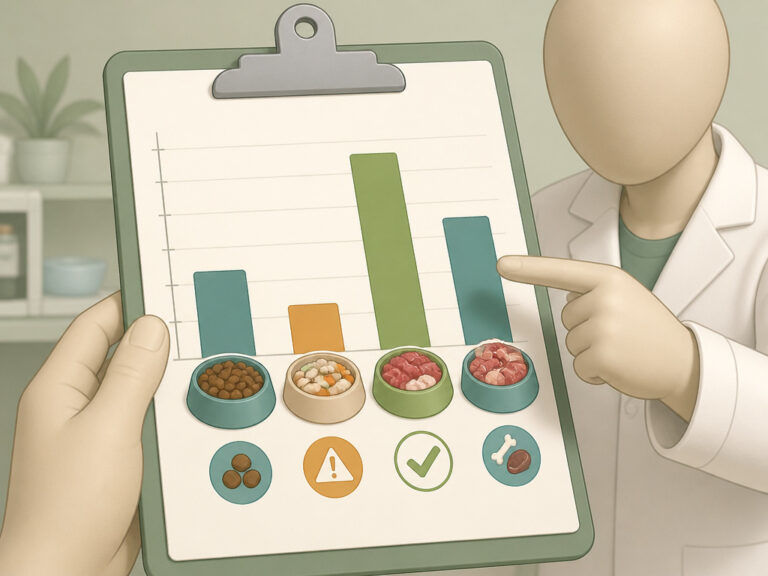
Raw dog food pros and cons, sorted by format: what FDA, CDC, Cornell and CVMA actually found, plus the label checks that matter most.
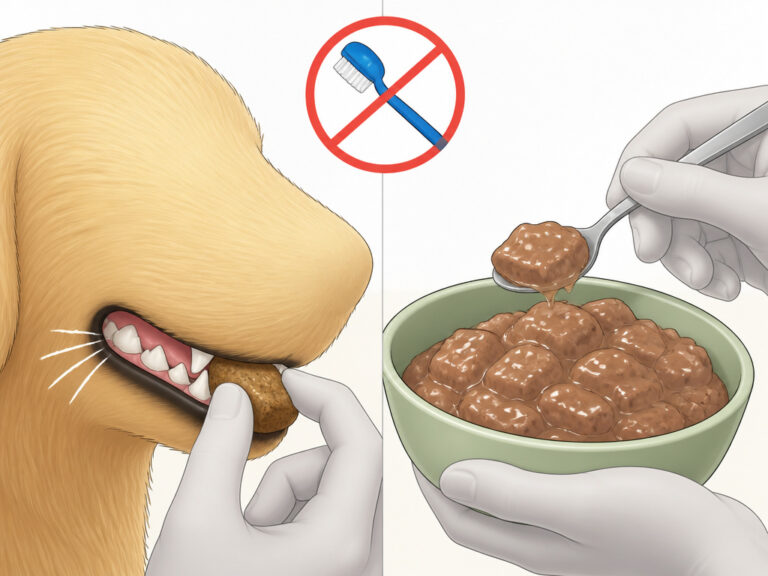
Wet dog food pros and cons, read from the guaranteed analysis: moisture, cost per calorie, mineral limits, and the dental claim that doesn’t hold up.
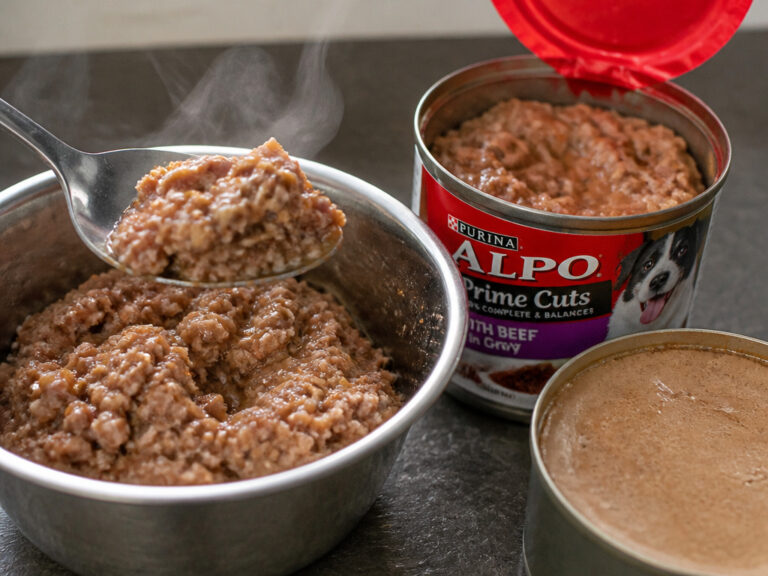
Types of dog food formats differ by water content and processing. See how dry, canned, semimoist, and raw compare, and how to pick one.
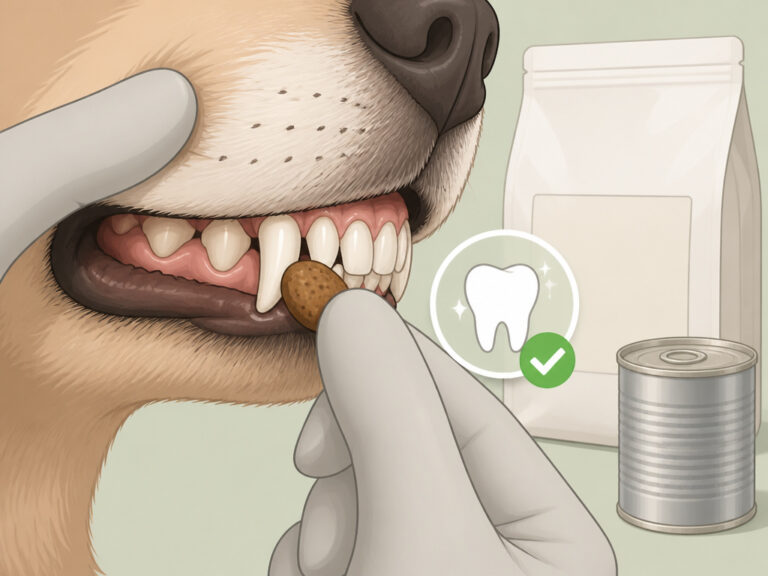
Dry dog food is cheap, stable, and about 90% dry matter. Here’s what the label hides, where the sources disagree, and how to compare kibble fairly.