
10 Best Freshwater Fish Food in 2026
This post contains affiliate links. As an Amazon Associate, we earn from qualifying purchases.
For most community tanks, the Omega One Freshwater Flake is the best overall choice. It lists whole fresh seafood as the first ingredient, providing naturally occurring pigments and omega fatty acids without relying on meals or fillers. The Fluval Bug Bites Tropical Fish Food wins for natural ingredients, while the TetraMin Tropical Flakes Fish Food is our Best Budget Pick for a complete daily flake that won’t cloud the water.
The real challenge with freshwater fish food isn’t finding something your fish will eat, it’s finding something that supports their health without polluting the water. Flakes, pellets, granules, and sinking foods all serve different feeding zones and species needs, and the ingredient list tells you far more than the front of the bag ever will.
This guide is built on manufacturer specifications, ingredient comparisons, and patterns in owner feedback across ten products. We focus on what actually goes into the food, protein sources, filler content, and how the formula affects water quality, so you can make a confident choice for your tank.
Top 10 Freshwater Fish Foods in the Market
Certain content that appears on this site comes from Amazon. This content is provided "as is" and is subject to change or removal at any time.
The Best Freshwater Fish Foods, Reviewed
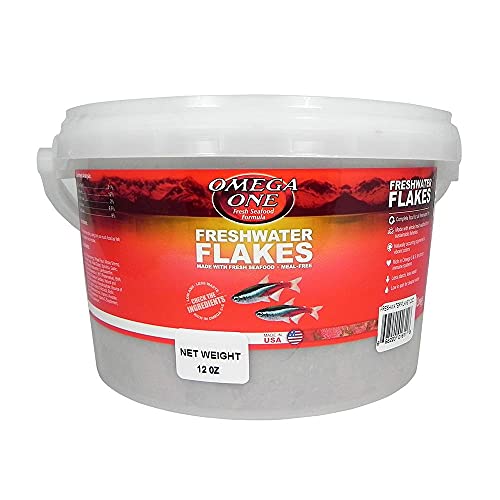
Omega One Freshwater Flake
What We Like
- Whole fresh seafood as first ingredient
- Naturally occurring pigments for color
- Omega 3 & 6 for immune support
- Low ash for cleaner water
Trade-offs
- 12 oz size is heavy for small tanks
A 12-ounce container of Omega One Freshwater Flake is built around whole fresh seafood from sustainable fisheries, which puts the protein source front and center rather than relying on fillers. That ingredient choice, combined with naturally occurring pigments and a solid dose of Omega 3 and 6 fatty acids, supports both vibrant coloration and a strong immune system in a wide range of freshwater fish. This is the kind of formulation that makes sense for anyone who wants a complete daily diet without guessing what’s actually in the food. The low ash content also helps keep the water cleaner, which means less work for you between water changes.
Whole fresh seafood from sustainable fisheries forms the base of this complete diet for all freshwater fish, so you’re feeding your community tank something closer to what fish eat in the wild. Naturally occurring pigments help bring out vibrant colors, and the omega-3 and omega-6 fatty acids support strong immune systems. Less starch and less waste mean cleaner water with less effort on your part.
TetraMin Tropical Flakes Fish Food

What We Like
- Complete diet for daily feeding
- Prebiotics for digestion support
- Clear-water formula won't cloud tank
- Antioxidants for healthy cells
Trade-offs
- Flakes only suit top- and mid-feeders
- Requires feeding 2-3 times daily
A complete daily diet for top- and mid-feeding tropical fish means you can feed them without needing separate supplements. The formula includes prebiotics for digestion and antioxidants for healthy cells, and the clear-water formula won’t cloud the tank when used as directed. That combination of convenience and targeted nutrition makes this a straightforward flake that covers the basics well.
Flakes are only practical for fish that feed near the surface or mid-water, so bottom-dwellers like many cichlids or catfish won’t get the food before it settles. If your setup is mostly top- and mid-feeding tropical fish, the simplicity and clear-water benefit make it a good everyday choice. Just plan on two to three feedings per day to match the three-minute consumption window.
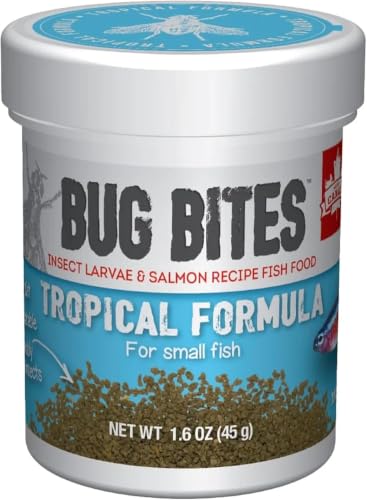
Fluval Bug Bites Tropical Fish Food
What We Like
- Insect-based protein as first ingredient
- Includes whole salmon for omega fatty acids
- Slow-sinking micro granules for mid-water feeding
- No artificial fillers, colors, or preservatives
Trade-offs
- Only 1.6 oz package for smaller tanks
- Not suitable for large fish that need bigger pellets
Black soldier fly larvae are the first ingredient in this formula, making up to 40% of the recipe, which provides a novel insect protein source for tropical fish. Whole salmon adds Omega-3 and 6 to support healthy skin, scales, and fins, while herring and shrimp meal boost the protein profile. The 0.7-1 mm slow-sinking granules let small to medium tropical fish feed at their preferred depth, reducing surface waste. The recipe includes no artificial fillers, colors, or preservatives, so it suits keepers who want a natural daily diet for tetras, guppies, bettas, cichlids, or goldfish.
The 1.6 oz jar is compact, so it disappears fast in a multi-tank setup or with a hungry school of fish. The micro granules are designed for small to medium fish, as listed on the package. If you keep a modest community tank, this is a practical choice. For larger setups, you will need to reorder more often.
Product photos
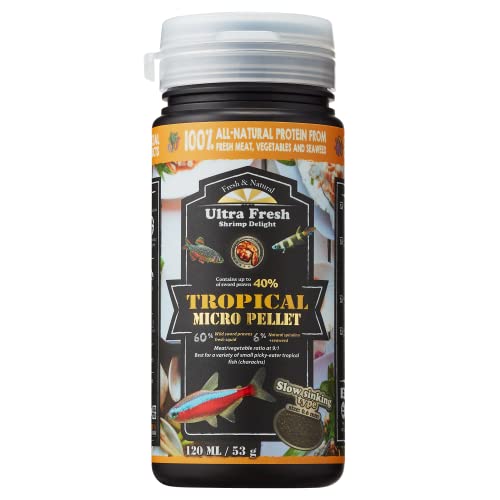
Ultra Fresh Tetra Fish Food
What We Like
- Slow-sinking 0.6mm micro pellets
- Color enhancement from natural ingredients
Trade-offs
- 0.6mm pellets too small for large fish
- Feeding guideline: no more than fish can eat in 3 minutes
At 1.87 oz, this container won’t last long in a multi-tank setup, especially compared to something like the 12 oz Omega One Freshwater Flake. The micro pellets also limit this to small and medium fish. If you keep larger cichlids or goldfish, the 0.6mm granules are too tiny to be practical. For someone with a nano or planted tank full of small community fish, though, the slow-sinking design and probiotic content make it a focused, functional option that addresses both feeding and water quality.
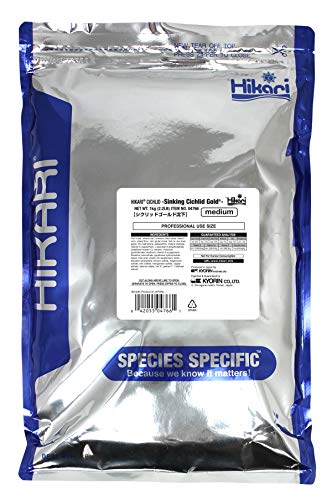
Hikari Sinking Cichlid Gold Pellets
What We Like
- Sinking pellet won't cloud water
- High astaxanthin for natural color
- Supports immune system health
- Works for larger tropical fish
Trade-offs
- Sinking design not for top-feeders
- Contains astaxanthin which some owners avoid
A sinking pellet that won’t cloud water is the key feature here, it lets bottom-dwelling cichlids feed naturally without turning your tank into a murky mess. The high astaxanthin content targets color enhancement, and the immune-support formulation gives a practical edge for keeping larger cichlids healthy. This is a straightforward, ingredient-focused option for anyone who wants a pellet that does what it says without gimmicks.
Compared to Omega One Freshwater Flake, which floats and suits top-feeders, this sinking pellet serves a different feeding niche entirely. If your fish stay near the bottom and you value water clarity, this is the more targeted choice.
API Tropical Flakes Fish Food

What We Like
- Menhaden and squid for amino acids
- Formulated for less waste, clear water
- Complete balanced diet for community fish
Trade-offs
- Requires twice-daily feeding routine
- Not designed for bottom-dwelling species
A 5.7-ounce container of API Tropical Flakes delivers menhaden and squid as primary protein sources, providing the amino acid profile needed for steady growth in a mixed community tank. This formulation is designed to help fish utilize nutrients more efficiently, which cuts down on waste and keeps the water clearer between changes. For anyone keeping a varied group of peaceful tropical fish, tetras, guppies, angelfish, rasboras, this flake food covers the nutritional bases without overcomplicating feeding time. The twice-daily, three-minute feeding guideline is straightforward and easy to stick to, making it a practical choice for both beginners and experienced aquarists who want a reliable staple.
If your tank is strictly top- and mid-level community fish, this flake is a well-balanced daily feed that keeps water quality in check. For tanks with a mix of surface and bottom feeders, you will want to pair it with a sinking pellet or wafer.
Product photos
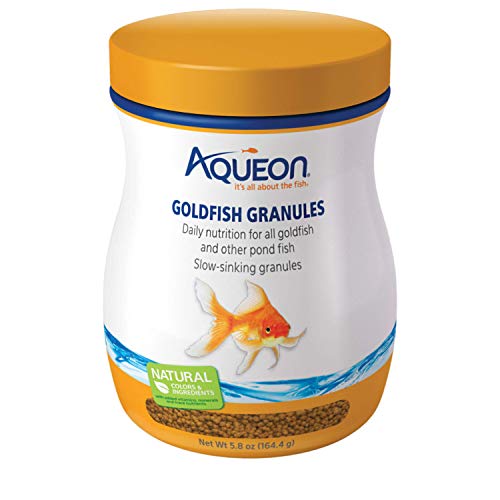
Aqueon Goldfish Granules
What We Like
- Sinking granules suit bottom-feeding goldfish
- Natural ingredients with added vitamins and minerals
- Formulated to reduce waste
- Won't cloud water when fed as directed
Trade-offs
- Sinking food can be harder to monitor intake
A 1.5 mm sinking granule means this food sinks to the bottom, which suits goldfish and small koi that feed there. The formula uses natural ingredients with added vitamins, minerals, and trace nutrients, and it’s designed so fish utilize more of what they eat and create less waste. It won’t cloud water when fed as directed, and it’s suitable for common goldfish, fancy varieties like Orandas and Ryukins, and even small koi. The list of compatible species includes Comets, Fantails, Shubunkins, Lionheads, Telescope Eyes, Moors, Bubble Eyes, Celestial Eyes, and Pearlscales, so it covers a wide range without guesswork.
The 1.5 mm granules are small enough that they sink quickly, so you’ll want to watch the bottom to see who’s eating rather than glancing at the surface. For a pond full of larger koi, you might find yourself scooping more food than you’d like. Still, for a goldfish-focused setup, the waste-reducing formula and natural ingredients make it a straightforward, no-nonsense pick.
Omega One Super Color Flakes

What We Like
- Beta carotenes from salmon skin
- Rich in Omega 3 & 6 HUFA
- No meals or hydrolysates
- Less starch reduces waste
Trade-offs
- 5.3 oz container is smaller than some
- Flakes float, not for bottom feeders
A 42% minimum crude protein and elevated beta carotenes from salmon skin give these flakes a clear edge for anyone focused on bringing out a fish’s natural colors. The Omega 3 and 6 HUFA content supports immune health, and the absence of meals, hydrolysates, or digests means the protein comes from whole ingredients. For freshwater and saltwater fish that feed at the surface or mid-water, this is a straightforward way to boost coloration without relying on artificial additives.
The biggest advantage of these flakes is their ability to significantly enhance fish coloration thanks to elevated beta carotenes from salmon skin, so your fish will look more vibrant within weeks. They also support strong immune systems with Omega 3 and 6 HUFAs, and because they’re naturally insoluble with less starch, they reduce water pollution and fish waste, meaning less frequent tank cleaning. However, flakes float, so bottom-dwelling species that prefer sinking foods won’t benefit as much; you might pair this with a sinking option for a mixed tank.
Product photos
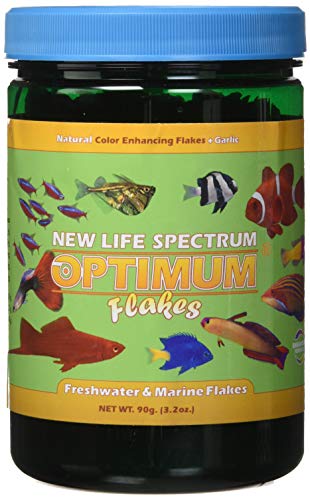
New Life Spectrum Naturox Flakes
What We Like
- Whole Antarctic krill as first ingredient
- Garlic and Thera-A for parasite defense
- High-protein squid as second protein source
Trade-offs
- Not suitable for fish that prefer sinking pellets over flakes
- Only available in flake form, not pellets
The protein lineup starts with whole Antarctic krill and moves to squid, herring, and New Zealand mussel, which is a shift toward more sustainable marine ingredients without sacrificing the high-protein profile that color-enhancing foods need. That first ingredient matters: whole krill carries natural carotenoids that directly support brighter reds and oranges in fish, so you’re getting pigment from the source rather than from synthetic dyes. The inclusion of garlic and the Thera-A formula adds a practical layer of parasite management, which is a bonus for keepers who want to reduce stress on their fish without reaching for separate medications. This is a food for the aquarist who reads the ingredient list and wants to know exactly what their fish are eating, not just what the front of the bag promises.
The container holds 90g, which is noticeably smaller than many staple flake options. If you’re running a community tank with multiple feedings per day, you’ll be reordering more often than with a larger tub like Omega One’s 12oz Freshwater Flake. The flake format also means it’s best for mid- to top-water feeders, not for bottom-dwelling species that prefer a sinking pellet. For the keeper focused on color enhancement and ingredient transparency, the protein sourcing and additive package make the smaller container a reasonable compromise, especially if you rotate foods and don’t rely on a single jar for every meal.
Product photos
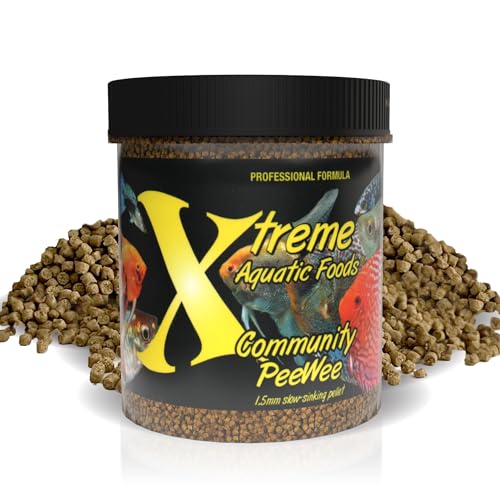
Xtreme Community Peewee Pellets
What We Like
- 1.5mm slow-sinking pellets for all water levels
- High-quality protein from krill, shrimp, and squid
- Includes USA Non-GMO farm-grown spirulina
- Visible health and color improvement in 14 days
Trade-offs
- Slow-sinking design not ideal for surface-only feeders
- Not suitable for surface-only feeders
The 1.5mm pellet size is the key spec here, small enough for tetras, guppies, and other community fish to eat comfortably, but dense enough to sink slowly through the water column. That slow-sinking behavior means fish at every level get a chance to feed, which matches how most small community species naturally eat. The ingredient list backs up the design: cold-water krill, shrimp meal, and squid meal provide real animal protein, while USA Non-GMO spirulina adds plant-based nutrition and color support. Xtreme doesn’t rely on cheap fillers or hormones, which is exactly what I look for when I flip a bag over. For anyone keeping a mixed tank of small tropical fish, this is a straightforward, well-thought-out pellet that addresses both diet and feeding behavior without gimmicks.
The 5-ounce bag is compact, fine for a single small tank, but if you’re running multiple community setups or a heavily stocked larger aquarium, you’ll be reordering more often than with some larger containers. That said, the ingredient quality here is higher than what you get in most flake blends, which often rely on plant meal as the first ingredient. If your fish are small and you want a protein-forward pellet that won’t cloud the water or sit on the surface uneaten, this is a better fit than a standard flake. Just check your feeding volume before you buy.
Product photos
How We Evaluated Freshwater Fish Foods
We started by reading the ingredient list on every product, not the marketing claims. Our research method compared first-ingredient protein sources, the presence of whole seafood versus meals or hydrolysates, and the inclusion of natural color enhancers like astaxanthin and beta carotene. We also examined manufacturer feeding guidelines to understand how each food affects water clarity and waste output.
The four criteria that mattered most were protein source quality, feeding zone compatibility (floating vs. Sinking), water quality impact, and nutritional completeness for the target species. A food that lists corn or wheat as a primary ingredient may keep fish full but contributes more waste and less usable protein. We also considered whether the formula includes prebiotics, probiotics, or immune-supporting omega fatty acids.
A research-led evaluation has limits: we cannot replicate the conditions of a specific tank or claim how any individual fish will respond. What we can do is show you what the label actually says and help you decide if it matches your fish’s needs. For a deeper look at how different options stack up, our complete fish food guide breaks down the full category.
What To Look For In Freshwater Fish Foods
The ingredient list is the only honest part of the package. Ignore the pictures of vibrant fish and focus on what comes first, whole proteins, not meals or grains.
Look for whole seafood, insect protein, or quality fish meal as the first ingredient. Avoid foods where corn, wheat, or soy appear before the protein source. Match the food form (flake, pellet, granule) to your fish’s natural feeding zone.
Protein Source Quality
The first ingredient tells you what the food is mostly made of. Whole fish like salmon, menhaden, or herring provide amino acids and omega fatty acids that support growth and immune function. Insect-based proteins, like black soldier fly larvae in Fluval Bug Bites, offer a sustainable alternative with high digestibility.
Meals (fish meal, shrimp meal) are concentrated protein sources, but whole seafood is generally more nutrient-dense. Avoid foods where grain or plant protein appears before any animal-based ingredient. Our guide to choosing quality food explains how to spot the difference between a protein-rich formula and one padded with fillers.
Feeding Zone and Food Form
Flakes float at the surface and suit top- and mid-feeding species like tetras, guppies, and bettas. Sinking pellets and granules reach bottom-dwellers like catfish, loaches, and cichlids. Slow-sinking micro pellets, like the 0.6mm Ultra Fresh Tetra Fish Food, work for mid-water feeders that won’t chase food to the surface or the bottom. If your tank has a mix of feeding zones, you may need two food types. The different fish foods available cover every feeding zone and species requirement.
Water Quality Impact
Foods high in starch or ash break down faster and cloud the water, increasing the load on your filter. Look for formulas that advertise low ash content and clear-water results, like the TetraMin Tropical Flakes and Aqueon Goldfish Granules. Feeding less waste means fewer water changes and a healthier tank overall. Overfeeding is the most common cause of poor water quality, so follow the manufacturer’s portion guidelines closely.
- Check the first three ingredients for whole protein sources
- Match the food form to your fish’s natural feeding zone
- Look for low-ash formulas that reduce waste
- Avoid foods with artificial colors or preservatives
- Read the feeding chart and stick to the recommended portions
A food that lists whole seafood first and has a clear-water formula will save you more time on tank maintenance than any fancy packaging.
Freshwater Fish Foods Compared
The table below compares all ten picks across protein source, food form, and best-use scenario so you can see at a glance which food fits your tank.
| Product | Form | Key Ingredients | Weight |
|---|---|---|---|
| Omega One Freshwater Flake | Flakes | Whole fresh seafood | 0.5 pounds |
| TetraMin Tropical Flakes Fish Food | Flakes | Highly digestible ingredients | 7.06 oz |
| Fluval Bug Bites Tropical Fish Food | Slow-Sinking Micro Granules | Black Soldier Fly Larvae | 1.6 oz |
| Ultra Fresh Tetra Fish Food | Slow Sinking | Wild sword prawns, squid, spirulina | 1.87 oz |
| Hikari Sinking Cichlid Gold Pellets | Sinking pellet | High In Astaxanthin | 2.2 pounds |
| API Tropical Flakes Fish Food | Flakes | Menhaden, squid | 5.7 oz |
| Aqueon Goldfish Granules | Sinking granules, 1.5 mm | Natural ingredients, added vitamins | 0.4 pounds |
| Omega One Super Color Flakes | Flakes | Salmon skin | 5.3 oz |
| New Life Spectrum Naturox Flakes | Flakes | Whole Antarctic Krill, Squid, Herring, Mussel | 0.2 lb (90g) |
| Xtreme Community Peewee Pellets | Slow-sinking 1.5mm pellets | Krill, shrimp, squid, spirulina | 5 oz |
Frequently Asked Questions
What is the best freshwater fish food for a community tank?
The Omega One Freshwater Flake works well for most community tanks because it uses whole fresh seafood as the first ingredient and provides omega fatty acids for immune support. Its flake form suits top- and mid-feeding species common in community setups. For tanks with bottom feeders, pair it with a sinking pellet.
How often should I feed my freshwater fish?
Most tropical fish do well with two to three small feedings per day, offering only what they can consume in two to three minutes. Overfeeding is the leading cause of poor water quality and algae growth. Adjust portion size based on fish size, activity level, and water temperature.
What is the difference between flakes and pellets for fish food?
Flakes float on the surface and are best for top- and mid-feeding species like tetras and guppies. Pellets sink at varying speeds and suit bottom-dwellers like catfish and cichlids. Slow-sinking micro pellets bridge the gap for mid-water feeders. Your choice should match where your fish naturally feed.
Can I feed my goldfish the same food as my tropical fish?
Goldfish have different nutritional needs than tropical fish, including lower protein and higher carbohydrate requirements. A dedicated goldfish formula like the Aqueon Goldfish Granules is formulated for their digestive system and produces less waste. Tropical fish food may cause digestive issues in goldfish over time.
What ingredients should I avoid in fish food?
Avoid foods where corn, wheat, or soy appear before any animal-based protein source. Artificial colors and preservatives offer no nutritional value and may cause water quality issues. Look for whole seafood, insect protein, or quality fish meal as the primary ingredient instead.
The Bottom Line
The Omega One Freshwater Flake is our Best Overall pick for aquarists who want a whole-seafood-based diet that supports color, immune health, and clean water in a community tank. If your budget is tighter, the TetraMin Tropical Flakes Fish Food delivers a complete daily flake with prebiotics and a clear-water formula at a more accessible price point.
For natural-ingredient purists, the Fluval Bug Bites Tropical Fish Food offers insect-based protein with no artificial fillers. The Hikari Sinking Cichlid Gold Pellets are the go-to for cichlid keepers who need a sinking food with color enhancement. Goldfish owners should reach for the Aqueon Goldfish Granules, and those with small community fish will appreciate the Xtreme Community Peewee Pellets for their slow-sinking, protein-rich formula.
The single most important factor in choosing freshwater fish food is the first ingredient. Read the label before you buy, match the food form to your fish’s feeding zone, and feed only what your fish can eat in a few minutes. That approach will keep your tank healthy and your fish thriving.
