
9 Best Quality Fish Food in 2026
This post contains affiliate links. As an Amazon Associate, we earn from qualifying purchases.
The best quality fish food starts with real ingredients. Fluval Bug Bites Color Enhancing Flakes earns our Best Overall award for its 40% Black Soldier Fly Larvae first ingredient and whole salmon providing Omega 3 and 6. For keepers focused on color, the Omega One Super Color Flakes leads with natural beta carotenes and low starch. The Ultra Fresh Royal Cichlid Sinking Pellets delivers a 9:1 meat-to-vegetable protein ratio for dedicated carnivores.
The real challenge with fish food is matching the format, protein source, and sinking behavior to your specific species. A floating flake that works for neon tetras will frustrate a bottom-dwelling cichlid, and a high-starch formula can cloud water and create excess waste.
We built this guide by comparing ingredient lists, protein percentages, and feeding recommendations across nine products. We focused on what matters most: first ingredients, species suitability, and how each food affects water quality.
Top 9 Quality Fish Foods in the Market
Certain content that appears on this site comes from Amazon. This content is provided "as is" and is subject to change or removal at any time.
The Best Quality Fish Foods, Reviewed
Fluval Bug Bites Color Enhancing Flakes

What We Like
- 40% Black Soldier Fly Larvae as first ingredient
- Whole salmon provides Omega 3 and 6
- Fortified with vitamins, amino acids, minerals
- Sustainably processed in small batches
Trade-offs
- Requires feeding 2-3 times daily
- Not suitable for large or bottom-feeding cichlids
A 40% Black Soldier Fly Larvae content as the first ingredient means this flake food puts insect protein front and center, which is a solid move for tropical fish that thrive on natural prey. The inclusion of whole salmon adds Omega 3 and 6 fatty acids, supporting healthy skin, scales, and fins. That makes it a strong daily option for small to medium tropical fish across all life stages, especially if you want a protein-rich diet without relying on fishmeal fillers. The small-batch processing also suggests the manufacturer is paying attention to freshness, not just throughput.
The two-minute feeding recommendation means you need to be around a couple times a day, which is manageable for most hobbyists but less convenient if you are frequently away. For a flake-based staple that emphasizes insect protein over grain, this is a well-considered formula.
Product photos
Omega One Super Color Flakes

What We Like
- Color enhancement from beta carotenes
- Low starch reduces fish waste
- No meals or hydrolysates
- Suitable for freshwater and saltwater
Trade-offs
- 5.3 oz container is modest
- Not suitable for bottom-feeding fish that need sinking pellets
A 42% minimum crude protein and elevated beta carotenes from salmon skin give this flake a clear edge if you’re after visible color improvement in your fish. The low starch formula means less waste and a cleaner tank, which is a practical bonus for anyone who values water quality alongside nutrition. It’s a strong pick for keepers of smaller to medium tropical fish who want a straightforward, high-quality staple.
The trade-off is the 5.3 oz package size, which runs out faster than larger options like the 7.06 oz TetraColor Tropical Flakes, especially in a multi-tank setup. Also, being a flake, it’s less useful for bottom-dwelling species that prefer sinking pellets. If your fish are mid- to top-feeders and you prioritize ingredient transparency and color results, this is a focused, no-nonsense formula that delivers what it says.
Ultra Fresh Royal Cichlid Sinking Pellets

What We Like
- 40% fresh sword prawns for high palatability
- 9:1 meat-to-vegetable protein ratio for carnivores
- 3 million CFUs/g probiotics for water quality
- Natural color enhancement from spirulina and seaweed
Trade-offs
- Sinking pellets only, not for surface feeders
Carnivorous cichlids and large tropical fish get a high-protein diet from a 9:1 meat-to-vegetable protein ratio built around 40% fresh sword prawns. The addition of 3 million CFUs/g of probiotics helps break down waste in the tank, keeping water cleaner. For keepers who want a sinking pellet with a strong protein focus and added probiotics, this formula delivers on both fronts.
These are sinking pellets, so they’re not suited for surface-oriented fish like hatchetfish or top-dwelling cichlids. Compared to the TetraPro Tropical Color Crisps, which are designed for mid-water feeders, the Ultra Fresh requires you to target bottom zones. The pellet size also makes it less ideal for small juveniles or nano tanks. If your setup is strictly large carnivorous cichlids that feed near the substrate, the high protein and probiotic load make this a strong option.
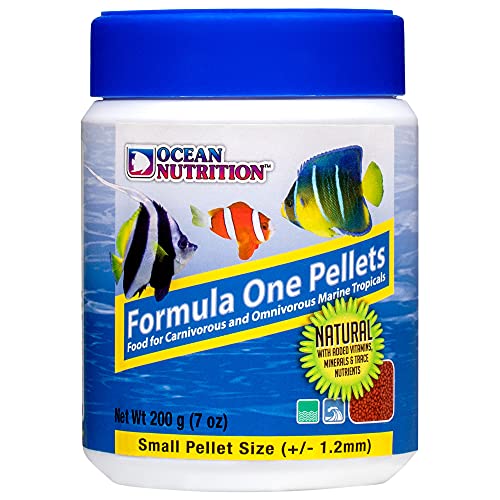
Ocean Nutrition Soft Moist Sinking Pellets
What We Like
- 41% protein for carnivorous and omnivorous fish
- Soft moist sinking texture for bottom feeders
- Non-clouding formula keeps water clear
- Oxygen-free pouch preserves freshness 3-4 months
Trade-offs
- Sinking pellets not suited for surface feeders
- 7 oz bag is small for large aquariums
These soft moist sinking pellets deliver 41.1% protein, a level that supports the health of both carnivorous and omnivorous marine fish like angelfish and clownfish. The non-clouding formula, developed by aquaculture biologists, means you can feed without clouding the water. The oxygen-free pouch keeps the food fresh for up to 3-4 months after opening, so a single bag stays usable. Because the pellets sink, they suit fish that feed near the bottom rather than at the surface.
Because these pellets sink, they’re wasted on surface feeders. The 7-ounce bag is the only size listed, so for larger tanks you may need to reorder more often. For anyone focused on a high-protein sinking pellet that keeps water clear, this is a straightforward option.
TetraColor Tropical Flakes

What We Like
- Color-enhancing formula for vibrant fish
- Supports immune system with antioxidants
- Prebiotics aid digestion
- Won't cloud water when used as directed
Trade-offs
- Designed only for top- and mid-feeding fish
- Not suitable for bottom-feeding fish
A clear-water formula that won’t cloud your tank when used as directed means less maintenance and no murky soup, a practical benefit for any fishkeeper. The Active Life Formula adds antioxidants for immune support and prebiotics for digestion, so fish stay healthy while their colors naturally brighten. These flakes are designed for top- and mid-feeding tropical fish, so surface nibblers and mid-water swimmers can eat easily without food drifting down to waste.
Bottom-feeders miss out entirely, this flake is not designed for them, so you’ll need a separate sinking food if you keep catfish or loaches. Compared to Fluval Bug Bites Color Enhancing Flakes, which target small to medium fish, TetraColor focuses on a broader vitamin-and-prebiotic approach. If your priority is immune support and clear water, this is a straightforward choice; just know you’re committing to a flake that stays where your fish actually feed.
Product photos
Blue Ridge Koi Platinum Pro Pellets

What We Like
- 41% protein for steady growth
- Floating pellets soften in seconds
- Spirulina & canthaxanthin for color support
- Includes Primilac probiotic
Trade-offs
- Warm-season formula only
- Requires switching to Cool Water Wheat in fall
A 41% protein level supports steady growth during the warm feeding season when koi are active. The food includes Spirulina and Canthaxanthin for color support, so you don’t need a separate enhancer. The 3/16″ floating pellets soften within seconds, making them easy for fish to eat and letting you watch feeding to control portions. This is a complete, probiotic-enriched diet from a supplier that has been a trusted name in koi and goldfish since 1958.
At 41% protein, this food is built for the warm months when koi are actively growing and feeding heavily. It’s a complete diet that includes Spirulina and Canthaxanthin for color support and Primilac probiotic for digestion, so you don’t need a separate color-enhancing food. The floating 3/16″ pellets soften within seconds, making them easy for fish to eat, and you can watch them feed while controlling portions. Just feed what they finish in about five minutes to keep pond water clear. When water cools and fish slow down, the manufacturer recommends switching to their Cool Water Wheat formula, so year-round feeders will need two bags on hand.
Product photos
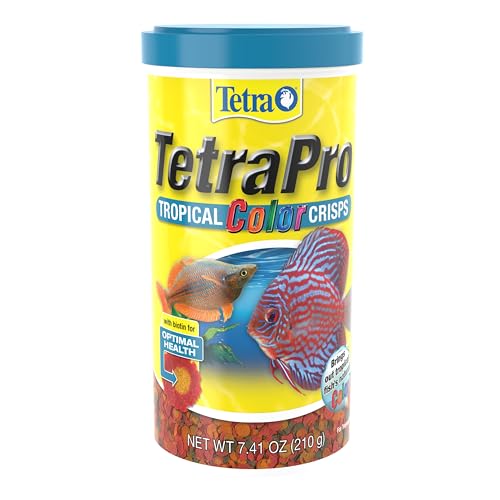
TetraPro Tropical Color Crisps
What We Like
- Natural color enhancers for rich coloration
- Low-heat process preserves nutrients
- Clear Water Formula helps reduce waste
Trade-offs
- Floating food not ideal for bottom-feeders
- Not suitable for bottom-feeding tropical fish species
Floating food naturally leaves bottom-dwelling species out of the meal. If your tank has corydoras or loaches, they may not get their share before surface feeders clean it up. For a mixed community, you would need a sinking supplement, but as a standalone for a surface-feeding setup, the color enhancement and reduced waste make it a strong option.
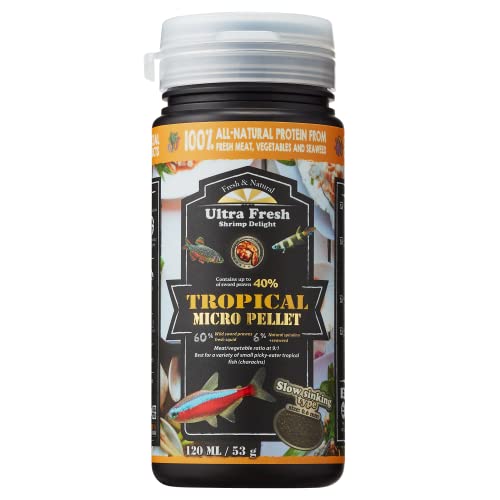
Ultra Fresh Tropical Micro Pellet
What We Like
- 0.6 mm slow-sinking micro pellet
Trade-offs
The bag holds only 1.87 oz, so it won’t last long in a community tank. The manufacturer says to feed only what fish can eat in three minutes, one to three times daily. Compared to Fluval Bug Bites Color Enhancing Flakes, which comes in a larger 3.17 oz container, the Ultra Fresh Micro Pellet demands more frequent reordering for bigger setups. But if you prioritize ingredient transparency and a probiotic edge over sheer volume, this pellet delivers on its natural-ingredient promise without the marketing fluff.
Product photos
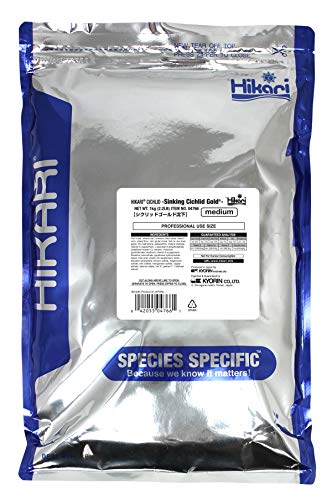
Hikari Sinking Cichlid Gold Medium Pellets
What We Like
- High in Astaxanthin for color
- Supports immune system health
- Sinking pellet won't cloud water
- Suitable for larger tropical fish
Trade-offs
- Sinking form not ideal for surface feeders
- Not suitable for surface-feeding fish
A 2.2-pound bag of sinking pellets loaded with astaxanthin means you’re getting a formula built around both color enhancement and immune support for cichlids and larger freshwater fish. The pellet sinks without clouding the water, so it works well for bottom-oriented species that prefer to feed lower in the tank. If you keep fish that need a nutritional boost to their natural pigmentation and immune function, this is a straightforward, no-nonsense option.
The sinking format won’t appeal to surface feeders, so it’s best for bottom-oriented species. Compared to the Ultra Fresh Royal Cichlid Sinking Pellets, which focus on wild sword prawns and all-natural ingredients for carnivores, this Hikari formula leans more on astaxanthin for color and immune support rather than a specific protein source. Choose this if your priority is color and immune health over a strictly carnivorous ingredient list.
Product photos
How We Evaluated Quality Fish Foods
Our evaluation started with the ingredient panel. We looked for named protein sources, whole fish, insect larvae, fresh prawns, rather than generic meals or hydrolysates. We cross-referenced each product’s protein content against the dietary needs of common tropical, cichlid, and koi species, using manufacturer specifications and expert round-ups.
We weighed four criteria most heavily. First ingredient quality tells you what the fish actually eats first. Protein-to-filler ratio affects growth and waste output. Food format (flake, sinking pellet, micro pellet) determines which fish can access the food. And water impact matters because a food that clouds the tank or leaves excess waste adds maintenance work.
A research-led evaluation like this cannot replace watching how a specific food performs in your tank over weeks. We read patterns in owner feedback and checked them against ingredient logic, but individual water chemistry and fish behavior always matter more than any label.
What To Look For In Quality Fish Foods
Choosing the right food means reading past the front-of-bag claims and looking at the first few ingredients, protein percentage, and whether the format matches your fish’s feeding zone.
Look for a named protein as the first ingredient. A protein percentage that matches your species is important, with a range typical for most tropicals and higher for carnivores. Also consider a format that sinks or floats according to where your fish naturally feed.
First Ingredient and Protein Source
The first ingredient is the most abundant component by weight. Whole fish, insect larvae, and fresh seafood are ideal. Generic “fish meal” or “poultry by-product” tells you less about what the fish actually gets. For carnivorous species, a meat-to-vegetable protein ratio above 7:1 is preferable. For omnivores, a balanced mix with plant matter like spirulina or seaweed works well.
Food Format and Feeding Zone
Fish evolved to feed at specific water levels. Top feeders like tetras and guppies need flakes or floating crisps. Bottom feeders like cichlids and catfish need sinking pellets. Micro pellets work for small-mouthed species. Using the wrong format means some fish go hungry while food decays in the substrate.
Water Quality Impact
Some foods cloud water because they contain high starch or break down too quickly. Look for low-starch formulas and clear water claims backed by ingredient choices. Probiotic additives can help maintain water quality by supporting fish digestion. Non-clouding formulas and oxygen-free packaging also preserve freshness longer.
- Check the first three ingredients for named protein sources.
- Match the food format to your fish’s natural feeding zone.
- Look for probiotic or prebiotic additives if water quality is a concern.
- Avoid foods with high starch content if you struggle with algae or waste.
- Consider the container size relative to your tank’s population and feeding frequency.
A good rule: if the first ingredient is a named protein and the format matches your fish, you are already ahead of most options on the shelf.
Quality Fish Foods Compared
The table below compares protein content, format, and key ingredients across all nine picks to help you match the right food to your tank.
| Product | Form | Protein Content | Key Ingredients |
|---|---|---|---|
| Fluval Bug Bites Color Enhancing Flakes | Flakes | Up to 40% | Black Soldier Fly Larvae |
| Omega One Super Color Flakes | Flakes | 42% min | Salmon skin |
| Ultra Fresh Royal Cichlid Sinking Pellets | Sinking Pellets | N/A | Wild Sword Prawns |
| Ocean Nutrition Soft Moist Sinking Pellets | Soft Moist Sinking Pellets | 41.1% | N/A |
| TetraColor Tropical Flakes | Flakes | N/A | Antioxidants, Prebiotics |
| Blue Ridge Koi Platinum Pro Pellets | Pellets | 41% | Spirulina & Canthaxanthin |
| TetraPro Tropical Color Crisps | Floating crisps | N/A | Biotin |
| Ultra Fresh Tropical Micro Pellet | Micro Pellet | N/A | Wild Sword Prawns |
| Hikari Sinking Cichlid Gold Medium Pellets | Sinking pellet | N/A | Astaxanthin |
Frequently Asked Questions
What is the best fish food for tropical fish?
The Fluval Bug Bites Color Enhancing Flakes is our Best Overall pick for tropical fish because it uses 40% Black Soldier Fly Larvae as the first ingredient and whole salmon for Omega 3 and 6. It is a flake format suited for small to medium tropical fish that feed at the top or middle of the tank.
What is the best fish food for cichlids?
The Ultra Fresh Royal Cichlid Sinking Pellets is the best choice for carnivorous cichlids, with a 9:1 meat-to-vegetable protein ratio and 40% fresh sword prawns. For cichlids needing color and immune support, the Hikari Sinking Cichlid Gold Medium Pellets offers high astaxanthin content and a sinking format that won’t cloud water.
What is the best fish food for koi?
The Blue Ridge Koi Platinum Pro Pellets is our pick for koi, providing 41% protein for steady growth and floating pellets that soften in seconds. It includes spirulina and canthaxanthin for color support and a probiotic for digestion, but it is a warm-season formula only.
What is the best fish food for bottom feeders?
The Ocean Nutrition Soft Moist Sinking Pellets is the best option for bottom feeders, with a soft moist texture that sinks directly to the substrate. It delivers 41% protein for carnivorous and omnivorous fish and uses a non-clouding formula to keep water clear.
How often should I feed my fish?
Most quality fish foods recommend feeding two to three times daily, offering only what your fish can consume in two to three minutes. Overfeeding is the most common cause of poor water quality. Adjust portion size based on your fish’s activity and appetite, not the amount left uneaten.
The Bottom Line
For most tropical fish keepers, the Fluval Bug Bites Color Enhancing Flakes delivers the best combination of insect-based protein, Omega fatty acids, and fortified vitamins in a format that top- and mid-feeders can easily eat. It is the pick we recommend for anyone who wants a high-quality daily staple without guessing about ingredients.
If your tank has specific needs, the right pick changes. Carnivorous cichlid keepers should look at the Ultra Fresh Royal Cichlid Sinking Pellets for its high meat-to-vegetable ratio and probiotics. Koi owners need the Blue Ridge Koi Platinum Pro Pellets for its warm-season growth formula. And if water clarity is your top concern, the TetraPro Tropical Color Crisps uses a clear water formula that reduces waste.
The single most important buying factor is matching the food format to your fish’s feeding zone. A top-quality pellet that sinks past your fish’s reach is no better than a cheap flake. Start with your species, then read the ingredient list.
