
8 Best Dog Food For Renal Failure in 2026
This post contains affiliate links. As an Amazon Associate, we earn from qualifying purchases.
The best dog food for renal failure is Hill’s Prescription Diet k/d Kidney Care Wet Dog Food, a clinically proven formula with reduced phosphorus and sodium that supports kidney function while keeping picky eaters interested. For dogs that need extra encouragement at mealtime, Royal Canin Veterinary Renal Support D Wet Dog Food offers a soft, energy-dense texture. Owners who prefer dry kibble should consider Purina Pro Plan Vet Diets NF Kidney Function Dry Dog Food.
Renal failure changes everything about feeding your dog. The kidneys can no longer filter waste effectively, which means every meal needs carefully controlled phosphorus, sodium, and protein levels to reduce the workload on those organs. Getting the diet right is the single most impactful thing you can do for your dog’s quality of life.
This guide is built from manufacturer specifications, veterinary nutrition guidelines, and patterns in owner feedback across eight renal support formulas. We break down what each food does well, where it falls short, and exactly which dog it suits best.
Top 8 Dog Foods For Renal Failure in the Market
Certain content that appears on this site comes from Amazon. This content is provided "as is" and is subject to change or removal at any time.
The Best Dog Foods For Renal Failure, Reviewed
Hill's Prescription Diet k/d Kidney Care Wet Dog Food

What We Like
- Clinically proven to improve quality of life
- Reduced phosphorus and sodium protect kidneys
- Bite-sized chunks in gravy for picky eaters
Trade-offs
- Requires veterinary prescription to purchase
- Wet food has shorter shelf life once opened
The wet formula comes as a chicken and vegetable stew with bite-sized chunks in gravy, which matters for dogs who go off their food when they feel unwell. If your dog is a picky eater or has a decreased appetite from kidney disease, the texture and aroma of this canned food can make a real difference in keeping them eating consistently.
The trade-off is that you need a vet’s okay to buy it; this is a prescription diet, not something you grab off the shelf. That’s by design: it’s formulated for dogs with diagnosed renal failure, not for general kidney support. Compared to the Dave’s Pet Food Kidney Care wet food, which doesn’t require a prescription, Hill’s offers a targeted prebiotic technology and the backing of the #1 US vet-recommended therapeutic brand. But if your dog has early-stage kidney concerns and you want to try a non-prescription option first, Dave’s is a reasonable starting point. For dogs already diagnosed with renal failure, the clinically proven nutrition behind this formula makes it a strong choice.
Royal Canin Veterinary Renal Support D Wet Dog Food

What We Like
- Soft texture stimulates appetite
- Energy-dense reduces meal volume
- Low phosphorus supports kidney function
- Precise antioxidant complex included
Trade-offs
- Veterinary prescription required to purchase
- Only available in wet food format
A 13-ounce can of wet dog food that combines targeted protein with low phosphorus in a soft, energy-dense formula, this product is designed for dogs that need kidney support. Royal Canin formulated it to help compensate for decreased appetite by reducing meal volume while keeping each serving highly palatable. The fatty acids from fish oil and the antioxidant complex contribute to the renal support, so the food delivers more than just calories. It’s a practical choice for owners who need a palatable option that encourages eating, especially when a dog is being picky.
You’ll need a prescription to buy this veterinary-exclusive wet dog food, so it’s not something you can grab on a whim. That restricted access can be a hassle if you’re managing refills, especially compared to Dave’s Pet Food Kidney Care, which is available without a prescription. But the soft texture and reduced meal volume help encourage eating, and it’s a targeted diet that works best when your vet has already recommended a wet-food approach.
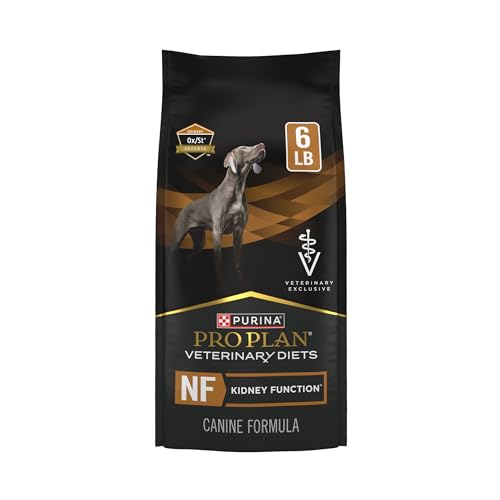
Purina Pro Plan Vet Diets NF Kidney Function Dry Dog Food
What We Like
- Restricted phosphorus for kidney support
- Reduced sodium to manage kidney conditions
- Energy-dense for needed calories
- Includes antioxidants for overall health
Trade-offs
- Only available as dry kibble, not wet food
- Not suitable for dogs needing wet food for hydration
Restricted phosphorus and reduced sodium are the two numbers that matter most when you’re feeding a dog with kidney issues, and this dry kibble delivers both without skimping on calories. Each serving is energy-dense, so a smaller amount still provides the fuel a dog with renal failure needs, which is helpful when appetite starts to fade. The antioxidants are a sensible addition for overall immune support. This is the dry option for owners who want a straightforward, vet-formulated kibble that hits the key nutritional levers for kidney health without a lot of fuss.
A dry food like this can be less appealing to dogs with kidney disease, who often have decreased appetite or nausea that makes wet food more palatable. If your dog turns up its nose at kibble, the Hill’s Prescription Diet k/d wet food in the same guide offers a stew texture that may be easier to get down. But if your dog still eats dry food willingly, this Purina formula gives you the restricted phosphorus and reduced sodium you need in a shelf-stable, easy-to-portion format.
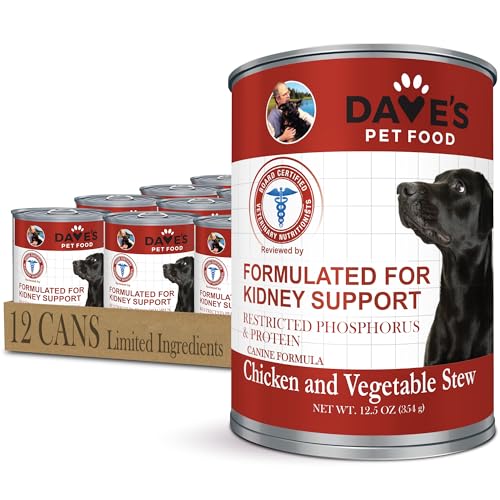
Dave's Pet Food Kidney Care Wet Dog Food
What We Like
- Low phosphorus (max 0.30%)
- Moisture-rich stew for hydration
- No prescription required
- Fortified with 20 vitamins and minerals
Trade-offs
- Wet food has shorter shelf life once opened
- Not suitable for dogs without kidney issues
A controlled phosphorus level of max 0.30% makes this a serious option for dogs with kidney issues, and the moisture-rich stew helps boost fluid intake, which is vital when kidneys struggle to conserve water. The recipe is reviewed by board-certified veterinary nutritionists, so you’re not guessing about the balance of nutrients. Real chicken, carrots, and brown rice keep it gentle on digestion, while the soft texture and savory aroma can tempt even a dog with a reduced appetite. For anyone wanting a renal diet without a prescription, this is a straightforward choice.
The canned format has a limited window once opened, which can lead to waste with a small dog or a picky eater. Compared to a dry kibble like Purina Pro Plan Vet Diets NF Kidney Function, this stew provides more hydration directly in the meal but less flexibility in portion control and storage. If your dog prefers to graze or you need something that stays fresh in a bowl all day, a dry food might be more practical. But for a dog that needs both kidney support and a hydration boost, this stew delivers fluid right in the meal.
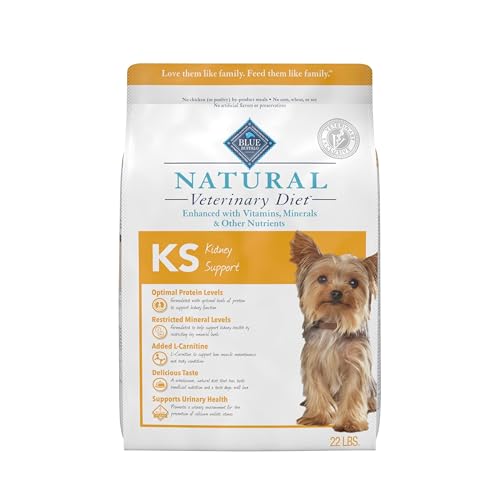
Blue Buffalo Natural Veterinary Diet Kidney Support Dry Dog Food
What We Like
- Real chicken is first ingredient
- No chicken by-product meals
- No corn, wheat, or soy
- Controlled phosphorus and sodium
Trade-offs
- Requires veterinarian authorization to buy
- Only available in a 22-lb dry bag
The first ingredient is real chicken, not a by-product meal, something you don’t always see in renal diets, which often rely on lower-quality protein sources. Blue Buffalo keeps the protein level controlled to reduce kidney workload while still putting a named meat at the top of the list. That matters if you’re skeptical of vague ‘meat meal’ labels and want to know exactly what your dog is eating. The bag also skips corn, wheat, and soy, which some owners prefer for sensitive stomachs or general ingredient transparency.
This is a prescription diet, so you’ll need your vet’s okay before buying. That’s standard for therapeutic kidney foods, but it adds a step compared to something like Dave’s Pet Food Kidney Care, which doesn’t require a prescription. The ingredient list here features real chicken as the first ingredient and avoids chicken by-product meals, corn, wheat, and soy. For owners who prioritize natural ingredients and a named protein source over convenience, this is a strong option.
Product photos
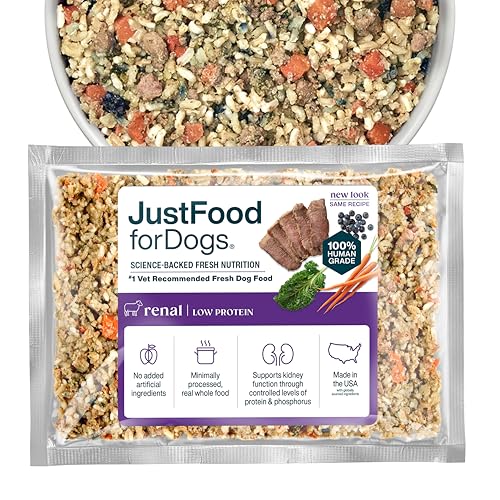
JustFoodForDogs Frozen Fresh Prescription Kidney Dog Food
What We Like
- 100% human-grade fresh whole foods
- Vet-recommended with board-certified nutritionist input
- High-calorie diet for reduced appetites
Trade-offs
- Thawed fish recipes last only 3 days
- Requires vet prescription to purchase
A high-calorie, low-protein frozen fresh diet means this food is designed for dogs with kidney disease who may not feel like eating much, each bite packs more energy without overloading the kidneys. The recipe uses 100% human-grade whole foods, gently cooked to preserve nutrients, and was developed by a team that includes a board-certified nutritionist. That combination makes it a strong fit for owners who want a fresh, vet-recommended diet for dogs with reduced appetites.
This frozen product requires freezer space and a bit of planning: thawed fish-based recipes must be fed within three days, other proteins within four. Compared to the shelf-stable canned options from Hill’s or Royal Canin, this demands more storage and attention to spoilage. But if your dog needs a fresh, human-grade diet, the convenience of a ready-to-serve meal may be worth the extra effort.
Product photos
Forza10 Renal Wet Dog Food
What We Like
- Hydrolyzed protein for food sensitivities
- Cranberries and dandelion for kidney support
- Non-GMO, no by-products or artificial additives
- Made in Italy with veterinary expertise
Trade-offs
- Small 3.5 oz cans mean more frequent opening
- Not suitable for large breeds needing larger portions
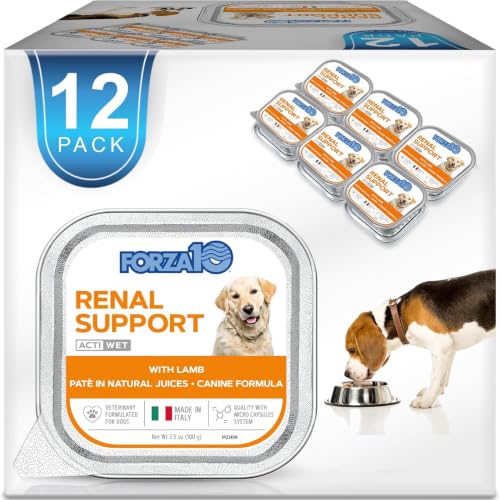
A 3.5-ounce can size means this wet food is portioned for small meals or as a topper, not a bulk feeder for large dogs. The hydrolyzed protein targets dogs with food sensitivities while cranberries and dried dandelion work to support kidney function, a practical combination for renal care. Made in Italy with non-GMO ingredients and no by-products, it’s a clean-label option for owners who want transparency in every bite.
Portion size is the main consideration: at 3.5 oz per can, you’ll open more cans per day compared to larger 12.5 oz cans from Hill’s Prescription Diet k/d. That extra handling matters if you’re feeding a big dog or want fewer prep steps. For small-breed dogs or as a wet topper over dry renal food, though, the convenience of single-serve cans wins.
Product photos
Forza10 Renal Dry Dog Food
What We Like
- Hydrolyzed protein for food sensitivities
- Cranberries and dandelion support kidney health
- No by-products, wheat, or soy
- Made in Italy with veterinary expertise
Trade-offs
- Only available in one bag size (8.8 lb)
- No phosphorus or protein level details on label
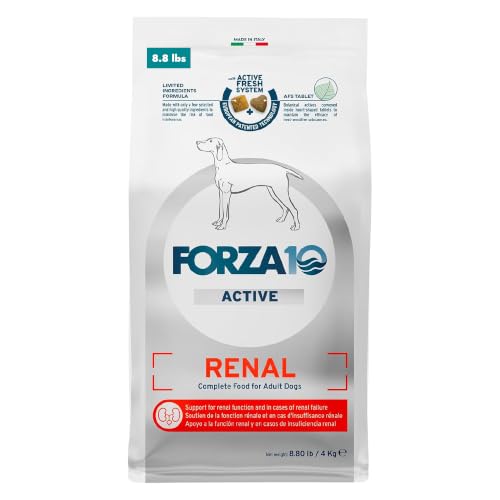
This dry food uses hydrolyzed protein, which is often easier on sensitive stomachs, and adds cranberries and dried dandelion, ingredients traditionally linked to kidney and urinary support. It’s made in Italy and is non-GMO, with no by-products, wheat, or soy. That makes it a reasonable option if your dog needs a renal diet and also has food sensitivities, though you’ll want to confirm with your vet that the protein and phosphorus levels are appropriate for your dog’s specific condition.
This 8.8-pound bag of dry kibble is a single-format option, so if your dog needs the extra moisture of wet food for advanced kidney issues, you might consider a canned alternative like Hill’s Prescription Diet k/d. The hydrolyzed protein makes it a good fit for dogs with food sensitivities, while cranberries and dandelion support kidney health. Owners who prefer dry food for convenience will find this a practical choice, though it’s worth checking with your vet whether the nutrient levels match your dog’s specific needs.
Product photos
How We Evaluated Dog Foods For Renal Failure
We started by reviewing the published nutritional profiles and ingredient lists of each food, focusing on the phosphorus, sodium, and protein levels that matter most for renal health dog food. Manufacturer documentation and veterinary nutrition guidelines provided the baseline for what constitutes an effective renal diet. We also examined owner-reported patterns around palatability, since getting a sick dog to eat is often the hardest part of managing kidney disease.
The three criteria that carried the most weight were phosphorus restriction, palatability, and prescription status. Phosphorus is the primary mineral that accelerates kidney damage, so every food here keeps it low. Palatability matters because dogs with renal failure often lose their appetite, and a nutritionally perfect food does no good if the dog won’t eat it. Prescription versus over-the-counter access affects how quickly owners can start the diet.
A research-led evaluation like this one has limits. We cannot tell you how a specific dog will respond to a particular food, and individual tolerance varies. What we can do is give you the facts about what each formula contains, how it compares to others, and what the collective experience of owners and veterinarians suggests.
What To Look For In Dog Foods For Renal Failure
Choosing a renal diet means reading past the front-of-bag claims and checking the numbers on the guaranteed analysis and ingredient list. The three factors below are where you should focus your attention.
Look for restricted phosphorus, reduced sodium, moderate protein from high-quality sources, and a texture your dog will actually eat. Prescription diets offer tighter nutritional control; OTC options provide faster access.
Phosphorus and Sodium Levels
Phosphorus is the primary driver of kidney damage progression in dogs with renal failure. The best low phosphorus dog food keeps levels well below what you’d find in standard adult maintenance diets. Dave’s Pet Food Kidney Care Wet Dog Food, for example, caps phosphorus at 0.30% on a wet-matter basis. Sodium must also be restricted to avoid increasing blood pressure and further straining the kidneys.
Most veterinary renal diets also reduce protein, but the protein they do include should come from high-quality sources that produce fewer waste byproducts. This is where low protein dog food and renal diets overlap, but the goal is different: renal diets aim for controlled protein, not simply reduced protein.
Palatability and Texture
Dogs with kidney disease frequently develop nausea and reduced appetite. A food that tastes good and smells appealing can make the difference between a dog that eats and one that doesn’t. Wet foods like Hill’s k/d and Royal Canin Renal Support D use gravy or soft textures to stimulate eating. For dogs that prefer dry food, Purina Pro Plan NF and Blue Buffalo Kidney Support offer kibble that still meets renal nutritional targets.
If your dog is a picky eater, consider starting with a wet or stew-style food. The moisture content also helps with hydration, which is critical for feeding a dog with kidney disease.
Prescription vs. Over-the-Counter
Most of the foods on this list require a veterinary prescription. That’s because the nutritional restrictions in these diets are tight enough that using them in a healthy dog could cause problems. Prescription diets like Hill’s k/d and Royal Canin Renal Support have undergone feeding trials and are formulated to precise nutrient targets.
Over-the-counter options like Dave’s Pet Food Kidney Care give owners faster access without a vet visit, but they may not be as tightly controlled. If you’re looking for non-prescription dog food, Dave’s is the strongest choice here. Always consult your veterinarian before switching foods, regardless of prescription status.
- Check the guaranteed analysis for phosphorus content (lower is better for renal disease).
- Confirm the food matches your dog’s texture preference (wet, dry, or stew).
- Verify whether a prescription is needed before ordering.
- Look for added omega-3 fatty acids, which support kidney function.
- Avoid foods with excessive protein or sodium from unnamed meat meals.
A good rule of thumb: if the front of the bag doesn’t list phosphorus or protein levels, call the manufacturer or check their website before buying.
Dog Foods For Renal Failure Compared
The table below compares the eight renal support foods side by side, showing their format, prescription status, and key nutritional features so you can narrow your options quickly.
| Product | Form | Phosphorus | Protein |
|---|---|---|---|
| Hill's Prescription Diet k/d Kidney Care Wet Dog Food | Wet | Reduced | N/A |
| Royal Canin Veterinary Renal Support D Wet Dog Food | Wet | Low | Targeted |
| Purina Pro Plan Vet Diets NF Kidney Function Dry Dog Food | Dry | Restricted | Restricted high-quality |
| Dave's Pet Food Kidney Care Wet Dog Food | Wet | Max 0.30% | Controlled |
| Blue Buffalo Natural Veterinary Diet Kidney Support Dry Dog Food | Dry | Controlled | Controlled |
| JustFoodForDogs Frozen Fresh Prescription Kidney Dog Food | Frozen Fresh | N/A | Low Protein |
| Forza10 Renal Wet Dog Food | Wet | N/A | N/A |
| Forza10 Renal Dry Dog Food | Dry | N/A | N/A |
Frequently Asked Questions
What is the best dog food for kidney failure?
Hill’s Prescription Diet k/d Kidney Care Wet Dog Food is the top choice for dogs with diagnosed renal failure. It has clinically tested phosphorus and sodium levels, prebiotic fiber for digestive support, and a texture that appeals to dogs with reduced appetite. Most dogs with kidney disease benefit from a prescription renal diet, and Hill’s k/d has the longest track record of clinical use.
Can I feed my dog over-the-counter food for kidney disease?
Yes, but with caution. Dave’s Pet Food Kidney Care Wet Dog Food is the best OTC option on this list, with controlled phosphorus and no prescription required. However, over-the-counter renal foods may not be as tightly regulated as prescription diets, so you should discuss any OTC choice with your veterinarian first.
Is dry or wet food better for dogs with kidney failure?
Wet food is generally preferred because the high moisture content supports hydration, which helps the kidneys flush waste. Dogs with kidney disease are at higher risk of dehydration, and wet food provides water alongside nutrition. Dry kibble can still work if your dog drinks enough water, but wet food makes hydration easier.
What ingredients should I avoid in dog food for kidney disease?
Avoid foods high in phosphorus, sodium, and excessive protein from low-quality sources. Unnamed meat meals, bone meal, and high-salt ingredients like cheese or bacon fat are red flags. Stick to foods with named protein sources and clear nutritional disclosures on the label.
How do I transition my dog to a renal diet food?
Gradually mix the new renal food with the old food over several days, increasing the proportion of the new food each day. Dogs with kidney disease may be sensitive to sudden diet changes, so go slowly. If your dog refuses the new food, try warming it slightly or adding a small amount of low-sodium broth.
The Bottom Line
Hill’s Prescription Diet k/d Kidney Care Wet Dog Food is the best overall choice for dogs with renal failure. It combines clinically proven nutritional support with a texture that most dogs will actually eat, which is half the battle when managing kidney disease. If your dog needs a prescription renal diet, this is where you should start.
For owners who want an over-the-counter option without a vet visit, Dave’s Pet Food Kidney Care Wet Dog Food delivers controlled phosphorus in a moisture-rich stew. Dogs that prefer dry food will do well with Purina Pro Plan Vet Diets NF Kidney Function Dry Kibble, which offers restricted phosphorus and reduced sodium in a shelf-stable format.
The single most important factor in managing renal failure through diet is getting your dog to eat consistently. A nutritionally perfect food that sits uneaten in the bowl helps no one. Choose a food your dog will actually finish, and work with your veterinarian to adjust as needed.
