
9 Best Low Protein Dog Food in 2026
This post contains affiliate links. As an Amazon Associate, we earn from qualifying purchases.
The Purina Pro Plan Vet Diets NF Kidney Function Dry Dog Food earns our Best Overall pick. It combines restricted phosphorus and sodium with an energy-dense formula that helps dogs with kidney conditions maintain weight. For dogs needing a wet food that encourages hydration, the Dave’s Pet Food Kidney Care Dog Food takes Best Vet-Approved Renal Wet, while the Royal Canin Veterinary Renal Support S Dry Dog Food stands out as Best Dry Formula for its appetite-stimulating crescent kibble.
A low protein diet isn’t about cutting protein for the sake of it. Dogs with kidney disease need reduced protein to ease the workload on their kidneys, but they still need enough high-quality protein to maintain muscle mass. The real challenge is balancing restricted minerals like phosphorus and sodium with adequate calories and palatability.
This guide is based on a careful review of manufacturer specifications, veterinary nutrition guidelines, and patterns in owner feedback across nine leading renal-support formulas. We evaluated each product on phosphorus content, protein levels, ingredient quality, and suitability for dogs with specific health needs.
Top 9 Low Protein Dog Foods in the Market

Certain content that appears on this site comes from Amazon. This content is provided "as is" and is subject to change or removal at any time.
The Best Low Protein Dog Foods, Reviewed
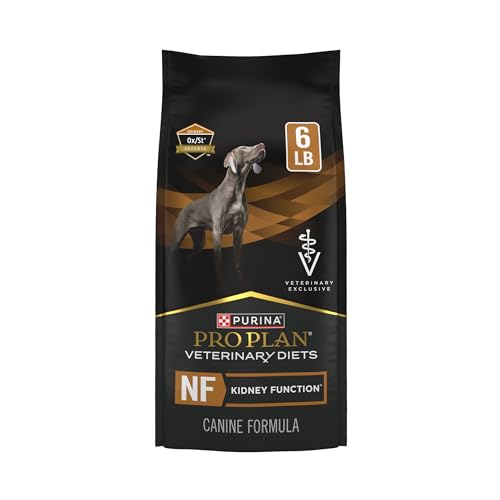
Purina Pro Plan Vet Diets NF Kidney Function Dry Dog Food
What We Like
- Restricted phosphorus for kidney support
- Reduced sodium to manage kidney conditions
- Energy-dense formula for needed calories
- Contains antioxidants for overall health
Trade-offs
- Targeted only for dogs with kidney conditions
- Requires veterinary guidance for proper use
A restricted phosphorus level is the central feature here, directly addressing the needs of dogs with compromised kidney function. This dry kibble also cuts sodium and uses a controlled amount of high-quality protein, so you’re not guessing whether the mineral load is appropriate. The energy-dense formula helps maintain body weight when appetite might be low, and the inclusion of antioxidants adds a layer of cellular support. For owners managing a dog with kidney disease, this formula is a straightforward option on the shelf.
The trade-off is that this diet is narrowly focused: it is designed for dogs with kidney conditions, not for general low-protein feeding. Compared to Dave’s Pet Food Kidney Care, which offers a wet food alternative with similar mineral restrictions, this Purina formula provides a dry option that is easier to portion and store. Just be sure your vet has confirmed kidney disease before switching.
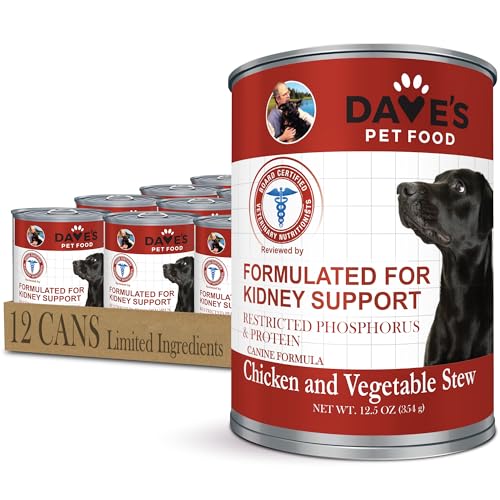
Dave's Pet Food Kidney Care Dog Food
What We Like
- Vet-reviewed renal support formula
- Low phosphorus (max 0.30%)
- Moisture-rich stew for hydration
- No carrageenan, artificial colors or flavors
Trade-offs
- Wet food has shorter shelf life after opening
- Not suitable for dogs needing a dry kibble diet
A max phosphorus of 0.30% puts this wet stew squarely in clinical-grade territory for dogs with compromised kidneys, without requiring a prescription to buy it. The moisture-rich broth helps counter dehydration, a common issue in renal cases, while the soft texture and savory aroma are designed to tempt picky eaters who might otherwise skip meals. Fortified with B-complex vitamins to replace what’s lost through increased urination, it’s a practical daily option for owners managing kidney support at home. The inclusion of real chicken, carrots, and brown rice keeps the ingredient list readable, and the absence of carrageenan, artificial colors, or flavors aligns with a label-reading approach.
Wet food, especially in 12.5 oz cans, means more weight per meal and a shorter fridge life once opened compared to a dry kibble like Purina Pro Plan Vet Diets NF Kidney Function. If your dog is a slow eater or you prefer the convenience of scoop-and-store kibble, this canned stew demands a bit more daily routine. But for a dog that needs extra fluid intake and a gentle texture, the moisture advantage and vet-reviewed formulation make the extra handling worth it.
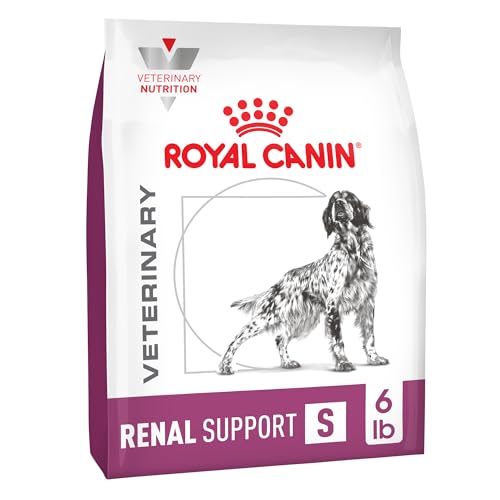
Royal Canin Veterinary Renal Support S Dry Dog Food
What We Like
- Low phosphorus for kidney support
- Targeted protein levels
- Crescent kibble stimulates appetite
- Energy-dense formula reduces meal volume
Trade-offs
- Veterinary-exclusive, requires vet visit
- Only dry food, not suitable for dogs needing wet diet
A precise antioxidant complex, fatty acids from fish oil, low phosphorus, and targeted protein levels are the backbone of this dry formula, designed to support kidney function in dogs that need a controlled diet. The crescent-shaped kibble is a smart touch, it’s highly palatable and energy-dense, so a smaller portion still delivers the calories a picky eater needs. That makes it a practical option for dogs whose appetite has dropped off, a common issue when kidneys are struggling.
A veterinary-exclusive product means you’ll need to get it through your vet. That extra step ensures the diet is appropriate for your dog’s specific condition, but it also means you can’t grab a bag off the shelf on a whim. Compared to Dave’s Pet Food Kidney Care, which is available without a vet visit, Royal Canin’s formula is more tightly controlled, but that control is exactly what some dogs need. If your vet has already recommended a renal support diet, this delivers the targeted nutrition without guesswork.
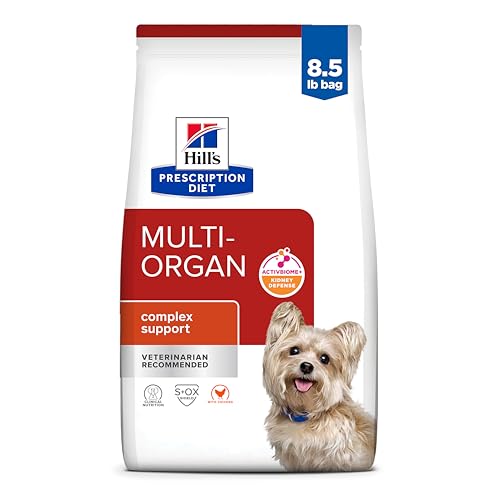
Hill's Prescription Diet Multi-Organ Complex Support Dry Dog Food
What We Like
- Supports multiple organs simultaneously
- Balanced for conflicting nutritional needs
- #1 US Vet Recommended therapeutic food
Trade-offs
- Requires veterinary consultation before use
- Prescription diet, not over-the-counter
- Targeted for multi-organ issues, not single condition
The #1 US Vet Recommended therapeutic pet food, Hill’s Prescription Diet Multi-Organ Complex Support, is formulated for dogs with multiple health issues that may have conflicting nutritional needs. It balances controlled phosphorus, sodium, protein, and fat to support vital organs including kidneys, pancreas, heart, liver, and the bladder. For a dog with early kidney concerns plus a touch of pancreatitis, where a standard renal diet might be too high in fat, this formula tries to keep every organ from being shortchanged.
Because this is a prescription food, you need a vet to sign off before buying, which adds a step and a conversation. Compared to Purina Pro Plan Vet Diets NF Kidney Function, which is designed for kidney conditions, this Hill’s formula is intended for multiple organs. That breadth is its strength, but if your dog only has one clear issue, a more targeted diet might be simpler. For a dog with multiple overlapping problems, though, this multi-organ approach makes more sense than stacking separate specialty foods.
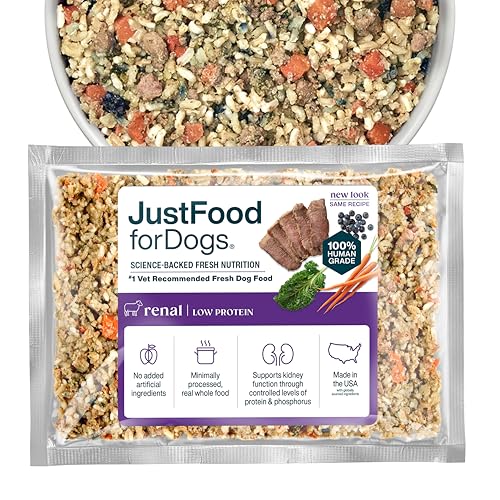
JustFoodForDogs Frozen Fresh Prescription Dog Food Kidney Renal
What We Like
- 100% human-grade ingredients
- Vet-recommended fresh food brand
- No preservatives or growth hormones
- High-calorie for reduced appetites
Trade-offs
- Requires freezer storage and thawing
- Short fridge life after thawing (3-4 days)
- Prescription needed for purchase
This is the only fresh frozen option among the kidney-support foods listed, which means you’ll be feeding whole, gently cooked ingredients rather than processed kibble. The formula is 100% human-grade, so every component could legally be sold for people. It was developed by a team that includes a board-certified nutritionist and has been used in feeding trials published in peer-reviewed journals. For owners who want to avoid preservatives and growth hormones while managing low protein intake, this offers a fresh alternative. The high-calorie profile can help if your dog’s appetite has dropped, a common concern with kidney issues.
Logistics are the main consideration: you need freezer space for the 7-pack, and once thawed, fish-based recipes last only three days in the fridge (four for other proteins). That’s tighter than the shelf-stable kibble from Purina Pro Plan’s NF Kidney Function formula, which you can scoop straight from the bag. If convenience and pantry storage matter more than fresh ingredients, the Purina is easier to manage day-to-day. But if you’re willing to plan ahead for the nutritional edge of whole, gently cooked food, this is the most transparent low-protein option here.
Product photos
Hill's Prescription Diet k/d Kidney Care Wet Dog Food
What We Like
- Clinically proven to improve kidney function
- Reduced phosphorus and sodium levels
- ActivBiome+ prebiotics support gut-kidney axis
- Bite-sized chunks in gravy for picky eaters
Trade-offs
- Requires veterinary prescription to purchase
- Wet food format has shorter shelf life once opened
- Higher moisture content means less calorie density per serving
Hill’s Prescription Diet k/d Kidney Care Wet Dog Food is formulated with ActivBiome+ Kidney Defense, a proprietary blend of prebiotics shown to activate the gut microbiome and help protect kidney function. That’s a specific mechanism you don’t see in every renal diet, and it’s backed by clinical data showing improved quality of life. The reduced phosphorus and sodium directly address the two biggest dietary stressors on compromised kidneys. This wet food also comes in a chicken and vegetable stew with bite-sized chunks in gravy, which matters when a sick dog’s appetite starts fading. Hill’s Prescription Diet is the #1 US Vet Recommended therapeutic pet food brand, so the formulation is backed by veterinary expertise.
The main limitation here is the prescription requirement. You can’t just grab this off the shelf like Dave’s Pet Food Kidney Care, which markets itself as a no-prescription-needed alternative. That means a vet visit and a diagnosis first, which adds a step but also ensures the food matches your dog’s actual lab values. Wet food also spoils faster after opening than a dry kibble like Purina Pro Plan Vet Diets NF, so you’ll need to plan portions and refrigeration. For dogs that need precise, clinically proven kidney support and will actually eat a wet stew, this is the most targeted option in the guide.
Product photos
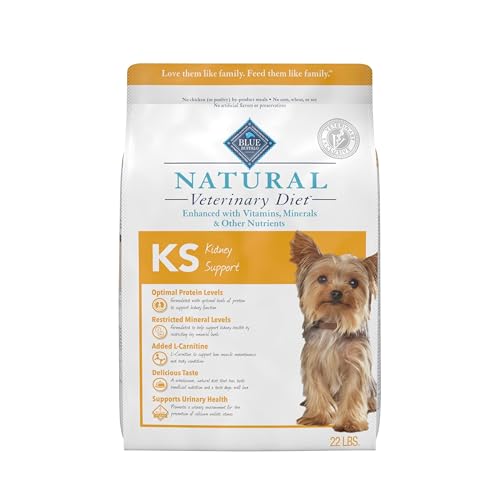
Blue Buffalo Natural Veterinary Diet Kidney Support Dog Food
What We Like
- Real chicken is first ingredient
- Controlled phosphorus and sodium for kidneys
- No corn, wheat, soy, or by-products
- No artificial flavors or preservatives
Trade-offs
- Requires veterinarian authorization to purchase
- Not suitable for dogs without a kidney condition
This kidney support formula starts with real chicken as the first ingredient, providing quality protein in controlled levels to help manage kidney workload. It also features controlled phosphorus and sodium to support kidney health, and is made with natural ingredients, no corn, wheat, soy, or artificial flavors or preservatives. That means you get a clean-label option that still follows veterinary guidance for renal care.
The catch is that you need a veterinarian’s authorization to buy it, unlike some over-the-counter renal diets like Dave’s Pet Food Kidney Care. That’s a hurdle if you’re trying to manage kidney issues without a prescription, but it also means a professional has signed off on the phosphorus and protein levels for your dog. Compared to Purina Pro Plan Vet Diets NF, this bag is over three times heavier at 22 pounds, so you won’t be reordering as often, just make sure your vet agrees it’s the right fit.
Product photos
SquarePet VFS Low Phosphorus Dog Food

What We Like
- Vet-formulated by board-certified nutritionists
- USA-sourced beef and beef liver
- Fortified with omega-3 DHA & EPA
- Antioxidants Vitamins C & E added
Trade-offs
- Wet food has shorter shelf life after opening
- Cans add weight and storage bulk
A low-phosphorus, low-protein wet formula developed by board-certified veterinary nutritionists means this food is built for dogs with specific kidney or dietary needs, not just another canned stew with a health claim. The phosphorus restriction is the headline here, it’s what sets SquarePet VFS apart from standard low-protein options that still run moderate on minerals. With USA-sourced beef and beef liver as the protein base, you’re getting a single-source animal protein that’s easy to read on the label. The added omega-3s (DHA and EPA) plus antioxidant vitamins C and E round out the nutritional support without gimmicks. If you’re managing a dog that needs both low protein and low phosphorus in a wet format, this is a tightly formulated choice that doesn’t rely on marketing fluff.
Canned wet food means once you crack a can, you’re on the clock, refrigerated leftovers need using within a few days, and the case of 12 cans takes up more pantry space than a dry kibble bag like Purina Pro Plan Vet Diets NF Kidney Function Dry Dog Food. That’s the nature of wet food, not a flaw in the recipe, but it does affect how you stock and portion. For owners who prioritize a low-phosphorus, low-protein wet diet with transparent ingredients and vet-level formulation, the SquarePet VFS delivers exactly what the label says, no more, no less.
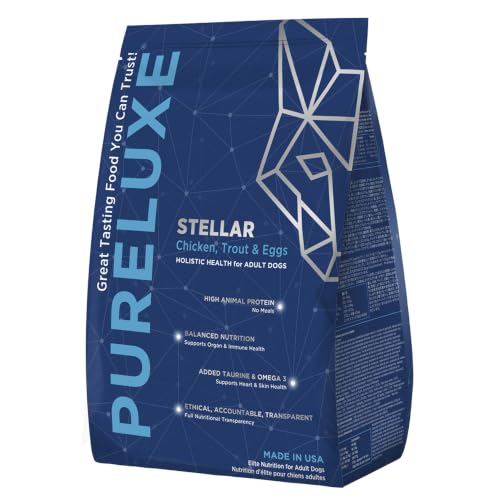
PureLuxe Stellar Holistic Low Protein Dog Food
What We Like
- 100% grain and gluten free
- 75% of protein from animal sources
- Includes prebiotics and active probiotics
- Contains glucosamine and chondroitin
Trade-offs
- Not a veterinary prescription diet
- Not suitable for high-energy working breeds requiring more protein
Seventy-five percent of the protein in this blend comes from animals, which means the chicken, trout, and eggs are doing the heavy lifting rather than plant fillers. That matters for a low-protein food because every gram of protein counts, and you want it to be bioavailable. This grain- and gluten-free formula also packs prebiotics and active probiotics to keep digestion steady, plus glucosamine and chondroitin to help support joint, skin, and coat health. It’s a good fit for adult or senior dogs who need a lower protein load but still deserve a clean ingredient list without corn, soy, wheat, or artificial junk.
Lower protein content works best for dogs with specific dietary needs, not for high-energy working breeds that require more muscle fuel. Compared to a veterinary renal diet like Hill’s Prescription Diet k/d, this isn’t a prescription product, so it won’t have the tightly controlled phosphorus levels that some kidney conditions demand. But if your dog simply needs a moderate protein reduction without a vet script, this gives you transparent sourcing and independent third-party testing for each bag.
Product photos
How We Evaluated Low Protein Dog Foods
Our evaluation started with the numbers that matter most for kidney health: phosphorus content, protein percentage, and sodium levels. We cross-referenced these against AAFCO minimums and veterinary renal diet standards. Manufacturer documentation and published ingredient lists provided the factual backbone for every comparison.
The four criteria that drove our rankings were phosphorus restriction (the primary target in renal diets), protein moderation without going too low, ingredient transparency and quality, and practical factors like palatability and feeding convenience. Dogs with kidney disease often have reduced appetites, so a food that a picky eater will actually finish matters as much as its mineral profile.
A research-led evaluation has limits. We don’t have lab-test data on every batch, and individual dogs respond differently to the same diet. Owner feedback patterns helped us identify which foods dogs actually eat and which cause digestive upset, but your veterinarian’s guidance on your dog’s specific bloodwork should always take priority over a general recommendation.
What To Look For In Low Protein Dog Foods
Choosing a low protein dog food means reading past the front-of-bag marketing and checking the guaranteed analysis and ingredient list. The three factors below are where you should focus your attention.
Look for a phosphorus content at or below 0.50% on a dry matter basis, moderate protein levels between 15-25%, and a calorie density high enough to prevent weight loss in dogs with reduced appetites.
Phosphorus Restriction
Phosphorus is the mineral that matters most in renal diets. Damaged kidneys cannot filter excess phosphorus from the blood, and elevated levels accelerate kidney disease progression. Most veterinary renal diets target phosphorus at 0.30% to 0.50% on a dry matter basis. The SquarePet VFS Low Phosphorus Dog Food and Dave’s Pet Food Kidney Care both hit the lower end of that range. Always check the guaranteed analysis for the phosphorus percentage, not just the protein number.
Protein Quality Over Quantity
Low protein doesn’t mean poor protein. Dogs with kidney disease need highly digestible protein from quality sources so their bodies can use it efficiently without producing excess nitrogenous waste. The Blue Buffalo Natural Veterinary Diet uses real chicken as the first ingredient, while the JustFoodForDogs Frozen Fresh formula uses 100% human-grade ingredients. The goal is to meet your dog’s protein requirements without exceeding what the kidneys can process.
Calorie Density and Palatability
Many dogs with kidney disease lose weight because they don’t feel like eating. A low protein food that a dog refuses is useless. The Royal Canin Veterinary Renal Support S uses a crescent-shaped kibble designed to stimulate appetite, and the Purina Pro Plan Vet Diets NF is energy-dense to deliver more calories per serving. Wet foods like the Hill’s Prescription Diet k/d Kidney Care Wet Dog Food add moisture and aroma that can entice picky eaters.
- Check the calorie content per cup or can against your dog’s current food to ensure they’re not losing calories when you switch.
- Look for added omega-3 fatty acids (DHA and EPA), which have anti-inflammatory benefits for kidney health.
- Avoid foods with artificial colors, flavors, or preservatives that offer no nutritional value.
- Verify that the food meets AAFCO nutrient profiles for the life stage of your dog.
A rule of thumb: if the phosphorus isn’t listed on the guaranteed analysis, call the manufacturer. A renal diet without a phosphorus number is a guessing game.
Low Protein Dog Foods Compared
The table below compares the nine low protein dog foods across the criteria that matter most for dogs with kidney conditions.
| Product | Protein | Phosphorus | Form |
|---|---|---|---|
| Purina Pro Plan Vet Diets NF Kidney Function Dry Dog Food | Restricted high-quality protein | Restricted | Dry |
| Dave's Pet Food Kidney Care Dog Food | Controlled | Max 0.30% | Wet canned stew |
| Royal Canin Veterinary Renal Support S Dry Dog Food | Targeted | Low | Dry |
| Hill's Prescription Diet Multi-Organ Complex Support Dry Dog Food | Controlled protein | Controlled phosphorus | Dry |
| JustFoodForDogs Frozen Fresh Prescription Dog Food Kidney Renal | Low protein | N/A | Frozen fresh |
| Hill's Prescription Diet k/d Kidney Care Wet Dog Food | N/A | Reduced phosphorus & sodium | Wet, Chicken & Vegetable Stew |
| Blue Buffalo Natural Veterinary Diet Kidney Support Dog Food | Controlled Levels | Controlled | Dry |
| SquarePet VFS Low Phosphorus Dog Food | Low | Low | Canned wet food |
| PureLuxe Stellar Holistic Low Protein Dog Food | N/A | N/A | N/A |
Frequently Asked Questions
What is a low protein dog food?
A low protein dog food contains reduced protein levels compared to standard adult maintenance diets, typically ranging from 15% to 25% protein on a dry matter basis. These diets also restrict phosphorus and sodium to reduce the workload on compromised kidneys. They are formulated for dogs with chronic kidney disease or other conditions requiring protein restriction.
When should I switch my dog to a low protein diet?
Only switch to a low protein diet after your veterinarian diagnoses a condition that requires protein restriction, such as chronic kidney disease. Bloodwork results showing elevated BUN and creatinine levels typically indicate the need for dietary changes. Never put a healthy dog on a low protein diet, as it can lead to muscle wasting and nutritional deficiencies.
Can a low protein dog food help with weight management?
Low protein diets are not designed for weight loss. In fact, many renal diets are calorie-dense to help dogs with kidney disease maintain their weight. If your dog needs weight management alongside kidney support, look for a low calorie dog food that also restricts phosphorus. Or consult your vet about a multi-organ support formula like the Hill’s Prescription Diet Multi-Organ Complex.
Is low protein dog food the same as senior dog food?
No. While some senior dog foods have moderately reduced protein levels, true low protein diets are therapeutic formulas with strict phosphorus and sodium restrictions. Senior dogs without kidney disease need adequate protein to maintain muscle mass. For overweight seniors needing a different approach, consider a senior dog food for weight loss that supports joint health while managing calories.
What ingredients should I avoid in low protein dog food?
Avoid foods with high phosphorus sources such as bone meal, fish meal, and organ meats unless specifically formulated for renal diets. Also avoid artificial preservatives like BHA and BHT, and excessive sodium from added salt. For dogs with sensitive stomachs, a limited ingredient dog food with a simple protein source may be easier to digest.
The Bottom Line
The Purina Pro Plan Vet Diets NF Kidney Function Dry Dog Food is our Best Overall pick. It delivers the three things a renal diet needs most: restricted phosphorus, reduced sodium, and enough calories to prevent weight loss. It’s a solid starting point for dogs with diagnosed kidney conditions, provided your veterinarian approves the switch.
If your dog prefers wet food or needs extra hydration, the Dave’s Pet Food Kidney Care Dog Food offers a vet-reviewed stew with phosphorus capped at 0.30%. For owners who want a human-grade, preservative-free option and don’t mind freezer storage, the JustFoodForDogs Frozen Fresh Prescription formula is the most natural choice in this lineup.
The single most important factor in choosing a low protein dog food is your veterinarian’s guidance based on your dog’s bloodwork. No bag or can replaces a vet’s recommendation. Compare the phosphorus numbers, check the protein sources, and feed what your dog will actually eat.
