
10 Best Dog Food For Allergic Dogs in 2026
This post contains affiliate links. As an Amazon Associate, we earn from qualifying purchases.
For dogs with food sensitivities, the right diet can mean the difference between constant scratching and a healthy, comfortable life. Our Best Overall pick, Royal Canin HP Hypoallergenic Dry Dog Food, uses hydrolyzed soy protein to avoid triggering immune reactions while supporting skin and coat health. We also highlight Hill’s Prescription Diet z/d as the Best Veterinarian Recommended option and Purina Pro Plan HA Hydrolyzed as the Best Highly Digestible choice.
The challenge with allergic dogs is identifying the specific trigger, often a common protein like chicken or beef, and then finding a food that avoids it without sacrificing nutrition. Many owners find themselves cycling through bags of kibble, watching their dog’s symptoms persist.
This guide is based on a thorough review of manufacturer specifications, veterinary nutritional guidelines, and patterns reported by owners managing canine food allergies. We break down the key differences between hydrolyzed diets, limited-ingredient foods, and novel protein sources so you can make an informed choice for your dog.
Top 10 Dog Foods For Allergic Dogs in the Market

Certain content that appears on this site comes from Amazon. This content is provided "as is" and is subject to change or removal at any time.
The Best Dog Foods For Allergic Dogs, Reviewed
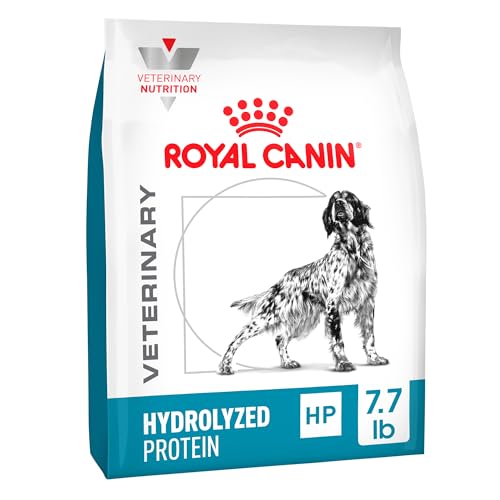
Royal Canin HP Hypoallergenic Dry Dog Food
What We Like
- Hydrolyzed soy protein for food sensitivities
- Supports skin barrier and coat health
- Enriched with EPA and DHA fatty acids
- Formulated by veterinarians for precise nutrition
Trade-offs
- Not suitable for dogs with soy allergies
- Requires veterinary authorization to purchase
The hydrolyzed soy protein in this formula is composed of low molecular weight peptides, which makes it highly digestible for adult dogs with food sensitivities. It’s designed to support both gastrointestinal and dermatological health, so it can be a useful tool when you’re trying to identify what triggers your dog’s reactions. For owners who need a controlled protein source to help manage sensitivities, this bag provides that without introducing common allergens.
The trade-off is bag size: at 7.7 lb, you’re getting roughly 38 cups of food. That’s a smaller quantity compared to some other hydrolyzed options like Hill’s Prescription Diet z/d, which comes in a 25 lb bag. If you have a large dog or prefer to buy in bulk, you’ll need to reorder more often with this size. On the other hand, if you’re just starting to test a new diet, the smaller bag means you won’t have a huge amount left over if the formula doesn’t work out.
Hill's Prescription Diet z/d Dry Dog Food

What We Like
- Hydrolyzed proteins avoid immune detection
- Clinically shown to firm stool in 3 days
- Omega-6 & 3 fatty acids for skin health
- ActivBiome+ prebiotic fibers support digestion
Trade-offs
- Requires continued feeding for lasting results
- Prescription diet limits over-the-counter access
The hydrolyzed proteins in this formula are broken down small enough to avoid triggering the immune system, which is the core mechanism for managing food sensitivities. That clinical approach, paired with a proprietary prebiotic blend shown to activate the gut microbiome, makes it a targeted tool for dogs with confirmed adverse food reactions. It suits owners who want a veterinarian-backed solution and are willing to follow a prescription diet for their dog’s skin and digestive health.
This prescription diet requires a vet’s approval, but continued feeding is recommended to reduce the risk of adverse food reactions and promote healthy skin and digestion. Compared to the Royal Canin HP Hypoallergenic, which comes in a 7.7 lb bag, the Hill’s offers a larger 25 lb bag for multi-dog households or longer-term use. For dogs with confirmed food sensitivities, this formula’s hydrolyzed design is the more precise choice.
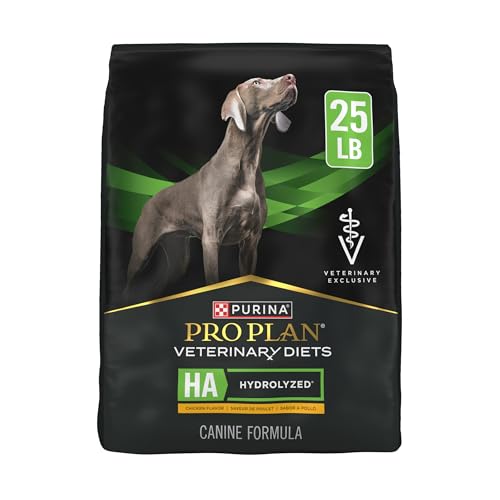
Purina Pro Plan HA Hydrolyzed Dry Dog Food
What We Like
- Hydrolyzed protein for reduced allergenicity
- Single carbohydrate source limits triggers
- Highly digestible for optimal nutrient absorption
Trade-offs
- Single carbohydrate source limits variety
Hydrolyzed protein breaks allergens into fragments too small for most immune systems to recognize, which is the whole point for a dog with confirmed food sensitivities. The formula uses a single carbohydrate source and is highly digestible to promote optimal nutrient absorption. Antioxidants add general health support without complicating the ingredient list.
You’re locked into a chicken-based hydrolyzed protein here, which works for many dogs but not for those who react specifically to chicken even in broken-down form. Hill’s Prescription Diet z/d also uses a hydrolyzed chicken recipe in the same 25-pound bag size. If your vet has already ruled out chicken entirely, you’ll want to look elsewhere.
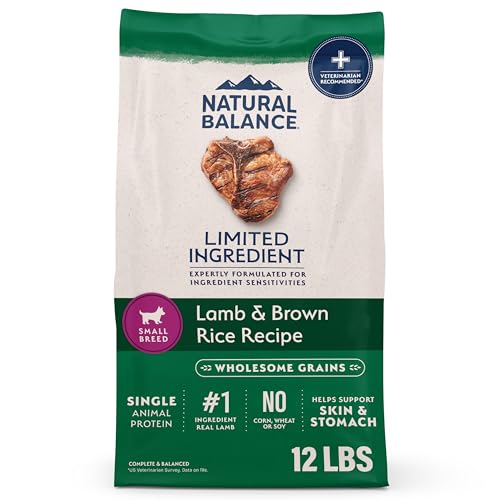
Natural Balance Limited Ingredient Small Breed Dog Food
What We Like
- Single animal protein source
- Wholesome grains for digestion
- Omega 3 & 6 for skin and coat
- Vet recommended formula
Trade-offs
- 12 lb bag is small for large households
- Not suitable for grain-free diets
A single animal protein source, lamb, means fewer ingredients for a sensitive small breed to react to, and the brown rice provides digestible fiber that supports stomach health. This recipe is built around a limited ingredient philosophy, keeping the protein and carbohydrate sources simple so you can more easily identify what works for your dog. The omega 3 and 6 fatty acids are a practical addition for dogs with skin sensitivities, helping maintain a healthy coat without relying on exotic oils or fillers.
At 12 pounds, this bag is light enough to stash in a small pantry or even a cabinet shelf, so it’s a practical size for a single small breed dog. But if you’ve got multiple small pups or a larger breed, you’ll be buying it more often. The formula includes wholesome grains like brown rice to support digestion, which is a plus for many dogs, though it’s not a grain-free option.
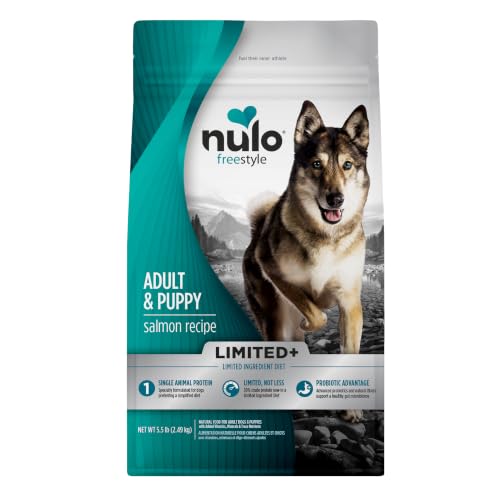
Nulo FreeStyle Limited Ingredient Salmon Dog Food
What We Like
- Single animal protein source: salmon
- No chicken, eggs, or peas
- Contains BC30 probiotics for digestion
- Omega-3 and omega-6 for skin and coat
Trade-offs
- Not suitable for dogs needing a hydrolyzed protein diet
- Contains salmon oil, which some dogs dislike the smell
A single animal protein, salmon, is the only meat source in this bag, which cuts out the guesswork for dogs with food sensitivities. With 30% crude protein and BC30 probiotics, it supports lean muscle and digestive health without the usual suspects like chicken, eggs, or peas. This makes it a straightforward option for owners who want a clean ingredient list and a clear protein source to test against their dog’s allergies.
Grain-free formulas aren’t right for every dog, and this one uses intact salmon protein rather than hydrolyzed protein, so it’s not designed for dogs that need a fully broken-down protein source. For dogs with less severe food sensitivities, though, it offers a single animal protein and a short ingredient list that makes it easy to see what’s in the bag.
Product photos
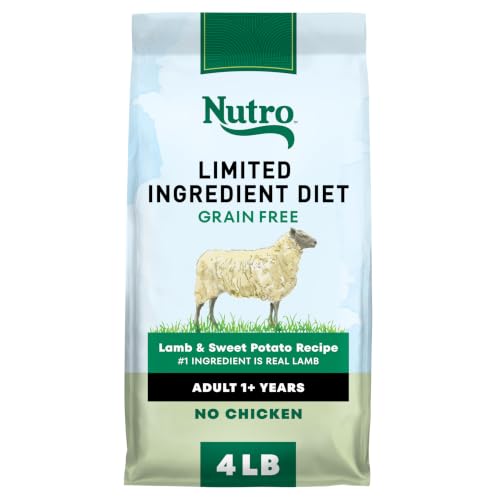
Nutro Limited Ingredient Lamb & Sweet Potato Dog Food
What We Like
- Lamb is the #1 ingredient
- 10 key ingredients or less
- Omega 3 and 6 for skin
- No chicken, corn, wheat, soy
Trade-offs
- Not suitable for puppies
Ten ingredients or less means you can read the entire list in one glance, no mystery additives or filler jargon to decode. That simplicity is the whole point here: lamb is the first ingredient, and the formula skips chicken, beef, corn, wheat, and soy, which are common triggers for dogs with dietary sensitivities. The added Omega 3 and 6 fatty acids target the skin and coat directly, so if your dog scratches or has a dull coat, this recipe is designed to address that without loading up on extras you don’t need.
This is a grain-free formula, which some dog owners may not prefer if they want grains in their dog’s diet. The Royal Canin HP Hypoallergenic uses hydrolyzed protein, while Nutro uses a single, recognizable protein source and a short ingredient list. For dogs with dietary sensitivities that require a prescription elimination diet, a hydrolyzed protein option may be more appropriate.
Royal Canin Veterinary Hydrolyzed Protein Wet Dog Food
What We Like
- Hydrolyzed proteins reduce immune reaction risk
- B vitamins and amino acids support skin barrier
- Fiber blend aids digestion in sensitive dogs
- Highly flavorful soft texture for picky eaters
Trade-offs
- Veterinary-exclusive: requires vet approval to buy
- Requires veterinarian approval before purchase
A 13.7-ounce can of hydrolyzed wet food means each serving delivers proteins broken into low molecular weight peptides, which lowers the chance of triggering an immune reaction in dogs with food sensitivities. That makes this a solid tool for elimination diets or long-term management of confirmed allergies. The formula also packs B vitamins and amino acids to support the skin barrier, plus a fiber blend for dogs prone to stomach upsets. If your dog turns up its nose at bland hypoallergenic diets, the soft, highly flavorful loaf texture helps keep mealtime from becoming a battle.
Because this is a veterinary-exclusive product, you’ll need a vet’s okay before you can order it. That’s a barrier if you’re just starting to explore whether your dog has a dietary sensitivity. Compared to the Natural Balance Limited Ingredient Small Breed Dog Food, which uses lamb and brown rice, the Royal Canin offers a more targeted hydrolyzed protein approach. If you’re working with a vet on a strict elimination diet, the precision is worth the extra step.
Product photos
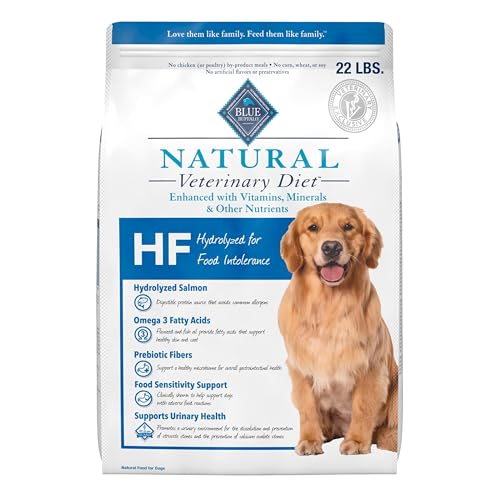
Blue Buffalo Veterinary Diet Hydrolyzed Salmon Dog Food
What We Like
- Real salmon as #1 ingredient
- Hydrolyzed protein for food sensitivities
- Omega 3 from fish oil and flaxseed
- No poultry by-product meals
Trade-offs
- Veterinary prescription required for purchase
- Not suitable for dogs with fish allergies
Hydrolyzed salmon as the first ingredient means this food breaks down the protein into smaller pieces, making it less likely to trigger an allergic reaction in dogs with dietary sensitivities. That’s the core idea behind the Blue Buffalo Veterinary Diet Hydrolyzed Salmon formula. It’s a natural dry dog food with no corn, wheat, or soy, and it skips poultry by-product meals entirely. The formula includes omega-3 fatty acids from fish oil and flaxseed to support healthy skin and coat, a practical benefit for dogs with dietary sensitivities. This is a straightforward, no-nonsense choice for owners seeking a limited-ingredient approach without guessing what’s inside the bag.
This is a prescription diet, so you’ll need a vet’s approval before buying. That’s a barrier compared to over-the-counter options like Natural Balance Limited Ingredient Small Breed Dog Food, which you can grab without a visit to the clinic. If your dog tolerates fish well and you’re already working with a vet on an elimination diet, this formula gives you a clean, single-source protein with minimal filler ingredients. Just be ready to clear it with your veterinarian first.
Product photos
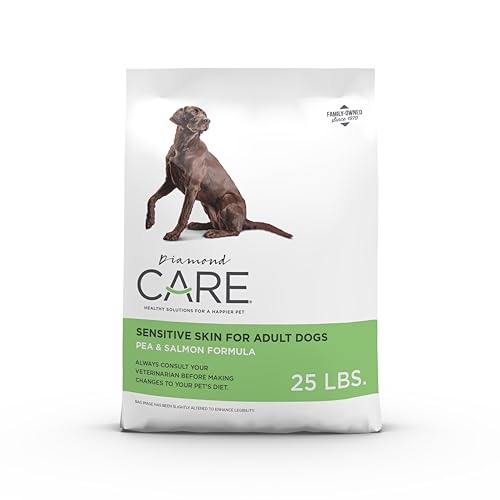
Diamond Care Sensitive Skin Hydrolyzed Salmon Dog Food
What We Like
- Single-source hydrolyzed salmon protein
- Guaranteed omega fatty acids for skin
- Guaranteed probiotics for digestion
- Family owned, made in USA
Trade-offs
- Limited to adult dogs only
- Not suitable for dogs needing wet food or non-salmon protein
A single-source hydrolyzed salmon protein base with guaranteed levels of omega fatty acids and probiotics means this food is built from the label out for dogs with skin sensitivities. The hydrolyzed protein reduces the chance of triggering an immune response, while the added omega-6 and omega-3 fatty acids are explicitly guaranteed to support skin and coat health, not just listed as an afterthought. That makes it a strong pick for owners seeking a limited-ingredient diet without guessing whether the key nutrients are actually present in meaningful amounts. The 25-pound bag provides a substantial volume for feeding, and the family-owned, US-made production adds a layer of transparency that appeals to skeptical label-readers.
If your dog needs a wet food or a different protein source, this dry kibble won’t work. The hydrolyzed salmon is a single-source protein, which helps dogs with food sensitivities. A 25-pound bag provides plenty for maintenance feeding, but it does take up real pantry space.
Product photos
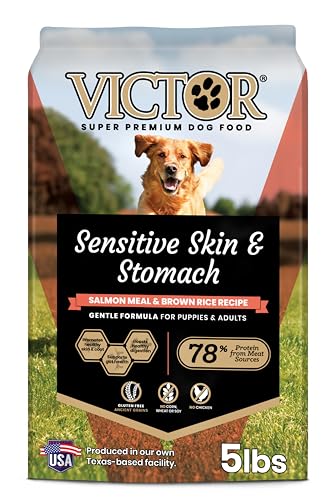
Victor Sensitive Skin & Stomach Salmon Dog Food
What We Like
- Gluten free and no chicken
- Salmon meal as first ingredient
- Contains prebiotics and probiotics
- Made in Texas facility
Trade-offs
- Includes brown rice, not grain-free
- 5 lb bag is small for large dogs
Salmon meal is the first ingredient here, which means the protein comes from a named source rather than vague ‘meat meal’, a detail I appreciate when reading labels. This recipe skips chicken and gluten entirely, two common triggers for dogs with dietary sensitivities, and adds prebiotics and probiotics to support digestion and immune function. That combination makes it a practical choice for owners seeking a straightforward, limited-trigger diet without going to a hydrolyzed prescription food. The VPRO Blend of supplements is their own mix, but the real draw is what’s left out: no chicken, no gluten, and a clear protein source you can point to on the bag.
This isn’t a grain-free formula, brown rice is included, which some owners with very strict elimination diets may want to avoid. Compared to the Nulo FreeStyle Limited Ingredient Salmon, which uses a single protein source and is grain-free, Victor’s recipe is less restrictive but also less likely to cause issues for dogs that tolerate grains well. The 5-pound bag is fine for small breeds or trial runs, but if you have a larger dog, you’ll be ordering more frequently. It’s a solid middle ground between over-the-counter sensitive formulas and veterinary diets, especially if gluten is your main concern.
Product photos
How We Evaluated Dog Foods For Allergic Dogs
Our evaluation began with a close look at the protein source in each formula. For dogs with confirmed food allergies, hydrolyzed proteins, broken down into particles too small for the immune system to recognize, are the most reliable option. We prioritized foods that clearly state their protein source and processing method, such as the hydrolyzed soy protein in Royal Canin HP or the hydrolyzed salmon in Blue Buffalo Veterinary Diet.
We also examined the ingredient list for common triggers. Many allergic dogs react to chicken, beef, dairy, or eggs, so we favored formulas that avoid these entirely. The Nutro Limited Ingredient Lamb & Sweet Potato recipe, for example, keeps its ingredient list to 10 key items or fewer, reducing the chance of accidental exposure. We cross-referenced each formula against known patterns of common allergens to ensure the picks avoid the most frequent culprits.
Finally, we considered the practical aspects of feeding an allergic dog: digestibility, omega fatty acid content for skin health, and whether the food requires a veterinary prescription. While we do not conduct feeding trials, our research draws on veterinary nutrition guidelines and the collective experience of owners managing allergies and itchy skin in their pets. The honest limit of this approach is that individual dogs may still react to a formula that works well for others, which is why we recommend consulting your veterinarian before making a switch.
What To Look For In Dog Foods For Allergic Dogs
Choosing the right food for an allergic dog means looking past marketing claims and reading the ingredient panel carefully. The most important factor is the protein source and how it is processed.
Look for a single, novel, or hydrolyzed protein source. Avoid foods with vague “meat meal” or “poultry by-product” labels. Check for added omega fatty acids for skin support and probiotics for digestion.
Protein Source and Processing
The protein is the most common trigger for food allergies in dogs. Hydrolyzed proteins, found in prescription diets like Royal Canin HP and Hill’s z/d, are broken into fragments too small to trigger an immune response. For dogs with mild sensitivities, a limited ingredient dog food with a single novel protein (like salmon or lamb) can be effective. If your dog has a known chicken allergy, avoid any formula containing chicken meal, chicken fat, or chicken by-products.
Digestive Support and Skin Health
Allergies often manifest as both skin irritation and digestive upset. Look for foods with guaranteed levels of omega-3 and omega-6 fatty acids, which support the skin barrier and reduce inflammation. Probiotics and prebiotic fibers, like those in Purina Pro Plan HA and Victor Sensitive Skin & Stomach, help maintain healthy digestion and nutrient absorption. A dog with a healthy gut is better equipped to process food without adverse reactions.
Prescription vs. Over-the-Counter
Veterinary prescription diets offer the most reliable control over allergens because they are manufactured in dedicated facilities with strict quality controls. However, they require a vet’s authorization and are typically more expensive. Over-the-counter hypoallergenic dog food options, like Nulo FreeStyle or Natural Balance, are easier to access and work well for dogs with mild to moderate sensitivities. The right choice depends on the severity of your dog’s symptoms and your veterinarian’s recommendation.
- Check the protein source first: is it hydrolyzed, novel, or a common allergen like chicken?
- Look for a “limited ingredient” claim and count the actual ingredients on the label.
- Confirm the food is formulated for your dog’s life stage (puppy, adult, or all life stages).
- Verify the presence of omega fatty acids and probiotics if skin or digestive issues are present.
A food that works for one allergic dog may not work for another, always transition slowly and monitor symptoms.
Dog Foods For Allergic Dogs Compared
The table below compares our top picks across the most important criteria for managing food allergies: protein source, ingredient count, and key nutritional features.
| Product | Protein Source | Key Feature | Weight |
|---|---|---|---|
| Royal Canin HP Hypoallergenic Dry Dog Food | Hydrolyzed soy protein | Hydrolyzed Protein Formula | 7.7 lb |
| Hill's Prescription Diet z/d Dry Dog Food | Hydrolyzed Chicken | Hydrolyzed proteins | 25 lb |
| Purina Pro Plan HA Hydrolyzed Dry Dog Food | Hydrolyzed | Single carbohydrate source | 25 lb |
| Natural Balance Limited Ingredient Small Breed Dog Food | Lamb | Limited Ingredient | 12 lb |
| Nulo FreeStyle Limited Ingredient Salmon Dog Food | Salmon | Single-Source Protein | 5.5 lb |
| Nutro Limited Ingredient Lamb & Sweet Potato Dog Food | Lamb #1 Ingredient | 10 key ingredients or less | 4 lb |
| Royal Canin Veterinary Hydrolyzed Protein Wet Dog Food | Hydrolyzed (low molecular weight peptides) | Hydrolyzed Protein Formula | 13.7 oz, 12-pack |
| Blue Buffalo Veterinary Diet Hydrolyzed Salmon Dog Food | Hydrolyzed Salmon | Real Salmon #1 Ingredient | 22 lb |
| Diamond Care Sensitive Skin Hydrolyzed Salmon Dog Food | Hydrolyzed Salmon | Limited Ingredient Diet | 25.0 pounds |
| Victor Sensitive Skin & Stomach Salmon Dog Food | Salmon Meal | Gluten Free | 5 lb |
Frequently Asked Questions
What is the best dog food for dogs with allergies?
The best option depends on the severity of your dog’s allergies. For confirmed food sensitivities, a hydrolyzed protein prescription diet like Royal Canin HP Hypoallergenic Dry Dog Food is often the most effective choice. For milder cases, a limited-ingredient diet with a single novel protein, such as Nulo FreeStyle Salmon, may work well.
How do I know if my dog has a food allergy?
Common signs include chronic itching, ear infections, hot spots, and gastrointestinal issues like vomiting or diarrhea. A veterinary elimination diet, feeding a single novel or hydrolyzed protein source for 8 to 12 weeks, is the only reliable way to confirm a food allergy. If symptoms improve during the trial and return when the old food is reintroduced, a food allergy is likely.
Can I buy hypoallergenic dog food without a prescription?
Yes. Over-the-counter options like Natural Balance Limited Ingredient and Victor Sensitive Skin & Stomach do not require a prescription. However, these foods are not manufactured in the same allergen-controlled facilities as veterinary diets, so there is a higher risk of cross-contamination. For dogs with severe allergies, a prescription diet is the safer choice.
What ingredients are most dogs allergic to?
The most common triggers are beef, dairy, chicken, and wheat. Chicken is particularly prevalent because it appears in so many commercial dog foods. When choosing food for allergies, it is wise to start with a protein your dog has never eaten before, such as salmon, lamb, or venison, to minimize the chance of a reaction.
How long does it take for a new food to help an allergic dog?
Most dogs show improvement in skin and digestive symptoms within 4 to 8 weeks of starting an appropriate elimination diet. Some changes, like firmer stools, can appear in as little as 3 days with formulas like Hill’s z/d. Full resolution of skin issues may take longer as the coat and skin barrier repair.
The Bottom Line
For owners managing a dog with confirmed food sensitivities, the Royal Canin HP Hypoallergenic Dry Dog Food is our Best Overall pick. Its hydrolyzed soy protein formulation is designed to avoid immune detection while supporting skin and coat health with EPA and DHA fatty acids. This is the food to discuss with your veterinarian if you are starting an elimination diet or need a reliable long-term solution.
If you prefer a veterinarian-recommended option with proven digestive support, Hill’s Prescription Diet z/d is an excellent alternative with its ActivBiome+ prebiotic technology. For dogs with mild sensitivities that do not require a prescription, the Nulo FreeStyle Limited Ingredient Salmon formula offers a single-protein diet with probiotics at a more accessible price point.
The single most important factor in managing your dog’s allergies is identifying and avoiding the trigger protein. Whether you choose a hydrolyzed prescription diet or a limited-ingredient over-the-counter food, always transition slowly and monitor your dog’s symptoms closely. Your veterinarian remains the best guide for this process.
