
5 Best Bird Seed Mixes For Winter in 2026
This post contains affiliate links. As an Amazon Associate, we earn from qualifying purchases.
The JCs Wildlife All Season Bird Seed Cylinder is the best overall winter bird seed mix because it combines suet and nuts in a dense, weather-resistant cylinder. It holds its shape through rain and snow, so birds can feed even in bad weather. For mess-free feeding, the Kaytee Seed & Suet No Mess Blend attracts a wide range of birds without littering your lawn. The Blue Seal Concerto Premium High-Energy Blend delivers a corn-free, high-calorie option for finches and cardinals.
Winter feeding presents a real challenge: seeds can spoil in wet weather, and birds need more fat and protein to maintain body heat through cold nights. A mix that resists moisture, provides high-energy ingredients, and appeals to the species in your area makes the difference between a busy feeder and an ignored one.
This guide is based on manufacturer specifications, expert round-ups on winter bird nutrition, and patterns in owner feedback about what birds actually eat in cold months. We focused on energy density, weather resistance, ingredient quality, and mess level to recommend five blends that perform when temperatures drop.
Top 5 Bird Seed Mixes For Winter in the Market
Certain content that appears on this site comes from Amazon. This content is provided "as is" and is subject to change or removal at any time.
The Best Bird Seed Mixes For Winter, Reviewed
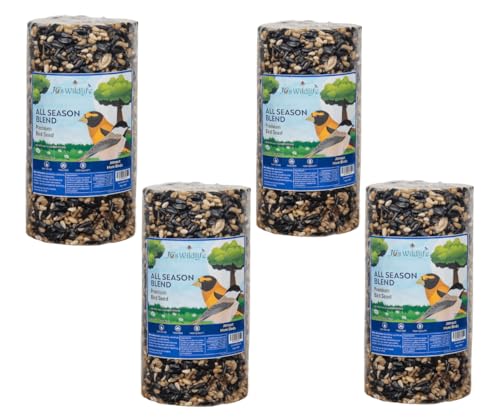
JCs Wildlife All Season Bird Seed Cylinder
What We Like
- Year-round blend with suet and nuts
- Handcrafted in the Midwest
- Holds shape in rain and snow
- Attracts cardinals, chickadees, woodpeckers
Trade-offs
- Heavy 7 lb cylinder needs sturdy feeder
- Contains tree nuts, not for nut-free yards
The rendered beef suet and shelled pecans in this cylinder pull in chickadees, nuthatches, finches, bluebirds, titmice, wrens, kinglets, mockingbirds, and woodpeckers, species that straight sunflower mixes often miss. The safflower draws cardinals fast while squirrels tend to leave it alone, so you get two ingredients doing two jobs at the same feeder. The handcrafted binding holds firm from the first bird to the last, through rain, snow, and summer heat, so the cylinder stays intact even when a woodpecker hangs on it.
The 7-pound cylinder needs a feeder built to handle the weight, so it’s not a grab-and-hang option for every setup. The tree nut content also means it won’t work in yards where nut allergies or squirrel preferences are a concern. Compared to the Kaytee Seed & Suet No Mess Blend, which includes blueberry flavor, this cylinder uses whole ingredients like pecans, raisins, and cranberries. If you want a single-station solution that covers everything from spring nesting to winter survival, this is the one to hang.
Kaytee Seed & Suet No Mess Blend

What We Like
- 100% edible seeds and suet nuggets
- No mess on your lawn
- Attracts 2x more birds than sunflower alone
Trade-offs
- 10-pound bag is heavy for some feeders
A 10-pound bag of this blend means you’re getting a full winter’s worth of food that won’t leave a mess under your feeders. The seeds and suet nuggets are 100% edible, so nothing gets discarded on the ground, ideal if you have a patio or lawn you’d rather not rake. It’s designed for tube, hopper, or platform feeders, making it versatile for most setups. This is the pick for anyone who wants to attract a wider variety of birds, including woodpeckers, without the cleanup hassle.
The suet nuggets provide high-energy fat that winter birds need, and the blueberry flavor is part of the blend’s formulation. Compared to the JCs Wildlife All Season Bird Seed Cylinder, which offers a solid block format, this Kaytee blend gives you more flexibility in feeder choice and a lighter overall weight per feeding session. If you prioritize a tidy feeding area and attracting woodpeckers, this is a strong option.
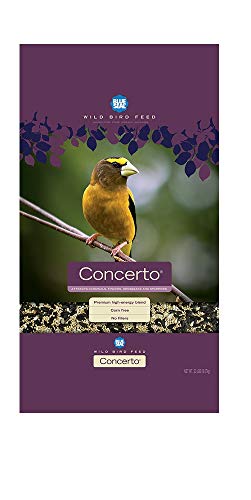
Blue Seal Concerto Premium High-Energy Blend
What We Like
- Corn-free, no filler ingredients
- Shell-free mix reduces mess
- High-energy blend for winter
- Attracts cardinals, finches, grosbeaks, sparrows
Trade-offs
- No suet or fruit for variety in extreme cold
- Not suitable for birds that prefer whole seeds with shells
Blue Seal Concerto Wild Bird Seed is a premium high-energy blend that skips corn and fillers entirely, loading up with black oil sunflower seed, white millet, safflower, sunflower chips, and peanut hearts. This mix is designed to attract cardinals, finches, grosbeaks, and sparrows, making it a focused option for winter bird feeding. The ingredient list tells you exactly what you’re paying for, and that’s exactly what the birds will eat.
Bag size is the main limitation here. At 8 pounds, you’ll be refilling more often than with a 10-pound Kaytee Seed & Suet No Mess Blend, especially if you run multiple feeders or have a hungry flock. No suet or fruit here either, so if you’re trying to attract woodpeckers or blue jays in deep winter, you’d need a separate offering. But for a straight high-energy seed blend that doesn’t waste your money on filler, this is a clean, focused option. The ingredient list tells you exactly what you’re paying for, and that’s exactly what the birds will eat.
Wagner's Classic Blend Wild Bird Food

What We Like
- Includes sunflower for high-energy birds
- Works in tube, hopper, or platform feeders
- Formulated for all-season feeding
- Attracts jays, cardinals, doves, finches
Trade-offs
- Contains milo, which some birds ignore
- Cracked corn can spoil in wet weather
A 6-pound bag of millet, milo, cracked corn, and sunflower means this mix covers the basics without blowing the budget. The blend attracts jays, cardinals, doves, juncos, finches, and other backyard birds, so you can expect a variety of visitors. It’s designed for tube, hopper, or platform feeders, so you can toss it in whatever you already own. For someone stocking a winter feeder on a tight grocery run, this gets the job done without overthinking the ingredient list.
The milo in this blend is a standard filler that some birds may ignore, but the overall mix still attracts a wide range of species. Compared to the JCs Wildlife cylinder, which comes in a 4-pack of 7-pound cylinders, Wagner’s loose mix is better suited for traditional tube, hopper, or platform feeders. If you’re okay with a straightforward blend that won’t strain the wallet, this is a practical starting point.
Product photos
Kaytee Bird & Balcony No Mess Seed Blend

What We Like
- No-mess seed blend for balconies
- Sunflower seed as first ingredient
- Attracts city-dwelling birds
- Safe for railing or window feeders
Trade-offs
- 5-pound bag is smaller than some winter blends
- Limited to small city birds, not larger species
A 5-pound bag of no-mess seed blend means less hull cleanup on a balcony or patio. Sunflower seed is the first ingredient, which attracts city-dwelling birds like finches, sparrows, and mourning doves. This blend is designed for feeders that attach to railings or windows, so it works well in small outdoor spaces without needing a pole or a large yard. It’s a practical option for anyone who wants to feed birds without leaving seed shells behind.
At 5 pounds, you’ll refill more often than with a larger option like the JCs Wildlife cylinder, which weighs 7 pounds. That extra weight means fewer refills if you’re feeding a lot of birds. But for a balcony or apartment, the smaller bag is easier to store and the no-mess formula keeps your space clean. This isn’t a bulk solution for heavy feeding, but for city dwellers it’s a focused one.
Product photos
How We Evaluated Bird Seed Mixes For Winter
We started by reading manufacturer ingredient lists and nutritional data to understand what each blend actually delivers. Then we cross-referenced that against expert recommendations for winter bird seed to identify the ingredients that matter most in cold weather: black oil sunflower, peanuts, suet, and shell-free options that reduce waste. Owner feedback patterns, what birds show up, what gets left behind, how the seed holds up after a rain, filled in the real-world picture.
Three criteria drove our rankings. Energy density came first: winter birds burn calories fast, so we looked for blends high in fat and protein rather than cheap fillers like milo or red millet. Weather resistance was second: seeds that soak up moisture spoil quickly and can grow mold, so we favored cylinders, nuggets, and shell-free mixes that shed water. Mess level rounded out the list, because a seed mix that scatters hulls across a snowy lawn attracts rodents and wastes money.
Every evaluation has limits. Individual bird populations vary by region, so what works for a backyard in Minnesota may not match the species in Georgia. We recommend checking the ingredient list on the bag and comparing it to what local birds actually eat.
What To Look For In Bird Seed Mixes For Winter
Winter bird seed blends are not all the same. The right mix keeps birds coming back through freezing weather without wasting your money on filler seeds that get kicked to the ground. Focus on ingredients, form, and how the blend handles moisture.
Choose a winter bird seed mix with black oil sunflower as the first ingredient. It should also have a visible fat source, such as suet, peanuts, or sunflower chips. Minimize or avoid milo and cracked corn, which spoil in wet weather. A cylinder or nugget form resists moisture better than loose seed.
Energy Density and Fat Content
Birds need high-calorie food in winter to survive overnight cold. Look for blends that list black oil sunflower, peanuts, sunflower chips, or suet among the first ingredients. These provide the fat and protein that chickadees, cardinals, woodpeckers, and nuthatches depend on. A high-fat winter bird seed blend should have a high oil content from sunflower or nuts. Avoid mixes where milo, millet, or cracked corn appear early in the ingredient list, those are cheap fillers that many winter birds ignore.
Weather Resistance and Feed Form
Loose seed mixes with cracked corn or whole millet absorb moisture and spoil quickly in rain or snow. Cylinders, nuggets, and shell-free blends hold up better because they have less surface area for moisture to penetrate. A dense bird seed cylinder like the JCs Wildlife All Season option stays intact through wet weather and reduces the need to dump spoiled seed. If you prefer loose seed, look for blends with hulled sunflower or shell-free ingredients, which dry faster and resist mold.
Mess Level and Cleanup
Hulls and shells from whole sunflower seeds accumulate under feeders and can attract rodents, especially in winter when food is scarce. No-waste bird seed blends use hulled seeds and shell-free ingredients so every piece is edible. Nothing falls to the ground, which keeps the area clean. For balcony or patio feeders, a no-mess bird seed blend prevents hulls from blowing into neighbors’ spaces. The trade-off is cost: shell-free seeds are more expensive per pound, but you waste less.
- Check the ingredient list: black oil sunflower should be first or second.
- Look for a visible fat source: suet nuggets, peanut pieces, or sunflower chips.
- Avoid blends with more than 10 percent milo or cracked corn.
- Choose cylinders or nuggets for exposed feeders, shell-free blends for balconies.
- Read owner reviews for your region to see which birds actually visit.
A good winter blend has more fat than filler, if the first ingredient is milo, put the bag back.
Bird Seed Mixes For Winter Compared
The table below compares the five winter bird seed mixes we selected, showing their key ingredients, best uses, and trade-offs at a glance.
| Product | Weight | Key Ingredients | Target Birds |
|---|---|---|---|
| JCs Wildlife All Season Bird Seed Cylinder | 7.0 pounds | Black oil sunflower, safflower, shelled pecans, peanuts, tree nuts, rendered beef suet, raisins, cranberries | Cardinals, Chickadees, Nuthatches, Finches, Bluebirds, Titmice, Wrens, Kinglets, Mockingbirds, Woodpeckers |
| Kaytee Seed & Suet No Mess Blend | 10.0 pounds | Seeds and Suet Nuggets | Woodpeckers |
| Blue Seal Concerto Premium High-Energy Blend | 8 pounds | Black oil sunflower seed, white millet, white safflower seed, sunflower chips, peanut hearts | Cardinals, Finches, Grosbeaks, Sparrows |
| Wagner's Classic Blend Wild Bird Food | 6 pounds | Millet, milo, cracked corn, sunflower | Jays, cardinals, doves, Juncos, finches, goosebeaks |
| Kaytee Bird & Balcony No Mess Seed Blend | 5.0 pounds | Sunflower Seed | Finches, Sparrows, Mourning Doves |
Frequently Asked Questions
What is the best bird seed for winter feeding?
The JCs Wildlife All Season Bird Seed Cylinder is our top pick because it combines suet, nuts, and seeds in a dense, weather-resistant form that attracts cardinals, chickadees, and woodpeckers through rain and snow. For a no-mess option, the Kaytee Seed & Suet No Mess Blend offers shell-free eating with suet nuggets.
Should I use suet in winter bird seed mixes?
Yes. Suet provides concentrated fat that helps birds maintain body heat in cold weather. Many winter blends include suet nuggets or cylinders, and you can also offer straight suet for birds in a dedicated feeder. Birds like woodpeckers, nuthatches, and chickadees will visit suet feeders regularly in winter.
What ingredients should I avoid in winter bird seed?
Avoid blends with high amounts of milo, red millet, and cracked corn. Milo is often ignored by birds in northern regions, and cracked corn spoils quickly in wet weather. Stick to blends where black oil sunflower, peanuts, sunflower chips, or suet are the primary ingredients for the best winter results.
How can I attract more birds to my feeder in winter?
Use a winter bird seed blend with high fat content, keep feeders full during cold snaps, and provide a water source if possible. Placing feeders near natural shelter like evergreens or brush piles gives birds a quick escape from predators and wind.
What is the difference between no-mess and regular bird seed?
No-mess bird seed uses hulled seeds and shell-free ingredients so every piece is edible. Regular seed includes whole seeds with hulls that birds crack open and discard, creating a pile of shells under the feeder. No-mess bird seed costs more but eliminates waste and keeps the area clean. This is especially important for balcony or patio feeders.
The Bottom Line
The JCs Wildlife All Season Bird Seed Cylinder is the best overall choice for winter feeding. Its dense, weather-resistant form holds up in rain and snow, and the combination of suet, nuts, and seeds attracts the species that need high-energy food most, cardinals, chickadees, and woodpeckers. If you feed from a sturdy feeder and want a single product that works through the whole season, this cylinder delivers.
Budget-minded birders should look at the Wagner’s Classic Blend Wild Bird Food for a versatile all-season mix that works in tube, hopper, or platform feeders. City residents with balcony feeders will appreciate the Kaytee Bird & Balcony No Mess Seed Blend, which keeps decks clean and attracts small birds like finches and sparrows. For those who want maximum energy with no filler, the Blue Seal Concerto Premium High-Energy Blend offers a corn-free, shell-free option that finches and cardinals love.
The single most important factor in winter bird feeding is fat content. A blend with black oil sunflower, peanuts, or suet as the first ingredients will keep birds coming back through the coldest months. Check the ingredient list before you buy, and match the blend to the birds in your yard.
