
10 Best Wild Bird Seed Mixture in 2026
This post contains affiliate links. As an Amazon Associate, we earn from qualifying purchases.
The best wild bird seed mixture for most backyard birders is the Audubon Park Songbird Wild Bird Seed, a balanced blend with protein-rich peanuts that attracts multiple songbird species year-round. For those who want maximum variety, the Audubon Park Extreme Variety blend is the pick for extreme variety, while the Wagner’s Greatest Variety Blend earns the gourmet award.
The real challenge with bird seed is avoiding filler grains that birds kick to the ground and never eat. A mix that looks big and cheap in the bag often leaves you with more waste than visiting birds.
This guide is research-based, drawing on manufacturer specifications, ingredient lists, and patterns in owner feedback across dozens of blends. We focus on seed quality, species appeal, and practical feeder compatibility so you can match a mix to your yard.
Top 10 Wild Bird Seed Mixtures in the Market
Certain content that appears on this site comes from Amazon. This content is provided "as is" and is subject to change or removal at any time.
The Best Wild Bird Seed Mixtures, Reviewed
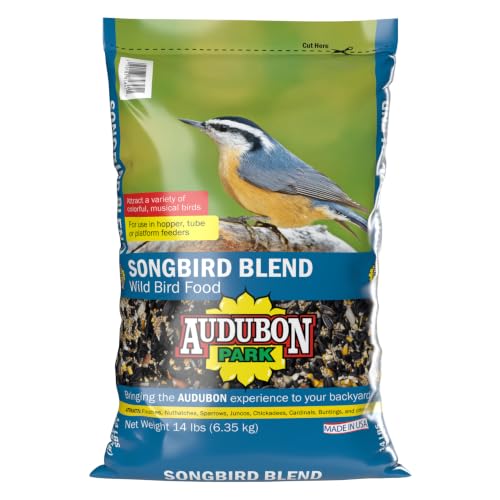
Audubon Park Songbird Wild Bird Seed
What We Like
- Blend includes protein-rich peanuts
- Attracts multiple songbird species
- Balanced nutrition for year-round feeding
- Works with most feeder styles
Trade-offs
- Attracts fewer species than extreme variety blends
A 14-pound bag of mixed millet, black oil sunflower, cracked corn, safflower, and peanuts means you can feed a wide variety of backyard songbirds without buying separate blends. The protein from peanuts supports active birds through all seasons, while the sunflower and millet draw in cardinals, chickadees, titmice, nuthatches, and finches. This is the blend to grab if you want one bag that works across tube, tray, hopper, platform, and even smart feeders, keeping your station lively year-round without guesswork.
If you’re hoping to attract goldfinches exclusively, the cracked corn in this blend may be ignored by some of them, so you might see fewer at your feeder. For most backyard birders wanting a versatile, nutritious mix that draws cardinals, chickadees, titmice, nuthatches, buntings, and finches, this is a straightforward choice.
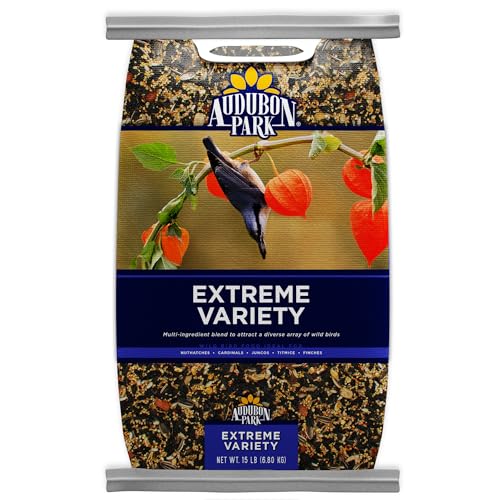
Audubon Park Extreme Variety Wild Bird Seed
What We Like
- Attracts nuthatches, cardinals, juncos, finches
- Premium ingredients: sunflower, peanuts, raisins, nuts
- Year-round feeding suitability
- Works in tube, hopper, or platform feeders
Trade-offs
- Heavier than some smaller bags at 15 pounds
This blend combines black oil sunflower seeds, peanuts, sunflower chips, raisins, nuts, and striped sunflower seed to attract nuthatches, cardinals, juncos, titmice, finches, and more. It works in tube, hopper, or platform feeders, so you don’t need a special feeder to use it. The mix is designed for year-round feeding, making it suitable for spring migrants and winter birds alike.
The trade-off is that a 15-pound bag won’t last long if your yard turns into a busy avian diner. Compare that to Lyric Wild Bird Mix, which comes in a 40-pound bag. If you’re willing to refill more often and store the bag in a dry spot, the payoff in bird variety is hard to beat.
Wagner's Greatest Variety Blend Wild Bird Food

What We Like
- 11-ingredient gourmet blend
- 40% sunflower attracts diverse songbirds
- Works in tube, hopper, platform feeders
- Made in the USA
Trade-offs
- 16-lb bag is heavier than some blends
- 16-lb bag is heavier than Audubon Park Songbird 14-lb bag
Eleven different ingredients and 40% sunflower content mean this blend is built to draw a wide range of colorful songbirds to your yard, not just the usual sparrows and finches. That ingredient count is higher than many standard mixes, and the sunflower base gives birds a high-energy option they tend to favor. It works in tube, hopper, or platform feeders, so you can use what you already have. This blend delivers ingredient diversity over a single-species focus.
A 16-pound bag is noticeably heavier than something like Audubon Park Songbird Wild Bird Seed at 14 pounds, so if you’re filling a small feeder on a balcony or carrying the bag up stairs, the extra weight adds up. The blend includes whole seeds and grains, so shells will accumulate under the feeder. For someone who values ingredient variety and a broad bird appeal over convenience, this blend delivers on what it promises.
Product photos
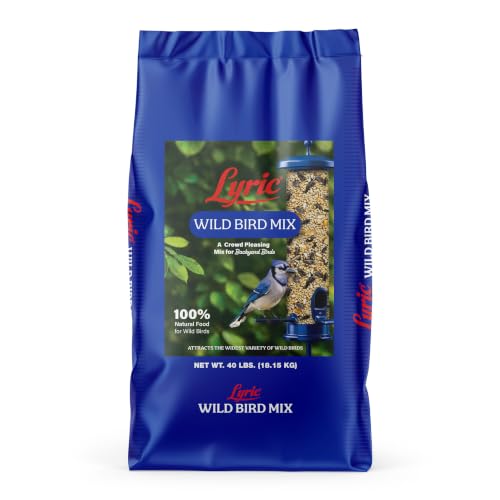
Lyric Wild Bird Mix
What We Like
- All-natural, no fillers
- Contains corn and nuts
- Over 20% sunflower seeds
- Attracts many bird species
Trade-offs
- 40 lb bag is heavy to handle
- No no-mess or hull-free option
This 40-pound bag of wild bird mix includes corn, nuts, and over 20% sunflower seeds, so it attracts cardinals, doves, finches, jays, juncos, and sparrows. Because it’s all-natural with no fillers, you’re not paying for cheap ingredients that birds ignore. The large size is practical for anyone who wants to refill feeders less often, though the weight may be a consideration for some users.
At 40 pounds, this bag is heavy enough that you’ll want to store it near your feeder or have a sturdy scoop handy, it’s not something you’ll want to lift and pour from a distance. Compared to the 20-pound Lyric Supreme Wild Bird Seed, this bag is twice the weight, so it’s a good choice if you have a large feeder or go through seed quickly. If you need something lighter to handle, a smaller bag might be easier to manage.
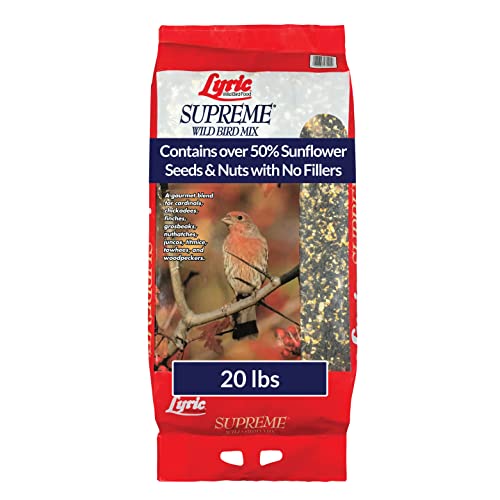
Lyric Supreme Wild Bird Seed
What We Like
- Over 50% sunflower seeds
- All-natural with no fillers
- Attracts a wide variety of songbirds
- Compatible with most feeder types
Trade-offs
- 20-pound bag is heavier than many smaller alternatives
Over half of this mix is sunflower seed, the high-oil ingredient that chickadees, finches, and woodpeckers flock to. That sunflower-rich base means you get more of what birds actually eat and less of the milo or millet they kick onto the ground. For anyone who wants a straightforward, no-filler blend that pulls in a wide range of songbirds without guesswork, this bag delivers on its label promise.
Corn and nuts add bulk, so the 20-pound bag is heavier than a typical 10- or 14-pound option like Audubon Park Songbird Wild Bird Seed. If you fill a small tube feeder or have limited storage, that extra weight can be a minor hassle. But if your goal is a high-sunflower mix that works across hoppers, trays, and windows, this is the one to grab.
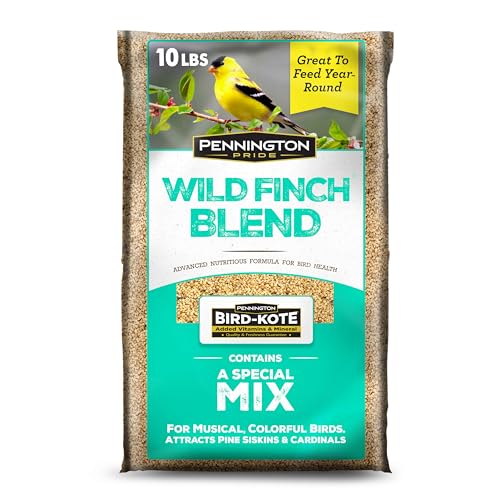
Pennington Pride Wild Finch Blend Wild Bird Seed
What We Like
- Attracts finches, pine siskins, cardinals
- BIRD-KOTE vitamins and nutrients
- Works in hopper, gazebo, tube feeders
- Premium thistle and sunflower blend
Trade-offs
- 10-lb bag is smaller than many blends
- Not designed to attract larger birds like jays or doves
A 10-pound bag of thistle and black oil sunflower seed means this mix targets finches, pine siskins, and cardinals without the filler that attracts less desirable visitors. The BIRD-KOTE enrichment adds vitamins and nutrients, so every seed delivers more than empty calories. For someone who wants a dedicated finch blend that works in hopper, gazebo, or tube feeders year-round, this is a focused choice that keeps the menu simple and effective.
Bag size is the main consideration: at 10 pounds, it’s a smaller bag than some all-purpose blends like Lyric Wild Bird Mix’s 40-pound option, so heavy feeders will restock more often. That’s fine if you’re filling a single tube feeder for a small flock, but not ideal for a large multi-feeder setup. If your goal is to bring in finches without the bulk of a general mix, this blend does exactly that.
Product photos
Kaytee Ultimate Birder's Blend Food

What We Like
- Formulated to attract colorful songbirds
- Includes safflower and peanuts
- Contains striped sunflower and millet
Trade-offs
- Seed includes hulls, so cleanup is needed
- Contains hulls that create mess under feeders
This 10-pound mix is built around four ingredients, safflower, peanuts, striped sunflower, and millet, that together target many songbirds like cardinals, woodpeckers, blue jays, and finches. If you want to pull in more than just sparrows and starlings, the ingredient list here does the heavy lifting without relying on cheap fillers. It’s a focused blend for backyard birders who care about which species show up, not just how fast the seed disappears.
The 10-pound bag is a straightforward size for backyard feeders. But if you have a busy feeder, you may need to refill more often compared to larger bags like Audubon Park’s Songbird mix at 14 pounds. The seed includes hulls, so expect some cleanup underneath the feeder. For someone who wants a straightforward, songbird-specific seed without extra bells and whistles, this does the job cleanly.
Kaytee Bird & Balcony No Mess Wild Bird Food

What We Like
- No-mess seed blend for tidy feeding
- Sunflower seed as first ingredient
- Attracts city-dwelling birds like finches
- Works with railing or window feeders
Trade-offs
- Only 5 pounds, so refills come sooner
Sunflower seed sits at the top of the ingredient list, which gives finches, sparrows, and mourning doves a hearty, natural food source they actually want to eat. This is the blend for apartment dwellers, renters, or anyone with a small feeder attached to a railing or window who still wants to attract real birds, not just mess.
Bag size is the main consideration here. At 5 pounds, you’ll restock more often than you would with a 14-pound bag of Audubon Park Songbird mix, so if you’re feeding a busy ground feeder or a large backyard flock, this isn’t the one. But for a tidy city setup where every spilled seed means a broom trip, the no-mess design and targeted ingredient list make it a smart, low-fuss pick.
Product photos
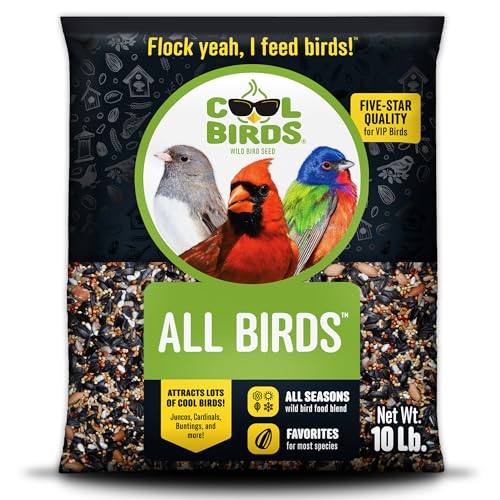
Cool Birds All Birds Wild Bird Seed
What We Like
- Attracts both ground and feeder birds
- Energy and protein-packed for year-round feeding
- Works with multiple feeder styles
- Generous 10-pound bag fills feeder up to 10 times
Trade-offs
- 10-pound bag is smaller than some competitors' 14- to 16-pound options
- Not suitable for finch-only feeders that prefer Nyjer seed
A 10-pound bag that fills a standard feeder up to 10 times means you’re not hauling a giant sack every week, but you’ll still keep the birds coming back. This blend is built to attract many kinds of songbirds, from doves and jays to sparrows, thanks to a mix of black oil sunflower, white millet, safflower, peanuts, and sunflower hearts. The protein and energy content supports feeding through all seasons, and the formula works in tray, tube, hopper, platform, and even smart camera feeders, so you don’t have to guess which feeder to buy. If you want one seed that pulls in the most variety without fussing over specialized blends, this is the bag to grab.
Bag size is the main trade-off: at 10 pounds, it’s lighter than the Audubon Park Songbird blend (14 pounds) or Wagner’s Greatest Variety (16 pounds). So if you have a large flock or multiple feeders, you’ll be restocking more often. That said, the ingredient list is straightforward and avoids fillers, which matters if you’re picky about what goes into your feeder. For most backyard birders who want a reliable, all-purpose mix that actually attracts the birds it promises, this is a solid everyday option.
Product photos
Wagner's Cardinal Blend Wild Bird Food

What We Like
- High-oil seeds for energy
- 60% black oil sunflower seeds
- 40% safflower seeds
- Convenient velcro resealable bag
Trade-offs
- Only 6 lb bag, smaller than many blends
- No millet or nuts for variety
The 60% black oil sunflower and 40% safflower seed mix provides high oil content seeds that deliver the energy needed to nourish birds. Black oil sunflower seeds have a high oil content, which gives birds the energy they need. Safflower seeds are included in the blend. This mix is a straightforward option if your primary goal is to bring in cardinals, as the product name suggests.
This bag is only 6 pounds, which means more frequent refills if you have a busy feeder or multiple stations. Compared to the Wagner’s Greatest Variety Blend (16 lb), this is a smaller, more targeted mix, you’re paying for a specialized seed composition rather than volume. The velcro press-lok closure keeps the bag sealed between uses, but the bag itself is compact. If you want to feed a broader range of birds or need a larger supply for the season, you’ll be better off with a bigger blend that includes millet, cracked corn, or nuts.
Product photos
How We Evaluated Wild Bird Seed Mixtures
We started with the ingredient list, the single most reliable signal of a blend’s value. A mix that leads with milo, wheat, or red millet is usually cheap filler that most songbirds ignore. We prioritized blends where black oil sunflower, safflower, peanuts, or Nyjer seed appear early, since those are the seeds that actually bring birds to feeders. We also checked for artificial preservatives, dyes, and coated seeds that add no nutritional benefit.
Feeder compatibility mattered next. A blend that works in tube, hopper, and platform feeders is more versatile than one designed for a single feeder type. We looked at bag size and resealability too, since bird seed that goes stale or gets damp is money wasted. Owners consistently report that a resealable bag or a sturdy container makes a real difference in keeping seed fresh between refills.
This evaluation is based on manufacturer nutritional data, ingredient transparency, and the collective experience of birders who have used these products in real backyards. For a deeper look at the category, our review of wild bird food mixes covers additional options, and our guide to types of bird seed explains what each seed actually attracts.
What To Look For In Wild Bird Seed Mixtures
Choosing a bird seed mix is mostly about reading the ingredient list and ignoring the front-of-bag marketing. A blend with a picture of cardinals but a first ingredient of milo will not bring cardinals to your feeder.
Look for blends where black oil sunflower, safflower, peanuts, or Nyjer seed are the first two or three ingredients. Avoid mixes with milo, wheat, or red millet as the primary filler, these are cheap bulk grains most songbirds avoid.
Seed Quality and Ingredient Order
The ingredient list is required by law to list ingredients in descending order by weight. If the first ingredient is black oil sunflower, that is a good sign. If it is milo, cracked corn, or wheat, most of what you paid for will end up on the ground. High-quality bird seed mixes prioritize seeds that birds actually eat: sunflower hearts, safflower, peanuts, and Nyjer. The best seed without fillers skips the cheap grains entirely and uses only preferred seeds.
Species You Want to Attract
Different seeds attract different birds. Black oil sunflower is the universal favorite for cardinals, chickadees, nuthatches, and finches. Safflower appeals to cardinals and house finches but is ignored by squirrels and blackbirds. Nyjer seed is finch-specific. Peanuts attract woodpeckers, jays, and titmice. If you want a specific bird, choose a blend built around that bird’s preferred seed. Our top wild bird seed guide breaks down which blends work best for which species.
No-Mess and Hull-Free Options
Hulls from sunflower and safflower seeds accumulate under feeders, kill grass, and attract rodents. No-waste bird seed uses hulled sunflower hearts and shelled peanuts so every bit is edible and nothing falls to the ground. These blends cost more per pound but produce zero waste, which makes them cheaper in the long run if you value a clean feeding area. For balcony or apartment setups, no-mess bird seed is practically required.
- Check the first three ingredients on the label before buying.
- Match the seed type to the birds you see in your area.
- Consider a no-mess blend if you feed over a deck, patio, or balcony.
- Look for resealable bags or plan to transfer seed to an airtight container.
- Buy a smaller bag first to see what birds in your yard actually eat.
A simple rule: if you would not eat the seed yourself, the birds probably will not either. Stick to blends with recognizable, high-quality ingredients.
Wild Bird Seed Mixtures Compared
The table below compares the 10 wild bird seed mixtures across key factors like primary ingredients, bag size, and feeder compatibility so you can quickly narrow your options.
| Product | Weight | Seed Blend | Attracts |
|---|---|---|---|
| Audubon Park Songbird Wild Bird Seed | 14.0 pounds | Millet, sunflower, corn, safflower, peanuts | Cardinals, chickadees, titmice, nuthatches, finches |
| Audubon Park Extreme Variety Wild Bird Seed | 15.0 pounds | Sunflower seeds, peanuts, raisins, tree nuts | Nuthatches, cardinals, juncos, titmice, finches |
| Wagner's Greatest Variety Blend Wild Bird Food | 16.0 pounds | 11 different ingredients | N/A |
| Lyric Wild Bird Mix | 40.0 pounds | Corn, nuts, and wild bird seed | Cardinals, doves, finches, jays, juncos, sparrows |
| Lyric Supreme Wild Bird Seed | 20.0 pounds | Corn, nuts, sunflower kernels, seeds | Chickadees, finches, grosbeaks, jays, nuthatches, sparrows, titmice, woodpeckers |
| Pennington Pride Wild Finch Blend Wild Bird Seed | 10.0 pounds | Thistle, black oil sunflower | Finches, pine siskins, cardinals |
| Kaytee Ultimate Birder's Blend Food | 10.0 pounds | Safflower, Peanuts, Striped Sunflower, Millet | Cardinals, Woodpeckers, Blue Jays, Finches |
| Kaytee Bird & Balcony No Mess Wild Bird Food | 5.0 pounds | Sunflower seed | Finches, sparrows, mourning doves |
| Cool Birds All Birds Wild Bird Seed | 10.0 pounds | Black oil sunflower, white millet, safflower, peanuts, sunflower hearts | N/A |
| Wagner's Cardinal Blend Wild Bird Food | 6.0 pounds | 60% Black Oil Sunflower, 40% Safflower | N/A |
Frequently Asked Questions
What is the best wild bird seed mixture for attracting cardinals?
The Wagner’s Cardinal Blend Wild Bird Food is formulated specifically for cardinals with 60% black oil sunflower seeds and 40% safflower seeds. Cardinals prefer high-oil seeds, and this blend delivers that in a resealable bag.
What is the difference between no-mess bird seed and regular bird seed?
No-mess bird seed uses hulled sunflower hearts and shelled peanuts so there are no empty hulls to fall under the feeder. Regular bird seed contains whole seeds with hulls that birds crack open and drop, creating a mess that can kill grass and attract rodents.
How should I store bird seed to keep it fresh?
You should store bird seed in a cool, dry place inside an airtight container to prevent moisture, mold, and pests. Metal garbage cans with tight lids work well for large bags. Avoid storing seed in the original bag in a garage or shed where temperature swings can cause spoilage.
Which bird seed mixture attracts the most species?
The Audubon Park Extreme Variety Wild Bird Seed is designed to attract the widest range of species, including nuthatches, cardinals, juncos, finches, and more. It contains sunflower, peanuts, raisins, and nuts to appeal to both ground-feeding and feeder-visiting birds.
What seeds should I avoid in a bird seed mixture?
Avoid blends that list milo, wheat, red millet, or cracked corn as the first or second ingredient. These are cheap filler grains that most songbirds will not eat. Birds typically kick them out of the feeder, creating waste and attracting unwanted pests.
The Bottom Line
The Audubon Park Songbird Wild Bird Seed is the best overall choice for backyard birders who want a single, nutritious blend that works across feeder types and attracts multiple songbird species year-round. Its protein-rich peanut content and balanced seed mix make it a reliable staple for most yards.
If your goal is maximum species variety, the Audubon Park Extreme Variety blend adds raisins and nuts to draw in nuthatches, juncos, and other less common visitors. For those feeding on a balcony or patio, the Kaytee Bird & Balcony No Mess Wild Bird Food keeps things tidy with hulled seeds that produce no waste.
The single most important factor in any bird seed purchase is the ingredient list. Ignore the bird pictures on the bag and read what is actually inside. A blend built around black oil sunflower and safflower will always outperform a cheaper mix loaded with filler grains.
