
10 Best Bird Food For Wild Birds in 2026
This post contains affiliate links. As an Amazon Associate, we earn from qualifying purchases.
The best bird food for wild birds is the Pennington Songbird Nut & Fruit Blend, which stands out for its real fruit, nuts, and Bird-Kote vitamin enrichment that attracts a wide variety of songbirds. For those wanting a tidy feeder station, the Audubon Park Sunflower Hearts offer a no-mess solution, while the Kaytee Songbird Wild Bird Seed is a top choice for attracting a diverse range of species.
Choosing the right food for your backyard birds means balancing what species you want to attract with practical concerns like mess, feeder type, and budget. A mix that works well for cardinals and chickadees might not appeal to woodpeckers or ground feeders.
This guide is based on a thorough review of manufacturer specifications, expert recommendations, and patterns in owner feedback. We focused on ingredient quality, species appeal, and practical factors like waste and feeder compatibility to help you find the right blend for your yard.
Top 10 Wild Bird Foods in the Market
Certain content that appears on this site comes from Amazon. This content is provided "as is" and is subject to change or removal at any time.
The Best Wild Bird Foods, Reviewed
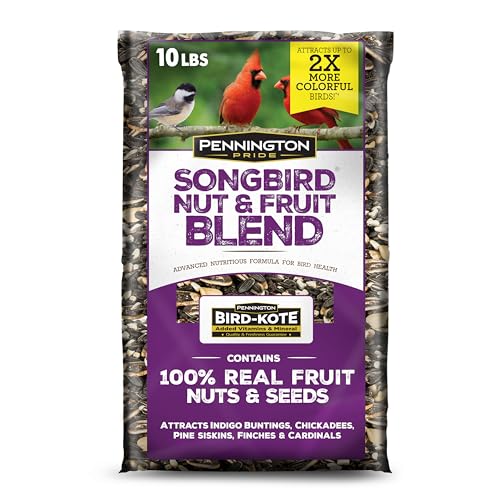
Pennington Songbird Nut & Fruit Blend
What We Like
- Real fruit, nuts and seeds
- Attracts indigo buntings, chickadees, finches
- Bird-Kote vitamin enrichment
- Works with hopper, gazebo, tray feeders
Trade-offs
- Not no-mess; shells create cleanup
- Shells create cleanup under feeders
A 10-pound bag of real fruit, nuts, and seeds means this blend is built to pull in a wide range of songbirds without relying on cheap fillers. The ingredients are fruit, nuts, and seeds, and the Bird-Kote technology enriches the mix with vitamins and nutrients for advanced nutrition. If you want to see indigo buntings, chickadees, pine siskins, finches, and cardinals at your feeder, this is the kind of mix that gives them a reason to stop by. It works with hopper, gazebo, or tray feeders, so you don’t need specialized gear to use it.
The trade-off is that 10 pounds goes fast if you have a busy feeder, and unlike shelled blends, this one leaves hulls to clean up underneath. Compared to the Audubon Park Extreme Variety Blend, which comes in a 15-pound bag, the Pennington gives you less volume per bag but offers the Bird-Kote vitamin enrichment. For someone who wants a vitamin-enriched mix with real fruit and nuts, this is a good option.
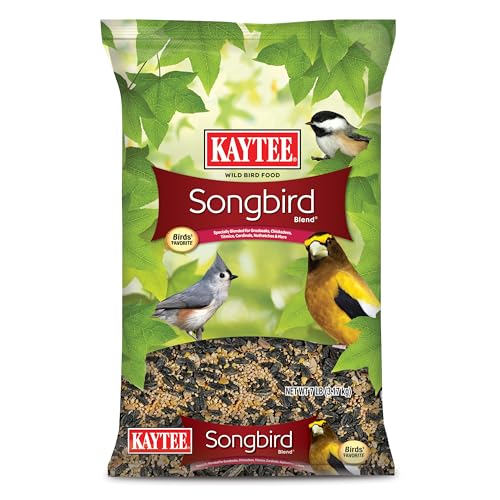
Kaytee Songbird Wild Bird Seed
What We Like
- Blend of two sunflower seed types
- Includes peanuts and millet
- Attracts a wide variety of songbirds
Trade-offs
- 7-pound bag is smaller than some competitors
- Contains hulls that create shell debris under feeders
A 7-pound bag of Kaytee Songbird Wild Bird Seed packs a mix of two sunflower seed types plus peanuts and millet. That lineup draws in grosbeaks, chickadees, titmice, cardinals, nuthatches, and more. If you want to see a rotating cast of colorful songbirds at your feeder without having to buy separate blends, this is the shortcut. The ingredient list is straightforward and focused on high-energy seeds that these birds naturally seek out, so you’re not paying for filler.
At 7 pounds, this bag is a manageable size for small feeders or for anyone who wants to keep seed fresh without it sitting too long. It’s specifically blended for colorful songbirds like cardinals, chickadees, and grosbeaks, so you’ll attract a lively mix right to your yard. The blend includes sunflower seeds, peanuts, and millet, which means some shell litter is normal under the feeder, but that’s a small trade-off for the variety of birds it brings.
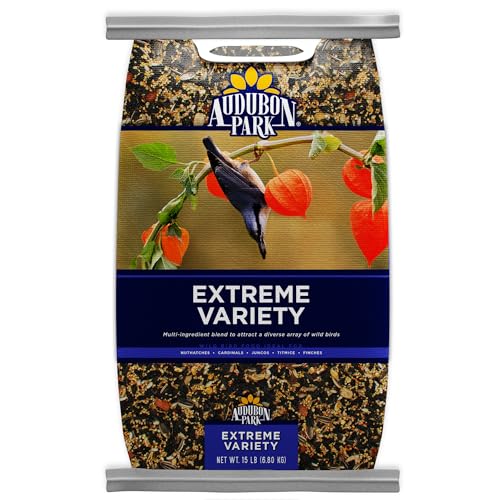
Audubon Park Extreme Variety Blend
What We Like
- Attracts diverse species including nuthatches and cardinals
- Includes premium ingredients like peanuts and raisins
- Suitable for year-round feeding
- Works in tube, hopper, or platform feeders
Trade-offs
- Contains whole seeds that produce hulls under feeders
- Produces hulls that need cleanup under feeders
A 15-pound bag of this blend packs black oil sunflower seeds, peanuts, sunflower chips, raisins, and tree nuts, ingredients that pull in nuthatches, cardinals, juncos, titmice, and finches alike. That variety of food sources means you’re not just feeding one picky species; the mix covers ground feeders, perchers, and birds that prefer fruit or nuts. It works well if your goal is to see a rotating cast of birds at your feeder without having to buy separate bags for each type.
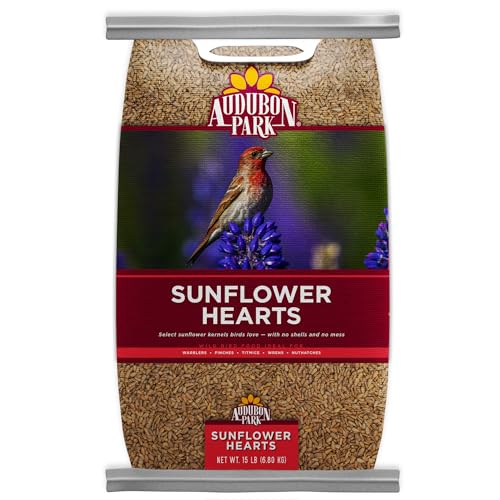
Audubon Park Sunflower Hearts
What We Like
- 100% sunflower kernels for high energy
- Shells removed for no-mess feeding
- Attracts multiple wild bird species
- Works in tube, hopper, or platform feeders
Trade-offs
- Only sunflower kernels, no variety for diverse diets
A 15-pound bag of pure sunflower kernels means every bite is edible fuel for the birds, with zero shells to rake up underneath. That’s the whole point of a no-mess pick: you get the high-fat energy that attracts finches, nuthatches, sparrows, juncos, and chickadees without the litter that draws rodents or rots on the lawn. It’s a single-ingredient product that works in tube, hopper, or platform feeders, so you can use it with most standard feeders.
This bag is 100% sunflower kernels, so it’s a pure energy source for birds like finches and chickadees, but it won’t attract species that prefer nuts or fruit. If your feeder visitors are mostly seed-eaters, you get a clean, no-mess feeding station with no filler.
Lyric Woodpecker Wild Bird Seed

What We Like
- No-waste, shelled blend reduces mess
- High-protein, high-fat for woodpeckers
- Attracts multiple woodpecker species
- Versatile for hopper, tube, tray feeders
Trade-offs
- 20-pound bag is heavy to lift
- Not suitable for small or lightweight feeders
A 20-pound bag of shelled, no-waste seed means you get more edible material and less mess under the feeder, every kernel is a bite a bird can use. This blend is packed with nuts, dried fruit, and high-fat seeds, which is exactly what woodpeckers need for energy. It’s formulated to attract Acorn Woodpeckers, Downy and Hairy Woodpeckers, Northern Flickers, Red-bellied Woodpeckers, and other bark-foraging species. If you’re trying to draw woodpeckers to your yard, this mix gives them the calorie-dense food they prefer, without the hulls piling up below.
At 20 pounds, this bag is heavier than the 15-pound Audubon Park Extreme Variety Blend, so you’ll want to store it somewhere accessible. Still, if your main goal is to reliably bring woodpeckers to your feeders, this blend’s targeted ingredients and no-waste design make it a practical choice for that purpose.
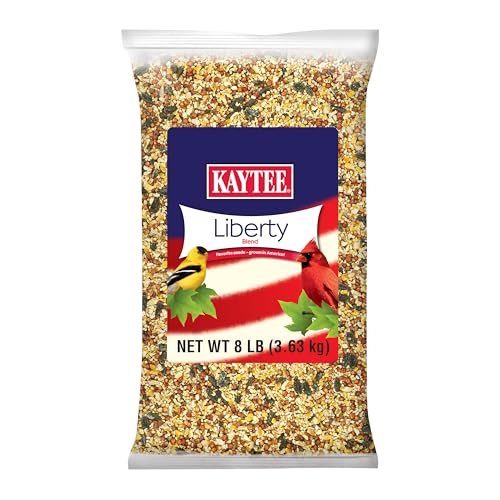
Kaytee Liberty Blend Wild Bird Food
What We Like
- Attracts cardinals, blue jays, finches
- Compatible with hopper, tube, platform, ground feeders
- Made in USA with quality-sourced ingredients
- Trusted brand for over 150 years
Trade-offs
- 8-pound bag is lighter than some competitors' 10-20 lb bags
- Not designed for no-mess or shell-free feeding
Attracting cardinals, blue jays, finches, and other small to medium songbirds, this blend is a straightforward everyday option for backyard feeders. It works with hopper, tube, platform, or ground feeders, so you can toss it in whatever you already have without overthinking compatibility. For anyone who wants a reliable, no-fuss seed blend that attracts a variety of birds and is made in the USA, this fits the bill for routine feeding without the premium price tag of specialty mixes.
At 8 pounds, this bag is lighter than some larger ones like the 15-pound Audubon Park Extreme Variety Blend. If you have high-traffic feeders or a large flock, you’ll be refilling more often. That said, for a daily-use blend that’s easy to find and works across feeder types, this is a practical, value-oriented choice for casual birders.
Product photos
Wagner's Farmer's Delight Cherry Flavor

What We Like
- Value-priced mix attracts many birds
- Contains sunflower and general purpose seeds
- Suitable for hopper or tube feeders
- Made with highest quality grains
Trade-offs
- Not a no-mess or shell-free blend
- 10-pound bag is smaller than some competitors
A 10-pound bag of value-priced wild bird food with cherry flavor means you can fill a hopper or tube feeder without breaking your monthly birdseed budget. This mix contains sunflower and other general purpose seeds, which attract a wide variety of backyard birds, from chickadees to cardinals. It’s made in the USA with highest quality grains, so you’re not just getting cheap filler. If you want to keep your feeders busy without spending like you’re feeding a flock of ostriches, this is the bag to grab.
The most decisive fact about this bird food is its value pricing, which means you can attract a wide variety of backyard birds without spending a lot. The mix includes general purpose seeds like sunflower, so birds are drawn to the seeds themselves rather than any added flavor. It’s designed for hopper or tube feeders, and since it’s not a shell-free blend, you’ll get some hulls falling under the feeder, unlike no-waste options such as Audubon Park Sunflower Hearts. For a budget-friendly starter bag that gets the job done, this fits the bill.
Product photos
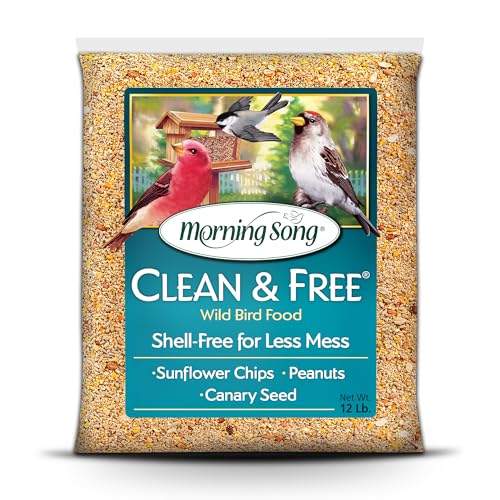
Morning Song Clean & Free No Mess
What We Like
- 100% shell-free, no waste
- Protein-rich peanuts and sunflower chips
- Attracts multiple songbird species
- Suitable for tube, tray, hopper, platform feeders
Trade-offs
- Lacks dried fruit for birds that prefer sweeter mixes
Every ingredient in this 12-pound bag is edible, so there is literally nothing left to sweep up under the feeder. That shell-free design, sunflower chips, peanuts, and canary seed, means birds get straight calories without having to crack open hulls. This also keeps the area tidy for patios or windows where you want to avoid seed debris. For anyone who values a clean feeding station and wants to attract finches, chickadees, titmice, cardinals, and nuthatches, this blend delivers a straightforward, high-energy menu with no filler.
If you prefer a more varied mix that includes fruit, you will want to look elsewhere. But if your priority is a no-mess, protein-rich seed that works in most feeder types and keeps the ground clean, this is a practical, no-nonsense choice.
Product photos
Wagner's Safflower Seed Wild Bird Food

What We Like
- Most squirrels generally dislike this seed
- Favorite seed of Cardinals and songbirds
- Highest quality grains used
- Made in the USA
Trade-offs
- Straight safflower lacks the variety to attract chickadees or woodpeckers
- Most squirrels generally dislike this seed, limiting backyard variety
The single most decisive fact about this bag is that most squirrels generally dislike safflower seed, so you can fill a feeder without turning your yard into a squirrel buffet. That makes it a smart pick if you’ve been fighting furry raiders who empty other mixes in hours. Cardinals and other songbirds love it, and the grains are listed as highest quality, so the birds get real nutrition, not filler. It’s a focused solution for a specific problem, not a do-everything blend.
A 5-pound bag runs out faster than the 10- or 15-pound options from brands like Audubon Park, especially if your feeder sees a lot of activity. Because it’s straight safflower, you won’t get the variety that draws chickadees, nuthatches, or woodpeckers the way a mix like Pennington’s Nut & Fruit Blend might. If your main headache is squirrels and you want to keep cardinals coming, this is the straightforward answer. If you’re after a wider bird menu, you’ll want a blend.
Product photos
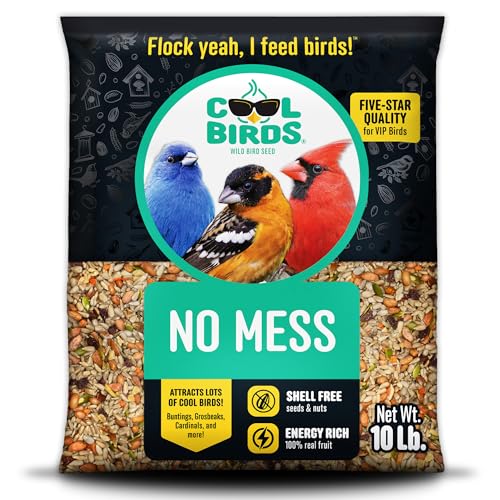
Cool Birds No Mess Wild Bird Seed
What We Like
- 100% edible blend means zero hulls
- Includes sunflower hearts, nuts, fruit
- Attracts cardinals, chickadees, woodpeckers
- No corn, milo or millet fillers
Trade-offs
- No millet or milo means fewer ground-feeder species
- No corn, milo or millet limits attraction for ground feeders
A 100% edible blend with zero shells means no hulls piling up under your feeder and no wasted weight from inedible filler. That makes this bag a tidy option for decks, patios, or any spot where you’d rather sweep less and watch birds more. The ingredient list reads like a premium mix, sunflower hearts, peanuts, tree nuts, pumpkin seeds, raisins, and papaya, and it’s formulated to bring in cardinals, chickadees, grosbeaks, finches, and woodpeckers. If you want a shell-free blend that skips the corn, milo, and millet, this one delivers high-energy nutrition without the mess.
A 10-pound bag goes fast if your feeder is popular. And because it lacks millet and milo, you won’t see as many ground-feeding juncos or sparrows. That’s not a flaw for anyone who wants a clean patio, it’s a design choice. For birders who value convenience and a spotless feeding area, this blend hits the mark without the hull hassle.
Product photos
How We Evaluated Wild Bird Foods
We started by examining the ingredient lists and nutritional profiles of dozens of commercial blends, noting the types of seeds, nuts, fruits, and any added vitamins or minerals. Manufacturer documentation provided the basis for understanding what each product is designed to attract and how it performs in different feeder types.
The four criteria that mattered most were ingredient variety, species appeal, mess level, and value. A blend with sunflower hearts, peanuts, and dried fruit will attract a different set of birds than a straight safflower seed. We also considered how much waste a product creates, since hulls and shells can accumulate under feeders and attract unwanted pests.
A research-led evaluation like this has limits: we did not conduct our own feeding trials, and individual results will vary based on your location, feeder setup, and the local bird population. That said, the patterns in owner feedback and expert recommendations give a reliable picture of how these blends perform in real backyards. For a deeper look at the options, our guide to wild bird seed covers the top contenders in more detail.
What To Look For In Wild Bird Foods
Choosing the right wild bird food comes down to matching the blend to the birds you want to see and the feeder you use. The key factors are ingredient composition, mess level, feeder compatibility, and whether the food meets seasonal needs.
Look for blends with sunflower seeds, peanuts, and fruit to attract the widest variety of songbirds. If you want a tidy feeder station, choose shell-free or no-mess options. Consider straight seeds like safflower if squirrels are a problem.
Ingredient Composition and Variety
The best blends contain a mix of black oil sunflower seeds, striped sunflower seeds, peanuts, millet, and sometimes dried fruit or nuts. Black oil sunflower seeds are the single most popular seed among backyard birds, while millet attracts ground feeders like doves and sparrows. If you want to attract specific species, look for blends that include their preferred foods: woodpeckers love peanuts and suet, while finches favor nyjer seed. Our guide to types of bird food breaks down the different categories and what each attracts.
Mess Level and Waste
Standard seed blends with hulls create shell debris under feeders, which can attract rodents and require regular cleanup. No-mess or shell-free options, like sunflower hearts or hulled peanuts, eliminate this problem entirely. These products are 100% edible, meaning no hulls fall to the ground. However, they are typically more expensive per pound. If you feed on a deck or patio, a no-waste bird seed blend is worth the premium.
Feeder Compatibility
Different blends work best in different feeder types. Tube feeders work well with small seeds like sunflower hearts and nyjer. Hopper and platform feeders can handle larger mixes with peanuts and fruit. Ground feeders are best for millet and cracked corn. Always check the recommended feeder type on the bag. For more on matching food to your setup, see our guide on food for bird feeders.
Seasonal and Regional Considerations
Birds have different nutritional needs in winter, when they need high-fat, high-energy foods to survive cold nights. Peanuts, sunflower hearts, and suet blends are excellent for feeding birds in winter. In summer, birds need protein for molting and raising young, making insect-based options like mealworms a valuable addition. Regional bird populations also vary: a blend that works well in the Northeast might not attract the same species in the Southwest.
- Check the ingredient list for black oil sunflower seeds as the primary component.
- Look for blends that match the birds common in your region.
- Choose no-mess options if you feed near a patio, deck, or walkway.
- Consider seasonal blends with higher fat content for winter feeding.
- Read the bag for recommended feeder types before buying.
A simple rule: the more ingredients in the blend, the more species you are likely to attract, but the more waste you will have to manage.
Wild Bird Foods Compared
The table below compares the key features of our top picks, including ingredient highlights, feeder compatibility, and notable trade-offs.
| Product | Weight | Key Ingredients | Feeder Types |
|---|---|---|---|
| Pennington Songbird Nut & Fruit Blend | 10 lb | Fruit, nuts, seeds | Hopper, gazebo, tray |
| Kaytee Songbird Wild Bird Seed | 7.0 pounds | Sunflower seeds, peanuts, millet | N/A |
| Audubon Park Extreme Variety Blend | 15.0 pounds | Sunflower seeds, peanuts, raisins, nuts | Tube, hopper, platform |
| Audubon Park Sunflower Hearts | 15 pounds | 100% sunflower kernels | Tube, hopper, platform |
| Lyric Woodpecker Wild Bird Seed | 20.0 pounds | Seeds, nuts, dried fruit | Hopper, mesh tube, tray |
| Kaytee Liberty Blend Wild Bird Food | 8.0 pounds | N/A | hopper tube platform and ground feeders |
| Wagner's Farmer's Delight Cherry Flavor | 10 pounds | N/A | Hopper or Tube Feeders |
| Morning Song Clean & Free No Mess | 12 lb | Sunflower chips, peanuts, canary seed | tube, tray, hopper, platform and smart feeders |
| Wagner's Safflower Seed Wild Bird Food | 5.0 pounds | Safflower Seed | N/A |
| Cool Birds No Mess Wild Bird Seed | 10.0 pounds | Sunflower hearts, peanuts, tree nuts, pumpkin seeds, raisins & papaya | Tray, tube, hopper, platform, smart camera |
Frequently Asked Questions
What is the best bird food for attracting cardinals?
Cardinals are especially fond of black oil sunflower seeds, safflower seeds, and peanuts. Blends like Wagner’s Safflower Seed Wild Bird Food are specifically formulated to attract cardinals while discouraging squirrels. The Pennington Songbird Nut & Fruit Blend also works well, as cardinals enjoy the nuts and fruit pieces.
What bird food do woodpeckers prefer?
Woodpeckers are attracted to high-fat, high-protein foods like peanuts, sunflower hearts, and suet. The Lyric Woodpecker Wild Bird Seed is formulated specifically for woodpeckers, with a shell-free blend that provides concentrated energy. You can also offer peanuts in a dedicated feeder to attract downy, hairy, and red-bellied woodpeckers.
Is no-mess bird seed worth the extra cost?
No-mess bird seed is worth the premium if you feed on a deck, patio, or near a walkway where hulls create a mess. Products like Audubon Park Sunflower Hearts and Morning Song Clean & Free No Mess are 100% edible, meaning no shells fall to the ground. They also attract fewer rodents and pests, making them a cleaner option overall.
What bird food do finches like best?
Finches prefer small, oil-rich seeds like nyjer (thistle) and sunflower hearts. Many finch-specific blends contain mostly nyjer, but finches also eat black oil sunflower seeds and sunflower chips. The Pennington Songbird Nut & Fruit Blend attracts finches along with other songbirds, while the Kaytee Songbird Wild Bird Seed includes sunflower seeds that finches enjoy.
How can I keep squirrels out of my bird feeder?
The most effective strategy is to use a squirrel-proof feeder and offer a seed that squirrels dislike, such as safflower. Wagner’s Safflower Seed Wild Bird Food is a straight safflower seed that most squirrels avoid, while cardinals and other songbirds love it. You can also place feeders on poles with baffles or use a cage-style feeder that excludes larger animals.
The Bottom Line
The Pennington Songbird Nut & Fruit Blend is our best overall pick for birders who want a vitamin-enriched mix with real fruit and nuts. It attracts a wide variety of songbirds, including indigo buntings, chickadees, and finches. It works well in hopper, gazebo, and tray feeders, though it does create shell debris that requires cleanup.
If you prioritize a tidy feeder station, the Audubon Park Sunflower Hearts offer a no-mess, shell-free option that still attracts multiple species. For budget-conscious birders, the Wagner’s Farmer’s Delight Cherry Flavor provides a value-priced mix for hopper or tube feeders. Those dealing with squirrel problems should consider the Wagner’s Safflower Seed Wild Bird Food.
The single most important factor in choosing bird food is matching the blend to the birds you want to attract and the feeder you use. Read the ingredient list, not just the front of the bag, and you will find the right food for your backyard.
