
7 Best Dog Food For Liver Support in 2026
This post contains affiliate links. As an Amazon Associate, we earn from qualifying purchases.
For dogs with liver conditions, the right diet is as important as medication. Hill’s Prescription Diet l/d Liver Care Dry Dog Food takes the best overall spot for its controlled protein levels and low copper formulation. But dogs with different needs may do better with Royal Canin Veterinary Hepatic Adult Wet Dog Food for moisture-rich meals or SquarePet VFS Low Phosphorus Dog Food for strict phosphorus control.
A liver-supporting diet must reduce the organ’s workload while providing complete nutrition. That means carefully managed protein, restricted copper, and controlled phosphorus levels. Owners face a confusing shelf of options, and the wrong choice can worsen symptoms.
We built this guide by analyzing manufacturer specifications, veterinary nutrition guidelines, and patterns in owner feedback for each product. The result is a clear, criteria-based comparison to help you match a food to your dog’s specific needs.
Top 7 Dog Foods For Liver Support in the Market
Certain content that appears on this site comes from Amazon. This content is provided "as is" and is subject to change or removal at any time.
The Best Dog Foods For Liver Support, Reviewed
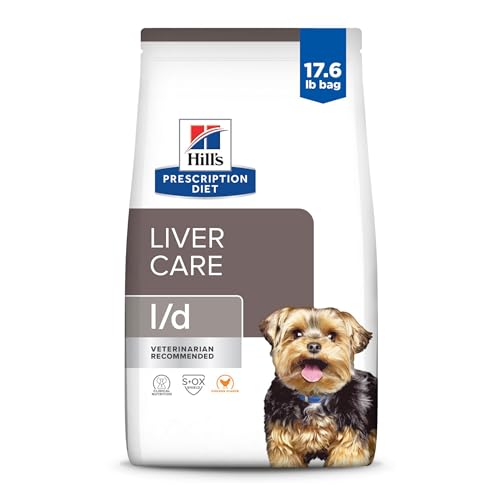
Hill's Prescription Diet l/d Liver Care Dry Dog Food
What We Like
- Controlled protein reduces liver workload
- Low copper minimizes liver accumulation
- Clinically proven antioxidants support immunity
Trade-offs
- Requires veterinary prescription to purchase
- Requires vet consultation before purchase
The controlled levels of highly digestible protein in this formula directly reduce the workload on a compromised liver, which is the central challenge when managing canine liver disease. This makes it a targeted nutritional tool rather than a general maintenance food, and the low copper content further helps prevent mineral buildup that can worsen liver damage. For dogs that need a carefully calibrated diet to support liver health, this dry food is formulated by Hill’s nutritionists and veterinarians to help protect vital liver function.
That consultation ensures the food is used appropriately for dogs with liver concerns, but it also means you cannot grab a bag without a vet’s guidance. If your dog has been diagnosed with a liver condition and your vet recommends a dry kibble with precisely managed protein and copper, this formula provides the targeted support that general foods cannot match.
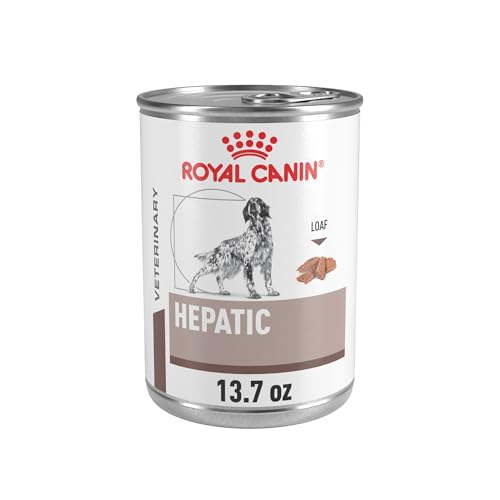
Royal Canin Veterinary Hepatic Adult Wet Dog Food
What We Like
- Low copper to minimize liver accumulation
- Highly digestible proteins for liver support
- Antioxidant blend supports immune system
- Selected prebiotics for microbiome health
Trade-offs
- Requires veterinary supervision for use
- Shorter shelf life after opening than dry food
The low copper level helps minimize copper accumulation in a dog’s liver cells, which is a key concern for dogs with hepatic issues. Paired with adapted levels of highly digestible proteins, this formula supports healthy liver function. It also includes a precise blend of antioxidants to support a healthy immune system and selected prebiotics to support a healthy gastrointestinal microbiome. The adapted energy content helps reduce meal volume and decrease intestinal load, making it easier for dogs with liver issues to digest their food.
The most decisive fact about this food is that it’s formulated with adapted levels of highly digestible proteins to support healthy liver function in adult dogs. So it’s a targeted nutritional tool rather than an everyday kibble. Because it’s a wet food, it has a shorter shelf life once opened compared to dry kibble, which means you’ll need to use it within a few days after opening. The wet texture can be a plus for dogs who prefer softer food, but it’s less convenient if you like to leave food out all day. Either way, this should be used under veterinary guidance.
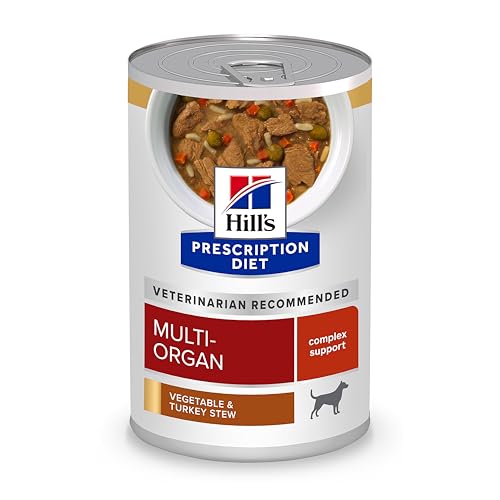
Hill's Prescription Diet Multi-Organ Complex Support Wet Dog Food
What We Like
- Supports multiple organs including liver
- Controlled phosphorus, sodium, protein, fat
- #1 US Vet Recommended therapeutic food
- Suitable for dogs with fat sensitivity
Trade-offs
- Wet food only, no dry kibble option
- Requires vet consultation before use
- Designed for multi-organ issues, not liver alone
This wet food is formulated to manage phosphorus, sodium, protein, and fat simultaneously, a balancing act that matters when a dog has liver trouble plus other organ concerns. It targets the kidneys, pancreas, heart, liver, and bladder in one can, which makes it a practical choice for dogs whose health issues overlap. The fact that it’s the #1 US Vet Recommended therapeutic pet food tells you it’s built around clinical needs, not marketing fluff. If your dog needs liver support but also struggles with fat sensitivity or kidney function, this stew covers more ground than a single-organ formula would.
For dogs with multiple health issues that create conflicting nutritional needs, this wet food is formulated with a controlled balance of phosphorus, sodium, protein, and fat. It supports the kidneys, pancreas, heart, liver, and bladder all at once. That means you don’t have to choose which organ to prioritize, the recipe is designed to help them all. If your dog only needs liver support, a dedicated option like Hill’s Prescription Diet l/d Liver Care Dry Dog Food exists, but for a pet facing, say, kidney concerns plus fat sensitivity, this multi-organ approach covers more ground. It comes as a stew in 12.5 oz cans, so if your dog prefers dry kibble, you’ll need to transition gradually. Hill’s Prescription Diet is the #1 US Vet Recommended therapeutic pet food, so you’re starting from a trusted foundation.
Product photos
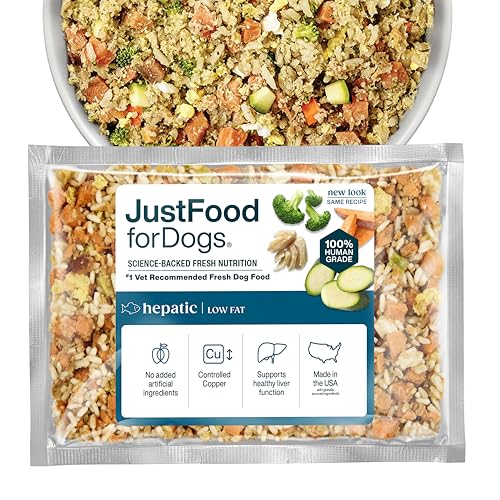
JustFoodForDogs Frozen Fresh Prescription Hepatic Dog Food
What We Like
- 100% human-grade ingredients
- Vet-recommended, science-backed formula
- No preservatives or growth hormones
- Use as meal or topper
Trade-offs
- Requires freezer storage
- Short refrigerated shelf life after thawing
A 100% human-grade frozen formula means this is about as close to whole-food cooking for your dog as a commercial product gets. It does this without you having to balance the nutrients yourself. Developed by a team that includes a board-certified nutritionist and backed by independent university research, it targets dogs with liver concerns using a limited-ingredient, high-calorie recipe that can help when appetite is low. The gentle cooking process is designed for optimal nutrient absorption, and the fact that it’s the only fresh dog food brand with feeding trials in peer-reviewed journals gives the label-reading skeptic something concrete to point to.
The trade-off is logistics: you need freezer space for up to a year of storage, and once thawed, you’ve got only three to four days to use it up, depending on the protein. That makes it less convenient than a shelf-stable dry option like Hill’s Prescription Diet l/d Liver Care Dry Dog Food, which you can scoop and seal. But if you’re willing to manage the thaw-and-use cycle for the sake of fresh, human-grade ingredients with no preservatives, this is the most transparent path to liver support on the list.
Product photos
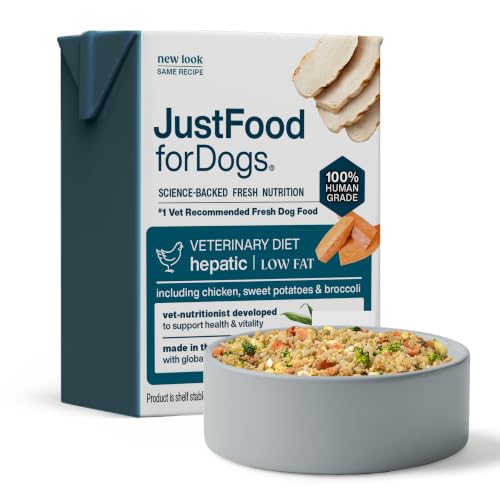
JustFoodForDogs Pantry Fresh Prescription Hepatic Dog Food
What We Like
- 100% human-grade ingredients
- Vet-recommended fresh food brand
- Limited ingredient formula
- 40% more digestible than dry food
Trade-offs
- Requires vet authorization for purchase
- Not suitable for dogs needing high-protein diets
Shelf-stable wet food pouches mean you can store them in the pantry until mealtime, which is a practical advantage for anyone who wants human-grade, limited-ingredient liver support without freezer space. The hepatic formula was developed by a team that includes a board-certified nutritionist, so the low-protein profile is designed for liver management. For owners who read labels, the 100% human-grade claim and the absence of preservatives are the kind of details that separate a real formulation from marketing fluff.
Low-protein diets are necessary for liver support, but some dogs used to higher-protein kibble may feel less satisfied. This JustFoodForDogs option is a wet food, which can be easier on a dog with a reduced appetite, but the pouches take up more pantry space per serving. If your dog is a picky eater or you want to avoid dry food, the convenience of shelf-stable wet food may outweigh the volume trade-off. Just make sure your vet signs off on the protein level for your dog’s specific needs.
SquarePet VFS Low Phosphorus Dog Food

What We Like
- Low phosphorus for dietary needs
- Veterinary nutritionist formulated
- Omega-3 fatty acids for health
- Antioxidant fortified with Vitamins C & E
Trade-offs
- Wet food only, not a dry kibble option
- Limited to low protein levels
A low phosphorus formula directly targets the mineral restriction that often matters most for dogs with specific dietary needs. SquarePet keeps protein and sodium low too, so it covers three main dietary levers a vet would adjust. The inclusion of DHA and EPA from omega-3s supports overall health and wellness, while the antioxidant boost from Vitamins C and E helps support the immune system.
The low protein level means this food is designed for dogs that require a lower protein intake, not for those needing higher protein for other health reasons. If your dog tolerates canned food well and you want a low-phosphorus option from a vet-formulated brand, this one delivers what the label promises.
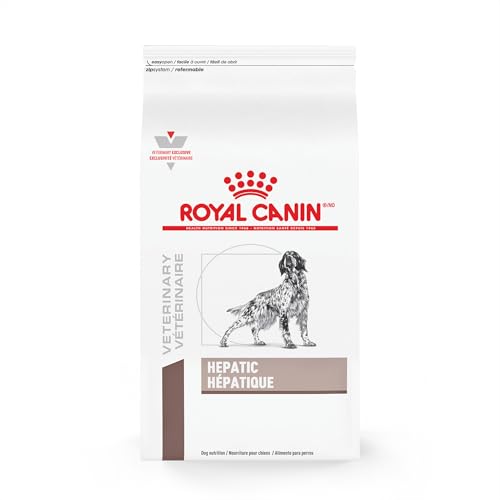
Royal Canin Hepatic Adult Dry Dog Food
What We Like
- Low copper minimizes liver cell accumulation
- Highly digestible vegetable proteins for liver support
- Antioxidant blend supports immune health
- Prebiotics promote healthy gut microbiome
Trade-offs
- Only available in 6 lb bag size
- Not suitable for dogs needing high protein diet
A low copper level is the standout feature here, because excess copper can accumulate in a dog’s liver cells and worsen existing damage. Royal Canin Hepatic Adult Dry Dog Food pairs that with highly digestible vegetable proteins to support healthy liver function. The adapted energy content helps reduce meal volume and decrease intestinal load, which is helpful for dogs with liver issues. The added prebiotics and antioxidants round out the formula by supporting gut health and immune function.
The trade-off is that this is a dry kibble, so if your dog is a picky eater or has trouble chewing, you might need to moisten it or look at a wet option. Compared to Hill’s Prescription Diet l/d Liver Care Dry Dog Food, which also targets liver health, Royal Canin’s recipe uses vegetable proteins rather than animal-based proteins. The 6 lb bag is a standard size for this type of product.
Product photos
How We Evaluated Dog Foods For Liver Support
This guide is based on manufacturer nutritional data, veterinary nutritionist recommendations, and patterns reported by owners managing dogs with liver disease. The focus is on nutritional profiles that veterinary hepatology guidelines identify as critical for liver support.
Four criteria mattered most for this category. Protein content and source came first: too much protein stresses the liver, but too little leads to muscle wasting. Copper level ranked second, since excess copper accumulates in liver cells and accelerates damage. Phosphorus restriction was third, because impaired livers cannot regulate phosphorus properly. Digestibility and ingredient quality rounded out the list, since the liver processes everything a dog eats.
An honest limit of a research-led evaluation is that individual dogs respond differently. A food that works for one dog may cause digestive upset in another. Always transition gradually and monitor your dog’s bloodwork with your veterinarian.
What To Look For In Dog Foods For Liver Support
Choosing a liver-support diet means reading past the marketing claims and checking the guaranteed analysis and ingredient list for specific numbers.
Look for moderate, high-quality protein, low copper, restricted phosphorus, and highly digestible ingredients.
Protein Level and Source
The liver breaks down protein into ammonia, which a damaged liver cannot process efficiently. Too much protein causes hepatic encephalopathy; too little causes muscle wasting. Target moderate protein levels from highly digestible sources like egg, chicken meal, or vegetable proteins. The liver health dog food options we reviewed all stay within this range.
Copper Restriction
Copper accumulates in liver cells over time, and dogs with compromised livers cannot excrete it normally. A copper restricted diet keeps levels low on a dry matter basis. Some breeds—Bedlington Terriers, Dobermans, Labrador Retrievers—are genetically prone to copper storage disease and need even stricter limits.
Phosphorus and Sodium Control
Damaged livers struggle to regulate phosphorus, and high levels accelerate kidney strain. Look for phosphorus under 1.0% dry matter. Sodium should also be moderate, since liver disease often disrupts fluid balance. A diet for liver health in dogs will always keep both minerals in check.
- Check the guaranteed analysis for protein, fat, and fiber percentages
- Look for “low copper” or “copper restricted” on the label or manufacturer site
- Verify phosphorus is listed; if not, contact the company
- Confirm the food meets AAFCO nutrient profiles for adult maintenance
- Ask your vet for target ranges specific to your dog’s bloodwork
A good rule of thumb: the more specific the nutritional claim (e.g., “low copper” with a mg/kg value), the more transparent the manufacturer.
Dog Foods For Liver Support Compared
The table below compares each food’s key nutritional features side by side, so you can see at a glance which formula matches your dog’s specific needs.
| Product | Form | Protein | Key Nutrients |
|---|---|---|---|
| Hill's Prescription Diet l/d Liver Care Dry Dog Food | Dry Dog Food | Controlled, highly digestible | Controlled protein, low copper, antioxidants |
| Royal Canin Veterinary Hepatic Adult Wet Dog Food | Wet food | Highly digestible proteins | Low copper, prebiotics, antioxidants |
| Hill's Prescription Diet Multi-Organ Complex Support Wet Dog Food | Wet Dog Food | Controlled protein | Controlled phosphorus, sodium, protein, fat |
| JustFoodForDogs Frozen Fresh Prescription Hepatic Dog Food | Frozen fresh | N/A | High-calorie, limited ingredient |
| JustFoodForDogs Pantry Fresh Prescription Hepatic Dog Food | Wet food pouches | Low protein | Low protein, limited ingredient |
| SquarePet VFS Low Phosphorus Dog Food | Wet canned dog food | Low protein | Low phosphorus, protein, sodium |
| Royal Canin Hepatic Adult Dry Dog Food | Dry kibble | Highly digestible vegetable proteins | Low copper, prebiotics, antioxidants |
Frequently Asked Questions
Can I feed my dog regular dog food if they have liver disease?
No. Regular dog food typically has too much protein, copper, and phosphorus for a dog with liver disease. A prescription or veterinary-formulated diet for liver problems is necessary to reduce the liver’s workload and prevent further damage.
What is the difference between hepatic and liver support dog food?
They mean the same thing. “Hepatic” is the medical term for liver. A hepatic diet is formulated to support liver function through controlled protein, low copper, and restricted phosphorus. Brands like Royal Canin and Hill’s use “Hepatic” and “l/d” respectively for their liver-support lines.
How long does a dog need to eat liver support food?
Most dogs with diagnosed liver disease need a therapeutic diet for life. The diet does not cure the liver, but it slows disease progression and manages symptoms. Your veterinarian will monitor bloodwork and adjust the feeding plan as needed.
Can I mix wet and dry liver support dog food?
Yes, mixing wet and dry food from the same therapeutic line is fine and often beneficial. Wet food adds moisture and may be more palatable for dogs with reduced appetite, while dry kibble is convenient and helps with dental health. Just ensure both products are from the same liver-support formula.
What ingredients should I avoid in dog food for liver issues?
Avoid foods with high copper levels (liver, shellfish, nuts, and many whole grains), excessive protein, and added salt. Also avoid foods with artificial preservatives, colors, or flavors that add processing load. Stick to a dog food for liver issues that lists a single, high-quality protein source and minimal ingredients.
The Bottom Line
Hill’s Prescription Diet l/d Liver Care Dry Dog Food is our best overall pick for dogs with diagnosed liver conditions. It combines controlled protein, low copper, and clinically studied antioxidants in a dry kibble that most dogs accept readily. It requires a veterinary prescription, which is appropriate for a condition that needs professional oversight.
If your dog prefers wet food or needs extra moisture, Royal Canin Veterinary Hepatic Adult Wet Dog Food offers a low-copper, highly digestible option with prebiotics for gut health. For dogs with multiple organ concerns, Hill’s Prescription Diet Multi-Organ Complex Support Wet Dog Food covers liver, kidney, and pancreas support in one formula. Budget-minded owners should consider SquarePet VFS Low Phosphorus Dog Food, a non-prescription wet food with solid nutritional specs.
The single most important factor is veterinary guidance. No amount of label reading replaces a veterinarian’s knowledge of your dog’s bloodwork, disease stage, and individual tolerances. Use this guide to have an informed conversation with your vet, then let them help you choose the right food.
