
4 Best Low Copper Dog Food in 2026
This post contains affiliate links. As an Amazon Associate, we earn from qualifying purchases.
For dogs managing a liver condition, Hill’s Prescription Diet l/d Liver Care Dry Dog Food earns our best overall recommendation for its clinically proven low-copper formula that minimizes liver accumulation while supporting immunity. The wet version of the same formula takes the best wet food spot, and Royal Canin Veterinary Hepatic offers strong alternatives for sensitive digestion and dry feeding preferences.
A low copper diet matters because dogs with certain liver diseases, particularly copper storage disorders, cannot properly excrete dietary copper, allowing it to build up and cause further damage. The wrong food can accelerate the problem, so choosing a formula with carefully controlled copper levels is essential.
This guide is based on manufacturer specifications, veterinary nutrition guidelines, and patterns in owner feedback. We compared four prescription hepatic diets on their copper content, protein control, digestibility, and immune support to help you talk to your veterinarian about the right choice for your dog.
Top 4 Low Copper Dog Foods in the Market
Certain content that appears on this site comes from Amazon. This content is provided "as is" and is subject to change or removal at any time.
The Best Low Copper Dog Foods, Reviewed
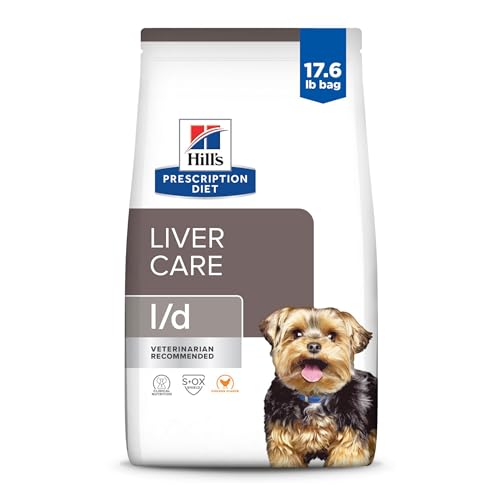
Hill's Prescription Diet l/d Liver Care Dry Dog Food
What We Like
- Low copper minimizes liver accumulation
- Controlled protein reduces liver workload
- Clinically proven antioxidants support immunity
- Formulated by Hill's nutritionists and veterinarians
Trade-offs
- Requires veterinary prescription to purchase
- Only one protein source (chicken) listed
A low copper level is the defining feature here, directly addressing copper accumulation in the liver, a key concern for dogs with compromised liver function. Controlled, highly digestible protein helps reduce liver workload, making this dry food a targeted choice for managing hepatic conditions. It suits owners who need a clinically formulated diet their vet can stand behind, with antioxidants adding immune support for a system already under stress.
The trade-off is that you cannot grab this off a shelf without a vet’s okay, which limits convenience compared to a non-prescription option like Royal Canin Veterinary Hepatic Adult Dry Dog Food. Both target liver care, but Hill’s 17.6 lb bag offers more food per purchase than Royal Canin’s 6 lb bag, so if your dog does well on this formula, you will need fewer refills.
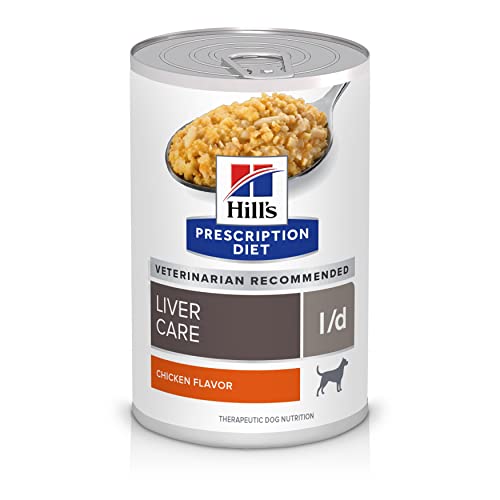
Hill's Prescription Diet l/d Liver Care Wet Dog Food
What We Like
- Low copper to minimize liver accumulation
- Controlled easy-to-digest protein
- Clinically proven antioxidants support immunity
Trade-offs
- Veterinary prescription required for purchase
- Only available as wet food in this line
Controlled levels of easy-to-digest protein and low copper content are the two numbers that matter most here. They directly reduce liver workload and minimize copper accumulation in the liver, which is the whole point of a low-copper diet. This wet food is formulated by Hill’s nutritionists and veterinarians specifically for dogs with compromised liver function, and the ground chicken texture makes it palatable for dogs who might be picky or have reduced appetite due to liver issues. It also packs clinically proven antioxidants to support immune health, a critical factor when the liver is already struggling.
Because this is a prescription-only food, you cannot just grab it off the shelf. You need a vet to confirm it is appropriate for your dog. If your dog needs a dry option, Hill’s also makes a dry version of the same l/d Liver Care formula, but this wet food is the better choice for dogs that need extra moisture or have dental sensitivities.
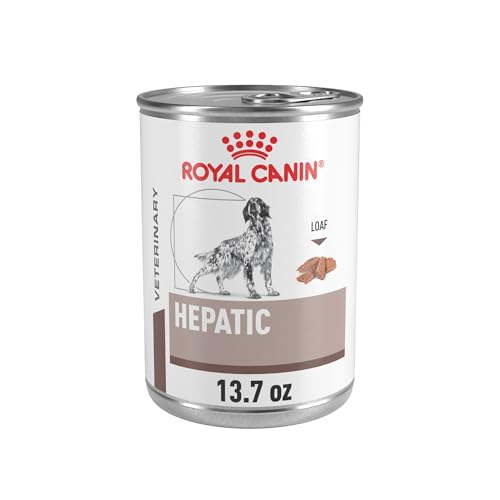
Royal Canin Veterinary Hepatic Adult Wet Dog Food
What We Like
- Low copper for liver support
- Antioxidant blend supports immune system
- Prebiotics promote healthy gut microbiome
Trade-offs
- Veterinary diet requires professional authorization
- Wet format means shorter shelf life after opening
A low copper level is the headline here. Royal Canin formulated this wet food specifically to minimize copper accumulation in liver cells, which matters if your dog has a copper-storage disorder or compromised liver function. The adapted energy content helps reduce meal volume, so the digestive system has less work to do. That combination of low copper and reduced meal volume is why this supports dogs with liver issues. The added prebiotics and antioxidant blend round out the support, aiming to keep the gut microbiome and immune system stable while the liver is under stress.
Since this is a prescription diet, you cannot just grab it off the shelf, you need a vet’s okay first. Compared to Hill’s Prescription Diet l/d Liver Care wet food, both are wet veterinary formulas for liver support. But Royal Canin’s explicit low-copper angle makes it the more targeted pick if copper accumulation is the specific concern. The wet format is convenient for dogs that prefer moist food, but once you open a can, you have to use it within a few days. If your vet has cleared the prescription route and copper levels are the worry, this addresses that directly.
Product photos
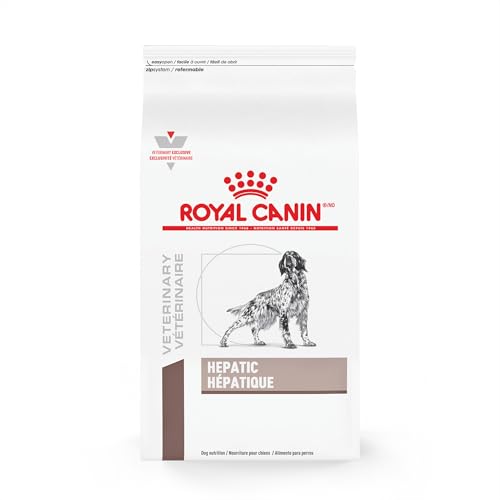
Royal Canin Veterinary Hepatic Adult Dry Dog Food
What We Like
- Low copper level for liver health
- Includes prebiotics for microbiome support
- Antioxidant blend supports immune system
- Adapted energy reduces meal volume
Trade-offs
- Prescription diet requires vet authorization
For dogs with copper storage concerns, the low copper level in this diet directly helps minimize accumulation in liver cells, which is critical for managing hepatic conditions. The adapted levels of highly digestible vegetable proteins support liver function, while the adjusted energy content reduces meal volume and decreases intestinal load. This combination makes it a practical choice for owners following a veterinarian’s plan for liver support.
One thing to consider is that the protein source is vegetable-based, which may not suit every dog’s tolerance or preference compared to a diet containing animal proteins. For a dog that does well on plant-based protein, this is a precise tool. The Hill’s Prescription Diet l/d Liver Care alternative is a chicken recipe, so the choice between them often comes down to which protein source your dog handles better and what your veterinarian recommends.
Product photos
How We Evaluated Low Copper Dog Foods
We evaluated these diets by examining their published nutritional profiles, ingredient lists, and the clinical rationale behind each formulation. Prescription hepatic diets are developed by veterinary nutritionists, so we looked closely at how each brand controls copper levels while supporting liver function.
The three criteria that mattered most were copper content, protein quality and quantity, and additional liver-supporting ingredients like antioxidants and prebiotics. Copper is the primary concern for dogs with liver disease. Too much protein stresses the liver, but too little causes muscle wasting. We also considered format, wet versus dry, since some dogs eat better with one texture.
This evaluation has limits. The information comes from what manufacturers publish and what veterinary experts recommend. Your veterinarian should confirm which diet suits your dog’s specific blood work and diagnosis.
What To Look For In Low Copper Dog Foods
Choosing a low copper dog food means reading past the marketing and understanding what the label actually says about mineral content and protein management.
Look for a prescription hepatic diet with controlled copper levels, moderate high-quality protein, and added antioxidants. Avoid over-the-counter foods that may hide excess copper in vitamin-mineral premixes.
Copper Content
The core requirement is a copper level below the standard maintenance amount. Most complete-and-balanced adult dog foods contain a certain range of copper on a dry matter basis. Hepatic diets typically target a lower range. Check the guaranteed analysis for the maximum copper percentage, but understand that the actual level may be lower, manufacturers list the maximum, not the exact value.
Protein Quality and Quantity
The liver processes protein byproducts, so a damaged liver needs less protein to handle. But dogs still need enough to maintain muscle mass. Look for a single, high-quality protein source (chicken, egg, or fish) at moderate levels on a dry matter basis. Multiple protein sources can make it harder to control both protein and copper content.
Digestibility and Immune Support
Wet foods are often easier for dogs with low appetite or nausea from liver disease. Both Hill’s and Royal Canin hepatic lines include antioxidants like vitamins E and C to combat oxidative stress on the liver. Prebiotics (like beet pulp or fructooligosaccharides) support gut health, which matters because the gut-liver axis affects toxin absorption.
- Ask your vet for a specific copper target range based on your dog’s breed and biopsy results
- Check the ingredient list for copper sulfate or copper proteinate, these are added copper sources
- Consider wet food if your dog’s appetite is poor or they need extra hydration
- Look for “veterinary diet” or “prescription diet” on the front of the bag
- Confirm the protein source matches your dog’s known allergies or sensitivities
A dog with a confirmed copper storage disorder should never eat a diet that is not specifically formulated for hepatic disease.
Low Copper Dog Foods Compared
The table below compares the four prescription hepatic diets on their format, protein source, and key features so you can see the differences at a glance.
| Product | Copper Level | Protein Type | Form | Weight |
|---|---|---|---|---|
| Hill's Prescription Diet l/d Liver Care Dry Dog Food | Low | Highly digestible | Dry | 17.6 lb |
| Hill's Prescription Diet l/d Liver Care Wet Dog Food | Low | Chicken | Wet | 9.8 pounds |
| Royal Canin Veterinary Hepatic Adult Wet Dog Food | Low level | Highly digestible | Wet | 20.6 pounds |
| Royal Canin Veterinary Hepatic Adult Dry Dog Food | Low level | Highly digestible vegetable proteins | Dry | N/A |
Frequently Asked Questions
What makes a dog food low in copper?
Low copper dog foods contain a lower range of copper on a dry matter basis, compared to a higher range in standard adult maintenance foods. These diets avoid copper supplements like copper sulfate and rely on ingredients naturally lower in copper.
Can I buy low copper dog food without a prescription?
No. All four foods reviewed here are veterinary prescription diets. A veterinarian must diagnose the liver condition and authorize the diet. Over-the-counter foods are not formulated to manage copper levels and may contain hidden copper from mineral premixes.
Is wet or dry food better for a dog with liver disease?
Both formats work, but wet food can help dogs with reduced appetite or nausea because it is more aromatic and palatable. Wet food also provides extra hydration, which supports kidney function alongside liver care. Dry food is more convenient for portion control and storage.
How long does a dog need to eat low copper food?
Most dogs with diagnosed liver disease or copper storage disorders require a low copper diet for life. The diet helps prevent further copper accumulation and liver damage. Your veterinarian will monitor blood copper levels and liver enzymes to adjust the plan over time.
What other nutrients matter in a liver support diet?
Beyond copper, look for controlled sodium (to reduce fluid retention), moderate protein from a single high-quality source, added antioxidants (vitamins E and C), and B vitamins for energy metabolism. Omega-3 fatty acids from fish oil can also support liver health by reducing inflammation.
The Bottom Line
For dogs with a veterinary diagnosis of liver disease, Hill’s Prescription Diet l/d Liver Care Dry Dog Food is the best overall choice. It combines low copper levels with clinically proven antioxidants and controlled protein in a format most owners find convenient. It is the most widely recommended hepatic diet for good reason.
If your dog prefers wet food or has trouble chewing, the wet version of Hill’s l/d delivers the same low-copper formula in a more palatable texture. For dogs with sensitive stomachs alongside liver concerns, Royal Canin Veterinary Hepatic Wet includes prebiotics that support gut health while keeping copper levels low.
The single most important buying factor is veterinary guidance. No one should switch a dog to a low copper diet without a diagnosis and a prescription. Work with your vet to confirm the right copper target and format for your dog’s specific condition.
