
5 Best Dog Food For Dogs With High Liver Enzymes in 2026
This post contains affiliate links. As an Amazon Associate, we earn from qualifying purchases.
For dogs with high liver enzymes, the right diet can make a real difference. Hill’s Prescription Diet l/d Liver Care Dry Dog Food is our best overall pick because it combines low copper levels with controlled protein to reduce liver workload. The Royal Canin Veterinary Hepatic Adult Wet Dog Food offers a strong wet-food alternative. The SquarePet VFS Low Phosphorus Formula is a solid dry option for those prioritizing kidney support alongside liver concerns.
High liver enzymes in dogs often point to an underlying issue, copper accumulation, a sluggish liver, or another metabolic problem. What you feed matters more than most owners realize, because the liver processes every nutrient that enters the body. A diet that limits copper, controls protein, and provides targeted antioxidants can help manage these enzyme levels.
We evaluated these five foods by comparing their ingredient profiles, nutrient specifications, and manufacturer documentation against veterinary nutritional guidelines for liver support. This guide gives you the key facts to discuss with your veterinarian, so you can make an informed choice together.
Top 5 Dog Foods For Dogs With High Liver Enzymes in the Market

Certain content that appears on this site comes from Amazon. This content is provided "as is" and is subject to change or removal at any time.
The Best Dog Foods For Dogs With High Liver Enzymes, Reviewed
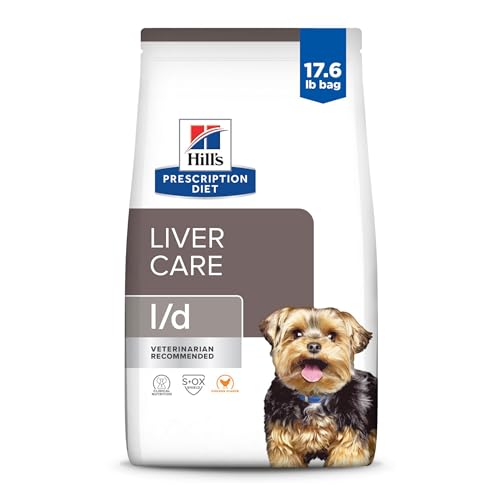
Hill's Prescription Diet l/d Liver Care Dry Dog Food
What We Like
- Supports vital liver function
- Low copper minimizes liver accumulation
- Controlled protein reduces liver workload
- Antioxidants support immune system
Trade-offs
- Requires veterinary prescription
- Single protein source limits variety
A controlled level of highly digestible protein is the core design here, directly reducing the liver’s workload so the organ isn’t forced to process excess nitrogenous waste. That makes this formula a precise tool for dogs whose livers are already struggling, and the low copper content further minimizes what can accumulate and cause additional damage. It’s a food built around a clear physiological need, not marketing fluff, and the clinically proven antioxidants add a layer of immune support that matters when the liver is compromised. For owners following a veterinarian’s guidance on managing elevated liver enzymes, this is the most targeted option available.
The trade-off is that this is a prescription diet, so you can’t just grab it off the shelf without a vet’s okay. That’s a barrier for some, but it also means the formulation is backed by the kind of oversight you want for a medical condition. If your dog needs that precise reduction in liver workload and copper intake, this is the better fit. If the vet clears it and the goal is liver support, this is where I’d start.
Hill's Prescription Diet k/d Kidney Care Wet Dog Food
What We Like
- Clinically proven to improve quality of life
- ActivBiome+ prebiotics support kidney function
- Reduced phosphorus and sodium levels
- Bite-sized chunks in gravy for picky eaters
Trade-offs
- Requires veterinary prescription to purchase
- Only available as wet food, not dry
- Targets kidney, not specifically liver enzymes
Reduced phosphorus and sodium are key to protecting kidney function in dogs with kidney disease. Hill’s Prescription Diet k/d Kidney Care Wet Dog Food is formulated with ActivBiome+ Kidney Defense, a proprietary prebiotic blend shown to activate the gut microbiome in ways that protect kidney function. That makes it a strong choice for dogs needing kidney-supportive nutrition, especially picky eaters who need the enticement of bite-sized chunks in gravy. The diet is clinically proven to improve and lengthen quality of life for dogs with kidney issues.
Clinically proven to improve and lengthen quality of life, this wet food uses reduced phosphorus and sodium to help protect vital kidney function in dogs with kidney concerns. It’s a wet-only formula, so if your dog prefers kibble or you need dry storage, you’ll be mixing or switching. But for a dog that needs kidney-supportive nutrition in a palatable stew, this is a well-researched option backed by veterinary recommendation.
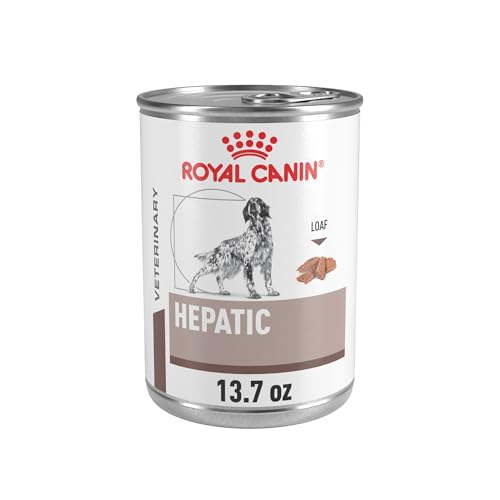
Royal Canin Veterinary Hepatic Adult Wet Dog Food
What We Like
- Low copper to minimize liver accumulation
- Adapted energy reduces meal volume
- Prebiotics support gut microbiome
- Antioxidant blend supports immune health
Trade-offs
- Wet food only, no dry option in this line
- Wet food requires refrigeration after opening
A low copper level is the standout feature here, copper accumulation in liver cells is a real concern for dogs with compromised hepatic function, and this formula keeps that mineral intentionally low. The adapted energy content also means smaller meal volumes, which helps reduce the digestive load on an already stressed system. For dogs needing a wet diet that prioritizes liver support over flashy ingredients, this one checks the right boxes with its targeted protein profile and added prebiotics for gut health.
A wet food means once opened it must be refrigerated and used within a few days, unlike dry kibble. If your dog tolerates wet food well, the low copper and immune-supporting antioxidants are key benefits. But if you prefer the convenience of a dry food, you would need to look at other products in the Royal Canin line or consider alternatives like Hill’s Prescription Diet l/d Liver Care dry dog food.
Product photos
SquarePet VFS Low Phosphorus Formula Dry Dog Food

What We Like
- Targeted low phosphorus for kidney health
- Cage free turkey and whole eggs protein
- Added Taurine and L-Carnitine for muscles
- Omega-3 fatty acids from salmon oil
Trade-offs
- Dry food only, no wet option for variety
- Not suitable for dogs needing high phosphorus or sodium levels
A low phosphorus formula designed to support kidney health makes this dry food a targeted option for dogs with renal concerns. SquarePet VFS uses cage free turkey and whole eggs as its protein base, providing essential amino acids like Taurine and L-Carnitine to support heart and muscle function without overloading the system. Salmon oil delivers DHA and EPA omega-3s, which help maintain immune and brain health, while added vitamins E and C offer antioxidant support. This is a straightforward, no-nonsense option for owners who want a dry kibble that prioritizes renal support through ingredient selection rather than marketing fluff.
At 4.4 pounds, this bag is small enough to fit easily in a pantry shelf or travel bag, but owners of large dogs or multiple pets will need to buy it more often. The targeted phosphorus and clean protein from cage-free turkey and whole eggs support kidney health without overloading sodium or protein, making it a practical dry food for dogs with special needs. If your dog requires wet food for extra moisture or has trouble chewing kibble, this isn’t the option for you.
Product photos
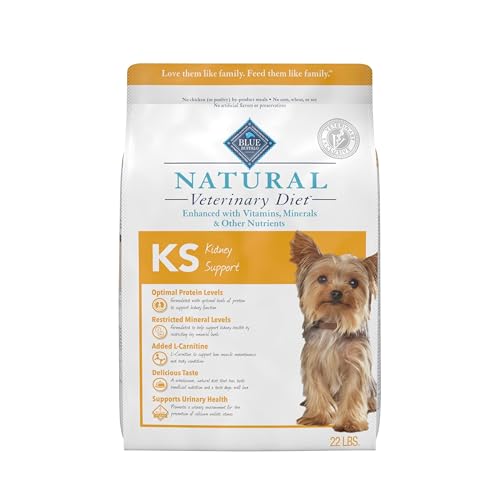
Blue Buffalo Natural Veterinary Diet Kidney Support Dry Dog Food
What We Like
- Real chicken is first ingredient
- Controlled phosphorus and sodium levels
- No chicken by-product meals, corn, wheat, soy
- No artificial flavors or preservatives
Trade-offs
- Requires veterinarian authorization to purchase
- Dry kibble only, no wet option in this formula
Controlled phosphorus and sodium levels are the key numbers here, since those minerals need watching when managing kidney workload in a dog with kidney disease. Blue Buffalo starts with real chicken as the first ingredient, giving you a recognizable protein source rather than a vague meal. This formula also skips corn, wheat, soy, and artificial flavors or preservatives, so the ingredient list stays clean. It’s a fit if you want a kidney support food with natural ingredients and controlled minerals.
A veterinary diet means you cannot just grab it off the shelf without a vet’s okay. That’s standard for therapeutic foods, but it does add a step compared to some other options. If you already have a vet relationship and want a dry food with controlled minerals and real chicken as the first ingredient, this Blue Buffalo formula delivers what the label states. Just be prepared for the authorization requirement.
Product photos
How We Evaluated Dog Foods For Dogs With High Liver Enzymes
This guide is based on a research-driven review of manufacturer specifications, ingredient lists, and nutritional data for each product. We cross-referenced these details against established veterinary recommendations for dogs with elevated liver enzymes. Owner feedback patterns helped us understand palatability and real-world feeding challenges, though we did not conduct any feeding trials ourselves.
Three criteria mattered most. First, copper content, excess copper accumulates in the liver and worsens enzyme elevations, so low-copper formulas were prioritized. Second, protein level and source, the liver breaks down protein, so moderate, high-quality protein reduces metabolic strain. Third, antioxidant and prebiotic support, ingredients like vitamin E, selenium, and prebiotic fibers help protect liver cells and support gut health.
Every evaluation has limits. No one can predict how any individual dog will respond to a diet change, and these foods have not been tested in a lab. Always work with your veterinarian when choosing a therapeutic diet for a medical condition.
What To Look For In Dog Foods For Dogs With High Liver Enzymes
The right food for a dog with high liver enzymes is one that reduces liver workload while providing complete nutrition. Focus on copper restriction, protein quality, and added liver-support nutrients.
Copper Restriction
Copper is an essential mineral, but dogs with liver disease often struggle to excrete it. Excess copper accumulates in liver tissue, causing oxidative damage and raising enzyme levels. Look for foods with intentionally low copper levels, many veterinary hepatic diets specify copper content on their guaranteed analysis or nutritional adequacy statement. A low copper dog food is often the first recommendation from veterinary nutritionists for dogs with elevated liver enzymes linked to copper storage issues.
Controlled, High-Quality Protein
The liver metabolizes protein, and too much can produce ammonia that a compromised liver cannot clear. But too little protein leads to muscle wasting. The sweet spot is a moderate protein level from a single, digestible source, chicken, turkey, or egg white. This gives the dog the amino acids it needs without overworking the liver. Foods labeled for hepatic support typically keep protein at a moderate level on a dry matter basis.
Antioxidants and Digestive Support
Liver cells under stress need extra antioxidant protection. Vitamin E, selenium, and beta-carotene help neutralize free radicals. Prebiotic fibers like beet pulp or inulin support a healthy gut microbiome, which reduces the toxin load the liver has to process. Omega-3 fatty acids from fish oil also help lower inflammation.
- Check the guaranteed analysis for copper content, ideally below a low level per gram of dry matter for dogs with confirmed copper hepatopathy.
- Look for a single protein source to minimize potential food sensitivities.
- Confirm the food meets AAFCO nutrient profiles for adult maintenance unless your vet specifies otherwise.
- Avoid foods with added salt, artificial preservatives, or high levels of vitamin D, which can stress the liver.
The most important rule: never switch a liver-support diet without running the label by your veterinarian first.
Dog Foods For Dogs With High Liver Enzymes Compared
The table below compares the five foods side by side, highlighting their primary strengths and the specific dietary restrictions each one addresses.
| Product | Protein Type | Form | Key Feature |
|---|---|---|---|
| Hill's Prescription Diet l/d Liver Care Dry Dog Food | Highly digestible chicken | Dry | Clinically proven antioxidants |
| Hill's Prescription Diet k/d Kidney Care Wet Dog Food | N/A | Wet, Canned | ActivBiome+ Kidney Defense |
| Royal Canin Veterinary Hepatic Adult Wet Dog Food | Highly digestible proteins | Wet | Prebiotics, antioxidants |
| SquarePet VFS Low Phosphorus Formula Dry Dog Food | Cage Free Turkey & Whole Eggs | Dry | Taurine & L-Carnitine |
| Blue Buffalo Natural Veterinary Diet Kidney Support Dry Dog Food | Real Chicken | Dry Kibble | Controlled Phosphorus & Sodium |
Frequently Asked Questions
What does high liver enzymes mean in dogs?
High liver enzymes on a blood test indicate that liver cells are damaged, inflamed, or under stress. It is not a diagnosis itself but a signal that the liver needs support. Causes range from copper accumulation and infection to medication side effects or age-related changes. Your veterinarian will run additional tests to determine the underlying reason.
Can diet alone lower a dog’s liver enzymes?
Diet can help manage the underlying causes of elevated liver enzymes, such as copper accumulation or excess protein load, but it rarely works alone. Most dogs need a combination of dietary changes, medication if prescribed, and regular bloodwork monitoring. A liver-support diet is a tool in a broader treatment plan.
Is prescription dog food necessary for high liver enzymes?
Not always, but prescription hepatic diets are formulated to strict nutrient limits, low copper, controlled protein, reduced sodium, that are hard to find in over-the-counter foods. If your dog’s enzyme elevation is mild and not linked to a specific disease, your vet may recommend a non-prescription maintenance food first. For confirmed liver disease, a prescription diet is usually the safer choice.
How quickly can diet change affect liver enzymes in dogs?
Some dogs show improvement in bloodwork within weeks of starting a therapeutic diet, but it depends on the underlying condition. Copper-related enzyme elevations may take longer to normalize because stored copper must be gradually excreted. Always recheck blood levels as your vet recommends rather than guessing based on your dog’s appearance.
Can I mix a hepatic diet with regular dog food?
Mixing a prescription hepatic diet with regular food dilutes the nutrient restrictions, copper, protein, and phosphorus levels will no longer be controlled. If your dog refuses the therapeutic food, talk to your vet about a gradual transitioning diet plan or a palatable wet food option like Hill’s k/d or Royal Canin Hepatic wet formulas.
The Bottom Line
For dogs with confirmed high liver enzymes, Hill’s Prescription Diet l/d Liver Care Dry Dog Food is our best overall choice. It targets copper restriction and controlled protein directly, which are the two most important dietary levers for liver health. Dogs that need a wet food for palatability or kidney support may do better with the Hill’s k/d or Royal Canin Hepatic wet formulas.
Budget-conscious owners should note that prescription diets cost more than grocery-store brands, but the SquarePet VFS offers a non-prescription low-phosphorus option for those whose vet approves a maintenance approach. The Blue Buffalo Veterinary Diet is worth considering if natural ingredients and no corn/wheat/soy are priorities, provided your vet authorizes it.
The single most important factor: never start a liver-support diet without veterinary guidance. A blood test and a diagnosis tell you which nutrient restrictions your dog actually needs, copper, protein, phosporus, or all three. Feed the right formula for the right reason.
