
10 Best Treats For Dogs With Pancreatitis in 2026
This post contains affiliate links. As an Amazon Associate, we earn from qualifying purchases.
The best overall treat for a dog managing pancreatitis is the Purina Pro Plan Veterinary Diets Gentle Snackers, thanks to its hydrolyzed protein and low-fat formula designed for food sensitivities. For owners needing a soft, low-fat option, the Covetrus Nutrisential Lean Treats for Dogs take the award for Best Low-Fat Bites. The Royal Canin Veterinary Hydrolyzed Protein HP Dog Treats earn the spot for Best for Food Sensitivities.
Pancreatitis in dogs demands strict dietary fat control, but that doesn’t mean treats are off the table. The real challenge is finding a snack that won’t trigger a flare-up while still giving your dog something rewarding. Fat content, protein source, and ingredient simplicity become the deciding factors.
We built this guide by analyzing manufacturer specifications, veterinary dietary guidelines, and patterns in owner feedback. Every pick was evaluated for its fat profile, ingredient transparency, and suitability for a pancreas-sensitive diet. You get a curated list of ten treats that prioritize safety without sacrificing palatability.
Top 10 Treats For Dogs With Pancreatitis in the Market
Certain content that appears on this site comes from Amazon. This content is provided "as is" and is subject to change or removal at any time.
The Best Treats For Dogs With Pancreatitis, Reviewed
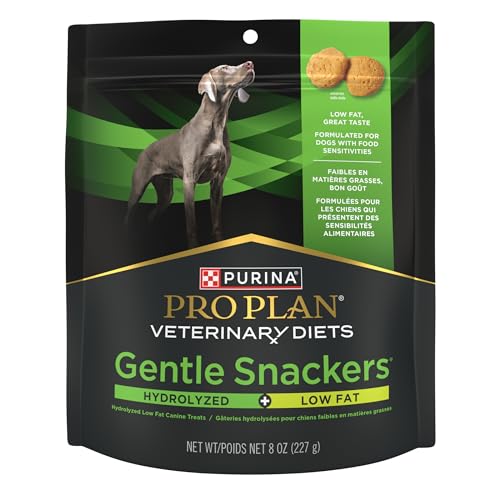
Purina Pro Plan Veterinary Diets Gentle Snackers
What We Like
- Hydrolyzed protein for food sensitivities
- Low fat for weight management
- Single protein source simplifies diet
- Crunchy texture dogs enjoy
Trade-offs
- Crunchy texture not ideal for seniors
- Only one size pouch available
A single hydrolyzed protein source is the key fact here: it means this treat is designed to minimize allergic reactions while keeping fat low. That matters a lot for a dog with pancreatitis who also has food sensitivities, so it’s a smart pick when you need a treat that won’t set off digestive issues or pack on extra calories. The crunchy texture gives it a satisfying chew, and since it’s from Purina Pro Plan Veterinary Diets, the formulation is backed by veterinary nutrition science.
The 8 oz pouch is the only size available, so if you have a large dog or use treats often, you may need to reorder more frequently than with larger bags. Compared to the Royal Canin Veterinary Hydrolyzed Protein HP Dog Treats, which comes in a 17.6 oz bag, this one offers less volume per purchase. For dogs that need soft chews due to dental issues, this crunchy treat may not be suitable, but for pancreatitis dogs with sensitive stomachs, it remains a focused, low-risk option.
Product photos
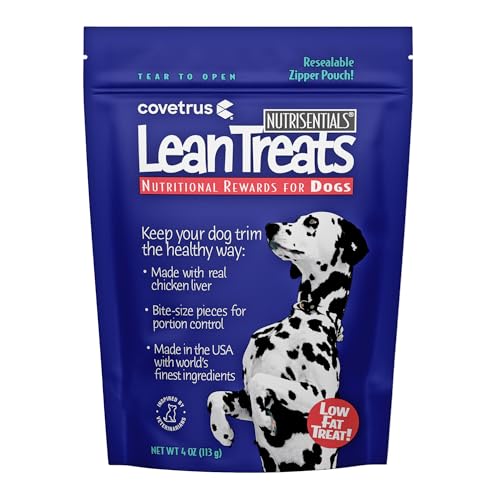
Covetrus Nutrisential Lean Treats for Dogs
What We Like
- Real chicken for natural flavor
- Soft texture easy to chew
- Bite-size for portion control
Trade-offs
- Only 4 oz bag, smaller than some competitors
- Not suitable for dogs needing grain-free treats
The real chicken flavor keeps palatability high without loading up on fillers, and the soft texture means even dogs with sensitive mouths or dental issues can handle them. If you’re looking for a straightforward, no-nonsense treat that prioritizes dietary safety over flashy extras, this one delivers.
At 4 ounces, this bag is smaller than the 8-ounce Purina Pro Plan Veterinary Diets Gentle Snackers listed in the guide. So you may need to buy more frequently if you have a larger dog or use treats often. Still, the low-fat, soft, chicken-based option made in the USA offers easy portion control for a lean snack.
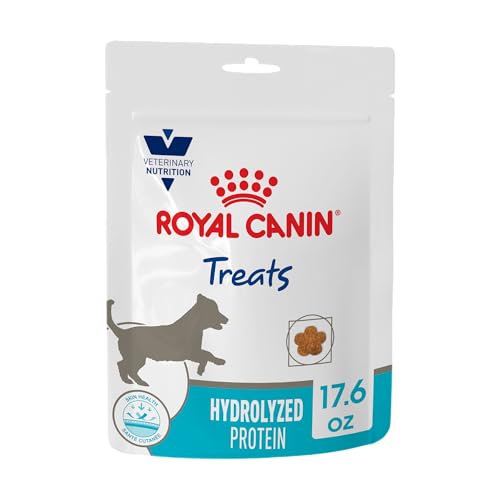
Royal Canin Veterinary Hydrolyzed Protein HP Dog Treats
What We Like
- Hydrolyzed protein for food sensitivities
- Supports skin and GI health
- Promotes urinary tract health
Trade-offs
- Veterinary diet requires vet authorization
- Not a general low-fat treat for pancreatitis
A 1-pound bag of hydrolyzed protein treats means you’re feeding a protein broken down small enough to avoid triggering most food sensitivities. That’s the core reason these suit dogs with chronic skin or GI issues tied to common proteins like chicken or beef. Royal Canin formulates these treats with nutrients to support skin barrier health and urinary tract health, as stated in the product features.
The trade-off is that these aren’t formulated specifically as low-fat treats, which matters for pancreatitis dogs who need strict fat restriction. Compared to Purina Pro Plan Veterinary Diets Gentle Snackers, which is also a hydrolyzed protein treat, Royal Canin’s HP treats focus on protein sensitivity. If your dog’s main concern is food allergies, this is a precise tool. But if fat grams are your primary worry, the Purina option might be the more direct fit.
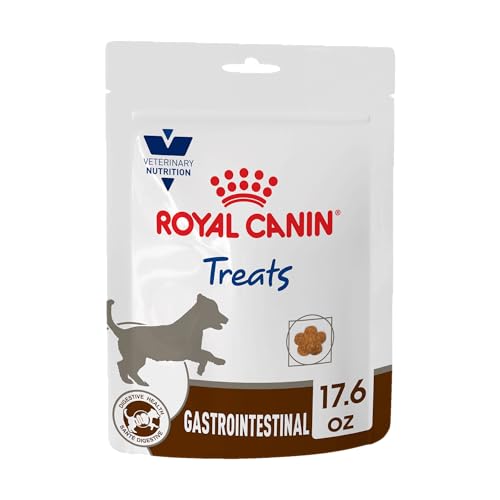
Royal Canin Veterinary Gastrointestinal Dog Treats
What We Like
- Only 4.5 calories per treat
- Formulated for digestive sensitivities
- Compatible with Royal Canin GI diets
- Developed by veterinarians
Trade-offs
- Veterinary-exclusive, not available at all retailers
- Best suited for dogs already on Royal Canin GI diet
At just 4.5 calories per treat, this option is formulated to support digestive health for dogs with digestive sensitivities. The treats are designed to be compatible with Royal Canin Gastrointestinal veterinary diets, so if your dog is already on that feeding plan, these treats can be a consistent addition without disrupting the nutritional balance. Developed by veterinarians, the recipe focuses on precise nutrition for sensitive systems.
The obvious trade-off is that these treats are locked into the Royal Canin ecosystem. If your dog isn’t on a Royal Canin GI diet, you’re better off looking at something like Purina Pro Plan Veterinary Diets Gentle Snackers. That option also targets food sensitivities but doesn’t tie you to a specific food brand.
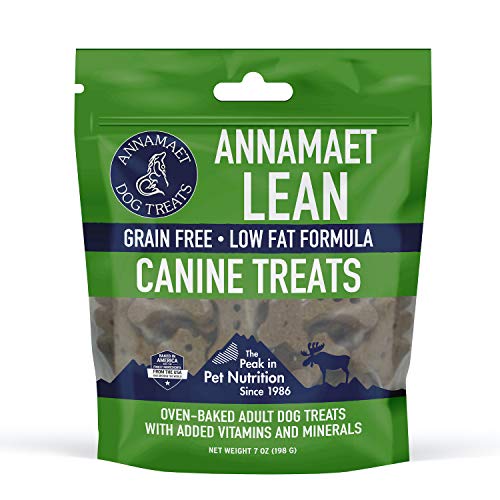
Annamaet Grain-Free Lean Dog Treats
What We Like
- Reduced fat formula supports pancreatitis management
- Grain-free with no corn, wheat, or soy
- Includes L-carnitine for lean mass maintenance
- Family-owned with sustainable packaging
Trade-offs
- Not suitable for dogs with poultry allergies
- Small bag size limits value per purchase
A reduced fat formula keeps fat intake low, which is crucial for dogs on a weight management plan. The grain-free recipe skips corn, wheat, and soy, common fillers that offer no nutritional value and can upset sensitive stomachs. Backed by a family-owned company with over 30 years in pet nutrition, these treats are a practical reward for owners who want to avoid adding extra fat to their dog’s diet.
The modest bag size is the main drawback: at 0.4 pounds, you’ll go through it faster than a larger bag like Royal Canin Veterinary Hydrolyzed Protein HP Dog Treats, which gives you more volume per purchase. The Annamaet formula includes L-carnitine, an amino acid that helps maintain lean mass and supports healthy cognitive function. If your dog tolerates poultry well, this is a low-fat choice that puts ingredient quality first.
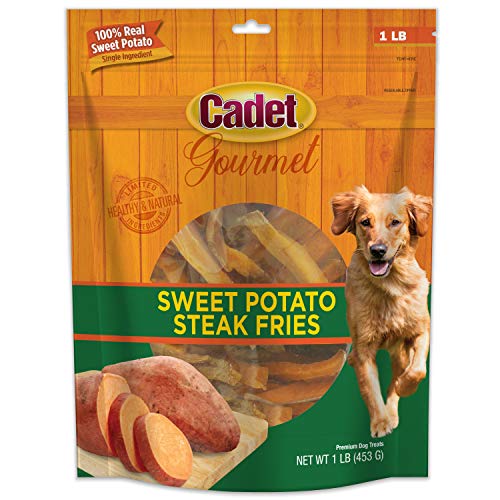
Cadet Gourmet Sweet Potato Steak Fries
What We Like
- Single ingredient: 100% real sweet potato
- Low-fat formula supports pancreatitis management
- Free of artificial colors, fillers, flavors
- Suitable for dogs of all sizes
Trade-offs
- Single ingredient limits nutritional variety for some dogs
- Not suitable for dogs needing protein-rich treats
One ingredient, just sweet potato, means you can read the entire label in two seconds. That’s the whole point for a dog with pancreatitis, where every extra additive is a potential trigger. These steak fries are low-fat by design, rich in vitamins and antioxidants, and go through a rigorous inspection process here in the US. For owners who want a treat that’s as close to whole food as possible, this is about as clean as it gets.
A single-ingredient treat like this one keeps things simple, but it won’t provide the hydrolyzed protein that some dogs with food sensitivities need. For a straightforward, low-fat, no-fuss option that lets you control exactly what goes in, Cadet’s version does exactly what it says on the bag.
Product photos
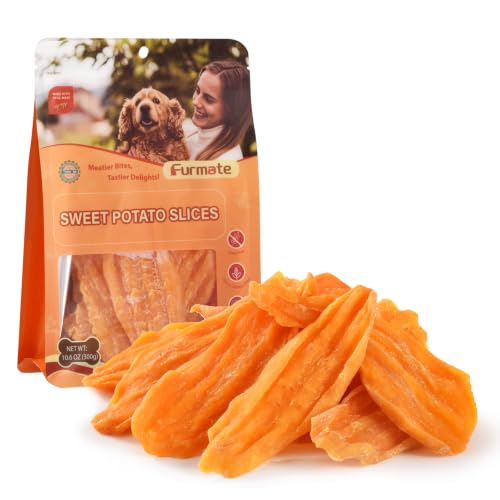
Furmate Healthy Sweet Potato Chews
What We Like
- Single ingredient: only sweet potatoes
- Low-fat and low-calorie
- Rich in dietary fiber
Trade-offs
- No added protein for dogs needing more
- Sweet potato can be high in sugar for some
A single-ingredient sweet potato treat means you can read the entire ingredient list in two seconds, and that’s exactly the kind of transparency that matters when your dog has pancreatitis. Furmate Healthy Sweet Potato Chews are low in fat and calories, with a soft, easily digestible texture that won’t stress a sensitive stomach.
The trade-off here is texture: these are soft chews, not crunchy or jerky-style, so they won’t satisfy a dog that wants to gnaw for a while. Compared to a hydrolyzed protein treat like Purina Pro Plan Veterinary Diets Gentle Snackers, Furmate offers a single-ingredient approach but no protein isolation for dogs with specific food sensitivities. If your dog does fine with plain sweet potato, this is a clean, low-fat choice; if they need a more tailored protein source, you’ll want to look at the hydrolyzed options.
Product photos
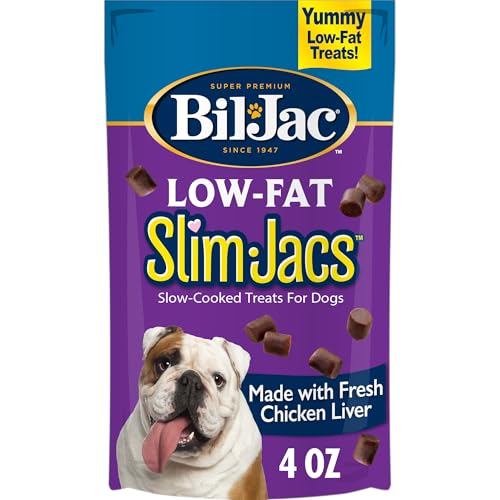
Bil-Jac Slim-Jacs Low-Fat Soft Dog Treats
What We Like
- Only 2.4 calories per treat
- Real chicken liver is #1 ingredient
- Low-fat formula for weight management
- Soft, chewy texture dogs enjoy
Trade-offs
- Soft texture not ideal for dental cleaning
- Not suitable for dogs with chicken allergies
At just 2.4 calories each, these treats let you reward your dog frequently without blowing a calorie budget. The low-fat formula, with real chicken liver as the first ingredient, means you’re not padding the treat with cheap fillers or added sugars to make it palatable. That matters for dogs on a weight management plan, or any dog where you want to keep the bond strong without the guilt.
This bag is only 4 ounces, so it won’t stretch far if you’re training daily. Compared to the 8-ounce pouch of Purina Pro Plan Veterinary Diets Gentle Snackers, which are also low-fat, you’ll restock this one sooner. Still, for the dog that needs a soft, low-calorie reward that actually tastes like something, Bil-Jac delivers exactly what the label says.
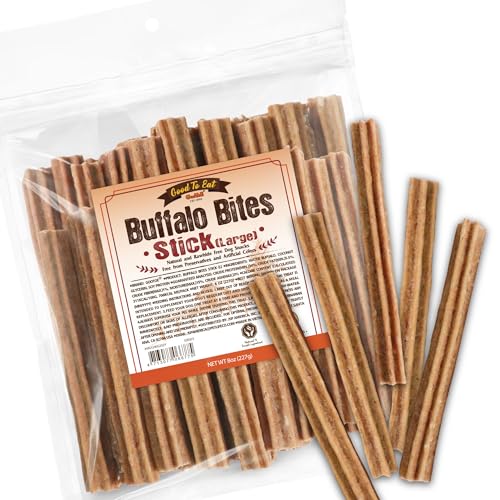
GooToE Buffalo Bites Dog Treats
What We Like
- Real buffalo as first ingredient
- Naturally grain-free formula
- No artificial additives
Trade-offs
- Single protein source limits dogs with buffalo sensitivity
- No hydrolyzed breakdown for food allergy management
Buffalo is the first ingredient, giving this treat a lean protein profile that’s uncommon in most dog snacks. The low fat content makes it a lighter option for regular training and treat routines. The grain-free formula removes a common filler, which can be a plus for dogs with certain dietary needs. It’s a straightforward, no-fuss option for owners who want to avoid artificial colors and preservatives while still offering a meaty reward their dog will actually work for.
Buffalo is the first ingredient, making these treats a distinctive choice for pet parents looking beyond common proteins. If your dog has never had buffalo before, introduce it slowly. These are a lean, low-fat option for training and everyday rewards, made without artificial colors or preservatives. For a dog that tolerates buffalo well, this keeps treat time simple.
Product photos
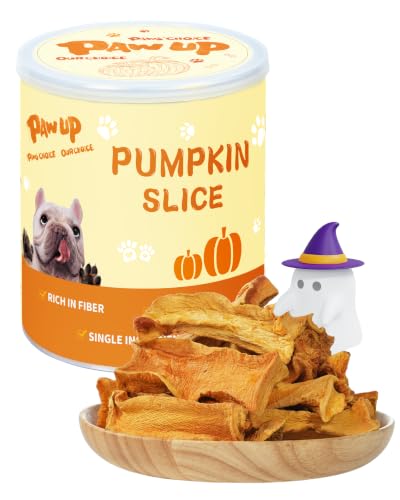
PAWUP Dehydrated Pumpkin Dog Treats
What We Like
- Single ingredient: 100% real pumpkin
- Naturally low in fat
- Rich in natural dietary fiber
- No grains, fillers, or additives
Trade-offs
- Only 14-16 slices per bag
- Not suitable for dogs needing a meat-based protein source
A single-ingredient treat made from 100% real pumpkin means there is nothing to second-guess on the label. These slices are naturally low in fat, which makes them a lighter alternative to many meat-based snacks. The fiber from pumpkin also supports healthy digestion and normal stool quality, which matters when a sensitive stomach is already on edge. This is a clean, transparent option for anyone who wants a treat that won’t introduce hidden triggers.
The biggest draw is that these are nothing but pumpkin, 100% real pumpkin with no grains, fillers, or artificial anything, so you know exactly what your dog is eating. With just 14 to 16 slices per bag, you’ll want to break them into smaller bits if you use them for training, because the bag doesn’t last long. It’s a straightforward, low-fat, plant-based snack, not a meat-based protein source, which makes it a clean option for dogs that do well on simple ingredients.
Product photos
How We Evaluated Treats For Dogs With Pancreatitis
Our evaluation is research-based, drawing on manufacturer nutritional data, veterinary dietary protocols for pancreatitis management, and patterns reported by owners in detailed feedback. We did not conduct laboratory testing or clinical trials. Instead, we focused on what the label and the research tell us about each treat’s suitability for a dog with a compromised pancreas.
We prioritized three criteria above all others. First, fat content: a treat must be demonstrably low in fat to avoid stressing the pancreas. Second, ingredient simplicity: single-protein or hydrolyzed sources reduce the risk of triggering sensitivities. Third, calorie density: small, low-calorie treats allow for controlled portioning during training or rewarding.
A research-led evaluation has honest limits. We cannot predict how an individual dog will react to any single ingredient. We recommend cross-referencing these picks with your veterinarian’s specific dietary guidelines, especially if your dog has concurrent conditions like diabetes or food allergies. For a deeper look at the full selection process, see our complete guide to choosing pancreatitis treats.
What To Look For In Treats For Dogs With Pancreatitis
Choosing a treat for a dog with pancreatitis means reading the guaranteed analysis and ingredient list with a skeptical eye. The front of the bag may promise “natural” or “premium,” but the numbers that matter are fat percentage, calorie count, and protein source.
Look for treats with low crude fat (dry matter basis) and fewer than 5 calories per piece. Prioritize single-ingredient or hydrolyzed protein options to minimize digestive stress.
Fat Content Is Non-Negotiable
The single most important number on the label is the crude fat percentage. For dogs with pancreatitis, treats should be very low in fat on a dry matter basis. Many standard training treats are higher in fat, which can trigger an episode. Stick to treats explicitly formulated as low-fat or reduced-fat, and check the calorie count per treat—anything under 5 calories is ideal for portion control. Research on low-fat treats confirms that fat content is the primary variable owners must control.
Protein Source Matters
A novel or hydrolyzed protein source reduces the likelihood of an immune or digestive reaction. Hydrolyzed proteins are broken into small fragments that the body is less likely to recognize as allergens. If your dog has known food sensitivities, a hydrolyzed treat like the Purina Pro Plan Gentle Snackers or Royal Canin HP is the safest bet. For dogs without confirmed allergies, a single-ingredient meat treat from a novel source, such as buffalo, can work well.
Ingredient Simplicity Reduces Risk
The fewer ingredients in a treat, the easier it is to identify what might cause a reaction. Single-ingredient treats like dehydrated sweet potato or pumpkin offer transparency and eliminate the risk of hidden fats or fillers. Multi-ingredient treats should have a short list with recognizable components and no artificial colors, flavors, or preservatives. Pairing a simple treat with the right dog food for pancreatitis creates a consistent, low-risk diet.
- Check the guaranteed analysis for crude fat (aim for low).
- Count calories per treat—under 5 is ideal for frequent training.
- Verify the protein source is either hydrolyzed or from a single, novel animal.
- Look for a short ingredient list with no artificial additives.
When in doubt, ask your veterinarian to review the treat label before introducing it to your dog’s routine.
Treats For Dogs With Pancreatitis Compared
The table below compares the ten treats across the criteria that matter most for pancreatitis management: fat content, protein type, calorie density, and ingredient simplicity.
| Product | Protein Source | Fat Content | Weight |
|---|---|---|---|
| Purina Pro Plan Veterinary Diets Gentle Snackers | Single hydrolyzed protein | Low fat | 8 oz Pouch |
| Covetrus Nutrisential Lean Treats for Dogs | Real chicken | Low-fat formula | 4oz |
| Royal Canin Veterinary Hydrolyzed Protein HP Dog Treats | Hydrolyzed Protein | Low Calorie | 1.0 pounds |
| Royal Canin Veterinary Gastrointestinal Dog Treats | N/A | N/A | 17.6 oz |
| Annamaet Grain-Free Lean Dog Treats | Chicken & Duck | Reduced Fat | 0.4 pounds |
| Cadet Gourmet Sweet Potato Steak Fries | N/A | Low-fat | 1 lb |
| Furmate Healthy Sweet Potato Chews | N/A | Low-fat | 10.6 oz |
| Bil-Jac Slim-Jacs Low-Fat Soft Dog Treats | Real chicken liver | Low-fat | 4 oz |
| GooToE Buffalo Bites Dog Treats | Buffalo | Low Fat | 8 oz |
| PAWUP Dehydrated Pumpkin Dog Treats | N/A | Naturally Low in Fat | 5.29 oz |
Frequently Asked Questions
Can I give my dog with pancreatitis any store-bought treats?
No. Most standard dog treats are too high in fat for a dog managing pancreatitis. You need treats specifically formulated to be low-fat, often very low in crude fat. Always check the guaranteed analysis and consult your vet before introducing a new treat.
What ingredients should I avoid in treats for a dog with pancreatitis?
Avoid treats high in fat, especially those with added oils, animal fats, or rich meats like pork or lamb. Also steer clear of treats with artificial colors, preservatives, and fillers, as these can complicate digestion. Stick to single-ingredient or hydrolyzed protein options.
Are sweet potato treats safe for dogs with pancreatitis?
Yes, sweet potato treats are naturally low in fat and can be a safe option for dogs with pancreatitis, provided they are dehydrated or baked without added oils or sugars. They also provide dietary fiber, which supports digestive health. Just be mindful of sugar content if your dog also has diabetes.
How many treats can I give my dog with pancreatitis per day?
Treats should make up no more than a small portion of your dog’s daily caloric intake. For a dog on a low-fat diet, that often means 2-5 small treats per day, depending on their size and calorie needs. Stick to treats under 5 calories each to keep portions manageable.
Can hydrolyzed protein treats help my dog’s pancreatitis?
Hydrolyzed protein treats are designed for dogs with food sensitivities, not specifically for pancreatitis. However, they are often very low in fat and use a protein source that is easy to digest, making them a good choice for many dogs with pancreatitis who also have sensitive stomachs. They are worth discussing with your veterinarian.
The Bottom Line
For most dogs with pancreatitis, the Purina Pro Plan Veterinary Diets Gentle Snackers are the best overall choice because they combine hydrolyzed protein with a low-fat formula that addresses both food sensitivities and pancreatic stress. This is the treat we’d recommend starting with if your dog has a confirmed diagnosis and you want the safest possible option.
If your dog needs a soft, chewy texture or you are working on portion control during training, the Covetrus Nutrisential Lean Treats for Dogs offer a low-fat, real-chicken alternative. For owners who prefer grain-free options, the Annamaet Grain-Free Lean Dog Treats include L-carnitine for lean mass support, while single-ingredient picks like the Cadet Gourmet Sweet Potato Steak Fries provide complete ingredient transparency.
The single most important factor in choosing a treat for pancreatitis is fat content, nothing else comes close. Read the guaranteed analysis on every bag, keep portions small, and always run new treats by your veterinarian. Your dog can still enjoy rewards; you just have to choose them carefully. For more on matching treats to your dog’s specific needs, explore our treats for sensitive stomachs and diabetic dog treats guides.
