
5 Best Food For Diabetic Cat in 2026
This post contains affiliate links. As an Amazon Associate, we earn from qualifying purchases.
The Purina Pro Plan Vet Diets DM Dietetic Management Dry Cat Food earns our Best Overall pick for its targeted low-carbohydrate formula that supports glucose management while providing high protein to maintain lean body mass. For owners working closely with their veterinarian, the Hill’s Prescription Diet m/d GlucoSupport Dry Cat Food stands out as the Best Veterinary Recommended option. The Tiki Pets After Dark Grain-Free Low-Carbohydrate Wet Food takes the Best Low-Carb Wet Food award for cats who need extra hydration.
Managing a diabetic cat means balancing blood sugar, weight, and overall health through nutrition. The right food can make a real difference in glucose stability, but the options can feel overwhelming when every bag claims to be the answer. What matters most is the actual carbohydrate content, protein quality, and whether the formula addresses your cat’s specific needs.
We built this guide by reviewing manufacturer specifications, consulting veterinary nutrition guidelines, and analyzing patterns in owner feedback across five leading products. Our goal is to help you match your cat’s condition to the food that fits best, whether you need a prescription diet or a carefully formulated over-the-counter option. For a deeper dive, our complete guide to food for diabetic cats covers the full picture of feline diabetes nutrition.
Top 5 Foods For Diabetic Cats in the Market

Certain content that appears on this site comes from Amazon. This content is provided "as is" and is subject to change or removal at any time.
The Best Foods For Diabetic Cats, Reviewed
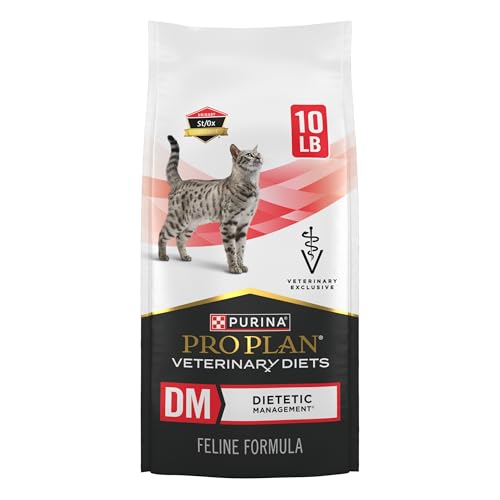
Purina Pro Plan Vet Diets DM Dietetic Management Dry Cat Food
What We Like
- Low carbohydrate for glucose support
- High protein maintains lean body mass
- St/Ox Defense for urinary health
- Antioxidant-rich formula
Trade-offs
- Dry kibble only; no wet option in this bag
- Targeted only at diabetic management, not multi-benefit
A low-carbohydrate, high-protein formula that directly targets glucose management in diabetic cats. The St/Ox Defense system also promotes a urinary environment that discourages both struvite and calcium oxalate crystals, which is a practical bonus for cats prone to urinary issues alongside diabetes. This diet focuses on blood sugar control and lean body mass preservation, with antioxidants included in the formula. It suits owners who want a straightforward veterinary diet for diabetic management.
The trade-off is that this bag is dry kibble only, so if your cat prefers wet food or needs extra hydration, you will have to buy the canned version separately. Compared to the Hill’s Prescription Diet w/d Multi-Benefit, which manages digestion, weight, glucose, and urinary health, this Purina DM is designed specifically for diabetic cats. That focus means it does not cover multiple conditions, but for a diabetic cat whose main issue is glucose regulation, this is the cleaner call.
Product photos
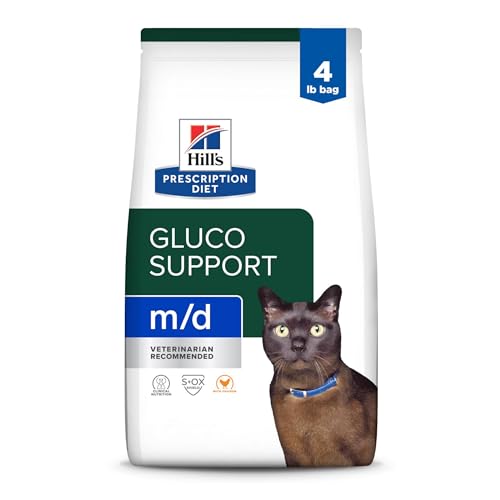
Hill's Prescription Diet m/d GlucoSupport Dry Cat Food
What We Like
- Clinically proven antioxidants support immunity
- High protein, optimal carbs for blood sugar
- Enriched with arginine for metabolic needs
- Formulated by Hill's nutritionists and veterinarians
Trade-offs
- Requires veterinary authorization to purchase
- Dry kibble only; no wet option in this line
- 4 lb bag is smaller than some competing options
The #1 US Vet Recommended therapeutic pet food is formulated with clinical nutrition optimized to help cats lose weight and manage blood sugar, so it’s a targeted option for owners following veterinary guidance. High protein and optimal carbohydrates work together to help manage blood sugar, and the food is enriched with arginine, an essential amino acid. This is a formula built for cats that need steady metabolic control, not a general-purpose kibble.
The trade-off is that this is a prescription-only dry food, so you’ll need a vet’s okay before buying. Compared to Purina Pro Plan Vet Diets DM, which comes in a 10 lb bag, Hill’s m/d is a 4 lb size. For a cat with diabetic needs, the clinical nutrition and clinically proven antioxidants support a healthy immune system, making the extra coordination worthwhile.
Product photos
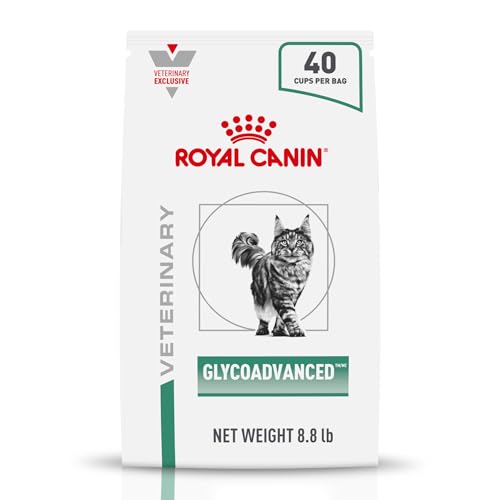
Royal Canin Veterinary Glycoadvanced Adult Dry Cat Food
What We Like
- High protein helps maintain muscle mass
- Low calorie for safe weight loss
- Poultry-based kibbles with appetizing aromas
- Formulated for diabetic adult cats
Trade-offs
- Not suitable for cats needing wet food for hydration
- Not ideal for cats with poultry protein sensitivities
The low-calorie formula with an increased nutrient-to-calorie ratio helps support safe, effective weight loss, which is important for diabetic cats. The high protein recipe helps maintain muscle mass during weight loss, while the poultry-based kibbles use a special aroma combination to keep mealtime interesting. For owners managing both diabetes and an overweight cat, this formula targets two problems with one bowl.
For an overweight diabetic cat, this formula is built around weight control thanks to its low-calorie design, which gives a higher nutrient-to-calorie ratio to support safe weight loss while still maintaining muscle mass. The high-protein recipe helps keep your cat’s muscles strong, and the poultry-based kibbles use a special combination of aromas to keep mealtime interesting. This is a dry food developed by veterinarians specifically for adult cats with diabetes, so it’s a targeted option if your cat needs to shed pounds alongside blood glucose support.
Product photos
Hill's Prescription Diet w/d Multi-Benefit Dry Cat Food
What We Like
- Helps manage glucose, weight, digestion, urinary health
- Therapeutic L-carnitine helps metabolize fat and maintain lean muscle
- Optimal fiber blend with low calories for healthy weight
Trade-offs
- Requires veterinary prescription to purchase
- Dry food only; no wet texture for picky cats
Because this is a prescription diet, you’ll need a vet’s approval before buying, which adds a step compared to grabbing an over-the-counter food. For cats whose needs align with the conditions this food targets, that extra consult can be worthwhile. If your cat’s main issue is glucose support without other complications, other options like Hill’s Prescription Diet m/d GlucoSupport or Royal Canin Veterinary Glycoadvanced exist. But this formula covers a broader range of health areas in one kibble.
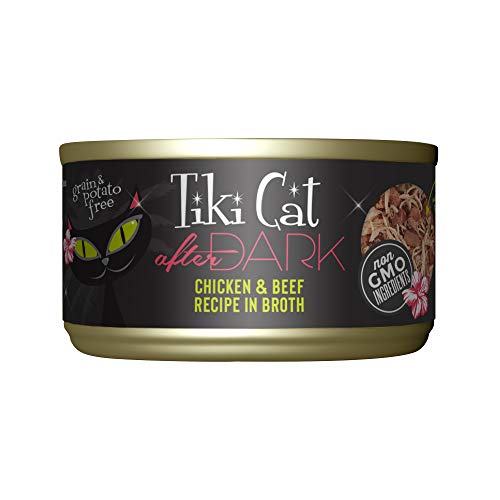
Tiki Pets After Dark Grain-Free Low-Carbohydrate Wet Food
What We Like
- Real chicken listed first ingredient
- Grain-free and low-carbohydrate formula
- High moisture content for hydration
- Suitable for kittens to adult cats
Trade-offs
- Small 2.8 oz cans require multiple per feeding
- Wet food has shorter shelf life after opening
- Not a veterinary diet formula
Real chicken is the first ingredient, so the protein source is clear and straightforward. The formula is grain-free and low-carbohydrate, which suits a carnivore’s natural diet, and the high moisture content helps with hydration. This wet food offers a whole-meat approach with shredded chicken in broth, appealing to owners who want a simple, meat-based ingredient list.
Each can is 2.8 oz, so a larger cat may need two or more cans per meal, which means more daily prep and storage. Compared to dry kibble like Purina Pro Plan Vet Diets DM, this wet food requires refrigeration after opening and has a shorter shelf life once opened. But if you want a low-carbohydrate, grain-free wet food with real meat as the first ingredient, this product delivers that.
Product photos
How We Evaluated Foods For Diabetic Cats
We evaluated these foods by looking at manufacturer-published guaranteed analysis data, ingredient lists, and the stated nutritional philosophy behind each formula. Veterinary nutrition guidelines for feline diabetes emphasize low carbohydrate content and moderate-to-high protein, so we weighed each product against those benchmarks first. Owner feedback patterns, particularly reports of palatability, weight changes, and blood sugar stability, helped us understand how these foods perform in real homes.
The four criteria that mattered most were carbohydrate content (as a percentage of metabolizable energy), protein source and percentage, whether the formula is a veterinary diet or over-the-counter, and the physical form (dry kibble versus wet food). Cats with diabetes often have concurrent conditions like urinary crystals or obesity. So we also considered multi-condition support where applicable.
A research-led evaluation like this has limits. We cannot replicate the controlled conditions of a clinical feeding trial, and individual cats respond differently to the same food. Our recommendations are based on what the specifications and collective owner experience suggest will work for most diabetic cats. Before changing your cat’s diet, consult your veterinarian to confirm the formula matches your cat’s current health status. Our list of best diabetic cat foods provides a broader view of available options.
What To Look For In Foods For Diabetic Cats
The right food for a diabetic cat keeps carbohydrate levels low, protein levels high, and calories controlled. Here is what to check on the bag.
Choose a food with low carbohydrate content on a dry-matter basis, at least 40% protein, and a named animal protein as the first ingredient. Avoid formulas with added sugars or high-glycemic fillers like corn, rice, or potatoes near the top of the list.
Carbohydrate Content
Cats are obligate carnivores, and their bodies are not designed to process large amounts of carbohydrates. For a diabetic cat, carbs directly affect blood glucose levels. Look for foods that report their carbohydrate content, ideally under 10% on a dry-matter basis for wet food and under 20% for dry food.
Some manufacturers list this in their guaranteed analysis or on their website; if they do not, you can estimate it by subtracting protein, fat, fiber, ash, and moisture from 100%. Our guide to the best low carb cat food breaks down how to calculate this yourself.
Protein Quality and Quantity
High-quality animal protein helps maintain lean muscle mass and supports a stable metabolism. The first ingredient should be a named meat, poultry, or fish, chicken, turkey, salmon, or similar. Avoid vague terms like “meat meal” or “poultry by-product” without a species name. Aim for a minimum of 40% protein on a dry-matter basis. Prescription diets like the Hill’s m/d and Purina DM formulas are specifically formulated with these targets in mind.
Veterinary Diet vs. Over-the-Counter
Prescription diets are formulated to strict nutritional specifications for medical conditions and require a veterinarian’s authorization. They offer the most precise control over carbohydrate and protein ratios. Over-the-counter options like Tiki Pets After Dark can still be low in carbs and high in protein, but they are not regulated as therapeutic diets. Your vet can help you decide whether a prescription diet is necessary for your cat’s glucose management.
- Verify that the first ingredient is a named animal protein source.
- Confirm whether a veterinary prescription is required before purchasing.
- Look for added fiber sources like psyllium or beet pulp, which can help with glucose regulation.
- Avoid any food listing sugar, corn syrup, or molasses in the ingredients.
A good rule of thumb: if the ingredient panel lists more than two grain or starch sources in the first ten ingredients, keep looking.
Foods For Diabetic Cats Compared
The table below compares the five foods side by side so you can see how their protein, carbohydrate, and format differences line up against your cat’s specific needs.
| Product | Form | Protein | Weight |
|---|---|---|---|
| Purina Pro Plan Vet Diets DM Dietetic Management Dry Cat Food | Dry kibble | High protein | 10.0 lb |
| Hill's Prescription Diet m/d GlucoSupport Dry Cat Food | Dry kibble | High protein | 4.0 lb |
| Royal Canin Veterinary Glycoadvanced Adult Dry Cat Food | Dry kibble | High protein recipe | 8.8 lb |
| Hill's Prescription Diet w/d Multi-Benefit Dry Cat Food | Dry kibble | N/A | 4.0 lb |
| Tiki Pets After Dark Grain-Free Low-Carbohydrate Wet Food | Shredded meat in broth | N/A | 2.8 oz |
Frequently Asked Questions
Can I feed my diabetic cat regular cat food?
Regular commercial cat food is often too high in carbohydrates for a diabetic cat. Most standard dry foods contain 30-50% carbohydrates on a dry-matter basis, which can spike blood glucose. A food specifically formulated for diabetic management, either a prescription diet or a carefully selected low-carb over-the-counter option, is a safer choice.
Is wet or dry food better for a diabetic cat?
Wet food typically has lower carbohydrate content and higher moisture, which supports hydration and can help dilute urine to reduce urinary crystal risk. Dry food is more convenient and stays fresh longer, but it tends to be higher in carbs. Many owners combine a prescription dry food for meals with a low-carb wet food for added moisture. Our guide to wet food for diabetic cats covers the best canned options.
Do I need a prescription to buy diabetic cat food?
Some of the most effective diabetic cat foods, like Hill’s Prescription Diet m/d and Purina Pro Plan Veterinary Diets DM, require a veterinarian’s authorization. This ensures the diet is appropriate for your cat’s specific condition and that any underlying issues are monitored. Over-the-counter options like Tiki Pets After Dark do not require a prescription but may not offer the same therapeutic precision.
How quickly will a diabetic cat’s blood sugar improve on a new food?
Blood sugar changes can begin within a few days of switching to a low-carbohydrate diet, but noticeable stabilization usually takes one to two weeks. Every cat responds differently, and insulin adjustments may be needed during the transition. Work with your veterinarian to monitor glucose levels closely during the first month on a new food.
Can I give my diabetic cat treats?
Yes, but choose treats specifically formulated for diabetic cats. Many commercial cat treats are high in carbohydrates, starches, or sugars that can disrupt glucose control. Look for freeze-dried meat treats with no added fillers, or check our safe treats for cats with diabetes guide for specific recommendations. Always account for treat calories in your cat’s daily intake.
The Bottom Line
The Purina Pro Plan Vet Diets DM Dietetic Management Dry Cat Food is our Best Overall pick because it combines low-carbohydrate glucose support with high protein and urinary health protection in a single bag. It is a strong choice for owners who want a veterinary-formulated dry food that addresses the primary concerns of feline diabetes without requiring a multi-condition formula.
If your cat is overweight and needs calorie-controlled weight loss alongside glucose management, the Royal Canin Veterinary Glycoadvanced Adult Dry Cat Food is the Best For Weight Management pick. For cats with concurrent digestive or urinary issues, the Hill’s Prescription Diet w/d Multi-Benefit Dry Cat Food offers broad therapeutic support. And if your cat prefers wet food or needs extra hydration, the Tiki Pets After Dark Grain-Free Low-Carbohydrate Wet Food is the best non-prescription option we found.
The single most important factor in choosing a diabetic cat food is the carbohydrate content. Everything else, protein quality, format, prescription status, follows from that starting point. Check the numbers on the bag, compare them to your cat’s needs, and run your final choice by your veterinarian before making the switch.
