
4 Best Dry Cat Food For Kidney Disease in 2026
This post contains affiliate links. As an Amazon Associate, we earn from qualifying purchases.
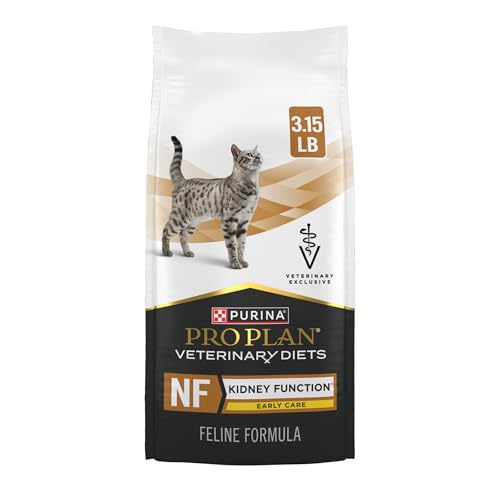
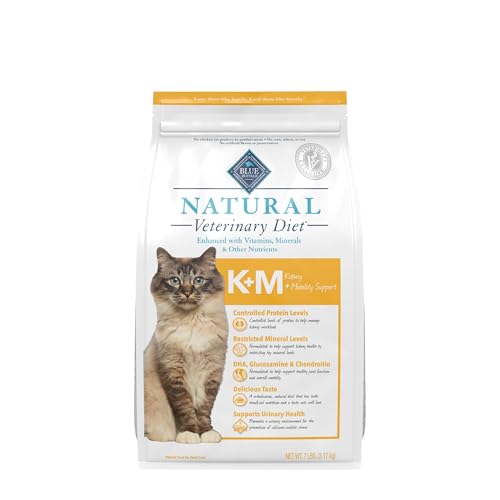
The Purina Pro Plan Veterinary Diets NF Kidney Early Care Dry Cat Food earns Best Overall for its controlled phosphorus levels, moderate protein with immune-supporting antioxidants, and omega-3 fatty acids from EPA and DHA. For cat owners whose senior felines also need joint support, the Blue Buffalo Natural Veterinary Diet K+M Support Dry Cat Food covers both concerns in one bag. And for those who want to try before committing, the Hill’s Prescription Diet k/d Kidney Care Starter Kit offers a variety of textures and flavors.
Chronic kidney disease changes everything about how a cat processes nutrients. Phosphorus builds up when kidneys can’t filter it, and protein needs careful balancing to reduce waste products while maintaining muscle. The wrong food accelerates the disease. The right one can extend quality time.
We evaluated these four dry foods on phosphorus restriction, protein source quality, omega-3 content, and the practical realities of prescription access and palatability. Each pick addresses a different stage of kidney disease or owner situation, so you can match the food to your cat’s specific needs.
Top 4 Dry Cat Foods For Kidney Disease in the Market

Certain content that appears on this site comes from Amazon. This content is provided "as is" and is subject to change or removal at any time.
The Best Dry Cat Foods For Kidney Disease, Reviewed
Purina Pro Plan Veterinary Diets NF Kidney Early Care Dry Cat Food
What We Like
- Controlled phosphorus supports kidney function
- Moderate protein with immune-supporting antioxidants
- Omega-3 fatty acids from EPA and DHA
- Backed by scientific research
Trade-offs
- Veterinary diet requires prescription access
- Not suitable for cats without a veterinary diagnosis of kidney issues
The controlled phosphorus level is the single most relevant spec for a cat with early kidney disease, because reducing phosphorus load is one of the few dietary levers that can slow progression. Purina Pro Plan Veterinary Diets NF Kidney Early Care hits that target with a moderate protein level and added antioxidants to support immune function. It makes a straightforward choice for owners who want a renal diet backed by the brand’s published research rather than marketing claims. It suits cats that still have a decent appetite and need a palatable kibble they’ll actually eat consistently.
The most decisive fact here is the controlled phosphorus level, which directly supports kidney function in cats with early-stage renal issues. For a single-cat household that goes through kibble slowly, the 3.14-pound bag may actually reduce waste, but multi-cat homes or those with a heavy eater will find themselves restocking sooner. Reviewers note that the moderate protein and added omega-3 fatty acids help maintain immune health and overall condition, making this a targeted option for cats needing kidney support without extra bulk.
Blue Buffalo Natural Veterinary Diet K+M Support Dry Cat Food
What We Like
- Real chicken is first ingredient
- Includes glucosamine and chondroitin for joints
- No corn, wheat, or soy
- No artificial flavors or preservatives
Trade-offs
- Requires veterinarian authorization to purchase
- Controlled protein levels limit muscle maintenance
A therapeutic diet that supports both kidney function and joint care in one bag means you don’t have to choose between managing your cat’s renal health and keeping her mobile. Real chicken is the first ingredient, and the formula includes glucosamine and chondroitin for joint support alongside controlled protein levels to help ease kidney workload. It also skips corn, wheat, and soy, which fits a cleaner ingredient approach for owners who prefer limited fillers.
The trade-off is that this is a prescription diet, so a vet must authorize the purchase, which adds a step for the buyer. Compared to the Purina Pro Plan Veterinary Diets NF Kidney Early Care, which focuses solely on early-stage kidney management, Blue Buffalo’s dual-support approach may be overkill if your cat has no joint issues. The controlled protein levels are intended to help manage kidney workload, so this is not a high-protein maintenance food.
Product photos
Hill's Prescription Diet k/d Kidney Care Starter Kit
What We Like
- Reduced phosphorus protects kidney function
- ActivBiome+ prebiotics support gut-kidney axis
- E.A.T. technology stimulates appetite in dry food
- Variety of textures and flavors in one kit
Trade-offs
- Small dry food bags limit long-term feeding
- Prescription required; not available over the counter
The kit includes two 5.25 oz bags of dry food and six cans (two 5.5 oz and four 2.9 oz), letting you try both dry and wet textures from the k/d portfolio. That variety helps when a cat with kidney disease changes its eating preferences. The dry food uses E.A.T. technology, clinically tested to stimulate appetite and increase food intake. Reduced phosphorus and sodium help protect kidney function. This setup suits owners who want to sample the k/d line without buying separate products.
When a cat already has a clear preference for one texture, buying a single large bag of that food is the practical route. For owners still exploring what their pet will accept, this variety pack serves as a logical first step. It combines two 5.25 oz. bags of dry food, two 5.5 oz. cans, and four 2.9 oz. cans, giving multiple textures and flavors to test. The entire package weighs just 2.1 pounds, so it is easy to carry home from the vet or store in a small cabinet. This approach lets you discover which options your cat prefers before committing to a full-size purchase.
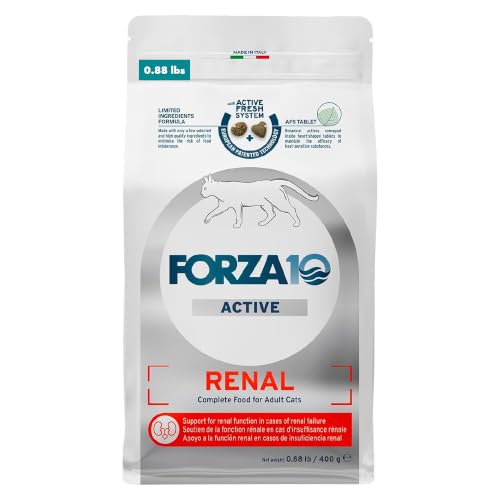
Forza10 Renal Dry Cat Food for Kidney Support
What We Like
- Hydrolyzed protein for controlled phosphorus
- Cranberries, dandelion, clover for kidney support
- Non-GMO, no by-products or artificial additives
Trade-offs
- Only 0.88 lb bag means frequent reordering
- Smaller size than typical kidney diet bags
At just 0.88 pounds, this bag is deliberately small, ideal for a cat with early kidney concerns who needs a gentle, controlled-protein diet without committing to a large sack that might go stale. The formula uses hydrolyzed protein and potato protein for controlled phosphorus and adapted protein content, while cranberries, dandelion, and clover extract add targeted renal support. Forza10 skips the GMOs, by-products, and artificial junk, sticking to a clean Italian formulation.
At just 0.88 pounds, this bag is small enough to toss in a travel bag or try out before committing to a larger supply. The Purina Pro Plan Veterinary Diets NF Kidney Early Care comes in a 3.14-pound bag, so if you have multiple cats or a big eater, you will need to reorder more often. For a single cat or a finicky eater, the smaller size means you can see if your cat accepts the fish flavor without a big investment.
Product photos
How We Evaluated Dry Cat Foods For Kidney Disease
Our evaluation is research-based: we examined manufacturer nutritional data, veterinary feeding protocols, and patterns reported in owner feedback for each product. Kidney disease diets are a medical category, so we prioritized scientific formulation over marketing claims.
The four criteria that mattered most were phosphorus restriction, which is the primary dietary intervention for CKD. Protein quality and quantity also mattered, since too little causes muscle wasting while too much stresses the kidneys. Omega-3 fatty acid content, specifically EPA and DHA, supports renal function. Practical access was another key factor, covering prescription versus over-the-counter options, bag sizes, and palatability for picky eaters.
A research-led evaluation has limits. We haven’t fed these foods to a panel of cats, and individual feline response varies. What works for one cat may not appeal to another. The best approach is to discuss your cat’s specific bloodwork with your veterinarian, then use this guide to find the formulation that matches their recommendations.
What To Look For In Dry Cat Foods For Kidney Disease
Choosing a renal diet means reading the guaranteed analysis and ingredient list with a skeptical eye. The front of the bag tells you nothing useful. Turn it over.
Phosphorus restriction is the single most important factor in a kidney disease diet. Look for foods with controlled phosphorus levels below 1% on a dry matter basis. Protein should be moderate, high enough to maintain muscle, low enough to reduce renal workload. Omega-3 fatty acids and low sodium are supporting factors.
Phosphorus Content
Phosphorus is the primary driver of kidney damage progression in cats with CKD. Healthy cat foods typically contain more phosphorus than renal diets. Renal diets aim for a lower phosphorus range. The dry cat foods we evaluated all fall within this therapeutic range. Look for the guaranteed analysis on the label, manufacturers of prescription renal diets will list phosphorus explicitly.
Protein Quality and Quantity
Kidney disease creates a protein paradox. Too much protein increases nitrogenous waste that damaged kidneys must filter. Too little protein causes muscle wasting, which is a major predictor of mortality in CKD cats. The ideal renal diet uses high-quality, highly digestible protein sources, real meat first, not by-products or plant concentrates. Moderate protein levels are the sweet spot for most cats.
Omega-3 Fatty Acids
EPA and DHA from fish oil have anti-inflammatory effects on kidney tissue and may slow disease progression. The best cat food for kidney disease formulations include specific omega-3 levels in their guaranteed analysis. If the bag doesn’t list EPA/DHA amounts, the food probably doesn’t have therapeutic levels.
Prescription vs. Non-Prescription
Veterinary renal diets are prescription-only because they require a diagnosis and monitoring. Non-prescription kidney food options exist but typically have less aggressive phosphorus restriction. For early-stage CKD, some owners and vets find OTC foods adequate. For IRIS Stage 2 or beyond, prescription diets are the standard of care.
- Check the guaranteed analysis for phosphorus percentage (aim for under 1% dry matter)
- Confirm the first ingredient is a named animal protein, not a by-product meal or grain
- Look for explicit EPA and DHA levels, not just “fish oil” without amounts
- Verify the food matches your cat’s IRIS stage (early vs. Late-stage formulas differ)
- Ask your vet about prescription authorization before buying a veterinary diet
A cat with kidney disease needs veterinary monitoring every few months to adjust diet as the disease progresses. What works at Stage 2 may be inappropriate at Stage 3.
Dry Cat Foods For Kidney Disease Compared
The table below compares the four renal dry foods across the criteria that matter most for kidney disease management.
| Product | Protein Source | Phosphorus Level | Key Additives | Bag Size |
|---|---|---|---|---|
| Purina Pro Plan Veterinary Diets NF Kidney Early Care Dry Cat Food | Moderate premium protein | Controlled | EPA and DHA | 3.14 lb |
| Blue Buffalo Natural Veterinary Diet K+M Support Dry Cat Food | Real Chicken | N/A | Glucosamine + Chondroitin | 7 lb |
| Hill's Prescription Diet k/d Kidney Care Starter Kit | N/A | Reduced | E.A.T. technology | 5.25 oz (2 bags) |
| Forza10 Renal Dry Cat Food for Kidney Support | Hydrolyzed protein, potato protein | Controlled phosphorus | Cranberries, dandelion, clover extract | 0.88 lb |
Frequently Asked Questions
What is the best dry cat food for kidney disease?
The Purina Pro Plan Veterinary Diets NF Kidney Early Care Dry Cat Food is the best overall choice for early-stage CKD. It combines controlled phosphorus with moderate protein and omega-3 fatty acids from EPA and DHA. It requires a prescription, so discuss it with your veterinarian first.
Can I feed a non-prescription food to my cat with kidney disease?
Some over-the-counter foods have lower phosphorus than standard maintenance diets, but they rarely match the restriction of prescription renal diets. The OTC food for kidney disease options work best for early-stage CKD under veterinary guidance. For advanced stages, prescription diets are the standard recommendation.
Is dry food bad for cats with kidney disease?
Dry food is not inherently bad for cats with kidney disease, but it provides less moisture than wet food. Cats with CKD need increased water intake to help flush toxins. Many owners combine a wet cat food for kidney disease with dry kibble to increase moisture while maintaining the convenience of dry food.
How do I transition my cat to a kidney disease diet?
Gradual transition over several days is best, mix increasing amounts of the new renal food with the current food. Cats with CKD can be picky eaters, and stress from sudden food changes may cause refusal. The approach to feeding a cat with kidney disease includes warming the food slightly and offering small, frequent meals.
What treats are safe for a cat with kidney disease?
Most commercial treats are too high in phosphorus and protein for CKD cats. Look for low phosphorus cat treats specifically formulated for renal support, or offer small amounts of the renal diet itself as treats. Avoid dairy, fish, and meat-based treats that aren’t labeled for kidney care.
The Bottom Line
The Purina Pro Plan Veterinary Diets NF Kidney Early Care Dry Cat Food is the best overall choice for cat owners managing early-stage chronic kidney disease. It delivers the three pillars of renal nutrition, controlled phosphorus, moderate high-quality protein, and omega-3 fatty acids, in a formulation backed by veterinary research. If your cat also needs joint support, the Blue Buffalo Natural Veterinary Diet K+M Support covers both concerns in a single bag.
For owners who want to trial different textures and flavors before committing to a full-size bag, the Hill’s Prescription Diet k/d Kidney Care Starter Kit offers a practical way to test palatability. And if you have a single cat and prefer a clean-ingredient, non-GMO option, the Forza10 Renal Dry Cat Food provides a small-bag alternative worth considering.
The single most important factor in managing kidney disease through diet is phosphorus restriction. Whatever food you choose, verify its phosphorus content against your cat’s current bloodwork, and adjust the diet as the disease progresses. Your veterinarian is the best guide for timing those adjustments.
