
6 Best Bottom Feeder Fish in 2026
This post contains affiliate links. As an Amazon Associate, we earn from qualifying purchases.
The Frog House Bristlenose Pleco is the best overall bottom feeder fish for its hardy, peaceful nature and disease-free guarantee, so it fits well in community tanks. For those who want a school of active catfish with a safety net, the SF Aquatic Sterbai Corydoras Catfish offers the best live arrival guarantee. And if algae is your primary concern, the Aquaticheavens Siamese Algae Eater targets even stubborn black beard algae.
A clean tank bottom is more than aesthetics, it’s a sign of a healthy ecosystem. Uneaten food and decaying plant matter can foul water quality, so choosing the right bottom feeder is a practical water-management decision, not just a stocking choice. The wrong fish can outgrow your tank, bully tankmates, or simply starve if its diet isn’t met.
This guide is based on a careful review of manufacturer specifications, expert aquarist recommendations, and patterns found in owner feedback. We focused on hardiness, adult size, diet, and community compatibility to find six bottom feeders that actually earn their keep without causing new problems.
Top 6 Bottom Feeder Fish in the Market
Certain content that appears on this site comes from Amazon. This content is provided "as is" and is subject to change or removal at any time.
The Best Bottom Feeder Fish, Reviewed
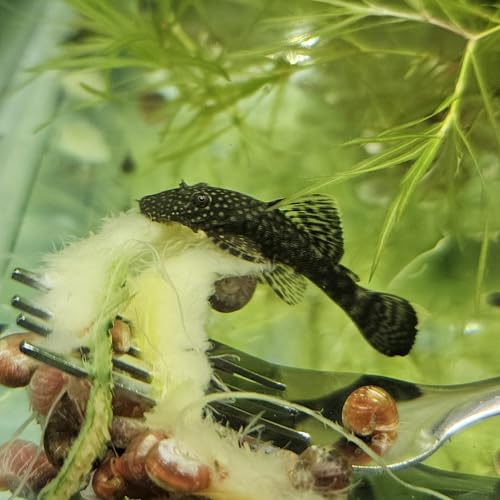
The Frog House Bristlenose Pleco
What We Like
- Peaceful community tank dweller
- Hardy and disease-free guarantee
- Bred in personal aquariums with care
- Distinctive bristle-like facial appendages
Trade-offs
- Juveniles arrive without full adult coloration
- Requires 20-gallon minimum tank size
- Must report DOA within two hours
A max size of 4.5 inches means this pleco stays small enough for a 20-gallon tank, which is rare among algae-eating catfish. That compact adult size opens up planted or community setups where larger plecos would quickly outgrow the space. The Bristlenose is also bred in the seller’s own aquariums, so you’re getting a fish that’s been handled with care from the start, not something pulled from a mass holding system. The quarantine procedures they describe give extra peace of mind for a community tank where disease introduction is a real risk.
The trade-off is that the fish you receive will be a juvenile, not the fully bristled adult shown in the photos. That means you’ll need patience while it colors up and develops its signature facial tentacles. If you want a peaceful bottom feeder that won’t outgrow your aquarium and comes from a careful breeder, this is a straightforward pick.
Product photos
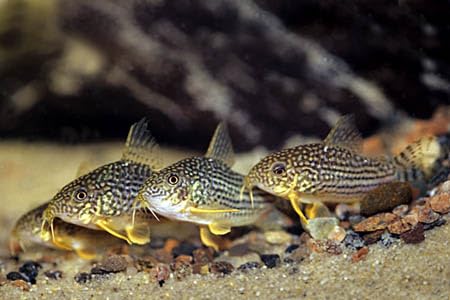
SF Aquatic Sterbai Corydoras Catfish
What We Like
- Live arrival guarantee included
- Mixed gender group of 5
- Healthy and active juveniles
Trade-offs
- Juvenile size very small at 1/4" – 1/2"
- Gender mix not guaranteed balanced
Five fish in a single order means you get a small school right out of the box, which is exactly what bottom-feeding corydoras need to feel secure. The live arrival guarantee takes the financial risk off your shoulders if something goes wrong in transit, so you aren’t stuck paying for dead fish. That matters more here than with hardier species because these are juveniles barely a quarter to half an inch long, delicate enough that shipping stress can be a real problem. For someone setting up a community tank and wanting a proven cleanup crew without gambling on DOA losses, this pack makes the decision easier.
Size is the real limitation here: at 1/4″ to 1/2″, these are tiny fish that need gentle tankmates and careful acclimation, not a ready-to-breed adult group. Compared to the Bristlenose Pleco from The Frog House, which arrives at 1-2 inches and can handle a wider range of water conditions, the Sterbai Corydoras are more fragile in their first weeks. You are paying for the guarantee and the convenience of a pre-formed school, not for fully grown specimens. That trade-off suits a patient aquarist who can quarantine and feed appropriately, but it is a real limitation if you want fish that can hold their own in a mixed tank immediately.
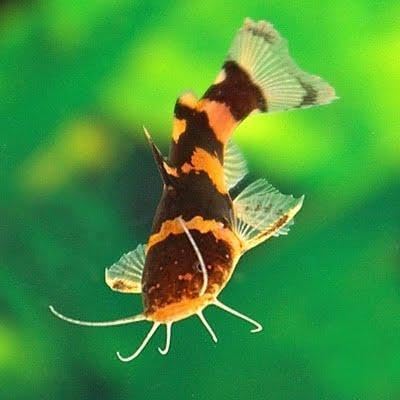
Santboz Bumblebee Catfish
What We Like
- Striking black and yellow pattern
- Peaceful community tank behavior
- Thrives in planted aquariums
- Live arrival guarantee included
Trade-offs
- Nocturnal, less visible during daytime
- Requires hiding spots and soft substrate
- Juvenile size limits tankmate compatibility
A 3-pack of 1-1.5 inch juveniles means you get a small shoal right away, which helps these peaceful bottom dwellers feel secure in a community or planted tank. Their bold black and yellow stripes stand out against dark substrate and green plants, making them a visual anchor even when they’re tucked under driftwood. For aquarists who want a calm, low-aggression catfish that adds contrast without bullying tankmates, this is a straightforward pick.
Because these catfish are nocturnal, you’ll see them most active under low light or at night, which adds movement to your tank after dark. For daytime viewing, you might need to dim the lights or set up a moonlight schedule.
Aquaticheavens Siamese Algae Eater

What We Like
- Eats black beard algae
- Active and hardy fish
- Tolerates wide water parameters
- Peaceful with larger shrimp
Trade-offs
- Requires group of 6+ to avoid aggression
- Needs secure lid to prevent jumping
One of the few fish that actively eats black beard algae, this Siamese Algae Eater is a practical tool for keeping a tank clean without scrubbing every rock. It thrives in groups of at least six, which spreads out any territorial tendencies and lets the natural hierarchy form without constant harassment of the smaller individuals. The tolerance for a wide range of water parameters means you can drop it into most established setups without fussing over pH or hardness, as long as you provide decent filtration and moderate to high flow. That active nature also means it needs a secure lid; this fish will jump when startled.
Its appetite for invertebrates is real. Dwarf shrimp are on the menu, so if you keep a colony of neocaridina, this fish will thin them out. For a dedicated algae cleanup crew in a community tank without tiny shrimp, this is the more effective choice.
Product photos
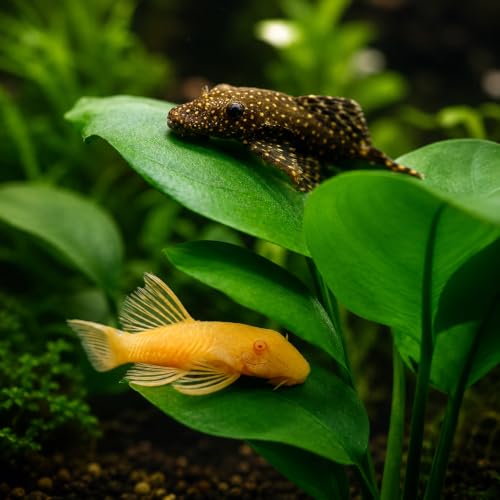
Swimming Creatures Pleco Combo
What We Like
- Includes two distinct pleco varieties
- Diet includes algae wafers and vegetables
- Requires soft substrate and hiding caves
Trade-offs
- Temperature-sensitive shipping below 32°F or above 92°F
- Requires driftwood and caves for habitat
Two plecos in one shipment means you get both a Snowflake and an Albino Shortfin, each around 1-2 inches, so you can watch two different patterns scouring the bottom from day one. Feeding them algae wafers and blanched zucchini matches their natural grazing behavior, which keeps the tank cleaner and the fish healthier without guesswork.
The real catch is that temperature-sensitive shipping: if your local weather is below 32°F or above 92°F, even insulated packaging might not protect them, so you have to plan delivery around mild conditions. Compared to the single Bristlenose Pleco from The Frog House, this combo gives you two fish for roughly the same footprint, but the Bristlenose is a bit more forgiving on tank size. If you have the gallonage and can time the shipment right, the Pleco Combo delivers variety without doubling your maintenance.
Product photos
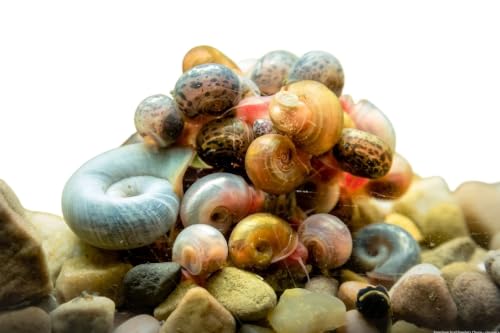
Polar Bear's Pet Shop Ramshorn Snails
What We Like
- 9+ snails included per order
- Raised in pristine planted aquariums
- Red ramshorn variety for algae cleanup
Trade-offs
- Weight of 0.3 pounds suggests small size
- Snails are small and need time to grow
Nine or more red ramshorn snails arrive in each shipment, which means you get a working cleanup crew right out of the box. These are raised in personal planted tanks, so they’re already adapted to the kind of environment where bottom feeders thrive. For a tank that’s starting to show algae on glass, plants, or hardscape, a group of ramshorns can keep surfaces scraped clean without the need for chemical treatments or extra effort on your part. They’re a practical choice for anyone who wants steady algae control from a species that stays small and doesn’t outgrow the aquarium.
The 0.3-pound shipping weight means you’re getting a bunch of small snails rather than a few large adults, so they need time to grow into their full algae-eating potential. For ongoing maintenance and a natural look, these snails deliver great value per cleanup unit.
How We Evaluated Bottom Feeder Fish
Our evaluation began with the hard specs: adult size, minimum tank volume, temperature range, and pH tolerance. A fish that needs a large tank as an adult but arrives as a two-inch juvenile is a common source of buyer regret, so we prioritized species with realistic adult sizes for home aquariums. We also cross-referenced these numbers against expert round-ups from experienced aquarists who keep and breed these fish long-term.
We then examined diet and behavior. A true bottom feeder should actively scavenge or graze, not just hide until lights out. We looked for species with documented feeding habits, algae grazers, substrate sifters, and detritus eaters, and checked whether they accept prepared foods like wafers and pellets. Peaceful temperament was a hard requirement; an aggressive bottom feeder defeats the purpose of a community tank.
The honest limit of a research-led evaluation is that individual fish vary. Genetics, shipping stress, and tank conditions all influence how a fish behaves once it arrives. Our picks represent the most consistent performers based on what breeders, experienced keepers, and owner feedback report, but there is no substitute for observing a fish in your own setup over the first few weeks.
What To Look For In Bottom Feeder Fish
Choosing a bottom feeder starts with knowing your tank’s size, water parameters, and current inhabitants. The right fish will complement your setup, not complicate it.
Look for a bottom feeder whose adult size fits your tank, whose diet matches what you’re willing to provide, and whose temperament suits your current community. A fish that needs a group of six and a large tank is a poor fit for a small desktop setup.
Adult Size and Tank Requirements
The most common mistake is buying a fish based on its juvenile size. A two-inch pleco can become a foot-long algae-eater that outgrows a 20-gallon tank. Check the species’ maximum adult length and minimum tank volume before purchasing. The Frog House Bristlenose Pleco, for example, stays around four to five inches, making it suitable for a 20-gallon tank, while many common plecos need 75 gallons or more.
Diet and Feeding Habits
Not all bottom feeders eat the same thing. Some are strict algae grazers, others prefer protein-rich sinking foods, and many are omnivorous scavengers. You need to know what your fish actually eats so you can provide the right nutrition.
A proper bottom feeder feeding guide explains the differences between wafer-based diets, blanched vegetables, and live or frozen foods. If you keep catfish specifically, the best catfish food will differ from what you’d offer a pleco. For corydoras keepers, specialized corydoras food that sinks quickly and doesn’t dissolve is essential to ensure they get enough to eat before faster surface-feeders intercept it.
Temperament and Tankmate Compatibility
A peaceful bottom feeder can live happily with tetras, rasboras, and other community fish. An aggressive or territorial one can stress tankmates and create constant chasing. Species like the Bristlenose Pleco and Sterbai Corydoras are reliably peaceful. Others, like some loaches, can be nippy or semi-aggressive. Always research whether your chosen bottom feeder is compatible with your existing fish, especially if you keep slow-moving or long-finned species.
- Verify the adult size fits your tank’s gallon capacity and footprint.
- Confirm the fish’s preferred temperature and pH match your existing setup.
- Check whether the species is a solo dweller or needs a group (many catfish and corydoras need schools of 5+).
- Ensure the fish’s diet matches what you can consistently provide (algae wafers, vegetables, sinking pellets, or live foods).
- Look for a live arrival guarantee or health guarantee from the seller, especially for sensitive species.
A bottom feeder that matches your tank’s size, diet, and community will thrive with minimal fuss; one that doesn’t will create more work than it saves.
Bottom Feeder Fish Compared
The table below compares each pick’s key specs and best-use scenario so you can match the right bottom feeder to your tank’s size, water conditions, and existing community.
| Product | Max Size | Min Tank Size | pH Range |
|---|---|---|---|
| The Frog House Bristlenose Pleco | 4.5" | 20 Gallon | 6.5-7.4 |
| SF Aquatic Sterbai Corydoras Catfish | N/A | N/A | N/A |
| Santboz Bumblebee Catfish | 1-1.5 inches | N/A | N/A |
| Aquaticheavens Siamese Algae Eater | N/A | N/A | N/A |
| Swimming Creatures Pleco Combo | 1-2 inches each | Minimum 2030 gallons | 6.57.5 |
| Polar Bear's Pet Shop Ramshorn Snails | N/A | N/A | N/A |
Frequently Asked Questions
What is the best bottom feeder fish for a 20-gallon tank?
The Frog House Bristlenose Pleco is an excellent choice for a 20-gallon tank because it stays relatively small as an adult, around four to five inches, and is peaceful with community fish. It also has a hardy nature and comes with a disease-free guarantee, which reduces risk for newer aquarists.
Do bottom feeder fish eat algae?
Some do, but not all. The Aquaticheavens Siamese Algae Eater is specifically valued for its appetite for algae, including stubborn black beard algae. Bristlenose plecos also graze on algae and biofilm. However, many bottom feeders like corydoras catfish are scavengers that eat leftover food and detritus, not algae. Always check the species’ diet before buying.
How many bottom feeder fish should I keep together?
It depends on the species. Corydoras catfish and many loaches are schooling fish that need groups of five or more to feel secure and display natural behavior. The Siamese Algae Eater also does best in groups of six or more to prevent aggression. Plecos, on the other hand, are generally solitary and may become territorial with other bottom-dwelling fish if space is limited.
What do bottom feeder fish eat besides algae?
Most bottom feeders accept high-quality sinking pellets, algae wafers, and blanched vegetables like zucchini or cucumber. Some also eat frozen or live foods such as bloodworms, brine shrimp, and daphnia. A varied diet is important for long-term health. Choosing the right freshwater fish food that sinks and holds its shape in water ensures your bottom feeders get the nutrition they need.
Can bottom feeder fish live with shrimp?
It depends on the fish and the shrimp size. The Siamese Algae Eater is noted as peaceful with larger shrimp, but it may eat very small or baby shrimp. Ramshorn snails, like those from Polar Bear’s Pet Shop, are a safer cleanup crew option for shrimp tanks since they do not prey on shrimp. Always research specific species compatibility before adding bottom feeders to a shrimp tank.
The Bottom Line
For most aquarists with a 20-gallon or larger community tank, the Frog House Bristlenose Pleco is the best overall bottom feeder fish. It is hardy, peaceful, and bred with care, which means fewer surprises than a wild-caught or mass-produced fish. The disease-free guarantee adds peace of mind that is rare in the live-fish market.
If you want a school of active, personable bottom feeders, the SF Aquatic Sterbai Corydoras Catfish with its live arrival guarantee is a strong alternative. For algae control in a larger tank, the Aquaticheavens Siamese Algae Eater does what few other fish can: it eats black beard algae. And if you prefer a low-maintenance cleanup crew, the Polar Bear’s Pet Shop Ramshorn Snails offer a self-sustaining option that won’t outgrow your tank.
The single most important factor when choosing a bottom feeder is matching the fish’s adult size and social needs to your tank’s volume and current inhabitants. A fish that fits your setup will thrive with minimal effort; one that doesn’t will create problems no amount of care can fix.
