
10 Best Bird Seed For Robins in 2026
This post contains affiliate links. As an Amazon Associate, we earn from qualifying purchases.
The best overall Wild Delight Bugs N Berries Bird Seed wins because it combines the three things robins actually eat, dried mealworms, fruit, and no filler grains, in one dust-free bag. For pure protein during nesting, the Hatortempt Dried Mealworms is our top supplement pick, and the Audubon Park Nut & Fruit Bird Seed works well for robins that prefer berries and sunflower seeds.
Robins are thrushes, not typical seed-eaters. They forage for insects and soft fruits, so standard millet-and-corn mixes get ignored. The real challenge is finding a blend that delivers real insect protein and real fruit without the cheap fillers that other birds might eat but robins leave behind.
This guide ranks ten robin-friendly options based on ingredient quality, protein content, and what patterns in owner feedback tell us about what actually brings robins to the feeder. We looked at straight mealworms, fruit-and-nut blends, and combination cakes so you can match the food to your birds’ seasonal needs.
Top 10 Bird Seeds For Robins in the Market
Certain content that appears on this site comes from Amazon. This content is provided "as is" and is subject to change or removal at any time.
The Best Bird Seeds For Robins, Reviewed
Wild Delight Bugs N Berries Bird Seed
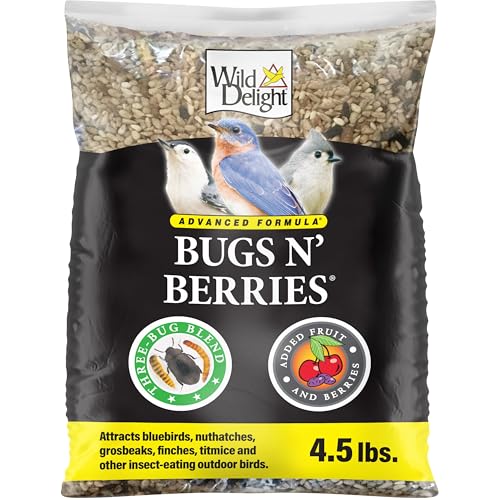
What We Like
- Three-bug blend with dried mealworms
- Includes fruit (raisins, cranberries, cherries)
- No corn or milo fillers
- Dust-free formula
Trade-offs
- Smaller 4.5 lb bag compared to larger options
- No specific bird species named on the bag
The lack of corn, millet, and milo means every piece in the bag is a real food ingredient, not cheap filler that birds just kick aside. A three-bug blend with dried mealworms plus raisins, cranberries, and cherries provides protein and natural sugars that many wild birds find appealing. For someone who wants a ready-to-use mix with both insects and fruit without having to blend separate bags, this is a convenient option.
The trade-off is bag size: at 4.5 pounds, it offers less volume than larger fruit-and-nut blends like Audubon Park’s 8-pound bag. Because it contains real dried fruit, it may be more sensitive to moisture than a purely seed-based mix, so offering it in a tray or hopper feeder that stays dry is advisable. That’s a small logistical tweak for a blend that provides a varied diet.
Hatortempt Dried Mealworms
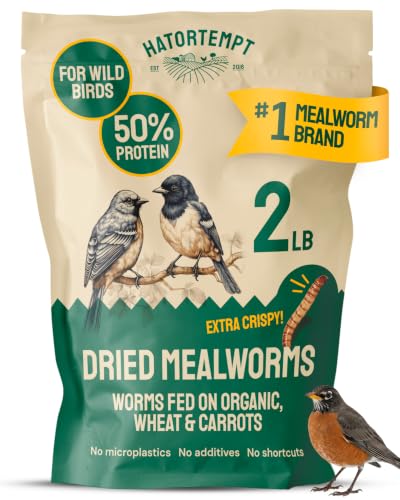
What We Like
- 50% protein supports feather and egg development
- Whole, hand-inspected worms with no dust
- Resealable bag keeps worms fresh 2 years
- Attracts robins, bluebirds, chickadees, and wrens
Trade-offs
- Only mealworms: no fruit, seeds, or variety
- 2-pound bag is smaller than some bulk options
With 50% protein and 32% fat, these dried mealworms provide concentrated nutrition that supports feather, egg, and chick development, plus energy for migrating birds. The whole, hand-inspected worms come without dust, and the resealable bag keeps them fresh for two years. This is a straightforward high-protein option for anyone who wants to offer insect protein to wild birds.
This is a single-ingredient product, pure dried mealworms, so it lacks the berries, nuts, or seeds that some bird mixes include for variety. Compared to Wild Delight Bugs N Berries, which combines mealworms with dried fruit and seeds, the Hatortempt bag offers mealworms alone with no built-in diversity. If you prefer to offer just mealworms and want a long-lasting, resealable option, this bag fits that niche well.
Product photos
Kaytee Mealworms For Wild Birds
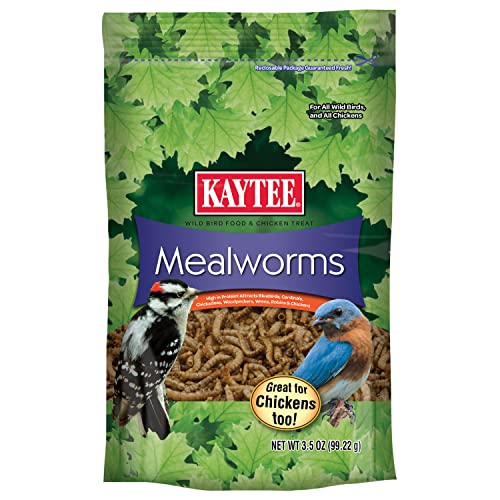
What We Like
- Oven-dried for consistent quality
- High-protein food source for wild birds
- Attracts robins, bluebirds, wrens, chickadees
Trade-offs
- Only mealworms, no other ingredients
- Not suitable for seed-only bird feeders
This 3.5-ounce bag of oven-dried mealworms weighs just 0.2 pounds, making it easy to carry or hang from a small feeder. For someone curious whether local birds will take to straight mealworms before buying a larger supply, the small size lets you test without a big commitment. The oven-dried processing helps keep the worms from spoiling quickly, so they stay usable even on warmer days. It’s a simple, no-fuss option for the feeder who wants to try something new.
The obvious downside is the quantity: 3.5 ounces won’t last long if birds visit regularly. By comparison, the Wild Delight Bugs N Berries blend offers 4.5 pounds and includes dried fruit for variety, but Kaytee’s product is pure mealworms with no extras. That simplicity is useful if you want to see whether mealworms alone draw birds to your feeder. Just be aware that a single bag will need replacing sooner than a larger bulk option.
Critter Corner Dried Mealworms
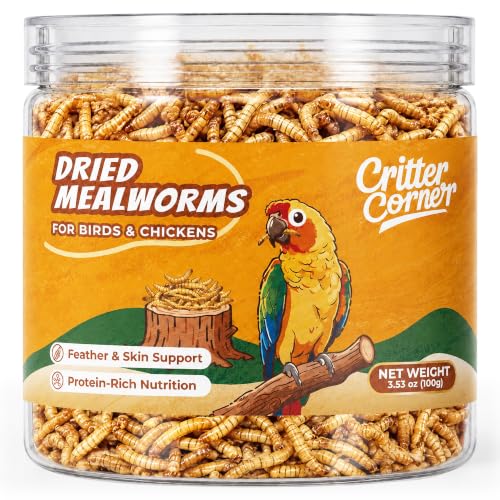
What We Like
- Single-ingredient formula with no fillers
- 45% crude protein for feather growth
- Attracts robins, bluebirds, cardinals, wrens
Trade-offs
- Small 3.53 oz package for frequent feeding
- Not suitable for birds that prefer fresh or live prey
A 45% crude protein content means this is a concentrated energy source that helps birds build strong feathers and retain body heat in cold weather. The single-ingredient formula, 100% dried mealworms with zero fillers or preservatives, provides a clean treat for insect-loving birds such as robins, bluebirds, cardinals, and wrens. This product contains no artificial additives.
The 3.53-ounce bag is a smaller quantity compared to some other options. For example, the Hatortempt Dried Mealworms comes in a two-pound bag. If you feed a large flock daily, you will need to purchase this Critter Corner bag more often. For occasional use or to see if local robins will take dried mealworms, this is a straightforward option.
Product photos
WORMSKING Dried Mealworms
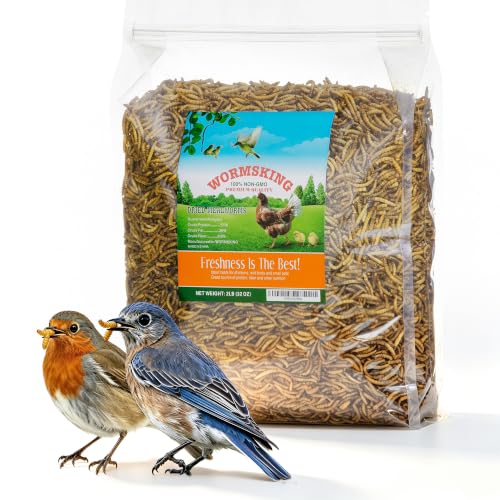
What We Like
- Non-GMO and additive-free ingredients
- Microwave dried for safety
- Resealable bag for easy storage
- High protein supports winter health
Trade-offs
- Must discard uneaten wet mealworms daily
- Requires rehydrating if birds ignore dry
- Non-returnable item
A 2-pound bag of straight dried mealworms means you are offering robins exactly what they naturally hunt: high-protein insect food with no filler seeds or fruits. The microwave drying and veterinary certification back up the non-GMO, additive-free claim, so the ingredient list is as clean as it gets. For a robin buyer who wants a simple, protein-dense option without paying for a blend of berries and nuts they do not need, this bag delivers the core item at a practical size.
Dried mealworms may need a little prep if birds do not take to them right away. The product’s tip suggests soaking them in warm water for 10-15 minutes before feeding, and any wet leftovers must be discarded at day’s end to keep the feeder clean. A blend like Wild Delight Bugs N Berries includes dried mealworms along with raisins, cranberries, and cherries, which can attract a variety of birds without extra steps. For someone focused on robins and willing to manage a simple soak-and-discard routine, this bag offers a clean protein source with no filler ingredients.
I LOVE WORMS Dried Mealworms
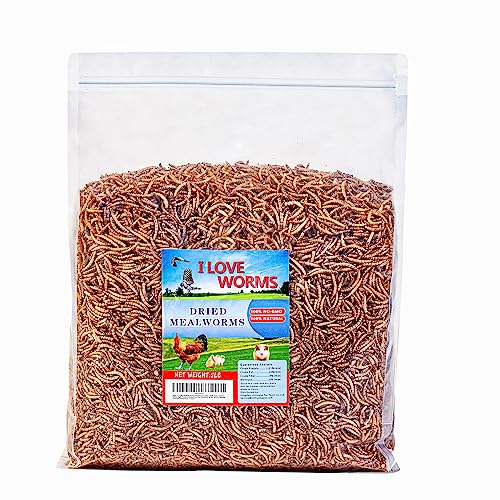
What We Like
- 5-pound bag for frequent feeders
- Non-GMO and high-protein (over 51%)
- Microwave-dried for safe storage
- Feeding method uses vegetables, no additives
Trade-offs
- Single ingredient, no berries or seeds for variety
- Not suitable for birds that prefer seed or fruit mixes
A five-pound bag of dried mealworms means you’re not restocking every week if you’ve got a hungry bird population. With over 51 percent insect protein and a Non-GMO label, this is straight protein without any additives. The microwave drying keeps the worms shelf-stable, and the resealable bag helps keep moisture out, so you can pour a handful into the feeder and seal the rest for next time.
For anyone who wants a bulk protein source for insect-eating birds, this bag delivers the concentrated nutrition those birds actually need. If your birds are used to a mix such as Wild Delight Bugs N Berries, they might ignore plain worms at first, or you’ll need to offer them alongside other foods. The downside is that this is mealworms only, no fruit, no seed, no berries.
Kaytee Seed & Mealworm Treat Cake

What We Like
- High-protein mealworm source
- Seed cake lasts longer than loose seed
- Fits seed and suet cake feeders
Trade-offs
- 6-ounce cake is small for frequent feeding
- Targets bluebirds, not specifically robins
The Kaytee Seed & Mealworm Treat Cake works well for anyone who wants a longer-lasting option than loose mixes, especially if you’re feeding a few birds at a time rather than a flock. Its blend of seed and mealworms provides a protein boost that attracts bluebirds, chickadees, and woodpeckers, and the cake format means less waste from scattered seed.
This cake is small at 0.4 pounds, so it won’t last long if you have a steady crowd of birds coming through. Compared to the Wild Delight Bugs N Berries mix, which offers a larger 4.5-pound bag with fruit and multiple bug types, the Kaytee cake is a compact option for those who want a quick, high-protein supplement. If you’re looking for a way to add mealworms to your feeder setup without dealing with loose seed, this cake delivers. Just be ready to replace it often if your birds are hungry.
Audubon Park Nut & Fruit Bird Seed
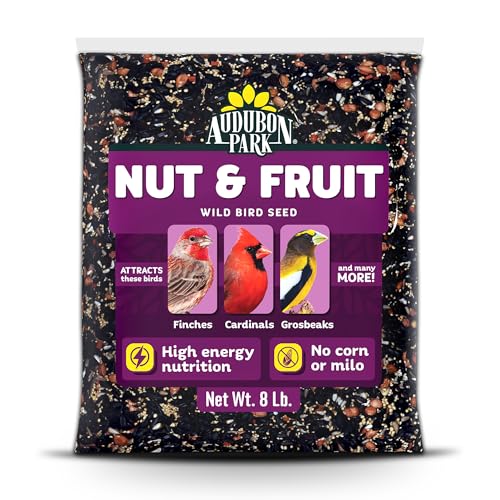
What We Like
- Over 50% sunflower seeds attract robins
- Protein-rich peanuts and safflower for energy
- Works in tube, tray, hopper, and platform feeders
Trade-offs
- No mealworms, a robin-preferred protein source
- No mealworms included for insect-eating birds
This 8-pound blend contains over 50% sunflower seeds, along with peanuts, safflower, raisins, and papaya. The dried fruit is included to attract fruit-loving birds such as orioles, mockingbirds, and robins, while the peanuts and safflower provide protein-dense energy. The mix works in tube, tray, hopper, platform, and smart feeders, so you can use it in nearly any setup without buying a second mix. It is a straightforward fruit-and-nut blend that delivers the ingredients listed on the bag.
This blend does not include mealworms, which are present in some other fruit blends such as Wild Delight Bugs N Berries. That mix includes dried mealworms alongside fruit, so if you want insect protein in the same bag, you would need to look elsewhere or add mealworms separately.
Product photos
Lyric Fruit and Nut Bird Seed Mix
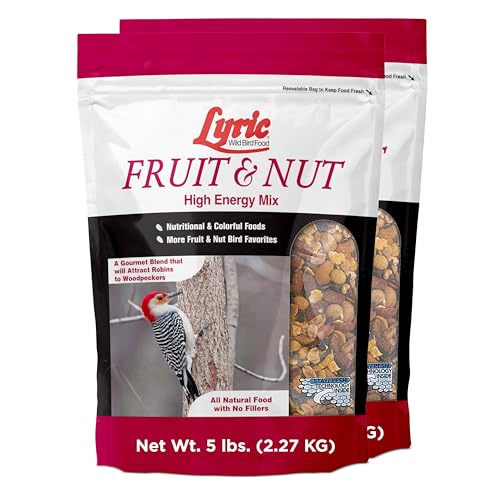
What We Like
- No filler ingredients for less waste
- Includes whole nuts and dried fruit
- Attracts multiple songbird species
- Versatile feeder compatibility
Trade-offs
- Not formulated specifically for robins
- Attracts squirrels and other rodents to feeders
The ingredient list tells you everything: shelled peanuts, almonds, pecans, cashews, pistachios, cranberries, raisins, sunflower kernels, pumpkin seeds, and corn, and not a single filler seed in sight. That matters because robins are fruit-and-insect eaters, not millet or wheat grazers, so a bag stuffed with cheap grains just gets kicked to the ground. This mix gives them the nuts and dried fruit they actually eat, plus the sunflower kernels they’ll crack open. It’s a no-waste blend for anyone who wants to watch the feeder, not sweep up what birds ignore.
This bag isn’t robin-specific, it’s built for a wider audience of woodpeckers, chickadees, cardinals, and jays. That’s fine if your yard draws a mixed crowd, but if robins are your main target, a straight dried-mealworm product like Hatortempt’s 2 lb bag gives them the high-protein insects they prefer. The Lyric mix works best as a general songbird blend that robins will visit, not as a dedicated robin feeder. Keep it in a covered tray or hopper to protect the fruit and nuts from rain, and you’ll have a busy feeder with very little cleanup.
Product photos
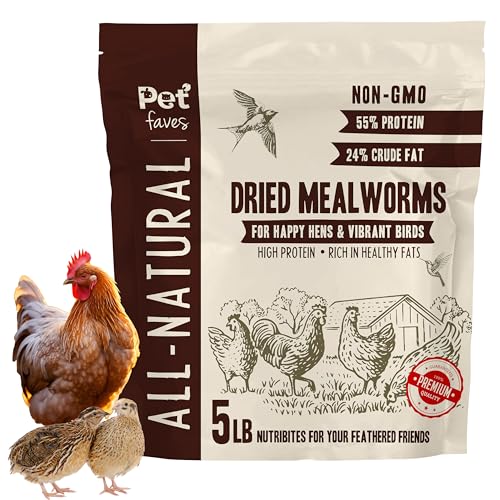
Pet Faves Dried Mealworms
What We Like
- 55% protein for healthy growth
- Non-GMO, no harmful additives
- Versatile for birds, reptiles, pets
- Resealable packaging for freshness
Trade-offs
- Single ingredient lacks variety for robins
- Requires separate feeder from seed mixes
With 55% protein, these dried mealworms provide a concentrated protein source for chickens, birds, hamsters, reptiles, and turtles. The non-GMO, single-ingredient formula offers a straightforward supplement without fillers or artificial additives, supporting healthy growth and egg production in laying hens. This 5-pound bag delivers a bulk quantity of high-protein treats at a cost-effective price.
Because it contains only dried mealworms, it won’t attract the same variety of birds as a blend that includes fruits and seeds, such as Wild Delight Bugs N Berries. You’ll need a separate feeder or tray to offer these alongside other foods. For a pure, high-protein supplement for chickens, wild birds, or other pets, this is a simple and efficient option.
Product photos
How We Evaluated Bird Seeds For Robins
We built this list by reading ingredient panels, manufacturer nutritional data, and patterns in owner reports about which foods robins actually visit. Robins have different feeding habits than finches or cardinals, so we focused on the ingredients that match a thrush’s natural diet, insects, berries, and soft fruits, rather than standard birdseed filler.
The three criteria that mattered most were protein content, fruit inclusion, and the absence of cheap fillers. Robins need protein for egg production and feather growth, and they typically ignore fillers like milo, millet, or cracked corn. We also considered feeder compatibility and bag size for different feeding styles.
A research-based evaluation has limits: we cannot predict how individual robins will respond to a particular bag in your yard. Local bird populations vary, and seasonal changes affect what robins want. What we can do is show you the ingredient patterns that experienced birders use to make informed choices.
What To Look For In Bird Seeds For Robins
Robins eat differently than most feeder birds. The right food starts with knowing what they actually want.
Look for dried mealworms as the first ingredient, whole dried fruit (cranberries, raisins, cherries), and no milo or millet fillers. Avoid blends where corn or wheat are listed before protein sources.
Insect Protein Content
Robins are primarily insect-eaters during spring and summer. A seed for songbirds that works for finches will not work for robins unless it includes real insect protein. Dried mealworms should be the first or second ingredient. Protein percentages above a certain level support feather development during molting and egg production during nesting season. Straight mealworm products like the Hatortempt and Critter Corner options deliver high protein with no dilution.
Fruit Inclusion
Robins switch to soft fruits when insects are scarce in fall and winter. Look for dried cranberries, cherries, raisins, or blueberries in the ingredient list. The best bird seed blends for robins combine fruit with insect protein in one bag. Fruit also adds natural sugars that give robins quick energy during migration. Blends like Wild Delight Bugs N Berries include both raisins and cranberries alongside mealworms.
Absence of Fillers
Standard wild bird seed often contains milo, millet, cracked corn, and wheat, ingredients robins rarely eat. These fillers either get kicked out of the feeder or rot on the ground, attracting rodents. A robin-friendly bag lists mealworms, sunflower hearts, peanuts, or fruit as the first three ingredients. The Lyric Fruit and Nut mix and Audubon Park blend both avoid cheap fillers. If you see milo or red millet near the top of the list, that bag is not for robins.
- Check the ingredient list: mealworms or fruit should appear before corn or millet.
- Look for dust-free or no-mess labels to reduce waste under the feeder.
- Choose resealable bags for mealworms to keep them fresh between feedings.
- Consider a separate feeder for mealworms to keep them from getting wet in seed tubes.
- Match bag size to your flock: small bags work for occasional visitors; 5-pound bags suit daily feeders.
A general rule: if the bag looks like standard mixed birdseed, robins will probably ignore it. Look for bags that look like insect treats with fruit.
Bird Seeds For Robins Compared
The table below compares all ten picks side by side, including protein type, fruit content, and best use case so you can see the differences at a glance.
| Product | Weight | Key Ingredients | Form |
|---|---|---|---|
| Wild Delight Bugs N Berries Bird Seed | 4.5 pounds | Dried mealworms, raisins, cranberries, cherries | Seed |
| Hatortempt Dried Mealworms | 2.0 pounds | N/A | Dried mealworms |
| Kaytee Mealworms For Wild Birds | 0.2 pounds | Oven-dried mealworms | Dried mealworms |
| Critter Corner Dried Mealworms | 3.53 oz | 100% dried mealworms | Dried mealworms |
| WORMSKING Dried Mealworms | 2.0 pounds | Non-GMO, additive-free | Dried mealworms |
| I LOVE WORMS Dried Mealworms | 5.0 pounds | Non-GMO | Dried mealworms |
| Kaytee Seed & Mealworm Treat Cake | 0.4 pounds | Seed & mealworm | Seed cake |
| Audubon Park Nut & Fruit Bird Seed | 8.0 pounds | Sunflower, peanuts, safflower, dried fruit | Seed |
| Lyric Fruit and Nut Bird Seed Mix | 10 lb (2 x 5 lb bags) | Shelled peanuts, almonds, pecans, cashews, pistachios, cranberries, raisins, sunflower kernels, pumpkin seeds, corn | Seed |
| Pet Faves Dried Mealworms | 5 lb | Dried mealworms | Dried mealworms |
Frequently Asked Questions
What kind of bird seed do robins like best?
Robins prefer insect protein and soft fruit over standard seed mixes. Dried mealworms, raisins, cranberries, and sunflower hearts are the ingredients most likely to attract them. Blends that combine mealworms with dried fruit, like the Wild Delight Bugs N Berries, work well because they match what robins naturally forage for in lawns and gardens.
Do robins eat from bird feeders?
Yes, but they prefer platform feeders, tray feeders, or ground-feeding areas rather than tube feeders. Robins have soft bills and do not cling to vertical surfaces well. A low, open tray or a shallow dish placed near shrubs gives them a comfortable feeding spot. Mealworms can also be offered in a specialized mealworm feeder with drainage holes.
Are dried mealworms better than live mealworms for robins?
Dried mealworms are more convenient, have a longer shelf life, and carry no risk of escaping into your home. Many robins accept dried mealworms readily, especially if you rehydrate them in warm water for a few minutes. Live mealworms can be more enticing to picky birds but require refrigeration and daily care.
Can I feed robins fruit from my kitchen?
Yes. Robins eat chopped apples, raisins, blueberries, and grapes placed on a platform feeder or the ground. Avoid fruit with added sugar, preservatives, or salt. Fresh fruit spoils quickly in warm weather, so offer only what birds will eat in a day. Dried fruit from a bird seed blend lasts longer and is less messy.
What should I avoid putting in a robin feeder?
Avoid milo, millet, cracked corn, wheat, and rice, robins rarely eat these. Also skip bread, crackers, and kitchen scraps that lack nutritional value. Suet blends with heavy seed content may be ignored if they do not contain insect protein or fruit. Stick to mealworms, fruit, and sunflower hearts for the best results.
The Bottom Line
The Wild Delight Bugs N Berries Bird Seed is the best overall choice for robin enthusiasts who want a single bag with both insect protein and dried fruit and no filler grains to waste. It covers the two main food groups robins need across the seasons in a dust-free formula that keeps the feeding area clean.
If you already have a seed blend and just need a protein boost, the Hatortempt Dried Mealworms delivers 50 percent protein in a resealable bag that stays fresh for two years. For a fruit-and-nut option without mealworms, the Audubon Park Nut & Fruit Bird Seed works well in multiple feeder types and attracts a variety of songbirds.
The most important factor is ingredient order. Read the bag before you buy: if mealworms or fruit are not in the top three ingredients, robins will likely pass. Pick the food that matches what they are actually eating in your yard right now.
