
9 Best Bird Seed For Songbirds in 2026
This post contains affiliate links. As an Amazon Associate, we earn from qualifying purchases.
The Pennington Songbird Nut & Fruit Blend is the best overall bird seed for songbirds because it attracts a wide variety of species with real fruit, nuts, and seeds fortified with vitamins. For backyard birders who want the most diverse visitor list, the Kaytee Ultimate Birder’s Blend is our best for variety pick. The Wild Delight Advanced Formula Finch Food is the top choice for finch lovers.
Choosing the right seed mix means balancing the birds you want to see with the feeder you already own and the mess you are willing to clean up. A blend heavy in sunflower hearts and safflower will bring cardinals and chickadees without sprouting weeds, while a mix with millet and cracked corn will draw ground-feeding species but may leave hulls behind.
This guide is based on a close look at manufacturer specifications, ingredient lists, and patterns in owner feedback across nine top blends. We compared seed composition, feeder compatibility, and nutritional value to help you match a mix to your specific backyard goals.
Top 9 Bird Seeds For Songbirds in the Market
Certain content that appears on this site comes from Amazon. This content is provided "as is" and is subject to change or removal at any time.
The Best Bird Seeds For Songbirds, Reviewed
Pennington Songbird Nut & Fruit Blend
What We Like
- Attracts a wide variety of songbirds
- Real fruit, nuts, and seeds for high energy
- Bird-Kote adds vitamins and nutrients
- Works with multiple feeder types
Trade-offs
- Lacks nyjer seed for specialized finch diets
- Attracts fewer finch species without nyjer seed
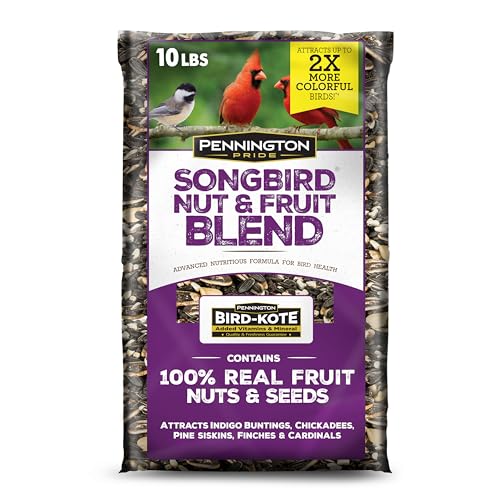
This 10-pound bag of Pennington Songbird Nut & Fruit Blend uses real fruit, nuts, and seeds to create a high-energy mix that attracts indigo buntings, chickadees, pine siskins, finches, and cardinals. That’s a solid lineup for anyone wanting to see more color and activity at their feeders. The Bird-Kote technology adds vitamins and nutrients, so the birds get more than just filler calories. If you’re looking for a versatile blend that works in hopper, gazebo, or tray feeders, this one covers the bases without a lot of fuss.
The trade-off is that this isn’t a no-mess seed: the shells and hulls will drop under the feeder, so you’ll need to clean up now and then. For most songbird enthusiasts, this blend’s ingredient list and bird appeal make it a straightforward pick.
Kaytee Ultimate Birder's Blend

What We Like
- Attracts cardinals, woodpeckers, blue jays, finches
- Contains safflower, peanuts, striped sunflower, millet
- Formulated by bird enthusiasts
Trade-offs
- Not designed for finicky eaters like finches preferring nyjer
- Heavy 10-pound bag challenges small feeders
A 10-pound bag of mixed seed built around safflower, peanuts, striped sunflower, and millet means you’re covering the bases for cardinals, woodpeckers, blue jays, and finches without having to blend your own. That’s the whole point of a variety blend: one trip to the feeder station feeds a half-dozen species. If you want a single bag that pulls in the usual colorful suspects and lets you watch which birds show up first, this is the straightforward option.
The Kaytee Ultimate Birder’s Blend is formulated to attract colorful songbirds like Cardinals, Woodpeckers, Blue Jays, and Finches. It’s a reliable choice for backyard birders who want a straightforward mix of safflower, peanuts, striped sunflower, and millet. Compared to the Pennington Songbird Nut & Fruit Blend, which also comes in a 10-pound bag, this Kaytee blend focuses on classic seeds and nuts for a broad, traditional draw. It’s a practical middle-ground option if you’re not trying to cater to finicky eaters but still want variety without overthinking the recipe.
Wild Delight Advanced Formula Finch Food

What We Like
- No filler ingredients
- High calorie and fat for winter energy
- Blend of Nyjer seed and sunflower chips
Trade-offs
- 5-pound bag is smaller than some alternatives
- Targets finches and titmice, not all songbirds
A blend of Nyjer seed and sunflower chips with no fillers means every bite delivers calories and fat that help finches and titmice store energy through colder months. The 5-pound size keeps it manageable for a tube feeder but will run out faster if you have a busy flock.
This mix is built specifically for finch-type birds, not for a general songbird audience. If your feeder draws cardinals or jays, you may need a separate blend for them. For finch enthusiasts who want a clean, high-energy seed with no waste, this is a straightforward pick.
Product photos
Audubon Park Cardinal Blend

What We Like
- 100% sunflower and safflower seed
- No fillers
- Safflower disliked by squirrels
- Attracts cardinals, titmice, chickadees
Trade-offs
- 4-pound bag is smaller than many blends
- No fruit or nut variety for picky eaters
A 100% sunflower and safflower blend means every seed in this bag is edible, with no milo, wheat, or other cheap fillers that birds often toss aside. That ingredient list is exactly what cardinals, titmice, and chickadees need for steady energy. If you’re targeting a cardinal-heavy feeder audience, this mix gives them the black oil sunflower and safflower they prefer, while the safflower is disliked by squirrels. It’s a focused seed blend for anyone who wants to attract cardinals and other listed songbirds.
The 4-pound bag is lighter than the 10-pound options from Pennington or Kaytee, so it’s easier to carry and store. It fits a single hopper or tube feeder without taking up much space. The mix contains only sunflower and safflower seed, no fillers, which means every seed is edible and high in energy. That simplicity appeals to anyone who wants to attract cardinals, titmice, chickadees, finches, and grosbeaks without attracting squirrels.
Kaytee Nut & Fruit Blend

What We Like
- Attracts a variety of colorful songbirds
- High in energy and nutrition
- Includes real fruit and nuts
- Trusted brand for over 150 years
Trade-offs
- Not suitable for large feeders or multiple stations.
- Lacks the advanced nutrition formula of some blends.
A 5-pound bag of Kaytee Nut & Fruit Blend packs sunflower seeds, peanuts, mixed nuts, raisins, and cherries into a mix designed to draw in cardinals, chickadees, nuthatches, grosbeaks, juncos, and woodpeckers. The high energy and nutrition content means birds visit more often and stay longer, making this a practical choice for anyone who wants a lively feeder station without rotating multiple blends. For a backyard birder focused on variety, this single bag covers a lot of ground.
The 5-pound bag is compact and easy to store, but if you have a busy feeder or multiple stations, you may need to refill more often than with larger bags. Compared to Pennington’s Songbird Nut & Fruit Blend, which comes in a 10-pound bag, Kaytee’s smaller size is lighter and takes up less shelf space. For a backyard birder focused on variety, this single bag covers a lot of ground.
Audubon Park Songbird Seed
What We Like
- Attracts cardinals, chickadees, finches, and more
- Includes protein-rich peanuts for energy
- Balanced nutrition for year-round feeding
- Works in multiple feeder types
Trade-offs
- Contains cracked corn, which some birds ignore
- Not ideal for finches preferring thistle or nyjer seeds
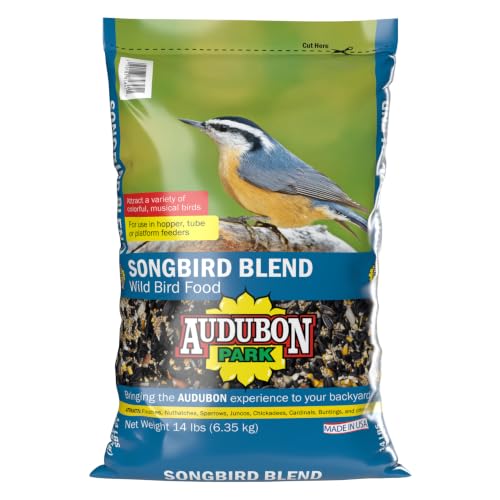
A 14-pound bag of mixed seeds and nuts means you’re getting a substantial supply that can carry your feeders through several weeks without constant refills. The blend is built around millet, black oil sunflower seed, cracked corn, safflower, and peanuts, ingredients that together appeal to a wide range of songbirds like cardinals, chickadees, titmice, and finches. That variety is the reason this works as a year-round option: different birds have different preferences across seasons, and the mix covers enough bases to keep the feeder busy whether it’s winter or summer. If you want one bag that does the job for most of your backyard visitors without having to switch blends, this is the straightforward choice.
Cracked corn is in the mix, and not every songbird is a fan, some will pick around it, leaving a bit of waste at the bottom of the feeder. Compared to Pennington’s Songbird Nut & Fruit Blend, which adds real fruit to the lineup, this Audubon Park formula sticks to a more classic seed-and-nut profile. That makes it a better fit if you’re after a proven, no-fuss blend rather than something with extra novelty ingredients. The 14-pound bag is heavier than Pennington’s 10-pound option, so if you have trouble lifting or storing larger bags, that’s worth noting before you buy.
Product photos
Wagner's Nyjer Seed

What We Like
- 150,000 seeds per pound for frequent visits
- Extra clean with high energy content
- Ideal for finch feeders with small holes
Trade-offs
- Single seed type limits variety for other songbirds
- Not suitable for standard tube feeders
At 150,000 seeds per pound, this bag packs an extraordinary number of feeding opportunities into a 10-pound package. That seed density means your finch feeder will see constant traffic, especially from Goldfinches who treat Nyjer like a main course. The extra-clean processing keeps hull debris low, which matters when you’re using those finch feeders with tiny perches and small holes, less clogging, less mess. If your goal is to maximize visits from the birds that love tiny seeds, this is the straightforward, high-efficiency option.
This is a single-ingredient seed, not a blend. While finches and some sparrows will flock to it, you won’t get the variety of cardinals, chickadees, or jays that a mix like Pennington Songbird Nut & Fruit Blend might attract. That’s not a flaw in the product, it’s a design choice for a specific audience. If you’re targeting finches and want the highest possible seed count per pound, this bag delivers exactly what it promises without filler.
Product photos
Happy Wings Thistle Seed
What We Like
- No-grow formula prevents sprouting
- High protein and fat content
- Attracts finches and other songbirds
- Resealable bag keeps seed fresh
Trade-offs
- Single grain limits bird variety
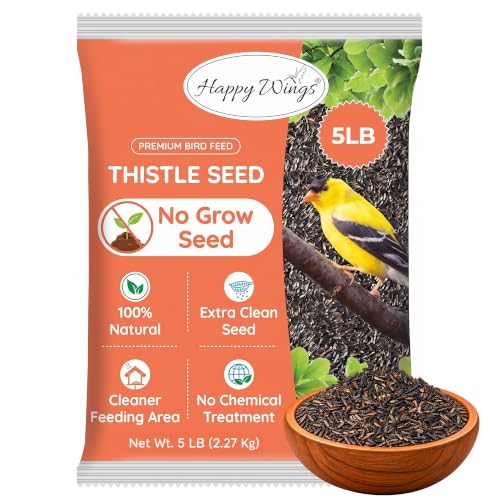
A no-grow formula means you can fill a tube feeder without worrying about thistle seedlings popping up under it, which keeps your patio or lawn clean. This straight Nyjer seed is packed with the protein and fat that finches, goldfinches, and other wild birds need for energy and feather health. If you want a targeted option for finches and small birds, this single-grain seed delivers exactly what they need with no sprouting.
A single-grain seed won’t attract the broader mix of birds a blend like Pennington Songbird Nut & Fruit Blend will. And at 5 pounds, the bag is smaller than some 10-pound options, but for finch lovers who prioritize a clean feeding area and a simple, high-energy food source, this resealable bag hits the mark.
Product photos
Cool Birds No Mess Wild Bird Seed
What We Like
- No shells means zero mess under feeders
- Shell-free blend eliminates hulls and weeds
- Attracts cardinals, chickadees, finches, woodpeckers
- Works with tray, tube, hopper, platform feeders
Trade-offs
- Not suitable for birds that eat millet or cracked corn
- Not ideal for birds that prefer cracked corn or millet
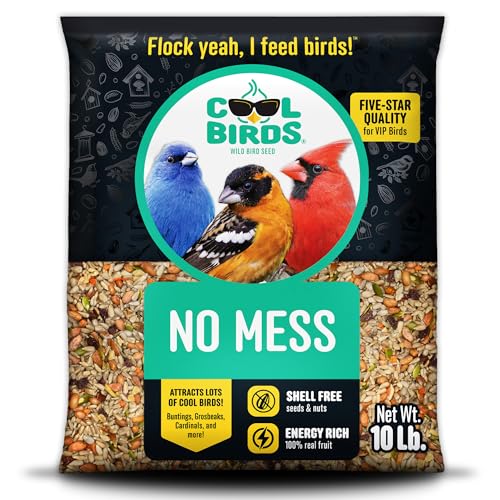
A 100% shell-free blend of sunflower hearts, peanuts, tree nuts, pumpkin seeds, raisins, and papaya means every gram you pour goes into the birds, not onto your patio. No hulls to rake, no weeds sprouting under the feeder, and no wasted filler. That makes it a tidy choice for deck or tray feeders where appearance matters, especially if you’re feeding cardinals, chickadees, grosbeaks, finches, or woodpeckers. The ingredient list is straightforward: high-energy nuts and fruit, no corn, milo, or millet. For someone who wants a clean feeding area without sacrificing nutrition, this blend delivers exactly what it promises.
The same ingredient focus that keeps things neat also limits the bird variety you’ll attract. Species that rely on millet or cracked corn, some sparrows, doves, or juncos, won’t find much here. Compared to the Pennington Songbird Nut & Fruit Blend, which includes some shelled seeds and a broader ingredient base, this Cool Birds mix is more specialized. If your goal is a tidy feeder that draws the core songbird crowd without the mess, it’s a solid fit. If you want to cover every beak in the yard, you might supplement with a separate millet or corn blend.
Product photos
How We Evaluated Bird Seeds For Songbirds
To find the best bird seed for songbirds, we started with the ingredient list, the only reliable source of truth on a bag. We read the guaranteed analysis for protein and fat content, noted the proportion of filler seeds like milo and red millet, and checked for added vitamins or probiotics. Manufacturer data on seed origin and processing methods helped us separate premium blends from budget mixes padded with cheap grains.
Our evaluation focused on four criteria that matter most to backyard birders: seed variety (does the blend attract multiple songbird species or just one type?), feeder compatibility (will it work in a standard tube feeder, a hopper, or a tray?), mess level (does the blend contain hulls or is it shell-free?), and nutritional value (are there high-energy ingredients like peanuts, sunflower chips, or nyjer seed?). We cross-referenced these specs with patterns in owner feedback to see which blends perform well in real yards.
A research-led evaluation has limits, we did not set up test feeders or count bird visits ourselves. Instead, we relied on what manufacturers disclose and what consistent owner reports reveal about a blend’s performance over time. This approach gives you a clear starting point, but your local bird population and feeder placement will always be the final test.
What To Look For In Bird Seeds For Songbirds
The best bird food for songbirds balances seed variety, nutritional density, and feeder practicality. Start with the birds you want to attract, then pick a blend that matches your feeder type and your tolerance for mess.
Choose a blend built around black oil sunflower seeds, sunflower chips, or nyjer seed for the highest energy and widest appeal. Avoid mixes with red milo or heavy cracked corn if you want less waste and fewer weeds under your feeder.
Seed Composition and Bird Appeal
Black oil sunflower seeds are the single most versatile ingredient for attracting cardinals, chickadees, finches, nuthatches, and grosbeaks. A blend that leads with sunflower hearts or chips will appeal to the widest range of songbirds with the least waste. White millet draws ground-feeding species like doves and juncos, while nyjer seed is essential for goldfinches and pine siskins. Safflower seed is a smart addition because cardinals and chickadees love it, but squirrels and grackles tend to leave it alone.
Feeder Compatibility and Mess Level
Standard tube feeders work best with small seeds like nyjer and sunflower chips, while hopper and platform feeders can handle larger mixes with whole peanuts and striped sunflower. If you feed on a deck or patio, a no-mess blend with hulled seeds eliminates sprouting and keeps the area clean. For high-traffic feeding stations, a blend with 150,000 seeds per pound, like Wagner’s Nyjer Seed, keeps finches returning all day. Always check the seed size against your feeder’s ports, whole sunflower seeds will jam a finch feeder with small holes.
Nutritional Value and Additives
Songbirds need high fat and protein during migration and winter months. Look for blends with real nuts, fruit, or added vitamins, the Bird-Kote coating in the Pennington blend is one example of a nutritional boost. Avoid mixes with heavy filler grains like milo, wheat, or oats, which many songbirds ignore and simply kick out of the feeder. A resealable bag also matters: seed stays fresher longer when moisture and pests are kept out.
- Check the guaranteed analysis on the bag, aim for at least 10% protein and 5% fat for a balanced year-round blend.
- Look for “no-grow” or heat-treated nyjer seed if you want to prevent sprouting under the feeder.
- Choose a blend without red millet if you are targeting cardinals and finches rather than sparrows and doves.
A blend with mostly black oil sunflower or sunflower chips will almost always outperform a cheap mix full of filler grains.
Bird Seeds For Songbirds Compared
The table below compares the nine blends across seed type, feeder compatibility, and best-use scenario so you can see at a glance which bag fits your feeder and your birds.
| Product | Weight | Key Ingredients | Target Birds |
|---|---|---|---|
| Pennington Songbird Nut & Fruit Blend | 10 pounds | Real fruit, nuts, seeds | N/A |
| Kaytee Ultimate Birder's Blend | 10 pounds | Safflower, Peanuts, Striped Sunflower, Millet | Cardinals, Woodpeckers, Blue Jays, Finches |
| Wild Delight Advanced Formula Finch Food | 5.0 pounds | Nyjer seed, sunflower chips | Finches, titmice |
| Audubon Park Cardinal Blend | 4.0 pounds | Sunflower & safflower | N/A |
| Kaytee Nut & Fruit Blend | 5.0 pounds | sunflower seeds, peanuts, mixed feed nuts, raisins, cherries | Cardinals, Chickadees, Nuthatches, Grosbeaks, Juncos, Woodpeckers |
| Audubon Park Songbird Seed | 14.0 pounds | Millet, sunflower, corn, safflower, peanuts | N/A |
| Wagner's Nyjer Seed | 10.0 pounds | Nyjer Seed | N/A |
| Happy Wings Thistle Seed | 5.0 pounds | Nyjer (Thistle) | N/A |
| Cool Birds No Mess Wild Bird Seed | 10 pounds | Sunflower hearts, peanuts, tree nuts, pumpkin seeds, raisins, papaya | Cardinals, chickadees, grosbeaks, finches, woodpeckers |
Frequently Asked Questions
What is the best bird seed for attracting cardinals?
A blend high in sunflower and safflower seed is the most reliable way to attract cardinals. The Audubon Park Cardinal Blend uses 100% sunflower and safflower with no fillers, which cardinals prefer and squirrels tend to avoid. Black oil sunflower seeds are another strong option for drawing cardinals to a hopper or tray feeder.
What bird seed do finches like best?
Finches strongly prefer nyjer seed and sunflower chips. The Wild Delight Advanced Formula Finch Food combines both for high energy and no filler ingredients. Wagner’s Nyjer Seed is a straight nyjer option with 150,000 seeds per pound, ideal for finch feeders with small ports that keep larger birds away.
Is there a bird seed that won’t sprout under the feeder?
Yes, heat-treated nyjer seed and shell-free blends will not sprout. The Happy Wings Thistle Seed uses a no-grow formula that prevents germination, while the Cool Birds No Mess Wild Bird Seed contains only hulled seeds with no shells or whole grains to take root.
What is the difference between black oil sunflower and striped sunflower seed?
Black oil sunflower seeds have a thinner shell and higher oil content than striped sunflower seeds, making them easier for small birds to crack open and more energy-dense. Striped sunflower seeds have a thicker shell that larger birds like jays and grosbeaks handle easily, but smaller finches and chickadees may struggle with them.
How do I keep squirrels from eating my bird seed?
Safflower seed is the most effective seed-based deterrent because squirrels dislike its bitter taste, but cardinals, chickadees, and finches eat it readily. The Audubon Park Cardinal Blend uses safflower as a primary ingredient for this reason. For extra protection, pair a safflower-heavy blend with a squirrel-proof feeder.
The Bottom Line
The Pennington Songbird Nut & Fruit Blend is the best overall choice for birders who want a nutritious, high-energy mix that works across multiple feeder types and attracts the widest variety of songbirds. Its real fruit, nuts, and vitamin coating give it an edge over basic sunflower blends for year-round feeding.
If your goal is to draw a specific bird type, the Wild Delight Advanced Formula Finch Food is the best pick for finch lovers. The Audubon Park Cardinal Blend delivers a filler-free, squirrel-resistant option for cardinal fans. For deck or patio feeding where mess matters, the Cool Birds No Mess Wild Bird Seed eliminates hulls and weeds entirely.
The single most important factor in choosing a bird seed is matching the blend to the birds already in your area. A mix that works beautifully for a backyard in the Northeast may not perform the same way in the Southwest. Start with a blend built around sunflower or nyjer and adjust based on what shows up at your feeder.
