
9 Best Bird Food For Blue Jays in 2026
This post contains affiliate links. As an Amazon Associate, we earn from qualifying purchases.
The best bird food for blue jays is Kaytee Whole Peanuts in Shell, a high-fat, high-protein single-ingredient food that blue jays and woodpeckers love. For a budget-friendly bulk option, the Lyric Wild Bird Mix offers a 40-pound bag with no fillers. If you want a completely shell-free experience, the Kaytee Ultra No Mess Nut & Fruit blend eliminates yard litter.
Blue jays are smart, assertive birds with a strong preference for nuts and large seeds. They need a feeder setup that accommodates their size and their habit of caching food for later. The right food means you’ll see them regularly, not just passing through.
This guide is based on manufacturer specifications, expert round-ups on bird feeding, and patterns in owner feedback. We focused on ingredient quality, fat and protein content, feeder compatibility, and overall value to help you choose the right food for your blue jay visitors.
Top 9 Bird Foods For Blue Jays in the Market
Certain content that appears on this site comes from Amazon. This content is provided "as is" and is subject to change or removal at any time.
The Best Bird Foods For Blue Jays, Reviewed
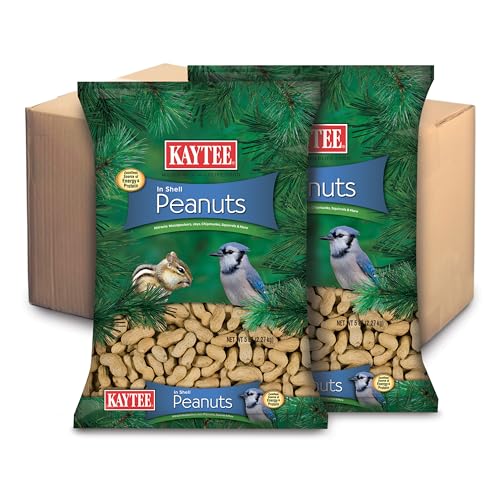
Kaytee Whole Peanuts in Shell
What We Like
- High fat and protein content
- Attracts blue jays and woodpeckers
- Two 5-pound bags included
Trade-offs
- Requires platform feeder for best use
- Not suitable for finches or smaller songbirds
The shells add a natural foraging challenge, and the two-bag format means you can refill without running to the store as often. If you want a straightforward, no-filler option that prioritizes fat and protein over cheap seeds, this is the bag to grab.
Compared to the Lyric Wild Bird Mix, which includes corn and other seeds, Kaytee sticks to whole peanuts, so you get a single-ingredient food. Pair it with a platform feeder and you have a simple, effective setup for drawing blue jays all season.
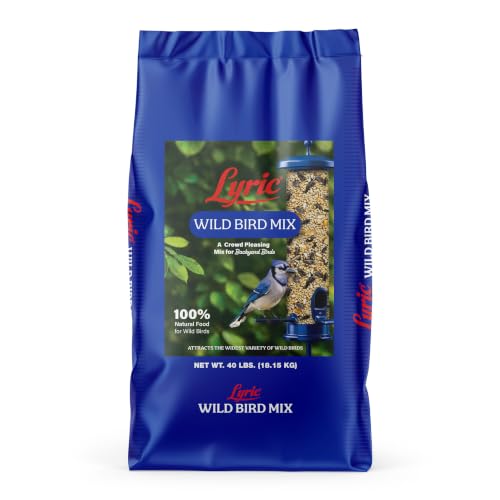
Lyric Wild Bird Mix
What We Like
- 40 lb bag for frequent refills
- All-natural with no fillers
- Over 20% sunflower seeds
- Attracts multiple bird species
Trade-offs
- Heavy 40 lb bag needs sturdy storage
A 40-pound bag means you’re not restocking every few days, which is a real advantage for anyone feeding a busy backyard flock. The all-natural blend includes corn, nuts, and over 20% sunflower seeds. Birds like cardinals, doves, finches, jays, juncos, and sparrows get a high-fat, high-protein snack without filler seeds that just get kicked to the ground. It works in tube, hopper, tray, or window feeders, so you can use whatever setup you already have. If you’re feeding a variety of wild birds, this bag covers the bases with a single purchase.
The trade-off is that a 40-pound bag is heavy and takes up real storage space, especially if you don’t have a garage or shed. But if you’re okay with a bit of squirrel company and have room to stash the bag, the Lyric mix delivers solid variety and volume. Just make sure your feeder can handle the weight of the seed load without sagging.
Kaytee Ultra No Mess Nut & Fruit

What We Like
- Completely shell-free blend
- Attracts fruit and nut loving birds
- 100% edible with zero waste
- Easy for birds to eat quickly
Trade-offs
- 5.5-pound bag is smaller than bulk blends
- No whole peanuts for larger jays to cache
A shell-free blend means every kernel in this 5.5-pound bag is edible, no hulls, no mess, no wasted seed littering your patio or flowerbed. That’s the core idea behind the Kaytee Ultra No Mess Nut & Fruit, and it delivers exactly that: hulled sunflower seeds that birds can eat without cracking or tossing aside. For anyone who wants to feed blue jays without the cleanup, this is the straightforward solution. It’s also a fast, low-effort meal for smaller songbirds like juncos and finches, so your feeder stays busy without turning into a shell pile.
Portion size is the key difference: at 5.5 pounds, this bag is smaller than some bulk blends like the 40-pound Lyric Wild Bird Mix. You’re getting a shell-free blend that leaves no mess under the feeder. Compared to the Kaytee Whole Peanuts in Shell, which gives jays something to cache and crack, this blend is a tidy, targeted option for the birdwatcher who values a clean feeding station over volume.
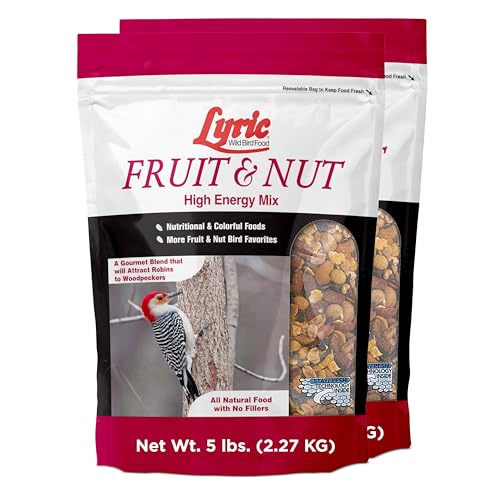
Lyric Fruit and Nut Seed Mix
What We Like
- No filler ingredients for less waste
- Includes shelled nuts and dried fruit
- Attracts multiple songbird species
- Versatile feeder compatibility
Trade-offs
- Not suitable for ground-feeding only setups
A blend of shelled peanuts, almonds, pecans, cashews, pistachios, dried cranberries, raisins, sunflower kernels, pumpkin seeds, and corn means this mix delivers variety without cheap fillers. For blue jays, that translates to a high-value snack they’ll actually eat rather than kick onto the ground. It’s a good fit if you want to offer more than straight peanuts and don’t mind a bit of fruit in the feeder.
The ingredient list is straightforward and the no-filler promise keeps waste low, so you get a premium blend with visible nuts and fruit. If you prefer fewer trips to the storage bin, a single larger bag might be more convenient, but the quality of this mix is hard to beat.
Armstrong Royal Jubilee Jays Blend

What We Like
- CO2 flushed airtight bag preserves freshness
- Attracts four jay species
- Blend designed with Blue Jays in mind
Trade-offs
- 4-pound bag is small for frequent feeders
At 4 pounds, it’s a sample compared to the 40-pound Lyric Wild Bird Mix, so you’ll be refilling more often if you have a busy feeder. The blend is best used in a tray or platform feeder, which is fine if you already have one, but an extra consideration if you don’t.
Product photos
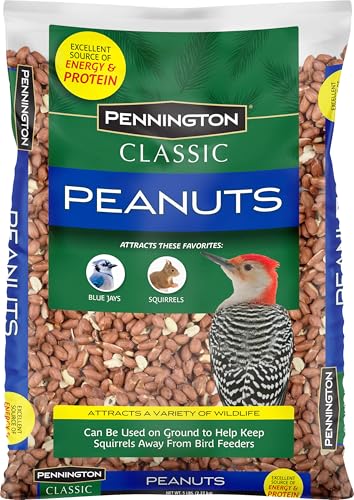
Pennington Classic Shelled Peanuts
What We Like
- 100% shelled peanut pieces
- Excellent source of energy and protein
- Attracts blue jays and woodpeckers
- Can be used on the ground
Trade-offs
- Ground feeding can attract squirrels directly
- Not suitable for finches or small songbirds
A five-pound bag of 100% shelled peanut pieces delivers pure protein with zero waste, so birds get instant energy without having to crack open shells. Reviewers note that this attracts a wide variety of wildlife including woodpeckers, blue jays, and squirrels. Because there are no hulls or filler seeds, the yard stays cleaner than with many mixed blends.
Shelled peanuts are more exposed to moisture and can go rancid faster than whole peanuts in shell, especially in humid weather or if left on the ground. Compared to the Kaytee Whole Peanuts in Shell, which come in a two-bag set totaling ten pounds, this bag is half the weight. The nuts lack the protective shell that slows spoilage. For blue jays that will clean up a feeding area quickly, the convenience of no shells may still win out. If you prefer longer storage or want to slow down greedy squirrels, the Kaytee whole peanuts are worth a look.
Product photos
Wagner's Gourmet Waste Free Wild Bird Food

What We Like
- Waste-free blend leaves no hulls
- Attracts both small and large songbirds
- Year-round feeding suitability
Trade-offs
- 5-pound bag is smaller than many competitors
- Not a peanut-only option for jays
A waste-free blend means birds eat the food instead of leaving behind inedible hulls, so you spend less time cleaning under the feeder. Wagner’s Gourmet Waste Free Wild Bird Food combines five nutritious foods chosen to provide the proteins and fats birds need, with nothing left behind. The mix attracts both small-beak chickadees and larger cardinals, along with blue jays, so a single feeder can draw a variety of species. If you want a clean feeding station and a blend that appeals to jays without the mess, this is a smart pick.
Bag size is the main consideration here: at 5 pounds, you’ll refill more often than with a 40-pound bag like Lyric Wild Bird Mix. That’s fine if you have a single feeder or want to test a new blend without committing to a bulk purchase. For heavy feeding through a busy winter, you’ll be buying more frequently. Compared to the Kaytee Ultra No Mess Nut & Fruit blend, which is also 5.5 pounds, Wagner’s offers a simpler ingredient list focused on whole foods rather than fruit pieces, so jays get the nuts and seeds they naturally seek.
Product photos
Wagner's Greatest Variety Blend Wild Bird Food

What We Like
- 11 ingredients for variety
- Works in tube, hopper, platform feeders
- Made in the USA
Trade-offs
- 16-pound bag is heavy for some feeders
- Not a waste-free blend; shells remain
With 11 different ingredients including 40% sunflower, this blend is designed to attract a wide variety of colorful songbirds. It works in tube, hopper, or platform feeders, so you can use it with most existing setups. For someone who values ingredient diversity and wants a single bag that covers the basics for multiple species, this is a straightforward option.
The 16-pound bag is heavier than some competitors, such as the Armstrong Royal Jubilee Jays Blend at 4 pounds, which may be easier to handle if you have a small feeder or limited storage. Also, this blend is not labeled as waste-free, so you may get hulls and shells under the feeder. If you prioritize ingredient variety and don’t mind the extra weight or potential debris, this blend delivers.
Product photos
Bangerz Sunz Black Oil Sunflower Seeds
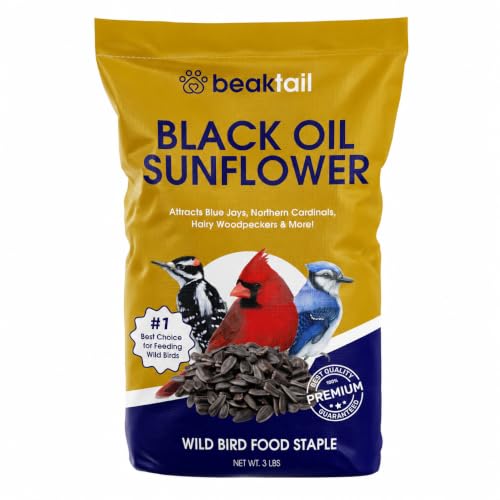
What We Like
- 100% pure black oil sunflower seeds
- High energy and nutrient-rich
- Thin shell for easy eating
- Attracts a wide variety of birds
Trade-offs
- 1-pound bag is small for frequent feeders
- Only one seed type limits dietary variety
A 35.3-pound bag of 100% pure black oil sunflower seeds means you’re getting exactly what’s on the label: no fillers, no cheap grains. Just the high-fat, high-protein seed that blue jays and cardinals actually go for. The thin shell makes it easy for birds to eat and digest, so you’ll see chickadees and finches at the feeder alongside the jays. For someone who wants a straightforward, single-ingredient seed without sorting through a blend, this is the pure option that delivers energy without waste.
Size is the main factor: at 35.3 pounds, this bag is substantial and will last a while even with a busy feeder. That’s especially true compared to the 5.5-pound Kaytee Ultra No Mess Nut & Fruit that needs more frequent refills. You’re getting a bulk quantity here, which makes sense if you have a large hopper feeder or multiple feeding stations. Best for high-volume feeding or as a primary seed source for a variety of birds.
Product photos
How We Evaluated Bird Foods For Blue Jays
We reviewed each product’s ingredient list and nutritional profile, comparing fat and protein levels against what blue jays need for energy and feather health. Manufacturer data on seed types, nut content, and shell status was cross-referenced with expert guidance on attracting blue jays to your yard.
The three criteria that mattered most were ingredient purity, feeder compatibility, and waste management. Blue jays prefer whole nuts and large seeds, so blends with high sunflower content or shelled peanuts ranked well. We also considered how each food works with platform and hopper feeders, since jays need a stable surface to land and crack open shells. Finally, we looked at whether a blend leaves hulls or is completely edible, since mess matters for patio and deck feeders.
A research-led evaluation has limits: we haven’t tested these foods in a controlled setting, and individual bird preferences vary by region and season. What owners report consistently is that blue jays will empty a peanut feeder before touching a mixed seed blend, which guided our top picks.
What To Look For In Bird Foods For Blue Jays
Choosing the right food for blue jays means understanding what they eat naturally and how they feed. These birds are omnivorous but strongly favor high-energy nuts and seeds, especially in colder months.
Blue jays prefer whole peanuts, sunflower seeds, and nut blends. Look for foods with high fat and protein content, minimal filler ingredients, and compatibility with platform or hopper feeders.
Ingredient Quality and Nutritional Content
Blue jays need a diet rich in fat and protein to maintain energy for flight and thermoregulation. Whole peanuts in shell offer the highest fat content of any common bird food, while black oil sunflower seeds provide a good balance of protein and oil. Avoid blends with milo, wheat, or red millet, which jays typically ignore and which attract less desirable species.
Feeder Compatibility
Blue jays are larger birds that prefer to land on a stable surface. They struggle with small tube feeders designed for finches. The best feeders for blue jays are platform or hopper styles with a wide perch. If you’re feeding multiple species, consider shared feeder options that accommodate cardinals and jays together. Whole peanuts require an open tray or a mesh feeder, while shelled pieces and nut blends work in most feeder types.
Waste and Cleanup
Some bird foods leave hulls and shells that accumulate under feeders. If you’re feeding on a deck or patio, a no-mess blend like the Kaytee Ultra No Mess Nut & Fruit eliminates this problem. For ground feeding, platform feeder food like shelled peanuts or sunflower chips minimizes waste. Whole peanuts in shell produce more debris but also allow jays to cache food, which is a natural behavior they enjoy.
- Check the ingredient list for filler seeds like milo or wheat.
- Match the food size to your feeder type, whole peanuts need an open tray.
- Consider a no-mess blend if you feed near a house or sitting area.
- Buy in bulk only if you have a dry, rodent-proof storage container.
- Rotate foods seasonally: higher fat in winter, more variety in spring.
A good rule of thumb: if you wouldn’t eat the filler seeds, neither will a blue jay.
Bird Foods For Blue Jays Compared
The table below compares the nine bird foods we evaluated, highlighting their key ingredients, bag sizes, and best uses for attracting blue jays.
| Product | Weight | Key Ingredients | Target Birds |
|---|---|---|---|
| Kaytee Whole Peanuts in Shell | 10 pounds (2 bags) | Whole peanuts in shell | Cardinals, Blue Jays, Woodpeckers |
| Lyric Wild Bird Mix | 40 lb | Corn, Nuts, Sunflower Seeds | Doves, Jays, Cardinals, Finches |
| Kaytee Ultra No Mess Nut & Fruit | 5.5 pounds | N/A | Blue Jays, Woodpeckers, Juncos, Cardinals, Grosbeaks, Sparrows, and Finches |
| Lyric Fruit and Nut Seed Mix | 10 lb (2 x 5 lb bags) | Fruit, nuts, kernels, seeds | woodpeckers, chickadees and other songbirds |
| Armstrong Royal Jubilee Jays Blend | 4 pounds | Whole corn, striped sunflower, black oil sunflower, peanuts | Blue Jays, Steller's Jays, Gray Jays, Canada Jays |
| Pennington Classic Shelled Peanuts | 5.0 pounds | 100% Shelled peanut pieces | Woodpeckers, Blue Jays, Squirrels |
| Wagner's Gourmet Waste Free Wild Bird Food | 5.0 pounds | N/A | Cardinals, chickadees, jays |
| Wagner's Greatest Variety Blend Wild Bird Food | 16.0 pounds | 11 different ingredients | N/A |
| Bangerz Sunz Black Oil Sunflower Seeds | 1 Pounds | Black Oil Sunflower | Blue Jays, Cardinals, Woodpeckers |
Frequently Asked Questions
What is the best food to attract blue jays?
Whole peanuts in the shell are the most effective single food for attracting blue jays. They are high in fat and protein, and jays enjoy the challenge of cracking the shell. Black oil sunflower seeds are a good second choice.
Do blue jays prefer peanuts or sunflower seeds?
Blue jays will eat both, but they consistently prefer whole peanuts when given a choice. Peanuts offer higher fat content and allow for caching behavior. If you want to attract jays quickly, start with peanuts.
Will blue jays eat from a tube feeder?
Blue jays are large birds and generally cannot perch on small tube feeders. They prefer platform feeders, hopper feeders, or open trays where they can land and feed comfortably. Use a platform feeder for whole peanuts.
What should I avoid feeding blue jays?
Avoid blends with cheap filler seeds like milo, wheat, or red millet, which blue jays typically ignore. Also avoid salted or flavored nuts meant for human consumption, as the salt and additives can harm birds.
How do I keep squirrels away from blue jay food?
Use a platform feeder with a weight-sensitive closure or a cage around the feeding area. Offer whole peanuts in a feeder that requires the bird to reach through a grid, which squirrels find harder to access. Place feeders away from trees and fences.
The Bottom Line
For most birders, the Kaytee Whole Peanuts in Shell is the best overall choice. It’s a single-ingredient, high-energy food that blue jays and woodpeckers find irresistible. If you have a busy feeding station and want to avoid constant refills, the Lyric Wild Bird Mix in the 40-pound bag offers excellent value and attracts a variety of species.
If mess is your main concern, the Kaytee Ultra No Mess Nut & Fruit blend keeps your yard clean while still providing the nuts and fruit jays enjoy. For those who want a food specifically formulated for blue jays, the Armstrong Royal Jubilee Jays Blend is a thoughtful option, though the bag is small.
The single most important factor in attracting blue jays is offering whole peanuts or large sunflower seeds on a stable platform feeder. Get that right, and the jays will find you.
