
8 Best Bird Food For Platform Feeders in 2026
This post contains affiliate links. As an Amazon Associate, we earn from qualifying purchases.
For platform feeders, the best bird food is a versatile blend that stays put and appeals to ground-feeding songbirds. Our top pick, Wagner’s Eastern Regional Wild Bird Food, wins with six seed types formulated for Eastern species and works in tube, hopper, or platform feeders. For those wanting more songbird variety, the Audubon Park Songbird Wild Bird Seed attracts six named species, while the Lyric Fine Tunes Wild Bird Seed Mix offers a completely edible, zero-waste option.
The challenge with platform feeders is finding a mix that doesn’t blow away, gets eaten before it spoils, and attracts the birds you actually want to see. Many blends contain fillers that birds ignore, leaving you with a soggy mess on the platform after a rain.
We researched manufacturer specifications, ingredient lists, and patterns in owner feedback to build this guide. We also consulted expert round-ups on bird food and bird seed to ensure our recommendations reflect what experienced birders actually use. Here are the eight blends worth your platform.
Top 8 Bird Foods For Platform Feeders in the Market
Certain content that appears on this site comes from Amazon. This content is provided "as is" and is subject to change or removal at any time.
The Best Bird Foods For Platform Feeders, Reviewed
Wagner's Eastern Regional Wild Bird Food

What We Like
- Six seed types for Eastern songbirds
- Works in tube, hopper, or platform feeders
- Made in USA with highest quality grains
Trade-offs
- 20-pound bag is heavy to carry and store
- Contains milo, which some birds ignore
A 20-pound bag of six seed types, white millet, black oil sunflower, cracked corn, milo, striped sunflower, and safflower, means you’re putting out a buffet that attracts a wide range of Eastern perching and ground-feeding songbirds without having to mix your own. The blend is designed to work in tube, hopper, or platform feeders, so you’re not locked into one feeding style. If you want one bag that covers multiple feeder types and appeals to the Eastern songbirds the blend targets, this is a straightforward option.
The trade-off is the weight: at 20 pounds, this bag is heavier than some other blends, so if you have trouble lifting or storing large bags, you’ll want to plan ahead. Also, the inclusion of milo is a mixed bag, some ground-feeding birds like it, but many songbirds pick around it, leaving waste. That’s a minor quibble for a blend that otherwise hits the right notes for Eastern species, and the ‘Made in USA’ label is a plus. For most platform feeder owners in the East, this blend is worth considering.
Audubon Park Songbird Wild Bird Seed
What We Like
- Attracts six named songbird species
- Includes protein-rich peanuts for energy
- Suitable for platform and other feeder types
- Balanced nutrition supports year-round feeding
Trade-offs
- 14-pound bag is lighter than some competitors
- Contains cracked corn, which attracts squirrels and other pests
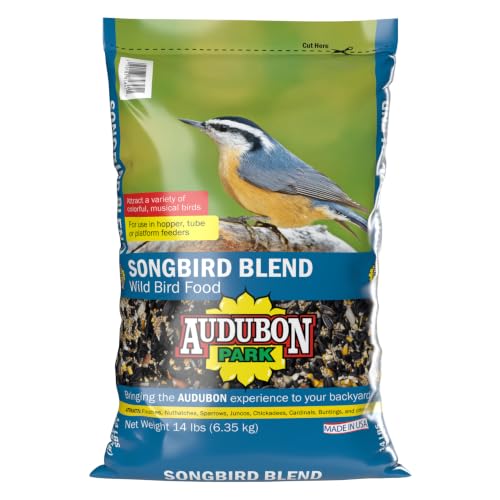
A 14-pound blend of millet, black oil sunflower, cracked corn, safflower, and peanuts means this bag is built to pull in a wide range of songbirds. Cardinals, chickadees, titmice, nuthatches, buntings, and finches all get a mention on the label. The inclusion of high-energy sunflower and protein-rich peanuts gives birds real nutritional value, not just filler. For someone who wants a lively, varied backyard birdwatching experience without having to buy multiple specialty seeds, this mix covers the bases in one bag. It’s also explicitly listed as compatible with platform feeders, which is the exact use case here.
At 14 pounds, this bag is a bit lighter than the 20-pound Wagner’s Eastern Regional bag, so if you’re feeding a large flock or want to stock up for longer, you’ll be refilling sooner. Still, for the sheer number of songbird species this blend is formulated to attract, it’s a smart choice for anyone who wants to see more than just house sparrows at the feeder.
Wagner's Greatest Variety Blend Wild Bird Food

What We Like
- 11 different ingredients for variety
- 40% sunflower attracts many songbirds
- Works in tube, hopper, platform feeders
- Made in the USA
Trade-offs
- 16-pound bag is heavier than some competitors
- Not suitable for no-mess or waste-free feeding
With 11 different ingredients including 40% sunflower, this blend is designed to pull in a wide range of colorful songbirds without forcing you to guess what each species prefers. That sunflower-heavy mix is a proven crowd-pleaser for cardinals, finches, and chickadees, and the fact it works in tube, hopper, or platform feeders means you’re not locked into one feeding style. For someone who wants a single bag that covers multiple feeder types and attracts a diverse backyard flock, this is the sort of straightforward, no-nonsense formulation that lets the ingredients do the talking.
The 16-pound bag is heavier than some competitors, so you will want a storage bin with a good seal rather than trying to pour from the bag every time. If variety and broad appeal matter more than a spotless patio, this blend delivers exactly what it says on the label.
Product photos
Lyric Fine Tunes Wild Bird Seed Mix

What We Like
- 100% edible, zero waste mix
- Finely cut for small-beaked birds
- Includes oxygen scavenger for freshness
Trade-offs
- No hulls means less foraging activity on ground
- Not ideal for ground-feeding birds that prefer hulls
A 100% edible blend with no hulls or filler means every kernel in this bag goes into a bird, not onto the ground. That makes it a practical pick if you want to keep platform feeders clean and avoid the sprouting mess that cheaper mixes leave behind. The finely cut nuts and seeds are sized for smaller-beaked visitors like chickadees and finches. But the ingredient list, peanut pieces, sunflower kernels, almond and pistachio pieces, hulled millet, pecan pieces, and shelled pumpkin seeds, also draws bluebirds, cardinals, jays, and woodpeckers. An oxygen scavenger packet in the packaging helps keep those nuts from turning rancid, which matters if you don’t burn through a bag in a week.
A 15-pound bag of this no-waste mix weighs less than the 20-pound Wagner’s Eastern Regional bag, so you may need to refill feeders more often if you have many birds. The trade-off is a cleaner feeding area with no discarded hulls, which appeals to anyone who wants to attract bluebirds, finches, chickadees, and other songbirds without mess. For those who prefer a longer-lasting blend with filler seeds, the Wagner’s option could be a better fit, but this Lyric mix delivers exactly what it promises for a tidy feeding station.
Lyric Fruit and Nut Wild Bird Seed Mix
What We Like
- No filler ingredients, less waste
- Includes shelled nuts and dried fruit
- Attracts a wide variety of songbirds
Trade-offs
- Smaller total weight requires more frequent refills
- Contains corn, a filler some birds avoid
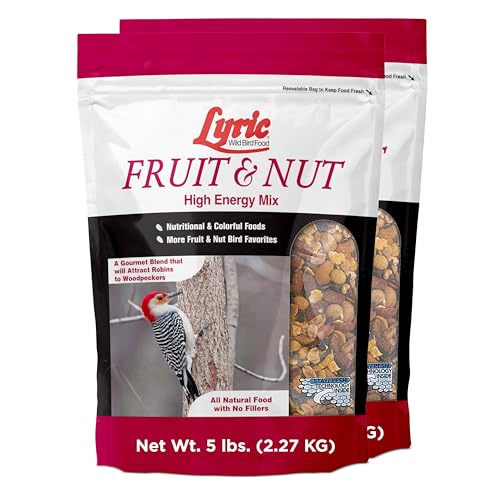
This blend skips cheap fillers entirely, the ingredient list is all shelled nuts, dried fruit, sunflower kernels, and pumpkin seeds, so every scoop goes to feeding birds rather than creating waste under the feeder. That makes it a good choice if you want to attract woodpeckers, chickadees, and other songbirds without sweeping up uneaten milo or cracked corn. The 10-pound pack comes as two 5-pound bags.
The 10-pound total weight of this Lyric Fruit and Nut Wild Bird Seed Mix means you’ll refill feeders more often than with a 20-pound bag like Wagner’s Eastern Regional blend. The mix includes shelled peanuts, almonds, pecans, cashews, pistachios, cranberries, raisins, sunflower kernels, shelled pumpkin seeds, and corn, ingredients that attract cardinals, chickadees, grosbeaks, jays, nuthatches, titmice, waxwings, and woodpeckers. For anyone who wants a no-fuss seed that gets eaten, this is a straightforward choice.
Pennington Select Birder's Blend Bird Seed
What We Like
- Added vitamins and minerals for balanced nutrition
- Bird Kote technology enriches seed blend
- Attracts cardinals, chickadees, goldfinches, woodpeckers
- Formulated for tube, hopper, and gazebo feeders
Trade-offs
- 15 lb bag is smaller than Wagner's 20 lb option
- Attracts fewer bird species than some competitors
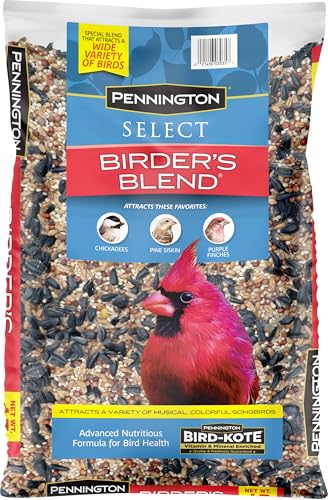
The Pennington Select Birder’s Blend comes with added vitamins and minerals through its exclusive Bird Kote technology, which means every seed carries a little extra nutritional punch beyond what the sunflower seeds alone provide. That makes this a smart pick if you want to give visiting birds a more balanced diet without switching to a specialized supplement. It’s designed for tube, hopper, and gazebo feeders, so it works with most standard platform setups, and the blend attracts a wide range of species from cardinals to woodpeckers.
The 15-pound bag is lighter than Wagner’s Eastern Regional blend, which comes in at 20 pounds, so if you refill frequently you will need to buy bags more often. For someone who prioritizes added nutrients over sheer volume, though, this is a well-thought-out option.
Product photos
Kaytee Ultimate No Mess Wild Bird Seed
What We Like
Trade-offs
- Smaller 9.75 lb bag than many competitors
- No fruit or nut variety for pickier birds
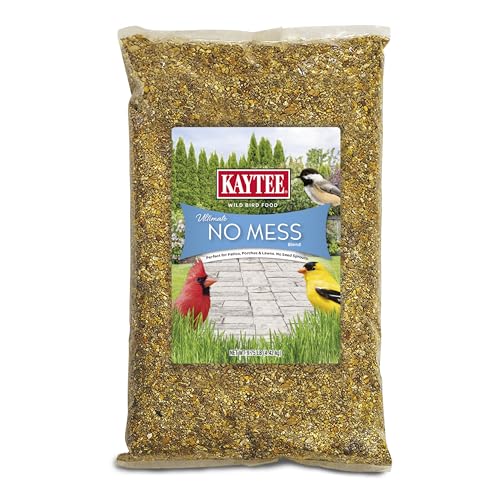
The trade-off is bag size. At 9.75 pounds, it’s noticeably smaller than Wagner’s Eastern Regional blend (20 pounds) or Audubon Park’s Songbird mix (14 pounds), so you’ll restock more often if you feed a busy platform. There’s also no fruit or nut component here. Lyric’s Fruit and Nut mix offers that variety, but it comes with hulls and more cleanup. For someone who values a tidy feeding station over maximum variety per bag, Kaytee’s no-mess formula hits the mark.
Product photos
Kaytee Nut And Fruit Wild Bird Seed

What We Like
- Includes fruit and nuts for variety
- Attracts multiple songbird species
- High energy and nutrition blend
- Trusted brand for over 150 years
Trade-offs
- 5-pound bag is smaller than many competitors
- Contains hulls, creating some mess under feeders
A 5-pound bag means this is a compact, easy-to-handle option for platform feeders, especially if you want to rotate blends without committing to a 20-pound sack. The mix of sunflower seeds, peanuts, mixed feed nuts, raisins, and cherries gives visiting songbirds a varied meal that appeals to cardinals, chickadees, nuthatches, grosbeaks, juncos, and woodpeckers. That variety is the real draw here: it’s formulated to attract multiple songbird species, so you get a lively feeder without having to buy separate seed types. For someone looking to keep a small feeder stocked, this blend offers a mix of ingredients that wild birds love.
Portion size is the main consideration here. At 5 pounds, you’ll refill more often than with a 14- or 20-pound bag like the Audubon Park Songbird Wild Bird Seed, which is better suited for high-traffic feeders or multiple stations. Also, because it includes sunflower seeds and peanuts, expect some debris beneath the feeder, not a dealbreaker, but something to consider if you’re aiming for a tidy patio. For a starter or a secondary blend to rotate in, this Kaytee mix delivers solid nutrition.
Product photos
How We Evaluated Bird Foods For Platform Feeders
We started by reading the ingredient list on every bag, not the front. For each blend, we checked seed types, protein content, and the presence of filler ingredients like milo or red millet that many birds ignore. We then cross-referenced those ingredients against the feeding preferences of common North American songbirds, using data from ornithological sources and guides on bird seed mixes.
Four criteria mattered most for platform feeders. First, seed composition: a platform needs a mix that stays on the tray and doesn’t get picked through for one favorite seed. Second, waste percentage: hulls and fillers fall through platform slats or get blown off, so low-waste blends save you cleanup time. Third, bird appeal: the blend should attract the species you want, from cardinals to chickadees. Fourth, feeder versatility: a mix that works in tube and hopper feeders too gives you more options.
A research-led evaluation has limits. We didn’t test these blends in the field, and your local bird population may differ from the averages. We recommend checking what species visit your yard and matching the blend to them, using the ingredient list as your guide.
What To Look For In Bird Foods For Platform Feeders
The best platform feeder blend balances seed variety with low waste, and matches the birds in your region. Here is what to check on the bag.
Look for a blend with at least 40% sunflower seeds, minimal milo or red millet, and no more than 10% filler grains. Avoid mixes with artificial colors or preservatives.
Seed Composition and Bird Appeal
Sunflower seeds are the backbone of any good platform blend. Black-oil sunflower attracts the widest range of songbirds, including cardinals, chickadees, finches, and nuthatches. Striped sunflower works for larger-beaked birds like jays and grosbeaks. A blend with at least 40% sunflower content will draw the most species.
White millet is the second most important ingredient for platform feeders. It appeals to ground-feeding birds like juncos, sparrows, and doves that naturally visit platforms. Avoid blends heavy in milo or red millet, which many birds leave behind. The best bird food for your platform will list sunflower and white millet as the first two ingredients.
Waste and Cleanup
Platform feeders expose seed to rain and wind, so waste matters more here than with tube feeders. Hulls from sunflower and safflower seeds accumulate under the feeder and can kill grass. A no-waste or no-hull blend, like the Kaytee Ultimate No Mess Wild Bird Seed, eliminates this problem entirely because every piece is edible.
If you prefer a traditional blend with hulls, look for one with minimal cracked corn and milo. These fillers get wet, mold, and attract pests. The best bird seed for platforms will have a high edible-to-hull ratio, meaning less cleanup and more nutrition per pound.
Regional Suitability
Birds in the Eastern U.S. Prefer different seeds than those in the West or Midwest. Eastern songbirds favor sunflower, safflower, and peanuts, while Western species eat more millet and thistle. A regional blend like Wagner’s Eastern Regional Wild Bird Food is formulated for the species in your area.
Check the bag for a regional label or a list of target bird species. A blend that works in Maine may not attract the same birds in Texas. The wild bird seed you choose should match your local ecosystem for the best results.
Nutritional Additives
Some blends add vitamins, minerals, or probiotics to support bird health. Pennington Select Birder’s Blend uses Bird Kote technology to enrich the seed with nutrients. These additives can help birds through molting season or cold winters when energy demands are high.
Added nutrients are a bonus, not a necessity. Most birds get what they need from a varied diet of natural foods and quality seed. If you feed year-round, a nutrient-enhanced blend may support your flock better than a basic mix. The songbird food you choose should prioritize ingredient quality over marketing claims.
- Check the first three ingredients on the bag. They should be sunflower, white millet, and either safflower or peanuts.
- Avoid blends that list milo, red millet, or cracked corn in the top three spots.
- Look for a resealable bag or a sturdy container to keep seed fresh on the platform.
- Choose a bag size you can use within 4-6 weeks to prevent spoilage in humid weather.
- Match the seed size to your feeder’s drainage holes to prevent clogging.
A good rule of thumb: if the bag lists more than three filler grains before a single nut or fruit, put it back on the shelf.
Bird Foods For Platform Feeders Compared
The table below compares all eight blends side by side, so you can see which seed types, bag sizes, and bird species match your platform feeder setup.
| Product | Weight | Key Ingredients | Feeder Types |
|---|---|---|---|
| Wagner's Eastern Regional Wild Bird Food | 20 pounds | White Millet, Black Oil Sunflower, Cracked Corn, Milo, Striped Sunflower, Safflower | Tube, hopper, platform |
| Audubon Park Songbird Wild Bird Seed | 14.0 pounds | Millet, sunflower, corn, safflower, peanuts | Tube, tray, hopper, platform, smart |
| Wagner's Greatest Variety Blend Wild Bird Food | 16.0 pounds | 11 different ingredients including 40% sunflower | Tube, hopper, platform |
| Lyric Fine Tunes Wild Bird Seed Mix | 15 lb | Peanuts, sunflower kernels, almonds, pistachios, millet, pecans, pumpkin seeds | Tube, platform, hopper |
| Lyric Fruit and Nut Wild Bird Seed Mix | 10 lb (2 bags of 5 lb) | Fruit, nuts, kernels, seeds | Hopper, tray, tube, wire mesh |
| Pennington Select Birder's Blend Bird Seed | 15.0 pounds | Sunflower seeds | Gazebo, tube, hopper |
| Kaytee Ultimate No Mess Wild Bird Seed | 9.8 pounds | Safflower, Peanuts, Striped Sunflower, Millet | N/A |
| Kaytee Nut And Fruit Wild Bird Seed | 5.0 pounds | Sunflower seeds, peanuts, nuts, raisins, cherries | N/A |
Frequently Asked Questions
What is the best bird seed for a platform feeder?
A blend with at least 40% black-oil sunflower and white millet works best for most platform feeders. Avoid mixes heavy in milo or red millet, which many birds ignore. For a clean platform, consider a no-waste blend like Lyric Fine Tunes that has zero hulls.
How do I keep bird seed from blowing off my platform feeder?
Use a platform feeder with raised edges or a mesh bottom to hold seed in place. Choose heavier seeds like sunflower and safflower over lightweight millet or thistle. Position the feeder in a sheltered spot away from strong wind.
What birds visit platform feeders?
Platform feeders attract ground-feeding songbirds including cardinals, juncos, sparrows, doves, blue jays, chickadees, and finches. The specific species depend on your region and the seed blend you offer. Sunflower-heavy blends draw the widest variety.
Should I use a no-mess bird seed on a platform feeder?
No-mess seed is an excellent choice for platform feeders because it eliminates hull buildup on the ground. Blends like Kaytee Ultimate No Mess contain only edible pieces, so nothing rots under the feeder. This also reduces the chance of mold and pests.
How often should I clean my platform feeder?
Clean your platform feeder every two weeks, or more often in wet weather. Remove old seed, scrub with a mild bleach solution, and rinse thoroughly. Moldy seed can sicken birds, so empty the platform if seed gets wet and clumps.
The Bottom Line
For most birders with a platform feeder, Wagner’s Eastern Regional Wild Bird Food is the best overall choice. Its six-seed blend works across feeder types, attracts a wide range of Eastern songbirds, and is made in the USA. It is a versatile option that simplifies your feeding routine.
If your priority is attracting the most songbird species, the Audubon Park Songbird Wild Bird Seed delivers with protein-rich peanuts and a balanced formula. For those who hate cleaning hulls off the ground, the Lyric Fine Tunes Wild Bird Seed Mix offers a completely edible, zero-waste solution that keeps your platform tidy.
The single most important factor in choosing bird food for a platform feeder is seed composition. Ignore the bird on the bag and read the ingredient list. A blend with sunflower and white millet as the top two ingredients will outperform any flashy mix with fillers, every time.
