
10 Best Food For Clown Fish in 2026
This post contains affiliate links. As an Amazon Associate, we earn from qualifying purchases.
For most home aquariums, the Hikari Marine-S Slow-Sinking Pellets are the best overall option because their soft, sponge-like texture matches what clownfish would naturally eat on a reef. For keepers who want a probiotic-rich, high-protein meal, the Ultra Fresh Marine Fish Food Patties are a strong alternative. And if you’re dealing with a fish that turns its nose up at standard fare, the Hikari Micro Wafers with garlic are worth a look.
Clownfish are omnivores that graze on zooplankton, algae, and small crustaceans in the wild. Replicating that variety in a home tank is the real challenge, especially when fish develop strong preferences for one food type or refuse to eat sinking pellets.
This guide is based on a close look at ingredient lists, protein sources, additive profiles, and the patterns reported by experienced aquarists. We cover ten foods across pellets, flakes, and patties so you can match a product to your fish’s size, feeding behavior, and nutritional needs.
Top 10 Foods For Clownfish in the Market
Certain content that appears on this site comes from Amazon. This content is provided "as is" and is subject to change or removal at any time.
The Best Foods For Clownfish, Reviewed
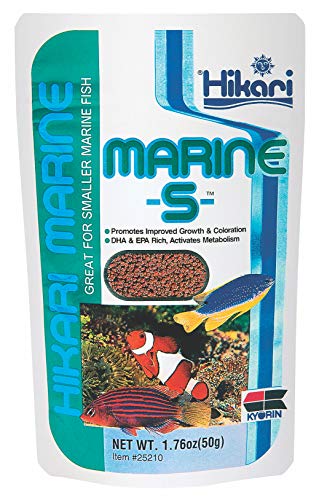
Hikari Marine-S Slow-Sinking Pellets
What We Like
- High protein matches reef diet
- Soft sponge-like texture fish instinctively accept
- Shrimp Meal enhances natural color
- Stabilized Vitamin C supports immune health
Trade-offs
- Small pellet size limits use to smaller fish only
- Not suitable for larger saltwater fish species
High protein levels consistent with what small marine carnivores and omnivores find on the reef mean this pellet delivers nutrition that matches their natural diet. The soft, sponge-like texture is one that marine fish are instinctively accustomed to, so they readily accept it as food. Shrimp Meal provides natural color-enhancing benefits, and stabilized Vitamin C supports immune system health without degrading in storage. That combination of reef-mimicking nutrition and immune support makes this a strong everyday option for smaller marine carnivores and omnivores.
The trade-off is the slow-sinking design: fish that prefer snatching food from the surface may leave pellets to drift past before they react. Compared to Ultra Fresh Marine Food Patties, which are a different format, this pellet works better for fish that feed in the mid-water or near the bottom. If your fish are bold and feed throughout the water column, the nutritional density and texture make this a reliable everyday choice.
Ultra Fresh Marine Fish Food Patties

What We Like
- 75% natural sword prawn and squid protein
- 1.5mm granule for small marine fish
- 3 million CFUs/g probiotics aid digestion
- No artificial flavors, colors, or byproducts
Trade-offs
- Requires feeding 1-3 times daily within 3 minutes
- Requires feeding within 3 minutes, not for automated feeders
The 75% sword prawn and squid protein, combined with an 8:2 meat-to-vegetable ratio, gives small marine fish a natural, high-protein diet without fillers. The added 3 million CFUs/g of probiotics support gut health and help break down waste, keeping the tank cleaner. With no artificial colors, flavors, or byproducts, this formula appeals to aquarists who read labels carefully.
The 1.5mm granule size is designed for small marine fish like clownfish and blue tang, making it easy for them to intake and digest. Owners should feed no more than the fish can consume within three minutes, which means automatic feeders aren’t practical. For someone willing to hand-feed and prioritize a clean protein source, this food delivers natural ingredients without additives or artificial flavors.
Hikari Micro Wafers Fish Food

What We Like
- Garlic attracts finicky eaters
- Spirulina and astaxanthin boost color
- Slowly sinking for all feeding levels
- Balanced premium proteins for growth
Trade-offs
- Micro wafers are sized for small-mouthed fish only
Garlic is listed as an ingredient to attract the most finicky eaters, which directly addresses the problem of a fish that refuses standard foods. The slowly sinking property means fish at every level of the tank can grab a wafer before it hits the bottom. Combined with spirulina and astaxanthin for color, this is a formula built around persuasion rather than just nutrition. For someone with a picky fish that turns its nose up at standard flakes or pellets, this addresses the refusal head-on rather than hoping the fish will eventually eat.
A 1.58-ounce container is compact enough to tuck into a crowded cabinet or carry to a friend’s tank. Experienced aquarists note that this size suits single-species setups or small community tanks where a larger jar would go stale before being used. The trade-off is portion size: you get a balanced combination of premium proteins for growth, plus spirulina and astaxanthin for color, but the bag won’t last long if you feed multiple tanks daily. Owners of finicky eaters appreciate the garlic and other attractants that coax reluctant fish to feed.
Product photos
Ocean Nutrition Formula Two Flakes

What We Like
- Rich in marine algae and spirulina
- Made in the USA with natural ingredients
- Supports coloration and vitality
- Does not cloud aquarium water
Trade-offs
- No garlic or added attractants for finicky fish
A 5.5-ounce jar of flakes built around marine algae, spirulina, and kelp means this food targets herbivorous and omnivorous marine fish. For aquarists who want to boost plant-based nutrition, especially if their tank includes tangs or rabbitfish, the ingredient list is straightforward and avoids clouding the water when used as directed. The Amazon listing notes it is ideal for feeding tangs, rabbitfish, marine angelfish, clownfish, chromis, pygmy angels, and more, so it suits a range of saltwater species.
Made in the USA from natural ingredients, this flake food is packed with marine algae, spirulina, and kelp to support coloration and health in herbivorous and omnivorous marine fish. It won’t cloud the water when used as directed, making it a clean option for tanks with tangs, rabbitfish, clownfish, or pygmy angels. If your fish prefer sinking food, you may need to pre-soak the flakes or switch to a pellet format.
Vitalis Marine Pellets 1mm

What We Like
- Soft pellet for easy digestion
- Slow-sinking mimics natural feeding
- Marine protein from fish, molluscs, crustaceans
- Complete balanced nutrition for marine fish
Trade-offs
- Too large for tiny fry or very small species
A 1mm soft pellet that sinks slowly means your marine fish get to hunt for their meal rather than scarfing it off the surface. Vitalis builds this around whole fish meal plus a mix of molluscs and crustaceans, real marine proteins that match what marine fish would eat in the wild. That soft construction also makes it easier on their digestive system, which matters for fish that tend to gulp air when eating floating flakes. If you want a food that supports natural feeding behavior and digestion, this pellet is a solid daily staple.
The 1mm pellet size works well for most adult tropical marine fish like Clownfish, Angelfish, and Butterflyfish, but it’s not suitable for tiny fry or very small species. The soft pellet design helps digestion and sinks slowly to encourage natural feeding, so fish can eat at their own pace. Compared to Hikari Marine-S slow-sinking pellets, which are also formulated for marine fish, Vitalis focuses on a palatable, highly digestible balanced feed that serves as a complete nutrition source. For a daily staple that prioritizes natural feeding behavior and gut health, this is a strong option.
Product photos
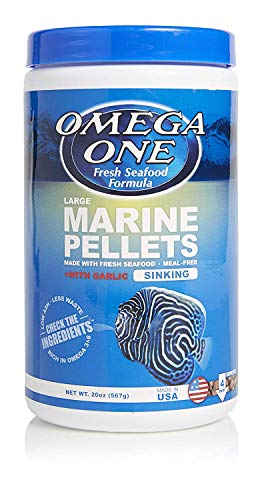
Omega One Garlic Marine Pellets
What We Like
- MSC Approved Ingredients
- Rich in Omega 3 & 6 HUFA's
- Natural beta-carotene from salmon skins
- Garlic for appetite stimulation
Trade-offs
- Sinking format not ideal for surface feeders
- 4mm pellets too large for small-mouthed fish
The Omega One Garlic Marine Pellets deliver immune-support nutrition through MSC-certified ingredients and a high level of omega-3 and omega-6 HUFA’s, which support a healthy immune system and long-term vitality. The formula includes fresh natural fats for appetite stimulation and natural beta-carotene from salmon skins for color enhancement, so your fish get both health and visual benefits from the same pellet.
The trade-off here is pellet size. For mature clownfish, though, the Omega One delivers targeted immune support in a format that sinks right to their preferred feeding zone.
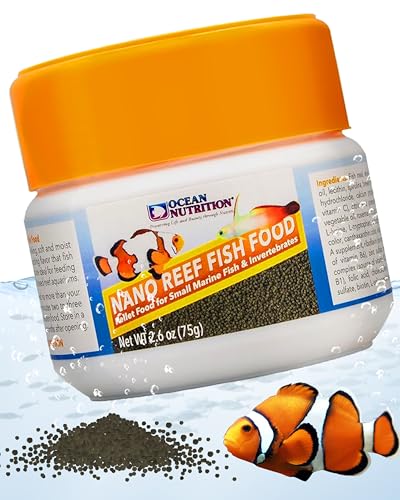
Ocean Nutrition Nano Reef Pellets
What We Like
- Soft, moist pellets for tiny mouths
- Spirulina enhances natural coloration
- Natural attractants for finicky eaters
- High HUFA and vitamin content
Trade-offs
- Only 2.6 oz per container
- Pellets are too small for large marine fish
A 0.95mm pellet that stays soft and moist means a clownfish can actually chew and digest it without spitting out hard crumbs. That texture, paired with 39.7% crude protein and spirulina for color, makes this a sensible daily option for small marine fish that tend to be picky about what goes in their mouths. The included mini-spoon takes the guesswork out of portioning, which matters when you’re feeding nano tanks where overfeeding fouls water fast. The natural attractants in these pellets encourage rapid acceptance, so finicky fish often take to them right away.
A 2.6 ounce container runs out quicker than a jar of flakes, so if you have a larger tank or multiple small fish, you will restock more often. For a dedicated nano reef with a pair of clowns and a goby, the pellet size and ingredient profile are hard to beat.
OSI Marine Lab Marine Flake

What We Like
- Plant and animal protein sources for growth
- Includes spirulina and color-enhancing pigments
- Animal oils supply highly-unsaturated fatty acids
- Formulated for marine and saltwater fish
Trade-offs
- No garlic or specific anti-parasitic additives listed
- Lacks slow-sinking option for bottom feeders
A 0.5-pound container of flake food that mixes plant and animal proteins provides a balanced base diet for marine and saltwater fish. The inclusion of spirulina and natural color-enhancing pigments supports good growth and helps maintain the bright orange and white patterns clown fish are known for. For the keeper who wants a straightforward, no-fuss staple that covers the nutritional basics, this is a sensible everyday option.
The flake format itself floats and disperses in the water column, so you may need to adjust feeding to match your fish’s feeding habits. There is no garlic or immune-supporting additive listed here, which some hobbyists look for when managing finicky eaters. But if your clown fish are healthy and you prefer a marine-specific formula with both plant and animal sources, this flake gets the job done without the marketing fluff.
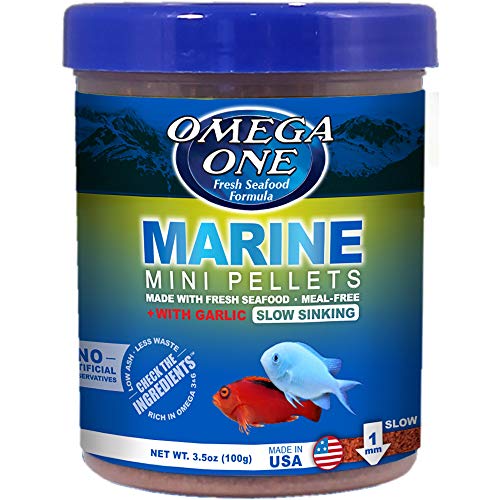
Omega One Marine Mini Pellets with Garlic
What We Like
- Made directly from fresh seafood
- No pre-processed protein meals
- Contains hand-harvested ocean kelp and spirulina
- Garlic may boost palatability
Trade-offs
- Small 3.5 oz container for daily feeding
- Mini pellets unsuitable for large-mouthed fish
The only dry fish food made directly from fresh seafood rather than pre-processed meals means the protein source is whole fresh seafood. With hand-harvested ocean kelp and spirulina built into the pellet, you get plant matter that mimics natural grazing, plus garlic that can help stimulate feeding in picky individuals. This is a pellet for the aquarist who reads the ingredient list before the front label and wants a food that skips pre-processed protein meals.
A 3.5 oz container goes fast if you have multiple fish or a community tank, and the mini pellet size works best for smaller specimens. Compare that to the Hikari Marine-S Slow-Sinking Pellets, which come in a 1.76 oz bag. If your fish are on the larger side or you want a longer-lasting supply, you may find yourself reordering more often with this one. But for the buyer who values ingredient transparency over bag size, the fresh-seafood base makes this a straightforward choice.
Product photos
Aquatic Provisions Marine Flakes Fish Food

What We Like
- High protein from shrimp and krill meal
- Fortified with vitamins and minerals
- Includes spirulina and Carotene
- Made in USA from quality ingredients
Trade-offs
- Small 1.77 oz size requires frequent repurchase
- Not suitable for freshwater aquarium fish
This flake food is built around shrimp meal and krill meal as protein sources, with spirulina and Carotene added for plant-based nutrition and color support. It is fortified with vitamins and minerals, and the ingredients are sourced and packaged in the USA with oxygen absorbers to preserve freshness. For saltwater fish that need a protein-rich diet, this provides a clean, animal-based protein profile without relying on plant fillers.
The high-protein flake formula includes shrimp meal, krill meal, and spirulina, so it delivers the animal-based nutrition marine fish need. Because it floats and disperses quickly, it suits mid-water feeders, but keepers with multiple fish will reorder often given the 1.77 oz package. Reviewers note the oxygen-absorber packaging keeps the flakes fresh, which matters for a small container that gets used up fast.
Product photos
How We Evaluated Foods For Clownfish
We started by reading the ingredient panel and guaranteed analysis on every product. Protein source matters more than the front-of-bag claims, so we prioritized foods that name specific marine proteins, shrimp meal, squid, krill, over vague “fish meal” or plant-based fillers.
Three criteria drove our rankings. First, digestibility and particle size: a 4 mm pellet may be excellent nutritionally, but it is useless to a fish that cannot fit it in its mouth. Second, ingredient transparency: we favored products that list whole seafood rather than pre-processed meals. Third, functional additives: stabilized vitamin C, probiotics, and natural attractants like garlic or spirulina add measurable value for immune support and acceptance.
Our evaluation is limited to what the manufacturer discloses and what experienced keepers consistently report. For a deeper look at ingredient labels and feeding strategies, see our full clownfish food resource.
What To Look For In Foods For Clownfish
The right food balances protein content, particle size, and feeding behavior so your fish get complete nutrition without fouling the water.
Choose a food with a named marine protein as the first ingredient, a particle size your fish can swallow whole, and a sinking rate that matches where your clownfish naturally feed.
Protein Source and Quality
Clownfish need animal-based protein from marine sources, shrimp, krill, squid, fish, to thrive. Look for specific named ingredients rather than “fish meal” or “animal protein,” which can include terrestrial byproducts. A protein content around 40 to 50 percent is common in quality marine foods, but the source matters more than the percentage.
Particle Size and Texture
A pellet that is too large will be ignored or chewed and dropped, creating waste. Most clownfish do best with 1-2 mm pellets or small flakes. Soft, moist pellets are easier to digest and often accepted more readily than hard, dry kibble. For very small fish or nano tanks, look for “micro” or “nano” sizing.
Sinking Rate and Feeding Behavior
Clownfish typically feed in the middle and lower parts of the water column. Slow-sinking foods mimic natural prey movement and reduce surface waste. If your fish are surface feeders, a floating flake may work better, but you risk more food ending up in the filter. Match the food’s sinking behavior to your fish’s actual feeding pattern.
- Check the guaranteed analysis for crude protein, fat, and fiber percentages.
- Look for stabilized vitamin C or probiotics on the ingredient list for immune support.
- Avoid artificial colors and preservatives like ethoxyquin or BHA.
- Read the feeding instructions: some foods require removal of uneaten portions within minutes.
A good rule: if you would not eat a diet of processed flour and soy protein, neither should your fish.
Foods For Clownfish Compared
The table below compares key specs for each of the ten foods we evaluated, so you can see at a glance which one fits your tank setup and your fish’s size.
| Product | Form | Key Ingredients | Weight |
|---|---|---|---|
| Hikari Marine-S Slow-Sinking Pellets | Slow-Sinking Pellets | Shrimp Meal | 0.1 pounds |
| Ultra Fresh Marine Fish Food Patties | Patties | 75% Sword Prawns + Squids | 0.4 pounds |
| Hikari Micro Wafers Fish Food | Micro wafers | Spirulina, Astaxanthin, Garlic | 0.1 pounds |
| Ocean Nutrition Formula Two Flakes | Flakes | Marine algae, spirulina, kelp | 0.3 pounds |
| Vitalis Marine Pellets 1mm | Soft, slow-sinking pellets | Whole fish meal, molluscs, crustaceans | 4.94oz |
| Omega One Garlic Marine Pellets | Sinking pellets | Salmon Skins, Garlic | 20 oz |
| Ocean Nutrition Nano Reef Pellets | Soft & moist slow sinking pellet | Spirulina | 2.6oz |
| OSI Marine Lab Marine Flake | Flake | Spirulina, color-enhancing pigments | 0.5 pounds |
| Omega One Marine Mini Pellets with Garlic | Mini pellets | Garlic, hand-harvested ocean kelp, spirulina | 3.5 oz |
| Aquatic Provisions Marine Flakes Fish Food | Flake | Shrimp meal, krill meal | 1.77 oz |
Frequently Asked Questions
What is the best food for clownfish?
A nutritionally complete pellet with marine protein sources is the most reliable option. The Hikari Marine-S Slow-Sinking Pellets are our top choice because they combine high protein, soft texture, and immune-supporting vitamin C in a format that matches natural reef feeding.
How often should I feed my clownfish?
Most adult clownfish do well with one to two small feedings per day. Offer only what they can consume in two to three minutes. Overfeeding is the most common cause of poor water quality in marine tanks. For a detailed schedule, see our clownfish feeding guide.
Can clownfish eat flakes instead of pellets?
Yes, many clownfish accept flakes readily. Flakes tend to float longer, which can be an advantage for surface feeders but may create more waste if uneaten. The Ocean Nutrition Formula Two Flakes are a good algae-rich option for fish that already feed from the surface.
Do clownfish need algae in their diet?
They benefit from it. In the wild, clownfish graze on algae and spirulina as part of their omnivorous diet. A food that includes marine algae or spirulina supports coloration and digestive health without needing a separate supplement.
What size pellet is best for clownfish?
Most clownfish do best with pellets between 1 and 2 mm in diameter. Larger pellets may be ignored or broken apart, creating waste. If you have a very small species or a nano tank, look for “micro” or “nano” pellet sizing. For a broader look at marine options, check our guide to saltwater fish food.
The Bottom Line
The Hikari Marine-S Slow-Sinking Pellets are the best overall choice for most clownfish keepers because they deliver a complete, reef-matching diet in a soft pellet that fish accept readily. The stabilized vitamin C is a meaningful bonus for long-term immune health.
If your fish is a picky eater, the Hikari Micro Wafers with garlic are worth trying before you give up on prepared foods. For keepers on a budget who still want balanced nutrition, the OSI Marine Lab Marine Flake covers the basics without unnecessary additives.
The single most important thing you can do is match the food’s particle size and sinking rate to your specific fish. A premium pellet that sinks past a surface-feeding clownfish is no better than cheap flakes. Read the label, watch your fish, and adjust accordingly.
