
5 Best Dog Food For Diabetic Dogs Without Vet Prescription
This post contains affiliate links. As an Amazon Associate, we earn from qualifying purchases.
For diabetic dogs, diet is a cornerstone of management, and the best overall pick is Dr. Harvey’s Paradigm Green Superfood Base Mix because it gives you complete control over protein quality and carbohydrate content. Other strong choices include the Ketona Salmon Recipe Adult Dry Dog Food as the best low-carb kibble and the Royal Canin Veterinary Glycobalance Small Adult Dry Dog Food for small breeds.
The challenge for owners of diabetic dogs is finding food that helps manage blood glucose without requiring a veterinary prescription. Many commercial diets are high in starches and simple carbohydrates that can cause spikes, making low-carb, high-protein formulations the priority.
This guide is based on a careful review of manufacturer specifications, nutritional profiles, and patterns in owner feedback. We focused on foods that are available without a prescription and that emphasize low starch and high-quality protein sources.
Top 5 Dog Foods For Diabetic Dogs Without Vet Prescription in the Market
Certain content that appears on this site comes from Amazon. This content is provided "as is" and is subject to change or removal at any time.
The Best Dog Foods For Diabetic Dogs Without Vet Prescription, Reviewed
Dr. Harvey's Paradigm Green Superfood Base Mix
What We Like
- Human-grade, grain-free ingredients
- Low-carb ketogenic profile
- Ready in 8 minutes with hot water
- Control over protein type and quality
Trade-offs
- Requires adding protein and oil separately
- Dehydrated format needs hot water prep
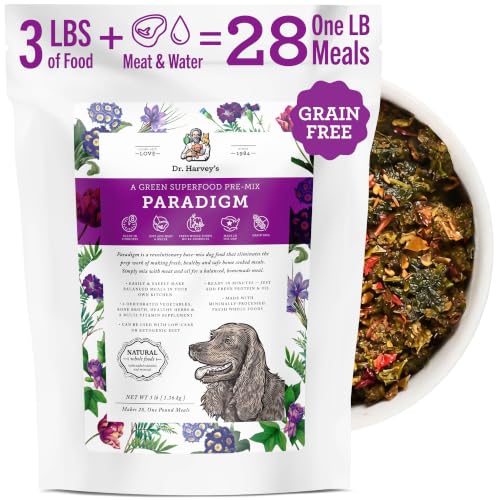
The 54 kcal per scoop base mix gives you control over the protein and fat you add, which matters for owners who want to avoid the starches and fillers common in many kibbles. This is not a complete food; it is a dehydrated vegetable, bone broth, and herb base that turns into 28 one-pound meals once you add your own meat and oil. For owners who want to choose a fresh protein source each time and avoid preservatives and dyes, that control is the key advantage. It suits someone who is comfortable measuring, mixing, and selecting a protein source every meal.
The trade-off is convenience. Ketona’s Salmon Recipe is a low-carb kibble with 5% carbs and 46% protein, ready to serve without mixing. Paradigm asks you to rehydrate with hot water, wait eight minutes, and add meat and oil each meal. That extra step gives you human-grade ingredients and no preservatives or dyes, but it also means planning ahead. If you want a low-carb option without the prep work, the Ketona bag saves time. If you want to see and smell every ingredient your dog eats, this base mix is the better fit.
Ketona Salmon Recipe Adult Dry Dog Food
What We Like
- 46% protein for lean muscle maintenance
- Grain-free, natural ingredient list
- No gradual transition needed
Trade-offs
- Small 4.2 lb bag size
- Not suitable for dogs that need veterinary prescription diets
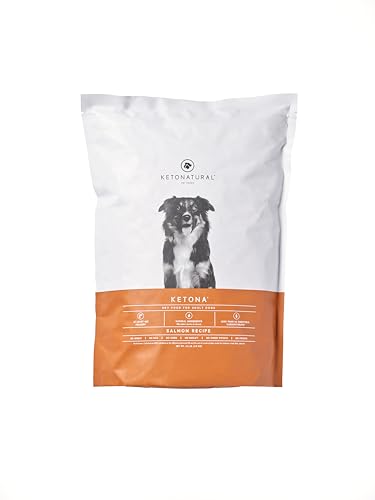
With less than 6% carbohydrate and 46% protein, this kibble provides a low-carb, high-protein formula that mimics a dog’s ancestral diet, helping the body burn fat for energy instead of storing it. The grain-free recipe uses natural ingredients and requires no gradual transition when switching from other foods. For owners focused on a low-carb option, this profile is a key feature, delivered in a shelf-stable kibble that doesn’t require gradual mixing.
The salmon recipe delivers 46% protein and only 5% carbs, so it mimics a raw diet without the thawing or mess. That low carb count means dogs burn body fat instead of storing it, which owners report helps keep their pets lean. At 4.2 pounds, you’ll reorder more often than with Royal Canin’s 8.8-pound Glycobalance bag, but the trade-off is a ready-to-feed kibble that needs no gradual transition.
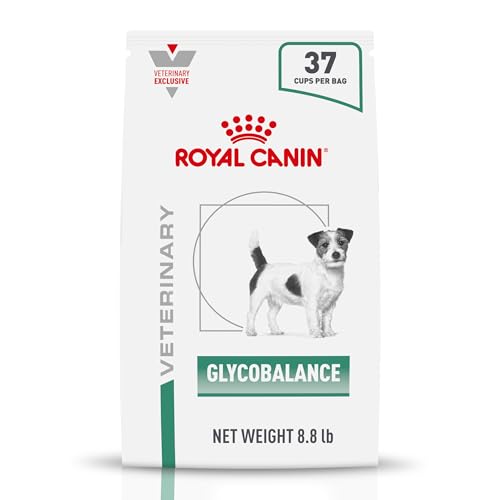
Royal Canin Veterinary Glycobalance Small Adult Dry Dog Food
What We Like
- Reduced starch supports blood glucose control
- Small kibbles fit small breed jaws
- Poultry-based recipe encourages eating
- Formulated for small dog digestive health
Trade-offs
- Only for dogs up to 22 lbs
- Poultry-based only, no alternative protein option
A reduced starch formulation directly targets the blood glucose swings that define diabetic management in dogs, and this one pairs it with kibbles sized for small jaws under 22 pounds. That starch reduction is the mechanical lever here: less starch means fewer carbohydrate-driven sugar spikes after meals, which is the whole point for a diabetic dog. Royal Canin also added a poultry-based aroma blend to keep mealtime interesting for a dog that might otherwise lose appetite due to illness or medication side effects. It suits owners of small diabetic dogs who want a complete, prescription-level dry food that handles the diet side without mixing or supplementing.
The biggest factor here is that this is a poultry-based formula, so dogs with poultry allergies or sensitivities simply cannot eat it. Unlike a mix such as Dr. Harvey’s Paradigm Green Superfood Base, which requires you to add your own protein source, Royal Canin comes ready-to-feed with a fixed recipe. That means zero flexibility if your dog needs a different protein, but it also means no prep work for owners who just want to pour kibble into a bowl. The 8.8-pound bag is a standard size for small-breed maintenance feeding.
Product photos
Ketona Chicken Recipe Adult Dry Dog Food

What We Like
- Less than 6% starch and 0.5% sugars
- Over 46% protein from antibiotic-free chicken
- Non-GMO, sustainable American chicken source
Trade-offs
- Not suitable for large breed dogs
- Contains added vitamins and minerals
A carbohydrate content below 6% starch and just 0.5% sugars means this kibble sidesteps the blood-sugar spikes that make managing canine diabetes a headache. That low-carb profile, paired with over 46% protein from non-GMO, antibiotic-free chicken, puts it squarely in the sweet spot for owners who want a grain-free dry food that won’t fight their vet’s dietary advice. The protein comes from American ranchers using sustainable practices, which gives the ingredient list a transparency you don’t always see in the pet food aisle. Owners looking for a low-starch, high-protein dry food have a clear option here.
The trade-off is portion control: the 4.2-pound bag runs out fast for a medium or large dog, so you’ll be reordering more often than with bigger bags from other picks. For a small diabetic dog or an owner who values a tightly controlled carb count over bulk buying, the convenience of a kibble that mimics raw-diet nutrition without the raw-diet hassle is a fair exchange.
Product photos
Ketogenic Pet Foods Keto-Kibble Dry Dog Food
What We Like
- Protein content over 60%
- Starch-free formulation
- Grain-free and no starch fillers
- Suitable for dogs and cats
Trade-offs
- Formulated only for maintenance, not growth
- Not suitable for puppies or pregnant dogs
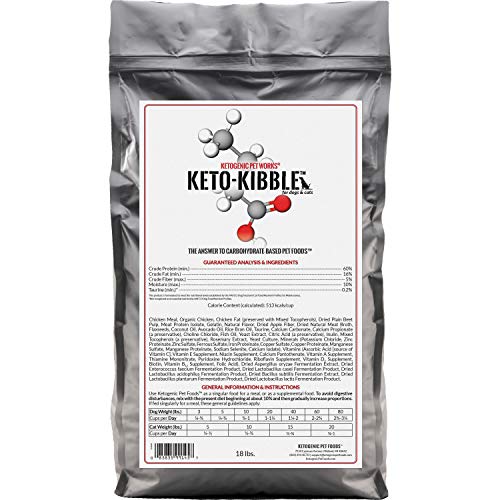
With a protein content exceeding 60%, this kibble provides more than double the protein of most conventional dog foods. The starch-free, grain-free formula skips inflammatory fillers that can disrupt metabolism, making it a targeted option for owners seeking a high-protein, low-carb diet. It works as a complete meal or a supplement, so you can ease into it alongside your dog’s current food.
This food is formulated for adult maintenance only, so it won’t meet the needs of puppies or pregnant dogs, a real limitation if you have a multi-dog household with different life stages. Dr. Harvey’s Paradigm Green Superfood Base Mix, by contrast, yields 28 pounds of food when prepared, while Keto-Kibble comes ready to feed in an 18-pound bag. For owners who want a straightforward, high-protein kibble without mixing, this fits; for those needing a more flexible base mix, the other option may suit better.
Product photos
How We Evaluated Dog Foods For Diabetic Dogs Without Vet Prescription
Our evaluation began with a deep dive into the nutritional data of each formula, paying close attention to carbohydrate and starch content. We cross-referenced these numbers against what is known about managing canine diabetes with diet to identify which products genuinely support stable blood glucose levels.
The three criteria that mattered most were carbohydrate and starch content, protein quality and percentage, and ingredient transparency. A food with less than 6% starch and over 46% protein, for instance, is far more likely to help manage glucose than a standard kibble. It was also examined whether each food required adding protein or fat, as some dehydrated mixes like the Dr. Harvey’s base demand more effort from the owner.
A research-led evaluation has limits: we did not measure blood glucose responses in dogs, and individual results will vary. Our goal is to give you the clearest possible picture based on what is on the label and in the bag, so you can make an informed choice with your veterinarian.
What To Look For In Dog Foods For Diabetic Dogs Without Vet Prescription
The best choices for diabetic dogs minimize blood sugar spikes by limiting starch and simple carbohydrates while providing high-quality protein for lean muscle maintenance.
Look for foods with less than 6% total starch, a protein content above 46%, and no added sugars or high-glycemic fillers like corn, wheat, or rice.
Starch and Carbohydrate Content
Starch is the primary driver of post-meal blood glucose in dogs. Traditional dry kibbles often contain a high percentage of starch from grains or potatoes, which is problematic for diabetic dogs. The best options for this condition are those with under 6% starch. The Ketona Chicken Recipe, for example, advertises less than 6% starch and just 0.5% sugars. When evaluating a food, look for a guaranteed analysis that is low in carbohydrates or a manufacturer statement about starch content.
Protein Quality and Percentage
High-quality protein helps maintain lean body mass, which is critical for diabetic dogs who may lose muscle mass from poor glucose utilization. Aim for a food with at least 46% protein from named animal sources like chicken, salmon, or beef. The Ketogenic Pet Foods Keto-Kibble pushes protein over 60%, but for most dogs, a protein percentage in that range is sufficient. Avoid foods that rely on plant proteins like corn gluten meal or soy, as these are less bioavailable.
Ingredient Transparency and Preparation Effort
Some of the best non-prescription diabetic dog food options, like Dr. Harvey’s, are dehydrated bases that require you to add your own protein and hot water. This gives you control but demands daily preparation. If you prefer a grab-and-go kibble, look for a complete and balanced dry food with clear nutritional disclosures. A food that requires no gradual transition, like the Ketona Salmon Recipe, can be easier on a sensitive diabetic dog’s system.
- Check the guaranteed analysis for crude protein (aim for 46%+) and crude fat (a typical range).
- Look for a starch percentage on the manufacturer’s website or a statement about “low glycemic” formulation.
- Verify the food is complete and balanced for adult maintenance (look for an AAFCO statement).
- If using a base mix, confirm you are adding a lean, high-quality protein source like chicken or turkey.
A good rule of thumb: if the first three ingredients include a named meat and there is no corn, wheat, or rice, you are on the right track.
Dog Foods For Diabetic Dogs Without Vet Prescription Compared
The table below compares the five foods side-by-side, highlighting their protein content, starch levels, and preparation requirements so you can see at a glance which fits your dog’s needs.
| Product | Protein Content | Carbohydrate Level | Grain-Free | Form |
|---|---|---|---|---|
| Dr. Harvey's Paradigm Green Superfood Base Mix | 13% min | Low Carb | Yes | Dehydrated base mix |
| Ketona Salmon Recipe Adult Dry Dog Food | 46% | Less than 6% | Yes | Dry |
| Royal Canin Veterinary Glycobalance Small Adult Dry Dog Food | Poultry-based | Reduced | N/A | Dry |
| Ketona Chicken Recipe Adult Dry Dog Food | >46% | <6% starch | Yes | Dry |
| Ketogenic Pet Foods Keto-Kibble Dry Dog Food | 60+% | Starch free | Grain free | Dry |
Frequently Asked Questions
Can I feed my diabetic dog regular dog food?
No, regular dog food is typically high in starch and simple carbohydrates that can cause dangerous blood sugar spikes. You need a low-carb, high-protein formulation specifically designed for glycemic control.
What is the best protein for diabetic dogs?
Lean animal proteins like chicken, turkey, salmon, and beef are excellent choices. They provide high-quality amino acids without the carbohydrates found in plant-based proteins.
How do I transition my diabetic dog to a new food?
Most low-carb foods, like the Ketona Salmon Recipe, do not require a gradual transition. However, if your dog has a sensitive stomach, mix the new food with the old over several days, increasing the new food gradually each day.
Can diabetic dogs eat treats?
Yes, but only low-glycemic, low-carb treats. Look for options like freeze-dried meat or low-carb training treats. Avoid treats with sugar, grains, or starches.
Do I need a prescription for diabetic dog food?
No, all five foods on this list are available without a prescription. They are formulated to be low in starch and high in protein, which supports blood glucose management without requiring a veterinary diet.
The Bottom Line
Dr. Harvey’s Paradigm Green Superfood Base Mix is the best overall choice for owners who want full control over their diabetic dog’s protein quality and are comfortable with a dehydrated base that requires mixing. It is ideal for those who prioritize human-grade, low-carb ingredients and are willing to spend a few minutes preparing each meal.
If you prefer a simple, no-prep kibble, the Ketona Salmon Recipe Adult Dry Dog Food offers a low-carb, high-protein option that requires no gradual transition. For owners of small diabetic dogs under 22 pounds, the Royal Canin Veterinary Glycobalance Small Adult Dry Dog Food provides a prescription-style formulation with reduced starch in small kibbles.
The single most important factor is choosing a food with very low starch and high-quality protein. That one change can make a meaningful difference in managing your dog’s blood glucose levels.
