
10 Best Betta Food in 2026
This post contains affiliate links. As an Amazon Associate, we earn from qualifying purchases.
The Ultra Fresh Betta Pro Shrimp Patties take the best overall spot thanks to their whole-prawn-based formula with an 8:2 meat-to-vegetable ratio. Probiotics help keep the water cleaner. For owners who want a high-protein insect-based diet, the Fluval Bug Bites Betta Granules lead that category, while the Perky Fins Betta Boost Pops offer the cleanest ingredient list with no corn, soy, or pea fillers.
Feeding a betta the right food means matching its carnivorous nature with a high-protein staple that won’t foul the water or cause bloating. Many commercial foods lean on cheap fillers that offer little nutritional value for a fish built to digest meat and insects.
This guide evaluates ten betta foods by comparing ingredient lists, protein sources, and feeding formats against manufacturer specs and patterns in owner feedback. We break down what each formula does best so you can match a food to your fish’s specific needs.
Top 10 Betta Foods in the Market
Certain content that appears on this site comes from Amazon. This content is provided "as is" and is subject to change or removal at any time.
The Best Betta Foods, Reviewed
Ultra Fresh Betta Pro Shrimp Patties
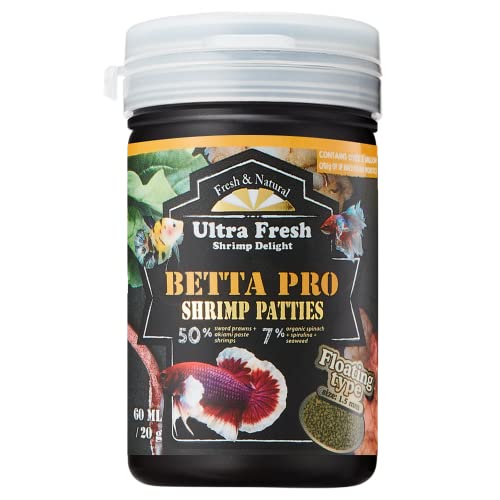
What We Like
- 8:2 meat-to-vegetable ratio
- 3 million CFUs/g probiotics
- Includes 8 essential vitamins
Trade-offs
- 1.5mm granules only for adult bettas
- Probiotic benefit depends on regular feeding
The 1.5mm granule is sized for adult bettas, so it won’t work well for fry or very small fish unless you crush it first. Compared to Fluval Bug Bites, which uses insect protein and comes as a crumble for small to medium fish, this pellet is a single-size option that you match to your fish’s mouth. If you keep one adult betta and want a food with whole prawns, vegetables, and probiotics that actually support digestion and waste breakdown, the Ultra Fresh formula gives you exactly what the label lists.
Product photos
Fluval Bug Bites Betta Granules

What We Like
- First ingredient is nutrient-rich Black Soldier Fly Larvae
- Fortified with essential vitamins, amino acids, minerals
- Slow-sinking granules suit all feeding depths
Trade-offs
- Slow-sinking format not ideal for surface-only feeders
- Contains insect protein, which some owners avoid
Up to 40% Black Soldier Fly Larvae as the first ingredient puts the protein content front and center, which matters if you’re trying to mimic a betta’s natural insect-heavy diet. The formula is also rich in Omega 3 and 6 from salmon, supporting healthy skin, scales, and fins, and it’s fortified with vitamins, amino acids, and minerals for balanced daily nutrition. This one is for the label-reader who wants a high-protein, insect-based formula without fillers or vague meat meals.
The micro granules (0.25-1.0mm) sink slowly, so fish that prefer feeding at the surface may need training to eat lower in the water column. Compared to the Ultra Fresh Betta Pro Shrimp Patties, which list 50% sword prawns and akiami paste shrimps as their protein sources, this formula focuses on insect protein from Black Soldier Fly Larvae.
Product photos
Perky Fins Betta Boost Pops
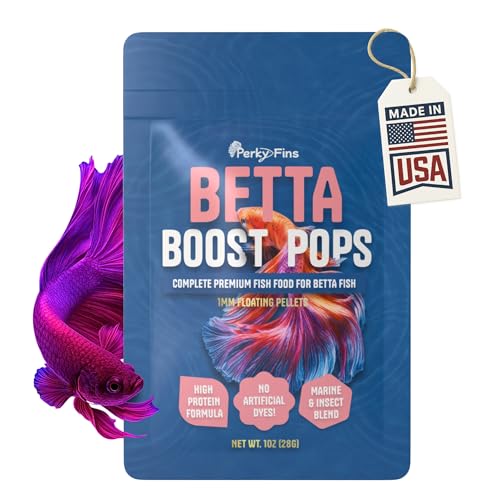
What We Like
- No corn, soy, or pea fillers
- Marine and insect protein blend
- Natural color enhancers, no artificial dyes
- Floats then slow-sinks for natural feeding
Trade-offs
- 1 oz bag is small for multiple bettas
Krill, shrimp, Pacific whiting, and Black Soldier Fly Larvae make this a high-protein carnivore formula with no corn, soy, or pea fillers. A natural color blend of spirulina, paprika, marigold, and astaxanthin helps support vibrant color without artificial dyes, and prebiotic yeast helps support balanced digestion.
At 1 oz, this bag is small for multiple bettas. Perky Fins adds insect protein and skips plant fillers entirely, unlike the shrimp-based Ultra Fresh option. If ingredient quality matters more than bag volume, this is a focused option.
Product photos
Sera Betta Granules
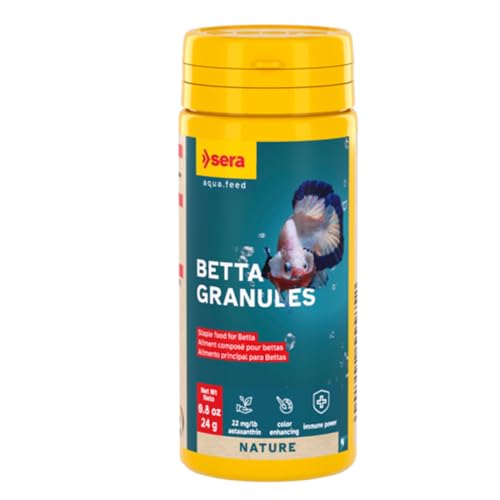
What We Like
- Soft slow-sinking pellets match natural feeding
- Prebiotics support digestion and nutrient absorption
- Astaxanthin enhances natural color without dyes
- Insect meal provides sustainable high-protein source
Trade-offs
- Only 6% insect meal limits protein diversity
- Not suitable for surface-feeding fish that prefer floating food
The 6% insect meal in these soft pellets is a concrete step toward sustainable protein, but it’s the prebiotics that set this formula apart for betta owners focused on digestive health. Prebiotics help your fish absorb more from every meal, which matters when you’re feeding a carnivore that can be prone to bloating and constipation. The slow-sinking shape also lets bettas eat in a more natural mid-water strike rather than gulping air at the surface, reducing swim bladder stress.
The 6% insect meal is a sustainable protein source, but if you’re looking for a formula with a higher insect-protein content, other options like Fluval Bug Bites may be worth considering. However, if your priority is a gentle, digestion-friendly pellet with color-supporting astaxanthin and no clouding of the water, this Sera formula delivers exactly that without the marketing fluff.
TetraBetta PLUS Floating Mini Pellets
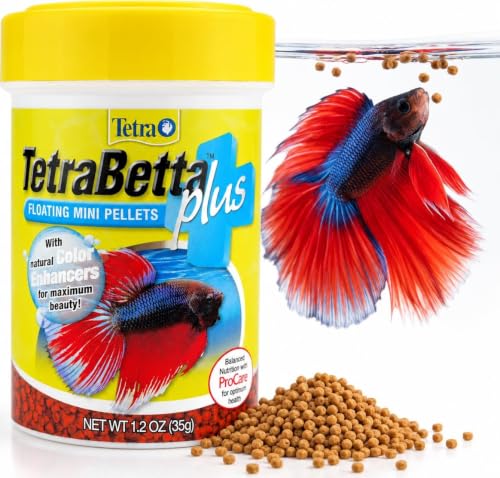
What We Like
- Natural color enhancers for vibrant coloration
- High protein and omega-3 for energy
- Floating crisps suit top-water feeders
- Clear water formula maintains tank clarity
Trade-offs
- Only 1.2 oz container for daily feeding
- Only suitable for top-water feeding fish
The natural color enhancers in TetraBetta PLUS Floating Mini Pellets are the key feature here, formulated to promote richer coloration in Siamese fighting fish. That makes this a strong choice if you want to bring out your betta’s reds and blues without resorting to artificial dyes. The high protein and omega-3 fatty acids support energy and growth, while the floating crisps match how bettas naturally feed at the surface. The clear water formula is a practical bonus, helping you see that color payoff without a cloudy tank.
The trade-off is portion size: at 1.2 ounces, this container is compact for a daily staple, so you’ll be reordering sooner than with larger bags. If you prioritize convenience and color enhancement, this pellet is a straightforward choice.
Product photos
Tetra BettaMin Select-A-Food Variety Pack

What We Like
- Three food formats in one can
- Color-enhancing formulation
- Easy-to-use dial dispenser
- Designed for daily feeding
Trade-offs
- Only 1.34 oz total volume
- No single-protein option for picky eaters
Three distinct food formats in one can, flakes, freeze-dried shrimp, and floating mini pellets, let you offer variety without buying separate containers. That dial dispenser on top makes switching between them straightforward, so you can tailor each feeding to your betta’s mood or nutritional needs. The color-enhancing formula and digestion support are nice bonuses for a daily staple, especially if you want to keep your fish looking vibrant without rotating multiple products.
Three foods in one can, flakes, freeze-dried shrimp, and floating mini pellets, let you offer your betta a varied diet without buying separate containers. The 1.34-ounce pack is compact, so it fits easily in a small cabinet or drawer. For keepers who want a single high-protein pellet, a dedicated option may stretch further, but this variety pack is designed for those who value rotation and convenience.
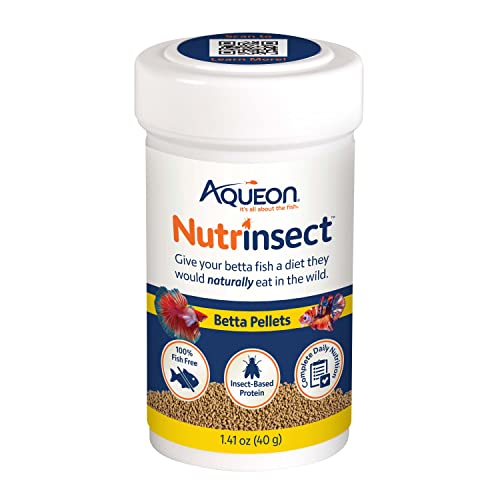
Aqueon Nutrinsect Betta Pellets
What We Like
- 100% fish-free formulation
- Insect-based proteins support growth
- Highly palatable for picky eaters
- Highly digestible, less waste
Trade-offs
- Not suitable for bettas that prefer shrimp-based foods
- Not ideal for bettas needing shrimp-based protein
A 100% fish-free formula built on insect-based proteins means this pellet skips the fishmeal and oils that dominate most betta foods, aiming for a diet closer to what they’d find in the wild. That matters if you’re skeptical of ocean-harvested ingredients or just want a protein source that doesn’t rely on whole fish. The digestibility claim also suggests less waste in the tank, which is a practical bonus for anyone tired of cloudy water.
The 1.41 oz jar is on the smaller side, so if you have multiple tanks or a heavy feeding schedule, you’ll restock sooner than with a larger bag. Unlike the shrimp-heavy option from Ultra Fresh, this one sticks entirely to insects. It’s a focused alternative for buyers who want to avoid any marine ingredients altogether, but the limited volume means it’s best for single-betta households.
New Life Spectrum Betta 25g

What We Like
- Naturally enhances color without hormones
- Garlic supports immune system health
- High-density nutrition reduces waste
- Small semi-floating pellets suit betta feeding
Trade-offs
- Semi-floating pellets not ideal for bottom-feeding tankmates
- Not suitable for fish that prefer sinking foods
A 25-gram jar of small semi-floating pellets means you get a concentrated, low-waste formula that keeps water cleaner between feedings. The protein base relies on easily digestible aquatic proteins and garlic for immune support, so your betta gets steady nutrition without fillers that cloud the tank. This formula naturally enhances color without added hormones, so the improvement comes from the fish’s own biology rather than artificial additives.
Portion size is the trade-off: at 25g, this jar is compact and suited for a single betta. If you’re focused on one fish and value clean ingredients over volume, the high-density nutrition means more feedings per jar and less waste. It’s a targeted tool, not a bulk bin.
Product photos
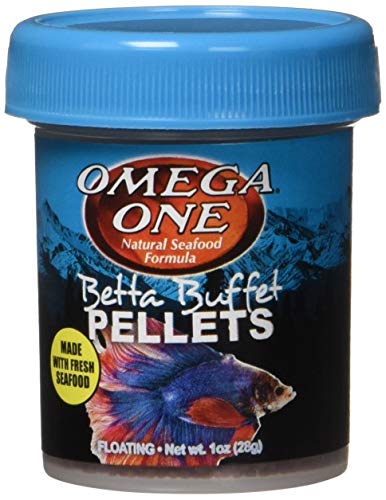
Omega One Betta Buffet Pellets
What We Like
- Made directly from fresh seafood
- 100% meal free
- Rich in Omega 3 & 6 Fatty Acids
- Natural beta carotenes for color enhancement
Trade-offs
- No insect or varied protein sources included
- Only 1 oz size for a single betta
The only dry fish food made directly from fresh seafood, this formula skips the meal fillers that bulk up most pellets. That means your betta gets a concentrated dose of Omega 3 and 6 fatty acids from real salmon and other seafood, not from processed byproducts. The natural beta carotenes in salmon also give a visible color boost over time, so you’re feeding for both health and appearance. For anyone who reads ingredient lists like I do, the absence of meal is the kind of straightforward honesty that makes you trust what’s in the bag.
These pellets are 100% meal-free and use only fresh seafood, which may not offer the variety some bettas get from other blends. If your fish is picky or you prefer a mix of protein sources, you might find the Omega One a bit narrow. But if you want a clean, high-omega diet that reduces water pollution, this is a strong pick.
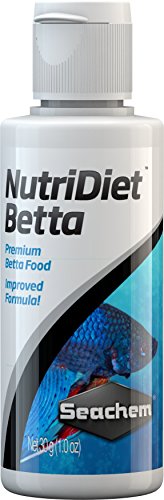
Seachem NutriDiet Betta
What We Like
- Krill-based protein source
- No low-value corn meal fillers
- Broad spectrum of nutrients
- Includes vitamins and minerals
Trade-offs
- Only one size option available
- Not for multi-tank setups
This betta food skips cheap corn meal filler, so every bite delivers protein, fat, carbohydrates, and a full vitamin-mineral spectrum rather than empty bulk. For someone who reads labels the way I do, that’s the difference between feeding your betta and just filling its stomach. It’s a straightforward formula aimed at owners who want a complete diet without guessing what’s left out.
You get a single 1.0 oz container, so if you have multiple tanks or a heavy feeding schedule, you’ll be reordering sooner than with a larger bag. Unlike the shrimp-based option from Ultra Fresh, this one uses krill as its base. That’s a personal preference call. For a betta keeper who values ingredient transparency over flashy packaging, this is a clean, no-nonsense pick.
How We Evaluated Betta Foods
We started by reading the ingredient panel on every formula, first ingredient, protein source, filler content, and any added probiotics or color enhancers. Manufacturer documentation told us the guaranteed analysis and pellet size, while patterns in owner feedback revealed which foods bettas actually eat and which ones cause digestive trouble.
The three criteria that mattered most were protein quality, digestibility, and feeding format. Bettas are obligate carnivores, so the first ingredient should be a named meat, insect, or seafood, not a grain or plant protein. Digestibility matters because undigested food fouls the water and can cause swim bladder issues. Feeding format determines whether a surface-feeding betta will actually eat the pellet before it sinks.
This is a research-led evaluation based on publicly available product data and aggregated owner experiences. We do not claim to have tested these foods ourselves, but we show our reasoning so you can check our conclusions against the bag in your own hand. For a deeper look at the different formats available, our guide to betta pellets covers the key differences between floating, sinking, and semi-floating options.
What To Look For In Betta Foods
A betta’s diet in the wild is mostly insects and larvae, so the best foods mimic that protein profile with minimal filler. The ingredient list tells you everything you need to know, start there, not with the marketing claims on the front of the bag.
Look for a named animal protein as the first ingredient, avoid corn, soy, or wheat fillers, and match the pellet size and sink rate to your betta’s feeding style. Probiotics and natural color enhancers are bonuses, not necessities.
Protein Source and Quality
The first ingredient should be a whole protein like shrimp, black soldier fly larvae, or krill, not a meal or by-product from an unnamed source. Whole-prawn-based foods like the Ultra Fresh Betta Pro Shrimp Patties deliver a higher biological value than foods built on plant proteins or generic fish meal. Insect-based proteins, like the black soldier fly larvae in Fluval Bug Bites, offer a sustainable alternative that closely matches a wild betta’s natural diet.
Pellet Size and Sink Rate
Bettas have small mouths and prefer to eat at the surface. Pellets that are too large can cause choking or regurgitation, while pellets that sink too fast may be ignored entirely. The 1.5mm granules in the Ultra Fresh formula work well for adult bettas, while the slow-sinking granules in the Fluval Bug Bites suit fish that feed at multiple depths.
Floating crisps like the TetraBetta PLUS work best for surface-only feeders. If you are unsure about portion sizes and frequency, our betta feeding guide walks through the basics of a healthy schedule.
Additives and Digestive Health
Probiotics and prebiotics support digestion and reduce waste, which keeps the water cleaner longer. The Ultra Fresh formula includes 3 million CFUs/g of probiotics, while the Sera Betta Granules use prebiotics for similar gut-health benefits. Natural color enhancers like astaxanthin and beta carotene can bring out a betta’s natural coloration without artificial dyes, but they are not necessary for a healthy fish.
- Check the guaranteed analysis for protein content, aim for at least 40% crude protein.
- Look for a named first ingredient, not “fish meal” or “poultry by-product.”
- Match the sink rate to your betta’s feeding behavior (surface, mid-water, or bottom).
- Avoid foods with corn, soy, or wheat listed in the first five ingredients.
- Consider probiotics if your betta has a history of bloating or digestive issues.
A betta that refuses a new food after three attempts likely needs a different protein source or pellet size, don’t force it.
Betta Foods Compared
The table below compares the protein source, key features, and best-use case for each of the ten betta foods on our list.
| Product | Protein Source | Format | Size |
|---|---|---|---|
| Ultra Fresh Betta Pro Shrimp Patties | 50% Sword Prawns + Akiami Paste Shrimps | Granule | 0.7 oz |
| Fluval Bug Bites Betta Granules | Black Soldier Fly Larvae | Slow-sinking micro granules (0.25-1.0mm) | 1.05 Oz. |
| Perky Fins Betta Boost Pops | Krill, shrimp, Pacific whiting, Black Soldier Fly Larvae | Floating & Slow-Sinking | 1oz |
| Sera Betta Granules | 6% insect meal | Soft, slow-sinking granules | 0.8 oz |
| TetraBetta PLUS Floating Mini Pellets | High protein & omega-3 | Floating mini pellets | 1.2 ounces |
| Tetra BettaMin Select-A-Food Variety Pack | N/A | Flakes, freeze-dried shrimp, floating pellets | 1.34 oz |
| Aqueon Nutrinsect Betta Pellets | Insect-based | Pellets | 1.41 oz |
| New Life Spectrum Betta 25g | Aquatic proteins + garlic | Small semi-floating | 25g |
| Omega One Betta Buffet Pellets | Fresh seafood | 1.5mm pellets | 1 oz |
| Seachem NutriDiet Betta | Krill | N/A | 1.0 oz |
Frequently Asked Questions
What is the best food to feed a betta fish?
The best betta food is a high-protein pellet with a named animal protein as the first ingredient and minimal fillers. The Ultra Fresh Betta Pro Shrimp Patties meet this standard with whole prawns and a high protein profile. Any food that lists shrimp, insect larvae, or krill first and avoids corn and soy is a good choice.
How often should I feed my betta fish?
Most adult bettas do well on two to three small pellets once or twice a day. Overfeeding is the most common mistake, bettas have tiny stomachs roughly the size of their eye, and uneaten food quickly degrades water quality. A weekly fast day can help prevent bloating and keep digestion on track.
Do betta fish need floating or sinking food?
It depends on your fish. Most bettas are surface feeders and prefer floating crisps or slow-sinking pellets they can catch near the top. Some individuals learn to eat sinking food, but if your betta ignores pellets that drop past its face, stick with a floating or semi-floating format.
Can betta fish eat flakes instead of pellets?
Flakes are less nutritionally dense than pellets and tend to disintegrate quickly, which fouls the water and makes it harder to control portion size. Pellets also hold their shape longer, so the fish gets more of the actual food and less dust. If you must use flakes, crush them into small pieces and feed sparingly.
What ingredients should I avoid in betta food?
Avoid foods that list corn, soy, wheat, or unnamed “fish meal” as the first or second ingredient. These fillers offer little nutritional value for a carnivorous fish and can cause digestive upset. Also skip artificial dyes, natural color enhancers like astaxanthin and beta carotene do the same job without unnecessary additives.
The Bottom Line
The Ultra Fresh Betta Pro Shrimp Patties are the best overall choice for most betta owners. The whole-prawn protein, probiotic support, and balanced 8:2 meat-to-vegetable ratio cover the nutritional bases without filler, and the 1.5mm granule size works well for adult fish. If your betta prefers insect protein, the Fluval Bug Bites Betta Granules are a strong alternative built on black soldier fly larvae.
Budget-conscious owners or those with picky eaters should look at the Perky Fins Betta Boost Pops for a filler-free ingredient list or the TetraBetta PLUS Floating Mini Pellets for a reliable color-enhancing staple. For a broader look at what is available, our comprehensive betta food guide covers more options across different price points and protein sources.
The single most important factor is the ingredient list. If the first ingredient is a named protein and the first five ingredients contain no corn, soy, or wheat, you are already ahead of most commercial betta foods. Start there, match the pellet size to your fish, and adjust based on how your betta responds.
