
5 Best Dry Food For Diabetic Cats in 2026
This post contains affiliate links. As an Amazon Associate, we earn from qualifying purchases.
The Purina Pro Plan Veterinary Diets DM Dietetic Management takes the Best Overall spot for diabetic cats because it combines low-carbohydrate glucose support with urinary crystal prevention in a single prescription formula. The Hill’s Prescription Diet m/d GlucoSupport earns our Best Veterinarian Recommended award, while the Nulo Freestyle Indoor Grain-Free is the Best High Protein Low Carb pick for owners who want an over-the-counter option.
Managing a diabetic cat’s blood sugar starts with what goes into the bowl, and dry food presents a particular challenge: it typically contains more carbohydrates than wet food, which can work against glucose control. The right dry food for a diabetic cat must deliver high protein, controlled carbohydrates, and often a veterinary prescription to ensure the formula supports rather than undermines medical management.
This guide is based on manufacturer specifications, veterinary nutrition guidelines, and patterns in owner feedback for five top-rated dry foods. We break down what each formula offers, who it’s best for, and the key criteria you need to check on the label.
Top 5 Dry Foods For Diabetic Cats in the Market
Certain content that appears on this site comes from Amazon. This content is provided "as is" and is subject to change or removal at any time.
The Best Dry Foods For Diabetic Cats, Reviewed
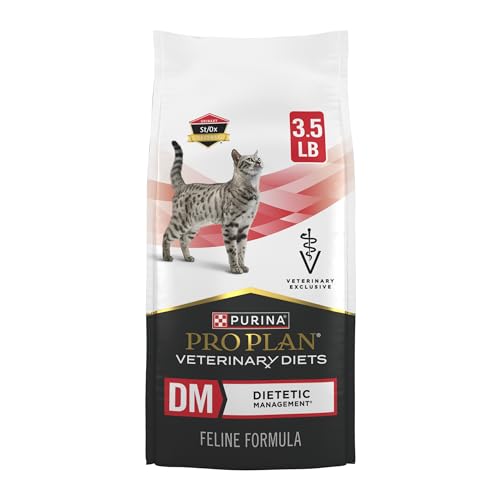
Purina Pro Plan Veterinary Diets DM Dietetic Management
What We Like
- Low carbohydrate for glucose support
- High protein maintains lean body mass
- St/Ox Defense against urinary crystals
- Rich in antioxidants
Trade-offs
- Requires a veterinary prescription to purchase
- Not suitable for cats without a diabetes diagnosis
A low-carbohydrate, high-protein formula that directly targets the metabolic needs of diabetic cats, this Purina Pro Plan Veterinary Diet uses St/Ox Defense to also reduce the risk of struvite and calcium oxalate crystals. That’s a common complication in cats with glucose regulation issues. The high protein content helps maintain lean body mass, which is critical when managing a cat’s weight alongside diabetes. For owners looking for a complete nutritional approach that doesn’t stop at blood sugar, this diet covers the urinary and muscle health angles in one bag.
If your vet has recommended a low-carb, high-protein diet for your cat, this Purina Pro Plan formula delivers exactly that while also promoting a urinary environment that discourages both struvite and calcium oxalate crystals. It’s a straightforward, no-nonsense option that does what the label says.
Product photos
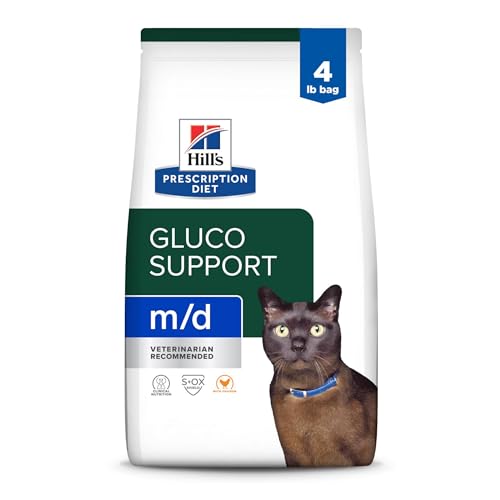
Hill's Prescription Diet m/d GlucoSupport
What We Like
- High protein, optimal carbohydrates for blood sugar
- Enriched with arginine for essential amino acids
- Clinically proven antioxidants support immune system
- Formulated by Hill's nutritionists and veterinarians
Trade-offs
- Prescription required, not available over the counter
- Requires a veterinary prescription to purchase
A 4-pound bag of clinical nutrition optimized to help cats lose weight and manage blood sugar means this is a targeted tool, not a general kibble. It’s built around high protein and optimal carbohydrates to support glucose control, with added arginine and clinically proven antioxidants. That makes it a strong fit for owners who want a veterinarian-formulated diet that addresses both weight and blood sugar directly, rather than a one-size-fits-all dry food.
The trade-off is the prescription requirement, which adds a step compared to non-prescription options like Nulo Freestyle Indoor Grain-Free. You’ll need a vet’s sign-off, but the formulation is designed specifically for diabetic cats, not just a low-carb alternative. Compared to Purina Pro Plan Veterinary Diets DM Dietetic Management, this Hill’s bag is slightly heavier at 4 pounds versus 3.5. Both require a prescription, so the choice comes down to which formula your cat tolerates best.
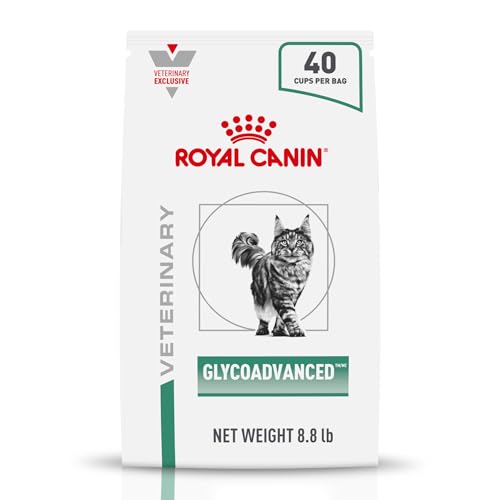
Royal Canin Veterinary Glycoadvanced
What We Like
- High protein helps maintain muscle mass
- Low calorie supports weight management
- Formulated for diabetic adult cats
- Highly appetizing poultry-based kibbles
Trade-offs
- Only available in dry kibble form
- Poultry-based recipe not suitable for all protein sensitivities
Managing a diabetic cat means balancing weight control and muscle preservation, and this formula tackles both with a high-protein, low-calorie recipe. The increased nutrient-to-calorie ratio supports safe, effective weight loss and healthy maintenance, which is key for diabetic cats. A special combination of aromas makes the poultry-based kibbles interesting at mealtime.
The trade-off here is that this is a dry kibble only, so if your cat needs a wet food texture for hydration or prefers a different protein source, you will need to look elsewhere. Compared to Purina Pro Plan Veterinary Diets DM Dietetic Management, which also offers a low-carb, high-protein approach, the Royal Canin option comes in a larger 8.8 lb bag. That makes it more practical for multi-cat households or long-term feeding. For owners who want a complete, calorie-controlled dry food that addresses both weight and glucose stability, this is a strong fit.
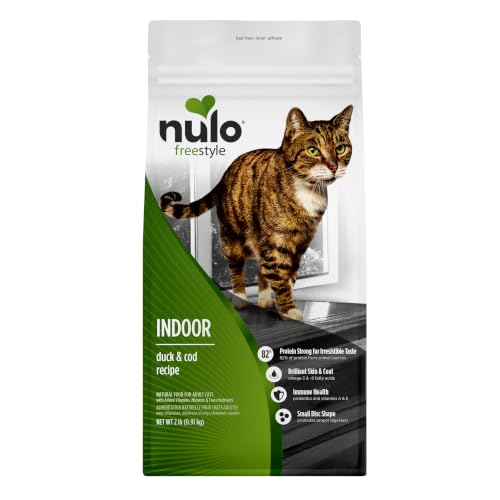
Nulo Freestyle Indoor Grain-Free
What We Like
- 82% animal-based protein supports lean muscle
- BC30 probiotics for digestive and immune health
- Omega-3 and -6 fatty acids for skin and coat
- No grain, corn, wheat, soy, or tapioca
Trade-offs
- Not a veterinary diet for clinical diabetes management
- Not suitable for diabetic cats needing clinical glucose support
The first ingredient is deboned duck, and 82% of its protein comes from animal sources, a meaningful detail when you’re looking to support lean muscle without starchy fillers. Nulo Freestyle Indoor Grain-Free is formulated with low carbohydrates and includes BC30 probiotics for digestive support, plus omega fatty acids for skin and coat. The prebiotic fibers aid nutrient absorption, and the grain-free recipe avoids corn, wheat, soy, rice, white potato, and tapioca. It suits owners who want a meat-first dry food with functional ingredients and no grains.
This is a non-prescription diet, not a veterinary therapeutic food. If your cat requires a clinically formulated diet for a specific medical condition, a prescription line may be more appropriate. Nulo’s formula is a high-protein, low-carb daily ration with solid nutritional fundamentals, but it does not carry the clinical calibration of prescription diets. The 2 lb bag is a compact size for smaller households or trial use. For owners who read labels carefully and want a non-prescription option with a meat-first ingredient list, this is a strong contender.
Product photos
Hill's Prescription Diet Multi-Organ Complex
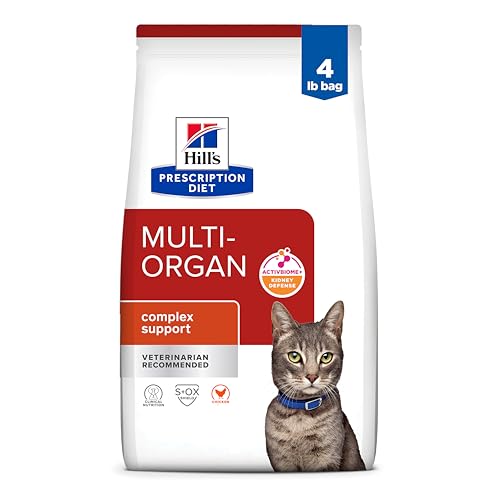
What We Like
- Supports kidneys, pancreas, heart, liver, bladder
- Balanced carbs, protein, mixed fiber for blood sugar
- #1 US Vet Recommended therapeutic pet food
- Formulated for diabetic cats with multiple issues
Trade-offs
- Prescription required, not an over-the-counter option
- Not suitable for cats without a diabetes diagnosis
This 4-pound bag of Hill’s Prescription Diet Multi-Organ Complex is built for cats that need more than just blood sugar management. It’s designed to support five vital organs at once, kidneys, pancreas, heart, liver, and bladder, alongside balanced carbohydrates, protein, and mixed fiber sources to help manage glucose. That makes it a practical pick if your cat has diabetes plus other health concerns that need simultaneous attention. The chicken recipe is straightforward, and it carries the #1 US Vet Recommended label for therapeutic pet food, so you’re not guessing about the formulation’s credibility.
This is a prescription diet, so you’ll need a vet’s approval before buying. For a cat with multiple organ issues, that extra step is worth it, but if your diabetic cat has no other organ problems, a simpler formula might be more appropriate.
Product photos
How We Evaluated Dry Foods For Diabetic Cats
This guide was built by analyzing manufacturer-published nutritional data, consulting veterinary nutrition resources, and reviewing patterns in owner-reported outcomes across commercial and prescription diets. The evaluation compares what the label and the literature say against what a diabetic cat actually needs.
Three criteria mattered most. First, carbohydrate content: a true diabetic diet keeps carbs low enough to minimize blood sugar spikes. Second, protein quality and quantity: high animal-based protein helps maintain lean muscle mass without adding unnecessary calories. Third, the formula’s intended use, prescription diets are formulated for clinical glucose management, while over-the-counter options may support general health without the same precision.
A research-led evaluation has limits. We cannot measure how an individual cat responds to a specific food, and we do not claim to replace a veterinarian’s advice. What we can do is give you the facts to have a more informed conversation with your vet.
What To Look For In Dry Foods For Diabetic Cats
Choosing a dry food for a diabetic cat means reading past the front-of-bag marketing and focusing on the guaranteed analysis and ingredient list. The right formula balances protein, carbohydrates, and fiber to support stable blood glucose.
Look for a dry food with at least 40% protein on a dry-matter basis, low carbohydrate content, and an animal protein source as the first ingredient. Prescription diets offer the most precise control, but some over-the-counter options can work for cats with milder needs.
Carbohydrate Content
Cats are obligate carnivores, they have no biological requirement for carbohydrates. A diabetic cat’s pancreas struggles to regulate blood sugar, so every gram of carbohydrate in the food matters. The best dry foods for diabetic cats keep carbohydrates low on a dry-matter basis, with some prescription formulas dipping below 12%. Compare the guaranteed analysis across brands; a food labeled “low carb” can still contain significant starch.
Protein Source and Percentage
High-quality animal protein should be the first ingredient and the primary calorie source. Look for named meats like chicken, turkey, or fish rather than vague “meat meal” or “poultry by-product.” A dry-matter protein content of 40% or more supports lean muscle maintenance without spiking glucose. Prescription diets often add arginine, an amino acid that supports insulin function and glucose metabolism.
Prescription vs. Over-the-Counter
Veterinary prescription diets are formulated with precise macronutrient ratios and are backed by clinical research. Over-the-counter foods like Nulo Freestyle can offer high protein and low carbs but lack the targeted glucose management of a prescription formula. Your vet should guide this choice based on your cat’s blood sugar levels and overall health.
- Check the guaranteed analysis for crude protein, crude fat, and crude fiber percentages
- Look for the phrase “complete and balanced” with an AAFCO statement for adult maintenance
- Verify the carbohydrate content by subtracting protein, fat, fiber, moisture, and ash from the total
- Confirm the first ingredient is a named animal protein, not a grain or plant protein
- Ask your veterinarian whether a prescription or over-the-counter diet is appropriate for your cat’s specific glucose levels
A good rule of thumb: if the carbohydrate content is high on a dry-matter basis, it is not a suitable daily food for a diabetic cat.
Dry Foods For Diabetic Cats Compared
The table below compares the five dry foods across the criteria that matter most for diabetic cats, carbohydrate control, protein content, and prescription status.
| Product | Protein Content | Carbohydrate Level | Weight | Key Feature |
|---|---|---|---|---|
| Purina Pro Plan Veterinary Diets DM Dietetic Management | High protein | Low carbohydrate | 3.5 lb | St/Ox Defense |
| Hill's Prescription Diet m/d GlucoSupport | High protein | optimal carbohydrates | 4.0 lb | GlucoSupport |
| Royal Canin Veterinary Glycoadvanced | High Protein Recipe | N/A | 8.8 lb | Blood Glucose Support |
| Nulo Freestyle Indoor Grain-Free | 82% Animal-Based Protein | Low carb | 2.0 lb | Probiotics BC30 |
| Hill's Prescription Diet Multi-Organ Complex | N/A | balanced carbohydrates | 4.0 lb | Multi-Organ Support |
Frequently Asked Questions
Is dry food bad for diabetic cats?
Dry food is not inherently bad, but it typically contains more carbohydrates than wet food, which can challenge blood sugar control. The right dry food for a diabetic cat is one with low carbohydrate content and high animal protein, ideally formulated as a veterinary diet. Many owners successfully use dry food as part of a managed feeding plan alongside insulin therapy.
What carbohydrate level is safe for a diabetic cat?
A safe carbohydrate level for a diabetic cat is low on a dry-matter basis, with many prescription diets targeting 12% or less. Even small differences in carbohydrate content can affect blood glucose readings. Check the guaranteed analysis and do the math, many foods marketed as “low carb” still contain significant carbohydrates.
Can a diabetic cat eat over-the-counter dry food?
Some over-the-counter dry foods with high protein and very low carbohydrates can work for diabetic cats with mild or well-managed diabetes, but they lack the clinical precision of prescription diets. Over-the-counter options like Nulo Freestyle can support general health, but they are not formulated for glucose management. Always consult your veterinarian before switching foods.
What ingredients should I avoid in dry food for diabetic cats?
Avoid dry foods with grains like corn, wheat, and soy as primary ingredients, as well as those with added sugars, molasses, or fruit-based sweeteners. High-starch vegetables like potatoes and peas can also contribute to carbohydrate load. The shorter and more meat-focused the ingredient list, the better.
How do I transition my diabetic cat to a new dry food?
Transition your diabetic cat slowly over a week to ten days by mixing increasing amounts of the new food with the old food. Monitor blood glucose readings daily during the transition, as any dietary change can affect insulin needs. Work with your veterinarian to adjust insulin dosage if glucose levels shift significantly.
The Bottom Line
The Purina Pro Plan Veterinary Diets DM Dietetic Management tackles two concerns at once. It supports glucose levels through low carbohydrates and helps prevent urinary crystals with St/Ox Defense. This prescription diet is ideal for owners who want a formula designed specifically for diabetic cats and are willing to work with their vet to get it.
If you prefer a veterinarian-recommended option with a strong clinical track record, the Hill’s Prescription Diet m/d GlucoSupport is the pick. For owners who want an over-the-counter high-protein, low-carb option without a prescription, the Nulo Freestyle Indoor Grain-Free delivers 82% animal protein and no grains.
The single most important buying factor is carbohydrate content. No matter which food you choose, verify the numbers on the label and confirm with your veterinarian that the formula supports your cat’s specific glucose management needs.
