
10 Best Dog Treats For Puppies in 2026
This post contains affiliate links. As an Amazon Associate, we earn from qualifying purchases.
The best dog treat for most puppies is the N-Bone Puppy Teething Rings, thanks to its soft, pliable texture that soothes sore gums while delivering DHA and calcium for healthy development. For training rewards, the Wellness Soft Puppy Bites provide DHA in a grain-free, bite-sized format, while the Pupford Soft & Chewy Training Treats keep calories under 2 kcal per piece for marathon sessions.
Every puppy owner faces the same dilemma: finding a treat that is safe for a developing digestive system, small enough for training, and appealing enough to hold a puppy’s short attention span. Texture, ingredient quality, and calorie density matter more for puppies than for adult dogs.
This guide is based on a review of manufacturer specifications, ingredient lists, and patterns in owner feedback across ten top-rated products. We focused on the criteria that matter most for a growing puppy: safety, nutrition, and practicality.
Top 10 Dog Treats For Puppies in the Market
Certain content that appears on this site comes from Amazon. This content is provided "as is" and is subject to change or removal at any time.
The Best Dog Treats For Puppies, Reviewed
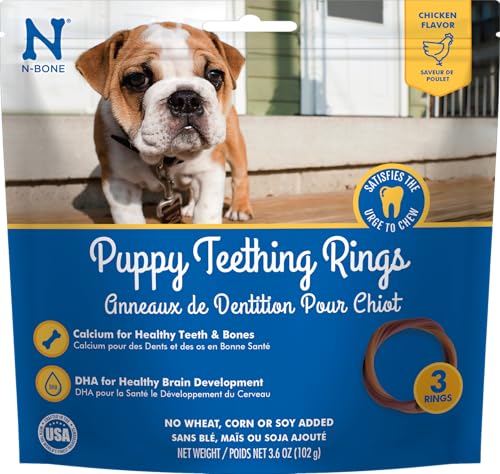
N-Bone Puppy Teething Rings
What We Like
- Soft, pliable texture soothes sore gums
- Enriched with DHA and calcium
- Fully edible and easy to digest
- No wheat, corn, soy, or artificial additives
Trade-offs
- Only one flavor option available
- Not suitable for puppies under 12 weeks
A soft, pliable ring shape that gently massages sore gums while satisfying a puppy’s natural urge to chew, that’s the core idea here, and it’s executed without the digestive worries of rawhide. The N-Bone Puppy Teething Rings are fully edible, made with chicken flavor, and skip wheat, corn, soy, and artificial stuff entirely. DHA supports brain development, calcium helps teeth and bones, so every chew pulls double duty as a training reward and a functional treat. This is the kind of straightforward, ingredient-first design that makes sense for any puppy owner dealing with the teething phase.
Designed specifically to soothe sore gums and satisfy chewing instincts during teething, the N-Bone Puppy Teething Rings are a more targeted choice than a general training treat like Wellness Soft Puppy Bites. You are limited to chicken flavor, and puppies under 12 weeks old will need to wait. For puppies past that age, this ring-shaped chew provides DHA for brain development and calcium for strong teeth and bones, all while helping redirect destructive chewing.
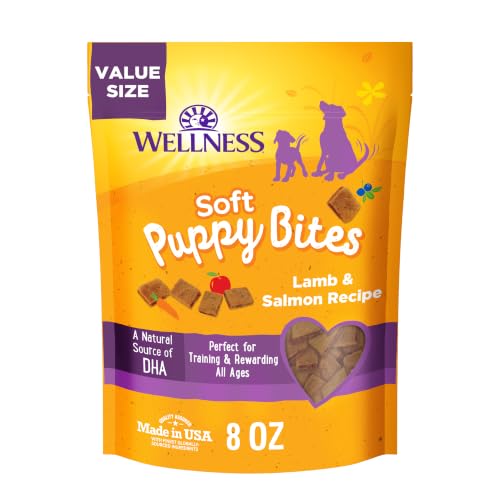
Wellness Soft Puppy Bites Training Treats
What We Like
- Salmon provides DHA for brain development
- Grain-free with no corn, wheat, or soy
- Soft, bite-sized for training rewards
- Made in the USA with quality ingredients
Trade-offs
- 6 calories per treat adds up during training
- Not suitable for puppies needing lower-calorie training rewards
At just 6 calories per piece, these soft bites let you reward frequently without blowing through your puppy’s daily calorie budget. The salmon-based DHA targets brain development during that critical early window, which is a smart nutritional move for a growing dog. The ingredient list includes lamb and salmon, with added vitamins for puppies, and skips corn, wheat, soy, and artificial colors entirely. That’s a recipe that matches what I’d look for in a training treat: grain-free, protein-forward, and made in the USA.
At 6 calories per treat, these are richer than many training rewards, so they’re best for occasional reinforcement rather than high-repetition sessions. The DHA from salmon supports brain development in growing puppies, and the soft, bite-sized texture makes them easy for small mouths to chew. Owners who prioritize grain-free, protein-rich ingredients with added vitamins for puppies will find these treats align with those needs.
Pupford Soft & Chewy Training Treats

What We Like
- Under 2 kcal per treat
- Only 7 simple ingredients
- Soft and chewy texture
- Bite-sized for quick rewards
Trade-offs
- Soft texture won't clean teeth
- Not suitable for puppies needing dental chews
At less than 2 calories per treat, this bag gives you over 250 tiny rewards without derailing a puppy’s daily calorie budget. That makes it a practical choice for frequent training sessions where you need to reinforce a behavior often. The soft, chewy texture means you can give a treat quickly and keep the session moving. The short ingredient list, just seven items starting with chicken, is exactly what I look for when I flip a bag over and start reading. This is a treat designed for training, not for filling a puppy up.
The trade-off is that the soft, crumbly texture won’t do anything for teething relief or dental scraping, which is where something like the N-Bone Puppy Teething Rings comes in. If your pup is in the middle of losing baby teeth, you might want a firmer chew for that purpose. But for training value, low calorie, high reward, and simple ingredients, this is a straightforward option in the guide.
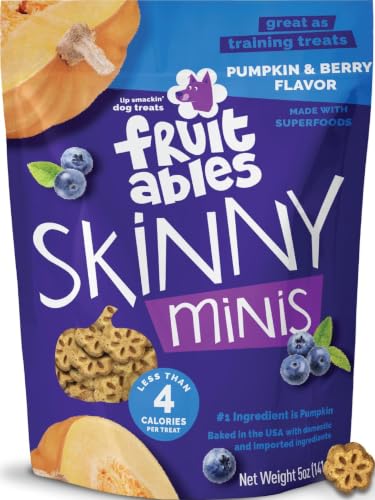
Fruitables Skinny Minis Training Treats
What We Like
- Under 4 calories per treat
- No wheat, corn, or soy
- Soft and chewy texture
Trade-offs
- Only one flavor variety listed
- Not suitable for teething puppies who need hard chews
With fewer than 4 calories per treat, these let you reward your dog repeatedly during a training session without wrecking its daily calorie limit. The soft, chewy texture and pumpkin plus fruit and vegetable ingredients support digestion, and the recipe contains no wheat, corn, or soy.
If your puppy is actively teething and needs something to gnaw on, you will want a separate chew product. For calorie-controlled training rewards with a clean ingredient list, these deliver exactly what the label promises.
Blue Buffalo Baby BLUE Training Treats

What We Like
- Real chicken as first ingredient
- Contains DHA for cognitive development
- No corn, wheat, or soy
- No artificial preservatives or colors
Trade-offs
- Only 4 oz bag, smaller than some competitors
- Not suitable for adult dogs or large breeds
Real chicken is the first ingredient here, which is exactly what you want to see on a puppy treat label. That, plus added DHA for cognitive development, makes these training morsels a smart pick if you’re focused on ingredient quality from day one. They’re tender and bite-sized, so they work well for quick reward-based training sessions without overloading a small puppy’s stomach.
The bag size is the trade-off: at 4 oz, it’s noticeably smaller than something like Wellness Soft Puppy Bites’ 8 oz bag, so you’ll go through it faster if you train frequently. But if you prioritize clean ingredients and a single recognizable protein source over volume, this is a straightforward choice. No corn, wheat, or soy, and no artificial preservatives or colors, the label says what it means.
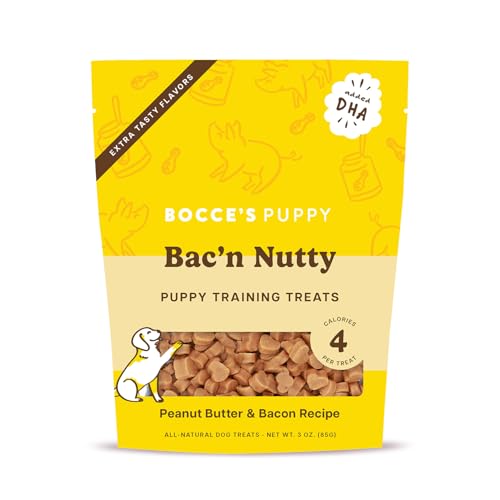
Bocce's Bakery Bac'n Nutty Training Treats
What We Like
- Low-calorie training bites (4 calories)
- Wheat, corn, and soy-free recipe
- No artificial ingredients or preservatives
- Oven-baked with limited ingredients
Trade-offs
- Only one flavor option available
- Small bag size for frequent training
At just 4 calories per bite, these training treats let you reward a puppy repeatedly without blowing through its daily calorie budget, critical for small breeds or pups prone to weight gain. The short, wheat-free ingredient list skips the corn, soy, and artificial additives that can upset sensitive stomachs, making them a smart pick for pups with dietary sensitivities. They’re oven-baked in the USA with real peanut butter and bacon flavor, so even picky puppies tend to stay engaged during a session.
The 3-ounce bag is a compact size that suits occasional training sessions or on-the-go use, but owners who train heavily may find themselves ordering more frequently. For those who prefer a different protein source, other training treats like Wellness Soft Puppy Bites offer lamb and salmon recipes. If ingredient transparency and low-calorie repetition are your priorities, these bites deliver exactly what the label promises.
Product photos
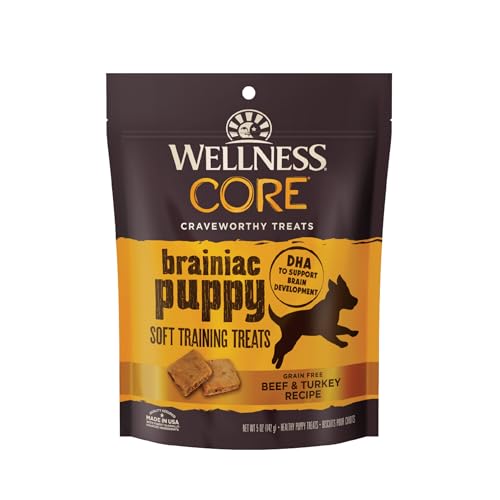
Wellness CORE Brainiac Soft Puppy Treats
What We Like
- Contains DHA from salmon oil
- Only 6 calories per treat
- Grain-free with no corn, wheat, soy
- Bite-sized soft texture for training
Trade-offs
- Beef and turkey recipe not suitable for all protein sensitivities
- Contains salmon oil which some dogs dislike
Each treat packs just 6 calories, so you can reward your puppy repeatedly during training without wrecking their daily food intake. The salmon oil delivers DHA to support healthy brain development, while the soft, bite-sized texture makes these ideal for quick rewards. Made in the USA with beef and turkey, the grain-free recipe avoids corn, wheat, and soy.
The 5 oz bag is smaller than some alternatives like Wellness Soft Puppy Bites Training Treats (8 oz). Also, the beef and turkey recipe means it won’t work for puppies with known sensitivities to those proteins. For owners who prioritize DHA support and clean ingredients, this is a straightforward option.
Product photos
Zuke’s Puppy Naturals Training Treats

What We Like
- Only 3 calories per treat
- Contains DHA and EPA for development
- No corn, wheat, or soy
Trade-offs
- Small 5 oz pouch limits quantity per bag
- Not suitable for adult dogs or heavy chewers
Three calories per treat means you can reward a puppy repeatedly without blowing through its daily calorie budget, critical during those early training sessions when you’re clicking through dozens of reps. The inclusion of DHA and EPA, both omega-3 fatty acids linked to brain and eye development, gives these tiny bites a nutritional edge over basic training treats that are just empty calories. Real salmon provides a protein source that’s often appealing to puppies, and the soft, chewy texture breaks apart easily for even the smallest mouths. This is a treat designed around the actual needs of a growing puppy, not just a shrunken version of an adult dog snack.
The soft, chewy texture makes these treats a reward, not a chew, so they’re perfect for quick training sessions where you need a fast, low-calorie motivator. At just 3 calories each, you can use several without wrecking your pup’s diet, and the resealable pouch keeps them fresh on the go. Reviewers note that the salmon recipe is a hit with picky puppies, and the DHA and EPA support brain and eye development during those critical early months.
Product photos
Nylabone Healthy Edibles Puppy Dog Treats

What We Like
- Formulated with DHA for brain development
- Made with all-natural ingredients
- Highly digestible for growing puppies
- Long-lasting chew for training
Trade-offs
- Only suitable for puppies under 15 lbs
- Only for puppies up to 15 pounds
Nylabone Healthy Edibles puppy treats are formulated with DHA to help support brain and eye development in growing puppies, making them a smart choice for small-breed owners who want a nutritional boost in a chew. These edible bones are made in the USA with no artificial preservatives, colors, or flavors, and the turkey and sweet potato flavor is described as an irresistible medley. They are designed as long-lasting chews that can also serve as training rewards, encouraging positive chewing habits.
These are specifically sized for extra-small puppies up to 15 pounds, so if you have a medium or large breed puppy, they won’t work. Compared to the N-Bone Puppy Teething Rings, which are chicken-flavored teething chews, the Nylabone bones are a different type of treat focused on DHA support and longer chewing. For owners of toy and small breeds who want DHA-fortified, natural chews that support development and double as training rewards, this is a focused solution.
Product photos
Pet Botanics Training Rewards Puppy Treats

What We Like
- Only 1.5 calories per treat
- Includes DHA for cognitive development
- Pumpkin supports digestion
- BotaniFits botanical blend with antioxidants
Trade-offs
- 4 oz bag is small for multiple training sessions
- Not suitable for adult dogs or teething puppies
At just 1.5 calories each, these are among the lightest training rewards you can find, which matters when you’re doling out dozens during a session and don’t want to blow through your pup’s daily ration. The DHA supports cognitive development in young dogs, and the pumpkin aids digestion, two features that are genuinely useful for a growing puppy. The BotaniFits blend includes antioxidant-rich blueberries, cranberries, carrots, and other botanicals, but the real draw here is the low calorie count paired with functional ingredients that actually serve a purpose beyond just tasting good.
Each treat packs just 1.5 calories, so you can reward your pup repeatedly without overfeeding. The soft, chewy texture breaks apart easily for tiny mouths, making it ideal for quick training sessions. Reviewers note the bag holds roughly 200 pieces, which suits focused training rather than all-day snacking.
Product photos
How We Evaluated Dog Treats For Puppies
We started by reviewing the ingredient lists and guaranteed analysis of each treat, paying close attention to added nutrients like DHA (an omega-3 fatty acid linked to cognitive development) and calcium for bone growth. Manufacturer documentation and expert round-ups from veterinary nutritionists informed our understanding of what makes a treat safe for puppies under one year old.
The four criteria that carried the most weight were calorie density, texture appropriateness, ingredient transparency, and the presence of developmental nutrients. Calorie density is critical for training without overfeeding. Texture matters because soft treats suit teething, while firm ones work for chewing. We also considered bag size and value, since puppies need frequent, small rewards.
A research-based evaluation has limits: our conclusions come from comparing specifications against established puppy nutrition guidelines and identifying consistent praise or concern in owner reports. We encourage you to check the bag against your own puppy’s needs.
What To Look For In Dog Treats For Puppies
Choosing a puppy treat means balancing nutrition, safety, and training practicality. The right texture, calorie count, and ingredient list will support growth without upsetting a sensitive stomach.
Look for treats under 4 calories each for training, with DHA for brain development and a soft texture for puppies under six months. Avoid corn, wheat, and soy, and always check the age recommendation on the bag.
Calorie Density and Portion Control
Puppies have small stomachs and high energy needs, but excess weight during growth can stress developing joints. Training treats should be very low in calories, ideally under 4 kcal per piece, so you can reward frequently without blowing the daily food budget. The Pupford Soft & Chewy Training Treats (under 2 kcal) and Pet Botanics Training Rewards (1.5 kcal) are examples of treats designed for high-volume use. Compare the calorie count on the bag to your puppy’s daily food intake and adjust meal portions accordingly.
Texture and Age Appropriateness
A puppy’s mouth changes rapidly between 8 weeks and 6 months. Soft, pliable treats like the N-Bone Puppy Teething Rings soothe sore gums during teething, while firmer chews like the Nylabone Healthy Edibles provide longer-lasting engagement for older puppies. Always check the minimum age on the packaging, some chews are not safe for puppies under 12 weeks. If you are unsure about what texture works best for your puppy’s stage, a texture comparison can help you match the treat to your puppy’s current needs.
Ingredient Quality and DHA Content
The ingredient list tells you more than the front of the bag. Look for a named protein source (chicken, salmon, beef) as the first ingredient, and check for added DHA, which supports brain and vision development in puppies. Avoid treats with corn, wheat, soy, artificial preservatives, or artificial colors, these offer no nutritional benefit and can trigger sensitivities. For a deeper look at what separates a premium option from a filler-heavy one, our guide to healthy puppy treats covers the specific nutrients a growing dog needs.
- Check the calorie count per treat, aim for under 4 kcal for training rewards.
- Confirm the minimum age recommendation on the packaging.
- Look for DHA or salmon oil in the ingredient list for cognitive support.
- Avoid corn, wheat, soy, and artificial additives.
- Choose a soft texture for puppies under 6 months and a firmer chew for older puppies.
A good rule of thumb: if you wouldn’t eat the ingredient list yourself, don’t feed it to your puppy.
Dog Treats For Puppies Compared
The table below compares all ten puppy treats side by side, highlighting calorie count, key ingredients, texture, and the best use case for each product.
| Product | Flavor | Key Nutrients | Texture |
|---|---|---|---|
| N-Bone Puppy Teething Rings | Chicken | DHA, Calcium | N/A |
| Wellness Soft Puppy Bites Training Treats | Lamb and Salmon | DHA | Soft |
| Pupford Soft & Chewy Training Treats | Chicken | N/A | Soft & chewy |
| Fruitables Skinny Minis Training Treats | Pumpkin & Berry | N/A | Soft & Chewy |
| Blue Buffalo Baby BLUE Training Treats | Savory Chicken | DHA | Tender Bite-Sized Morsels |
| Bocce's Bakery Bac'n Nutty Training Treats | PB & Bacon | N/A | N/A |
| Wellness CORE Brainiac Soft Puppy Treats | Beef and Turkey | DHA | Soft |
| Zuke’s Puppy Naturals Training Treats | Salmon | DHA and EPA | Soft and chewy |
| Nylabone Healthy Edibles Puppy Dog Treats | Turkey & sweet potato | DHA | N/A |
| Pet Botanics Training Rewards Puppy Treats | Peanut Butter | DHA | Chewy, Soft |
Frequently Asked Questions
When can I start giving my puppy treats?
Most puppies can start having soft training treats around 8 weeks of age, but always check the specific age recommendation on the packaging. Some teething chews, like the N-Bone Puppy Teething Rings, are not suitable for puppies under 12 weeks. Start with very small pieces to avoid choking and monitor your puppy’s reaction.
How many puppy treats can I give per day?
Treats should make up a small portion of your puppy’s daily calorie intake. For a small breed puppy eating a modest number of calories per day, that means only a few calories from treats. Low-calorie options like Pupford (under 2 kcal) or Pet Botanics (1.5 kcal) allow for more frequent rewards without overfeeding.
What is DHA and why is it important in puppy treats?
DHA (docosahexaenoic acid) is an omega-3 fatty acid that supports brain development, vision, and cognitive function in growing puppies. It is naturally found in fish oil and is added to many puppy-specific treats. Treats like the Wellness Soft Puppy Bites and Zuke’s Puppy Naturals include DHA to support learning and memory during the critical socialization period.
Are soft or crunchy treats better for teething puppies?
Soft treats are generally better for teething puppies because they soothe sore gums without causing pain. The N-Bone Puppy Teething Rings are designed specifically for this stage, with a pliable texture that massages gums as the puppy chews. Crunchy treats can be introduced once the adult teeth have come in, usually around six months of age.
Can I use puppy treats for training every day?
Yes, but choose a low-calorie option designed for frequent use. Training treats like the Wellness Soft Puppy Bites or Pupford Soft & Chewy Training Treats are small, soft, and low in calories. That makes them ideal for daily training sessions. Avoid using large chews or high-calorie treats as training rewards, as they can disrupt your puppy’s meal routine.
The Bottom Line
The N-Bone Puppy Teething Rings earn the top spot because they solve the most common puppy problem, sore gums during teething, while also delivering DHA and calcium for healthy development. They are fully edible, easy to digest, and free of wheat, corn, soy, and artificial additives. This is the treat to reach for when your puppy is chewing everything in sight.
If your primary need is training, the Wellness Soft Puppy Bites offer DHA in a grain-free, bite-sized format that works well for short sessions. For marathon training days where calories add up fast, the Pupford Soft & Chewy Training Treats (under 2 kcal) or Pet Botanics Training Rewards (1.5 kcal) let you reward freely without guilt.
The single most important factor in choosing a puppy treat is matching the texture and calorie density to your puppy’s age, size, and training needs. Read the ingredient list, check the calories, and pick the treat that fits your puppy’s current stage, not the one with the cutest packaging.
