
4 Best Dog Food For Yeast Overgrowth in 2026
This post contains affiliate links. As an Amazon Associate, we earn from qualifying purchases.
The best dog food for yeast overgrowth is Ps for Dogs Hypoallergenic Dog Food, thanks to its low-glycemic formula that directly reduces the fuel yeast needs to thrive. For owners who prefer a human-grade, limited-ingredient diet, The Honest Kitchen Wholemade Fish Dehydrated Dog Food is a strong alternative. Dr. Pol Limited Ingredient Chicken Dog Food offers a budget-friendly option with digestive support.
Yeast overgrowth in dogs often shows up as persistent paw licking, musty skin odor, and recurrent ear infections. Managing it starts with the diet, since yeast feeds on sugars and starches. Choosing a food with a single, novel protein and low-glycemic carbohydrates can help starve the yeast while supporting your dog’s overall health.
We evaluated these foods by analyzing their ingredient lists, protein sources, carbohydrate profiles, and the presence of probiotics or prebiotics. This guide is based on manufacturer specifications, expert veterinary nutrition round-ups, and patterns in owner feedback. Our goal is to help you identify the right formula for your dog’s specific needs.
Top 4 Dog Foods For Yeast Overgrowth in the Market
Certain content that appears on this site comes from Amazon. This content is provided "as is" and is subject to change or removal at any time.
The Best Dog Foods For Yeast Overgrowth, Reviewed
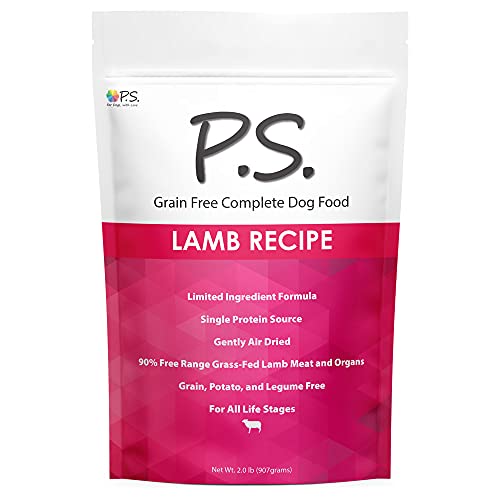
Ps for Dogs Hypoallergenic Dog Food
What We Like
- Low glycemic formula reduces yeast growth
- Limited ingredient lamb for sensitive dogs
- Air-dried texture for picky eaters
- Made in New Zealand in small batches
Trade-offs
- Only 2 lb bag, smaller than most competitors
- Single-protein formula limits rotation for dogs needing variety
The low-glycemic, grain-free formula directly targets the yeast overgrowth that drives paw licking and skin itching, the specific mechanism that makes it stand out for this condition. With human-grade New Zealand lamb as the sole protein source and an air-dried texture that picky dogs actually want to eat, this is a tightly focused solution for dogs whose allergies manifest as yeast problems. It suits owners who want a complete diet that addresses the root cause rather than just masking symptoms with additives or prescription foods.
The trade-off is size: at just 2 pounds, this bag is noticeably smaller than the 10- or 12-pound bags from The Honest Kitchen or Dr. Pol, which means more frequent reordering for a larger dog. The single-protein approach also limits rotation options if your dog needs variety, though for elimination diets that’s actually a feature. If you have a small dog or need a targeted yeast-control food that works as a treat or complete meal, this fills that niche better than the broader limited-ingredient kibbles on the market.
Product photos
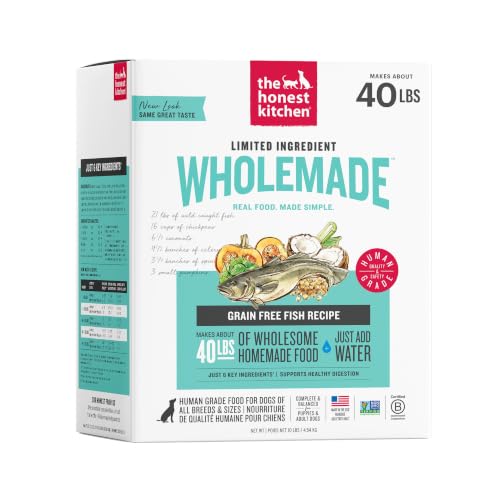
The Honest Kitchen Wholemade Fish Dehydrated Dog Food
What We Like
- Single source wild-caught white fish protein
- Only 6 allergy-friendly whole food ingredients
- Human grade dehydrated format
- No corn, wheat, soy, or artificial additives
Trade-offs
- Requires warm water and wait time to rehydrate
- Not suitable for dogs that need a high-protein recipe above 26%
Six ingredients is the kind of short list that makes a label-reader pause and actually check each one. That single source of wild-caught white fish means fewer potential protein triggers for a dog dealing with yeast overgrowth, and the whole food fiber from pumpkin and chickpeas supports digestion without relying on cheap fillers. The dehydrated format keeps the food shelf-stable and lightweight, which matters if you travel or just want to store a box without refrigeration. This is the pick for someone who wants to strip away every ingredient that doesn’t pull its weight.
The Honest Kitchen Wholemade Fish Dehydrated Dog Food needs warm water and a few minutes to rehydrate, so it is not as instant as kibble. Compared to the Wellness Simple Turkey and Potato kibble, this recipe uses fish instead of poultry, which can be a different protein option for dogs with sensitivities. The chickpeas and coconut in the mix are part of the limited ingredient list, and if your dog can handle those, the ingredient list here is about as transparent as it gets.
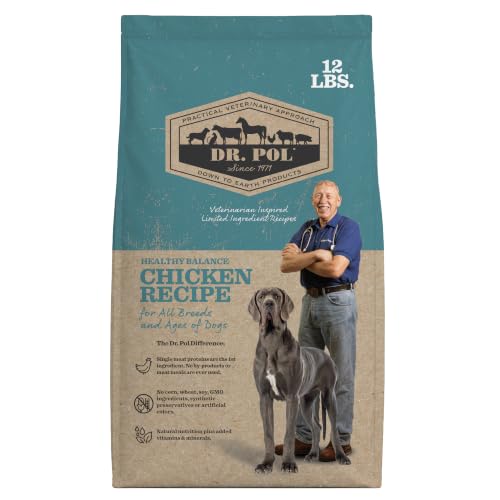
Dr. Pol Limited Ingredient Chicken Dog Food
What We Like
- Single meat source reduces allergy triggers
- Explicitly free of yeast and GMOs
- Includes prebiotic and probiotic blend
- Vet-formulated for sensitive stomachs
Trade-offs
- Contains brown rice, not grain-free
- 12 lb bag is small for large breeds
- Chicken is a common allergen for some dogs
A 12-pound bag of single-source chicken protein that is explicitly free of yeast, GMOs, and synthetic preservatives makes this a straightforward option for dogs with yeast overgrowth. Dr. Pol formulated it around a limited ingredient list, real chicken and brown rice, with added prebiotics and probiotics to support digestive health. This delivers a clean, no-fuss kibble based on the listed ingredients.
Dr. Pol Limited Ingredient Chicken Dog Food uses brown rice as a gentle carbohydrate, but it is not grain-free. That matters if your dog’s yeast issues are tied to grains. The 12-pound bag is a single size option. If you need a grain-free option, the other products listed include The Honest Kitchen’s fish recipe, which is labeled grain free. But for a yeast-free, single-protein starter food, this does what it says on the label.
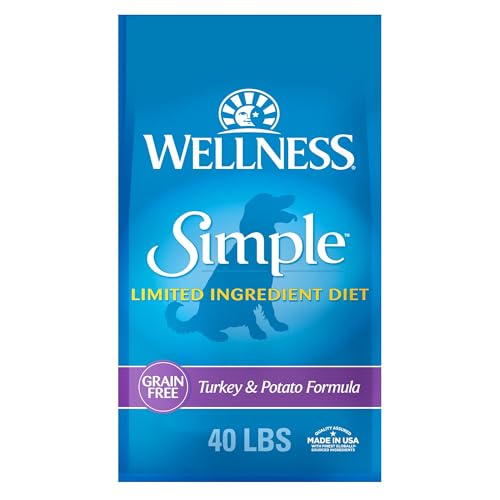
Wellness Simple Limited Ingredient Turkey and Potato Dog Food
What We Like
- Single turkey protein source
- Grain free with potato carbs
- No corn, wheat, or soy
- Contains prebiotics and omega fatty acids
Trade-offs
- Manufactured in facility that processes grains
- 40-pound bag is heavy for small households
A single turkey protein source paired with potato carbohydrates cuts down on potential dietary triggers in each bowl, making this a sensible starting point if you’re narrowing down what might be causing food sensitivities. The recipe is free of corn, wheat, and soy, and it includes natural prebiotics for digestive health plus omega fatty acids for skin and coat support. Owners report that the straightforward ingredient list delivers on its label claims without extra fillers.
Wellness Simple Limited Ingredient Turkey and Potato Dog Food is made in a facility that also processes grains, so if your dog has an extreme sensitivity to trace grain contamination, this bag may not be strict enough for you. Compared to Ps for Dogs Hypoallergenic Dog Food, which comes in a 2-pound bag, the Wellness Simple gives you volume and a more standard kibble format. That makes it better suited for owners who want a large bag to feed a limited-ingredient diet without switching to a smaller-portion brand.
Product photos
How We Evaluated Dog Foods For Yeast Overgrowth
Our evaluation focused on the nutritional factors that directly influence yeast growth in dogs. Yeast (typically Malassezia) thrives on sugar and simple carbohydrates, so we prioritized foods with low-glycemic ingredients and minimal starch. We also looked at protein sources, since many dogs with yeast overgrowth also have underlying food allergies. We reviewed manufacturer specifications, consulted expert veterinary nutrition round-ups, and analyzed patterns in owner-reported outcomes.
The three criteria that mattered most were: protein source and novelty, carbohydrate type and glycemic load, and the presence of added digestive supports like probiotics. A single, uncommon protein reduces the chance of triggering an allergic response that can weaken the skin barrier. Low-glycemic carbs like lentils or potatoes provide energy without spiking blood sugar. Prebiotics and probiotics help maintain a healthy gut microbiome, which can crowd out yeast.
A research-led evaluation has limits: we cannot replicate the unique immune response of each dog. What works for one may not work for another, especially when underlying allergies or thyroid issues are involved. We recommend consulting your veterinarian before making a major diet change, particularly if your dog has recurrent yeast infections. The best food for dogs with yeast infections is the one that matches your dog’s specific protein tolerance and carbohydrate sensitivity.
What To Look For In Dog Foods For Yeast Overgrowth
When shopping for a diet to manage yeast, focus on the protein source and the carbohydrate profile first. The right combination can reduce the fuel yeast needs while supporting skin health.
Choose a single, novel protein source and a low-glycemic carbohydrate. Avoid foods with yeast, sugar, or high-starch fillers like corn, wheat, and rice. Look for added probiotics or prebiotics to support gut balance.
Protein Source and Novelty
A single protein source reduces the chance of an allergic reaction that can weaken the skin barrier. Novel proteins, like lamb, white fish, or turkey, are less likely to trigger a response in dogs that have eaten chicken or beef for years. The Ps for Dogs formula uses lamb, while The Honest Kitchen uses wild-caught white fish. Dr. Pol uses chicken, which is a common allergen, so it may not suit every dog. Wellness Simple uses turkey, a good option for dogs that have not reacted to poultry.
Carbohydrate Profile and Glycemic Load
Yeast feeds on sugar, and carbohydrates break down into sugar during digestion. Low-glycemic carbohydrates like lentils, chickpeas, and potatoes provide energy without a rapid blood sugar spike. Avoid foods with corn, wheat, rice, or added sugars. The dry dog food options we selected use potato or lentil-based carbs rather than grains, which helps keep glycemic load low.
Digestive Support Additives
Probiotics and prebiotics help maintain a healthy gut microbiome. A balanced gut can limit yeast overgrowth by crowding out opportunistic organisms. Dr. Pol’s formula includes a prebiotic and probiotic blend. Wellness Simple contains prebiotics as well. These additions are not essential, but they can support the dietary changes you are making.
- Check the ingredient list for “yeast” or “brewers yeast” as an additive, these should be absent.
- Look for a single protein source to simplify elimination diets.
- Verify that the carbohydrate source is listed as a low-glycemic option like lentils, chickpeas, or potatoes.
- Confirm the food is free of corn, wheat, soy, and artificial preservatives.
- Consider the preparation time: dehydrated foods require rehydration, while kibble is ready to serve.
A diet that starves yeast while supporting the skin barrier is the foundation of long-term management.
Dog Foods For Yeast Overgrowth Compared
The table below compares the four top picks across the criteria that matter most for managing yeast overgrowth: protein source, carbohydrate type, and key dietary features.
| Product | Protein Source | Form | Grain Content | Key Feature |
|---|---|---|---|---|
| Ps for Dogs Hypoallergenic Dog Food | Human-grade New Zealand Lamb | Air-dried soft pieces | Grain-free | Low glycemic |
| The Honest Kitchen Wholemade Fish Dehydrated Dog Food | Wild-caught white fish | Dehydrated (makes 40 lb) | Grain Free | 6 key ingredients |
| Dr. Pol Limited Ingredient Chicken Dog Food | Real Chicken | Dry kibble | Corn-free | Free of yeast |
| Wellness Simple Limited Ingredient Turkey and Potato Dog Food | Turkey | Dry kibble | Grain Free | Limited ingredient |
Frequently Asked Questions
What ingredients should I avoid in dog food for yeast overgrowth?
Avoid foods that contain yeast, brewers yeast, sugar, corn, wheat, rice, and high-glycemic starches like white potatoes or tapioca. These ingredients provide fuel for yeast growth. Also avoid foods with multiple protein sources, which make it harder to identify potential allergens that may be contributing to the problem.
How long does it take for a new diet to reduce yeast symptoms in dogs?
Most owners report noticeable improvement in skin and ear symptoms within two to four weeks of switching to a low-glycemic, single-protein diet. Complete resolution can take six to eight weeks, depending on the severity of the overgrowth and whether underlying allergies are present. Consistency is key, any dietary slip can reintroduce the sugars yeast needs.
Can a grain-free diet help with yeast overgrowth?
Grain-free diets can help if the grains in question are high-glycemic, like corn or rice. However, grain-free does not automatically mean low-glycemic. Some grain-free foods use potatoes or tapioca, which still spike blood sugar. The carbohydrate source matters more than the absence of grains. Lentils and chickpeas are better options for managing yeast.
Is a raw diet better than kibble for dogs with yeast problems?
A raw diet can be beneficial because it is naturally low in carbohydrates and high in protein, which starves yeast. However, raw diets require careful handling to avoid bacterial contamination and must be nutritionally balanced. The diet for dogs with yeast problems should be chosen based on your ability to prepare it safely and your dog’s specific health needs.
Should I switch food gradually when treating yeast overgrowth?
Yes, a gradual transition over seven to ten days is recommended to avoid digestive upset. Mix increasing amounts of the new food with decreasing amounts of the old food. If your dog has severe yeast symptoms, your veterinarian may recommend a faster switch under medical supervision to reduce yeast die-off reactions.
The Bottom Line
The best overall choice for managing yeast overgrowth is Ps for Dogs Hypoallergenic Dog Food. Its low-glycemic lamb formula directly reduces the fuel yeast needs, and the air-dried texture appeals to picky eaters. This is the pick for owners who want a targeted, single-protein diet and are willing to buy smaller bags.
If you need a larger bag at a lower cost, Wellness Simple Limited Ingredient Turkey and Potato Dog Food offers a 40-pound bag of grain-free, single-protein kibble with prebiotics. For a budget-friendly option with digestive support, Dr. Pol Limited Ingredient Chicken Dog Food is a choice to consider, just confirm your dog tolerates chicken. The Honest Kitchen Wholemade Fish Dehydrated Dog Food is ideal for owners who prefer a human-grade, minimally processed diet and do not mind the rehydration step.
The single most important factor is choosing a food with a low-glycemic carbohydrate and a protein your dog has not reacted to before. That combination gives you the best chance of reducing yeast symptoms without needing supplements or medications.
