
8 Best Dog Food For Weight Maintenance in 2026
This post contains affiliate links. As an Amazon Associate, we earn from qualifying purchases.
For dogs that need to maintain a healthy weight without losing muscle, Hill’s Science Diet Perfect Weight Dry Dog Food earns our top recommendation. Its breakthrough formula supports cell function at the cellular level. For owners who want chicken as the first ingredient, the Best Chicken-First Weight Control pick from Blue Buffalo delivers. Those looking for a wet food option should consider the Best Wet Food For Weight Loss choice from Purina Pro Plan.
The challenge with weight maintenance dog food is finding a formula that reduces calories without leaving your dog hungry or losing lean muscle. Many low-calorie foods cut fat but also cut protein, which can backfire by reducing metabolism. The right food keeps your dog satisfied with fewer calories while preserving muscle mass.
This guide evaluates eight dog foods for weight maintenance based on manufacturer specifications, ingredient reviews, and patterns in owner feedback. We focus on calorie density, protein-to-fat ratio, fiber content, and ingredient quality to help you choose the right formula for your dog’s specific needs.
Top 8 Dog Foods For Weight Maintenance in the Market
Certain content that appears on this site comes from Amazon. This content is provided "as is" and is subject to change or removal at any time.
The Best Dog Foods For Weight Maintenance, Reviewed
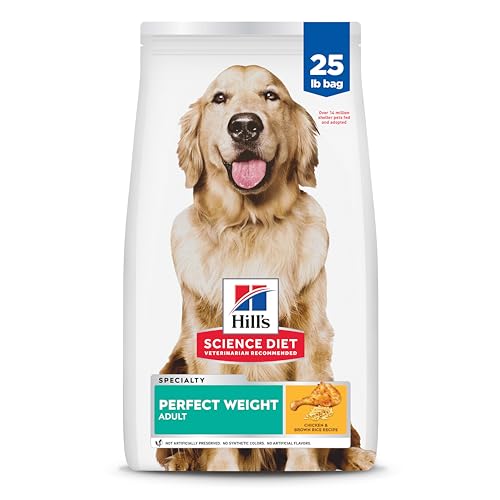
Hill's Science Diet Perfect Weight Dry Dog Food
What We Like
- Breakthrough formula for cell function
Trade-offs
- Only available in 25 lb bag
- Results take up to 10 weeks
Compared to Purina ONE Plus Healthy Weight, which uses high protein for weight control, this food works through a different mechanism focused on cell function. The 10-week window for visible results means it’s not a quick fix, but the brand’s reputation as the US veterinarians’ #1 recommended choice offers reassurance. Owners who prefer a science-backed approach over rapid changes will appreciate the deliberate pace.
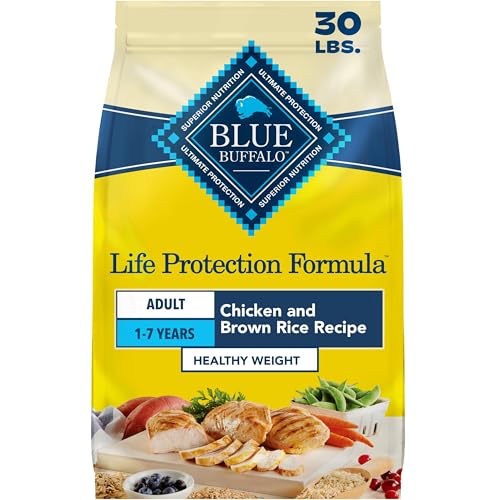
Blue Buffalo Life Protection Healthy Weight Dog Food
What We Like
- Real chicken is first ingredient
- Includes glucosamine for joint support
- No corn, wheat, or soy
- Omega 3 & 6 for skin and coat
Trade-offs
- 30.3 lb bag is heavy to handle
- No breed-specific kibble design
Real chicken appears as the first ingredient, which means the protein base is a named meat rather than a meal or by-product. That detail matters when you’re trying to maintain lean muscle mass while managing calories. The formula also includes glucosamine for joint health, a practical addition for adult dogs whose weight maintenance often goes hand-in-hand with mobility. This recipe is free of corn, wheat, and soy, and includes Omega 3 and 6 fatty acids for skin and coat health, making it a straightforward option for owners who want a chicken-first recipe with added joint support and a clean ingredient list.
The bag weight is a consideration: at 30.3 pounds, it’s comparable to the Royal Canin Labrador Retriever Adult Dry Dog Food in heft, but without the breed-specific kibble shape that some dogs prefer. If your dog does fine with a standard kibble and you prioritize a named meat first ingredient over grain-inclusive formulas like Hill’s Science Diet Perfect Weight, this Blue Buffalo offering gives you a clear, simple protein story with joint care built in.
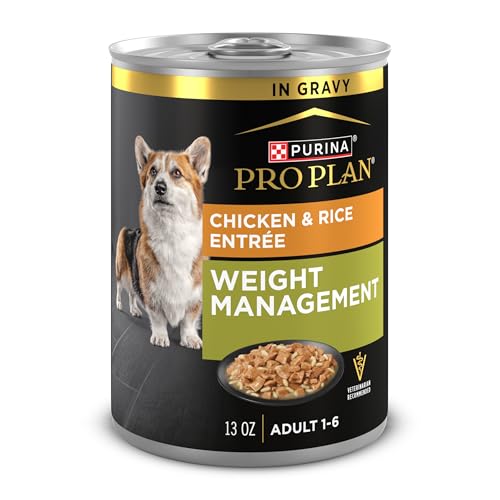
Purina Pro Plan Weight Management Wet Dog Food
What We Like
- Helps maintain muscle mass during weight loss
- No artificial colors, flavors or preservatives
- Made at Purina-owned U.S. facilities
Trade-offs
- Wet food only; no dry kibble option in this line
- Not suitable for dogs needing dry food for dental health.
This is strictly a wet food in gravy, so if your dog prefers a pâté texture or you like to mix kibble and wet, you will be managing two separate products. Compared to the Nutrish Healthy Weight Wet Dog Food Paté, which offers a turkey and pumpkin formula, this Purina Pro Plan option delivers a gravy-based meal with a specific fat-reduction claim tied to a named baseline product. For dogs that enjoy gravy, this is a straightforward choice; for those that prefer a different texture, the Nutrish paté might be a better fit.
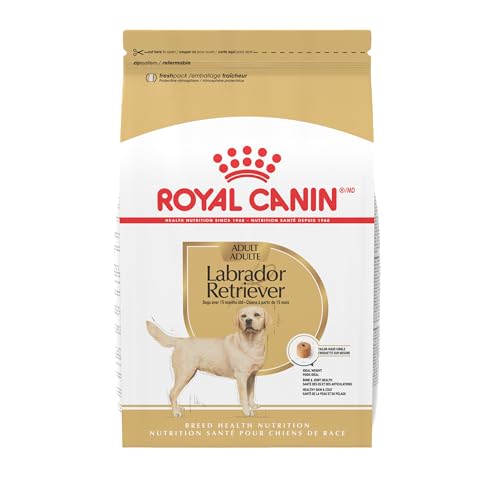
Royal Canin Labrador Retriever Adult Dry Dog Food
What We Like
- EPA, DHA, glucosamine support joint health
- Formulated for Labrador Retriever weight maintenance
- Calibrated calories and fat for weight maintenance
Trade-offs
- Only for Labrador Retrievers 15 months and older
- Breed-specific formula limits other dog types
This precision comes with a narrow target. If your household has a mixed-breed dog or a Lab puppy, this bag won’t work for them, it’s strictly for adult Labs. Compare that to Hill’s Science Diet Perfect Weight, which is for adult dogs of any breed. But if your Lab is the only four-legged mouth to feed and you’ve watched it scarf down meals in seconds, the donut-shaped kibble and breed-specific nutrient ratios address two real concerns at once.
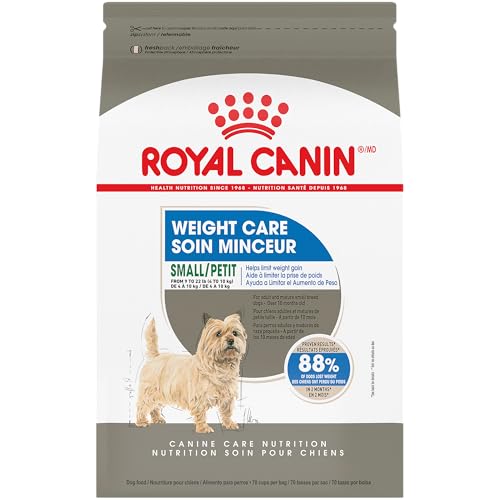
Royal Canin Small Dog Weight Care Dry Dog Food
What We Like
- 88% of dogs lost weight in 2 months
- L-carnitine supports fat metabolism
- Fiber blend helps dogs feel full
- Adapted protein maintains muscle mass
Trade-offs
- Only for small dogs 9-22 lb
- Targets slightly overweight, not obese dogs
- Dry kibble only, no wet option
Eighty-eight percent of slightly overweight small dogs fed this kibble dropped weight within two months, a statistic that gives you a concrete baseline rather than vague promises. That result comes from a formula built around L-carnitine to nudge fat metabolism and an adapted protein level meant to preserve lean muscle while the pounds come off. The fiber blend is there to keep a small dog feeling full between meals, which matters for breeds that tend to act hungry even when they are not.
This food commits to a narrow size range, 9 to 22 pounds, so if your dog falls outside that window, you are looking at the wrong bag. Compared to the Hill’s Science Diet Perfect Weight, which covers a broader weight spectrum, the Royal Canin is the more precise option for toy and small breeds that need portion control tailored to their smaller frames. The 13-pound bag is manageable for a single small dog but means more frequent repurchasing than a larger bag from a general-weight formula. If your dog fits the target, the numbers back the design.
Product photos
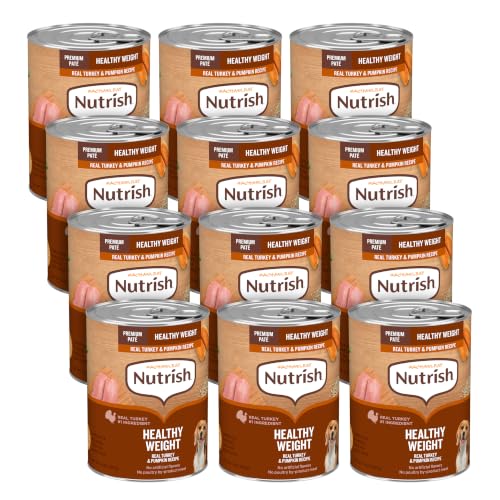
Nutrish Healthy Weight Wet Dog Food Paté
What We Like
- Real turkey is first ingredient
- L-Carnitine supports healthy metabolism
- No artificial preservatives or flavors
- No poultry by-product meal
Trade-offs
- Wet food only: less convenient than dry
- 12-pack cans take pantry space
- Single protein recipe limits rotation
Real turkey as the first ingredient means this wet pate puts protein front and center, not filler. With L-Carnitine added to support healthy weight and metabolism, it targets weight maintenance without relying on corn, wheat, or soy. That combination makes it a straightforward option for owners who want a turkey-first recipe and prefer wet food’s moisture content over dry kibble.
The most important thing to know is that this is a wet food, so if you’re used to scooping dry kibble, you’ll need to get comfortable with opening cans and portioning out servings. Compared to Purina Pro Plan Weight Management Wet Food, which also comes in a 13-ounce can, Nutrish is a natural dog food with no added corn, wheat, or soy ingredients. For anyone who reads ingredient lists and wants real turkey as the first ingredient, this fits a specific need.
Product photos
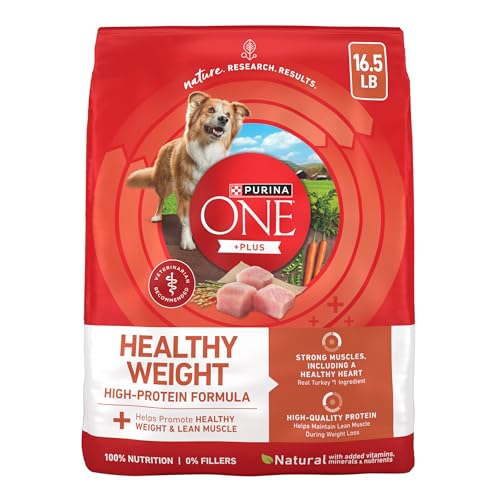
Purina ONE Plus Healthy Weight Dry Dog Food
What We Like
- Real turkey is the first ingredient
- High-protein formula supports lean muscle
- Fiber-rich to help dogs feel full
- Includes omega-6 for skin and coat
Trade-offs
- Not suitable for dogs needing a wet food diet
- Only one protein source (turkey) limits variety
Real turkey as the first ingredient is the single most telling detail on this bag. That means the protein comes from a named meat source rather than a vague meal or by-product, and at 16.5 pounds it is a practical size for a single-dog household that does not want to store a 30-pound sack under the counter. The high-protein, fiber-rich formula is designed to keep a dog feeling full while supporting lean muscle, which is exactly the balancing act weight maintenance requires. For an owner who reads ingredient lists before marketing claims, this is a straightforward, no-nonsense option.
Bag size is the main consideration here. At 16.5 pounds, it is a practical size for a single-dog household that does not want to store a 30-pound sack under the counter. The smaller bag works in favor of freshness, dry food stays palatable longer when it is not sitting open for weeks. Compared to the Hill’s option, which relies on a chicken-and-brown-rice base, Purina ONE leads with turkey as the first ingredient, which suits owners who prioritize a named meat source.
Product photos
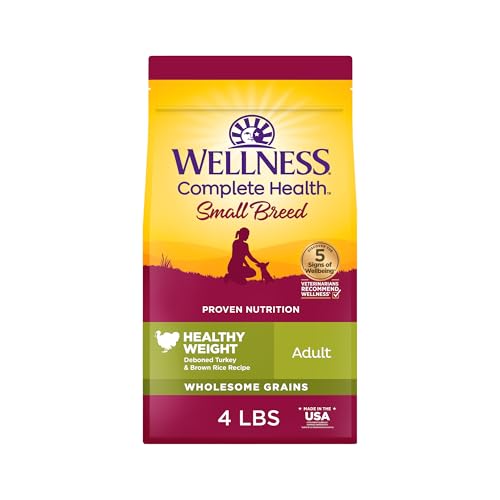
Wellness Complete Health Healthy Weight Small Breed Adult Dry Dog Food
What We Like
- No corn, wheat, or soy
- Includes probiotics and taurine
- Supports digestive health and weight
- All-natural ingredients
Trade-offs
- Small breed formula limits use
- No calorie or fat percentage listed
A 4-pound bag means this is designed for small breeds that eat less per meal, not for a Labrador that plows through kibble. The turkey and brown rice recipe skips corn, wheat, and soy entirely, which matters if your dog has a sensitive stomach or you just want fewer filler ingredients. Probiotics and taurine are added for digestive and heart support, and the whole thing is made in the USA. This suits someone with a small dog who needs weight maintenance without artificial extras.
At 4 pounds, this bag is small enough that you will reorder more often than with a 13-pound Royal Canin Small Dog Weight Care bag. That size makes sense for tiny breeds like Chihuahuas or Yorkies, but if your dog weighs over 15 pounds, you will be buying a new bag frequently. The smaller format keeps the kibble fresh and is easy to handle, but owners of larger small dogs may prefer the larger Royal Canin option.
Product photos
How We Evaluated Dog Foods For Weight Maintenance
Our evaluation draws from manufacturer nutritional data, ingredient lists, feeding guidelines, and patterns reported by owners across multiple retail platforms. We did not conduct feeding trials or lab analysis. Instead, we compared each formula’s guaranteed analysis, calorie content, and ingredient sourcing to identify which foods offer the best nutritional profile for weight maintenance.
The four criteria that mattered most were calorie density per cup, protein percentage relative to fat, fiber content for satiety, and the presence of weight-supporting ingredients like L-carnitine. We also considered whether a formula includes joint-supporting nutrients like glucosamine, since overweight dogs often carry extra strain on their joints. Breed-specific and size-specific formulas earned extra consideration because calorie needs vary significantly by body type.
A research-led evaluation has limits. Individual dogs respond differently to the same food based on metabolism, activity level, and underlying health conditions. We recommend checking any new food against your veterinarian’s advice and monitoring your dog’s weight over several weeks when transitioning.
What To Look For In Dog Foods For Weight Maintenance
Choosing a weight maintenance food means reading past the marketing claims on the front of the bag and looking at the numbers on the back. The right formula balances reduced calories with adequate protein and fiber to keep your dog satisfied and muscular.
Look for a calorie density under a certain level per cup, protein at 30% or higher on a dry matter basis, fiber above 4%, and the first ingredient being a named meat source. Avoid foods with vague fat sources or excessive carbohydrate fillers.
Calorie Density and Portion Size
The most direct measure of a weight maintenance food is its calorie content per cup. Most standard adult dog foods range from a moderate to high calorie count per cup, while weight management formulas typically fall between a lower and moderate calorie count per cup. Lower calorie density allows you to feed a normal volume of food while reducing total daily calories, which helps your dog feel full.
Check the feeding guide on the bag against your dog’s ideal weight, not their current weight. For more detail on portion sizes, this portion control guide walks through how to adjust feeding amounts based on your dog’s individual needs.
Protein-to-Fat Ratio
Weight maintenance foods that cut fat too aggressively often end up with lower protein levels as well, which can lead to muscle loss. Look for a crude protein percentage that is at least double the crude fat percentage. High-protein formulas help maintain lean muscle mass during weight reduction, which keeps your dog’s metabolism working efficiently. The best weight management food options typically feature protein levels of 30% or higher with fat levels around 10-12%.
Fiber and Satiety Support
Fiber helps dogs feel full between meals, which reduces begging and scavenging. Look for formulas with crude fiber above 4%, or those that include specific fiber sources like beet pulp, pea fiber, or chicory root. Some weight management foods also include L-carnitine, an amino acid that helps the body convert fat into energy. The healthy weight formulas in our guide often combine fiber with L-carnitine for a two-pronged approach to appetite control and fat metabolism.
- Check the guaranteed analysis for protein, fat, and fiber percentages
- Look for L-carnitine on the ingredient list
- Compare calorie content per cup across different brands
- Verify the first ingredient is a named meat source
- Check that the food matches your dog’s life stage and breed size
A good rule of thumb: if the food’s feeding guide recommends more than 4 cups per day for a dog at ideal weight, the calorie density is probably too low to be practical.
Dog Foods For Weight Maintenance Compared
The table below compares all eight dog foods for weight maintenance across key nutritional factors. It includes protein content, fat content, fiber levels, and calorie density to help you quickly identify which formula fits your dog’s needs.
| Product | Protein Source | Weight | Key Feature |
|---|---|---|---|
| Hill's Science Diet Perfect Weight Dry Dog Food | Chicken & Brown Rice | 25 lb | Breakthrough cell function formula |
| Blue Buffalo Life Protection Healthy Weight Dog Food | Chicken | 30.3 lb | Real Chicken #1 Ingredient |
| Purina Pro Plan Weight Management Wet Dog Food | Real chicken | N/A | Helps maintain muscle mass during weight loss |
| Royal Canin Labrador Retriever Adult Dry Dog Food | N/A | 30 lb | Healthy Weight Management, Bone & Joint Support |
| Royal Canin Small Dog Weight Care Dry Dog Food | N/A | 13 lb | L-carnitine |
| Nutrish Healthy Weight Wet Dog Food Paté | Turkey & Pumpkin | 13 oz. Can | L-Carnitine Helps Support Healthy Metabolism |
| Purina ONE Plus Healthy Weight Dry Dog Food | Real turkey | 16.5 lb | High protein dog food for weight control |
| Wellness Complete Health Healthy Weight Small Breed Adult Dry Dog Food | Turkey | 4 lb | Wholesome Grain Kibble |
Frequently Asked Questions
How do I know if my dog needs a weight maintenance food?
Check your dog’s body condition score by feeling their ribs. You should be able to feel ribs with a light layer of fat covering them, not see them. If you cannot feel ribs easily or your dog has no visible waist when viewed from above, a weight maintenance food may help. Your veterinarian can provide a more precise assessment.
Can I mix wet and dry weight management foods?
Yes, many owners combine a dry weight maintenance kibble with a wet food option to increase moisture and palatability. Just calculate the total calories from both foods to stay within your dog’s daily target.
How quickly should I expect to see results on a weight maintenance food?
Most weight management formulas recommend evaluating results after 8 to 10 weeks. The Hill’s Science Diet Perfect Weight formula specifically notes that results take up to 10 weeks. Weight loss should be gradual, typically 1-2% of body weight per week. Faster weight loss can be unhealthy and may indicate the food is too restrictive.
What is the difference between weight maintenance and weight loss dog food?
Weight maintenance formulas are designed to help dogs maintain a healthy weight after they have reached their target weight, or for dogs that are only slightly overweight. Weight loss formulas typically have lower calorie density and higher fiber levels for more aggressive calorie reduction. The low-calorie dog food options are designed for dogs that need more significant weight reduction.
Should I choose a grain-free or grain-inclusive weight management food?
Grain-inclusive weight management foods often provide more fiber and are generally more affordable than grain-free options. Unless your dog has a diagnosed grain allergy, grain-inclusive formulas like the Blue Buffalo Life Protection line are a reasonable choice. Grain-free weight management foods exist but may be higher in fat to maintain palatability without grains.
The Bottom Line
For most dog owners, Hill’s Science Diet Perfect Weight Dry Dog Food offers the most reliable combination of veterinary backing, predictable results, and science-backed nutrition. It is the best choice for owners who want a formula with a proven track record and are comfortable committing to the full 10-week feeding period. The calorie-controlled formula supports cell function while helping dogs maintain a healthy weight.
If your dog needs joint support alongside weight management, the Blue Buffalo Life Protection Healthy Weight formula adds glucosamine with real chicken as the first ingredient. Small dog owners should look at the Royal Canin Small Dog Weight Care formula, which reports that 88% of dogs lost weight within two months. For owners who prefer a wet food routine, the Purina Pro Plan Weight Management wet food helps maintain muscle mass during weight reduction.
The single most important factor in weight maintenance is consistency. No food works if you are not measuring portions accurately and limiting treats. Read the feeding guide, use a kitchen scale to measure kibble, and track your dog’s weight weekly. The right food makes the process easier, but your daily habits determine the outcome.
