
10 Best Cat Food For Constipation in 2026
This post contains affiliate links. As an Amazon Associate, we earn from qualifying purchases.
The best overall cat food for constipation is Hill’s Science Diet Sensitive Stomach Dry Cat Food, which uses prebiotic fiber and high-quality chicken to support gentle digestion and regular stool. For cats that need extra moisture, the Royal Canin Digestive Care Wet Cat Food offers highly digestible proteins. The Purina ONE Digestive Tender Selects Dry Cat Food delivers natural prebiotic fiber at a budget-friendly price.
Constipation in cats often comes down to two factors: fiber balance and hydration. Too little fiber slows transit time, but too much can bind things up, and dry kibble alone rarely provides enough moisture to keep stool moving. The right food needs to hit the sweet spot between soluble and insoluble fiber while encouraging water intake.
We evaluated these 10 formulas by examining ingredient lists, fiber sources, protein quality, and moisture content, drawing on manufacturer specifications and patterns in owner feedback. This guide breaks down what to look for on the label and which formula fits your cat’s specific needs.
Top 10 Cat Foods For Constipation in the Market



Certain content that appears on this site comes from Amazon. This content is provided "as is" and is subject to change or removal at any time.
The Best Cat Foods For Constipation, Reviewed
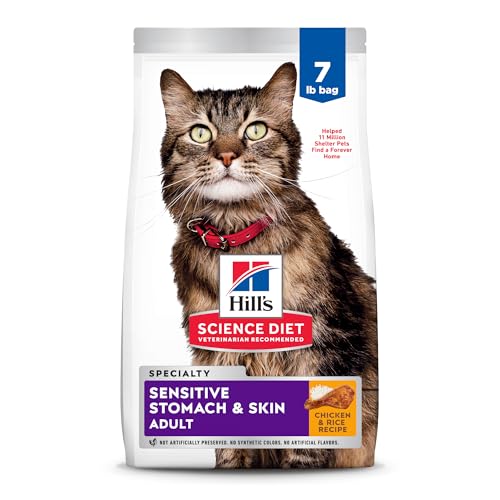
Hill's Science Diet Sensitive Stomach Dry Cat Food
What We Like
- Prebiotic fiber for gentle digestion
- High quality chicken as #1 ingredient
- Omega-3 & 6 for skin and coat
- Clinically proven antioxidants for immune health
Trade-offs
- Chicken recipe not suitable for poultry-sensitive cats
- Contains chicken, not ideal for poultry allergies
The prebiotic fiber in this formula is gentle on the stomach, helping with regularity without harsh additives. It also delivers 29 key nutrients, including omega-3 and 6 fatty acids for healthy skin and a shiny coat, plus clinically proven antioxidants for immune support. That makes it a practical daily choice for an adult cat whose digestive issues stem from a sensitive stomach rather than a chronic condition.
The trade-off is that dry food inherently lacks the moisture that can help move things along for a constipated cat. Compared to Royal Canin Digestive Care Wet Cat Food, which provides hydration directly, this kibble requires your cat to drink enough water on its own. For mild or occasional constipation, that’s manageable, just make sure fresh water is always available. But if your cat is prone to stubborn blockages, you might want a wet option or to mix this with a moisture-rich topper.
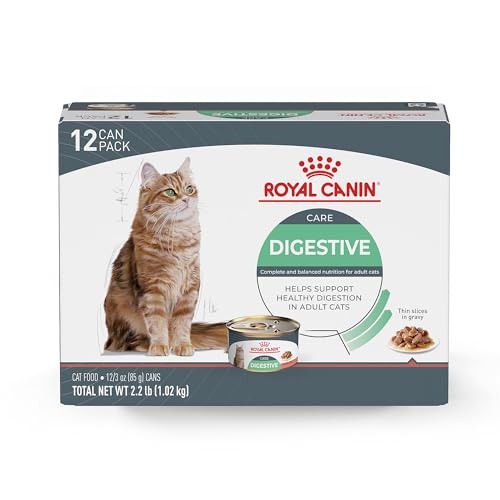
Royal Canin Digestive Care Wet Cat Food
What We Like
- Highly digestible proteins for nutrient absorption
- Supports healthy stool quality
- Formulated for sensitive stomachs
- Pairs with dry Digestive Care formula
Trade-offs
- Wet food only: no dry kibble texture
- Results claim based on feeding both wet and dry
The internal study showing over 95% healthy stool quality in 10 days is the headline here, when fed alongside the matching dry formula, this wet food delivers a measurable improvement in digestion. It uses highly digestible proteins to help with nutrient absorption and optimal stool quality, which is exactly what you want for a cat with a finicky digestive system. The slices-in-gravy texture also adds moisture, a bonus for cats that don’t drink enough water on their own. This is a wet food formulated from the ground up for digestive health, not just a general recipe with a sensitive-stomach label.
The 95% stool quality figure comes from feeding both the wet and dry Digestive Care formulas together, so if you’re only using the wet food, you might not see the same results. That’s not a dealbreaker, but it’s something to keep in mind if you prefer an all-wet diet. Compared to Hill’s Science Diet Sensitive Stomach Dry, which is a dry kibble, Royal Canin’s wet option offers a different texture and moisture content, while the dry-only Hill’s is simpler to portion and store. For a cat that needs extra hydration and gentle protein, this wet food is a good option for digestive health.
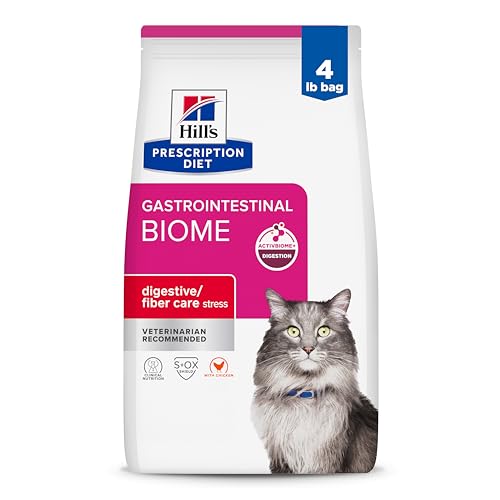
Hill's Prescription Diet GI Biome Dry Cat Food
What We Like
- Clinically shown to promote regular stool in 24 hours
- ActivBiome+ technology supports gut microbiome balance
- Includes hydrolyzed casein and L-tryptophan to reduce stress
Trade-offs
- Only available in 4 lb. bag size
- Prescription diet requires veterinary consultation
This formula is designed to help promote regular healthy stool in as little as 24 hours, thanks to ActivBiome+ ingredient technology that rapidly activates beneficial gut bacteria. For a cat with digestive issues, that speed can be a real advantage. The inclusion of hydrolyzed casein and L-tryptophan helps reduce stress, which may contribute to overall digestive health. This is a prescription diet, so it’s meant for cats with specific needs under veterinary supervision, not for casual use.
This is a prescription diet, so you’ll need a vet’s approval before buying, that deliberate limitation means it’s not an impulse shelf grab. But if your cat has digestive issues that respond to fiber and stress reduction, the targeted formulation and faster stool response make the extra steps worthwhile. Just be aware that the 4 lb. bag size may require more frequent repurchasing.
Royal Canin Veterinary Fiber Response Wet Cat Food
What We Like
- Psyllium-enhanced for stool normalization
- Highly digestible proteins and prebiotics
- Omega-3 fatty acids support digestive health
- S/O Index promotes urinary health
Trade-offs
- Veterinary-exclusive, requires vet authorization
- Designed for GI issues, not general maintenance
The psyllium-enhanced formula is the key feature here, it’s a soluble fiber that helps normalize stool frequency and quality, which is exactly what a cat with digestive sensitivity needs. Royal Canin backs that up with highly digestible proteins and prebiotics to support the gut microbiome, plus omega-3 fatty acids (EPA/DHA) that help support digestive health. The S/O Index for urinary health is a bonus, since cats with GI trouble often have overlapping urinary concerns. This is a targeted solution for adult cats needing GI support, and the wet format adds moisture to help maintain healthy transit through the GI tract.
You’ll need a vet’s approval to buy this diet, which adds a step compared to over-the-counter options like Hill’s Science Diet Sensitive Stomach Dry Cat Food. That dry food is easier to grab, but it lacks the psyllium that this wet food provides for stool normalization. For a cat with persistent digestive issues, the targeted fiber makes the extra effort worthwhile.
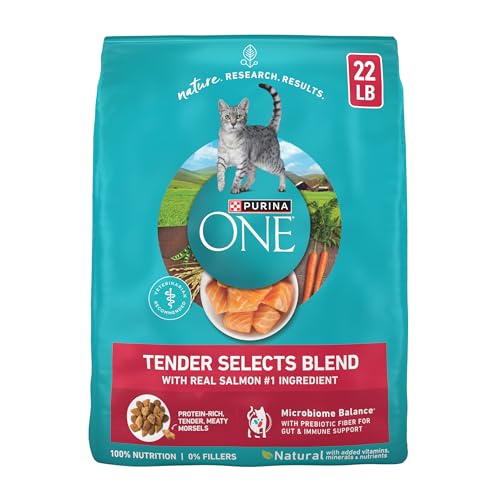
Purina ONE Digestive Tender Selects Dry Cat Food
What We Like
- Natural prebiotic fiber supports microbiome balance
- Real salmon as first ingredient
- No artificial flavors or preservatives
- Four antioxidant sources for immune support
Trade-offs
- Dry food only, less moisture than wet options
A 22-pound bag of dry food with natural prebiotic fiber means this is built for daily digestive support. The formula includes real salmon, carrots, and peas, along with vitamins A and E to promote bright eyes. Four antioxidant sources support the immune system, and omega-6 fatty acids nourish healthy skin and a shiny coat. This is a straightforward, no-fuss formula for owners who want a reliable dry food that prioritizes gut health and ingredient transparency over marketing flash.
The trade-off is texture: dry kibble lacks the moisture content of wet foods, which can be a factor for cats that need extra hydration alongside fiber. Next to Royal Canin Digestive Care Wet Cat Food, this Purina ONE option offers more volume per dollar and easier storage, but it won’t deliver the same water intake. For a budget-friendly dry food that still hits the key digestive notes, prebiotic fiber, high protein, and no artificial additives, this is a solid everyday choice.
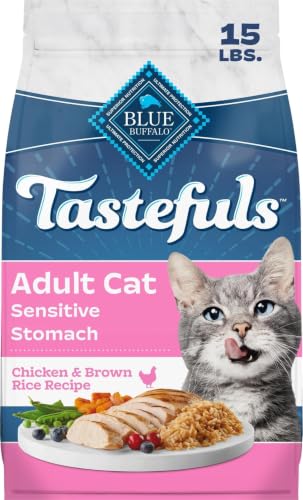
Blue Buffalo Tastefuls Sensitive Stomach Dry Cat Food
What We Like
- Real chicken is first ingredient
- Contains FOS prebiotic for digestion
- Includes LifeSource Bits for immune support
- No corn, wheat, or soy
Trade-offs
- Contains brown rice, not grain-free
- Not suitable for grain-free diet cats
Real chicken is the first ingredient, so you’re getting quality protein for strong muscles and energy, not filler. The brown rice is gentle on sensitive stomachs, and the prebiotic FOS supports healthy digestion. LifeSource Bits add antioxidants, and there’s no corn, wheat, or soy to irritate. For a picky cat with occasional stomach upset, this is a reliable everyday food.
This is a dry food, so it won’t add moisture like a wet option such as Royal Canin Digestive Care. If your cat needs extra hydration, you might add water or a wet topper. The FOS prebiotic supports good gut bacteria, but there’s no probiotic included. For a cat that just needs gentle, everyday digestive support, this is a reasonable choice.
Product photos
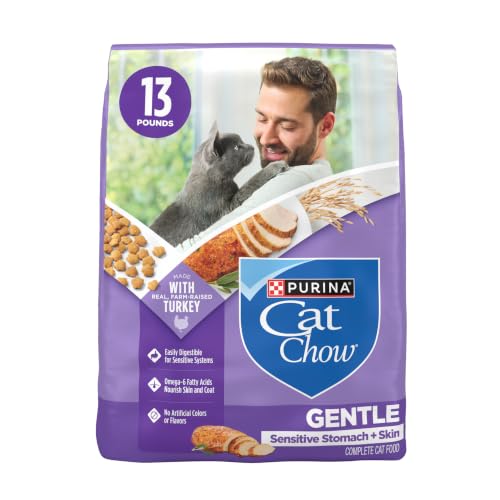
Purina Cat Chow Gentle Sensitive Stomach Dry Cat Food
What We Like
- Natural prebiotic fiber aids digestion
- Real farm-raised turkey as protein
- No artificial colors or flavors
- Complete with 25 vitamins & minerals
Trade-offs
- Dry kibble only, no moisture for constipation
- Dry kibble only, no added moisture for hydration
A natural prebiotic fiber blend targets digestive health directly, making this formula a sensible pick for cats with sensitive stomachs who still need solid stool formation. Real farm-raised turkey provides a single, digestible protein source, and the absence of artificial colors or flavors reduces unnecessary irritants. This is a straightforward, no-nonsense dry food for anyone seeking a balanced adult recipe without marketing fluff.
The dry kibble format means this food contains no added moisture, so cats that need extra hydration from their diet may require a separate water source or wet food supplement. Unlike Royal Canin Digestive Care wet food, which is a canned product, this Purina formula is a dry kibble that relies on its fiber blend for digestive support rather than moisture content. For cats that need both gentle digestion and increased water intake, a wet food option might be more suitable, but for everyday sensitive stomach support, this bag provides consistent, balanced nutrition.
Product photos
IAMS Proactive Health Sensitive Digestion Dry Cat Food
What We Like
- Real turkey is the #1 ingredient
- Specialized fiber blend plus prebiotics
- Clinically proven omega-6 & 3 ratio
- Veterinarian-recommended brand
Trade-offs
- Dry kibble only, no wet option
A specialized fiber blend and prebiotics work together to support nutrient absorption and intestinal health. Real turkey leads the ingredient list, providing high-quality protein without fillers that can slow digestion. The omega-6 and omega-3 fatty acid ratio is clinically proven to support skin and coat health. This formula is designed for whole-body health, backing up its fiber focus with balanced minerals for vital organs.
The most decisive fact about this food is its specialized fiber blend and prebiotics, which means it’s designed to help your cat absorb nutrients more effectively. That’s a real benefit for cats with sensitive digestion, as it supports gut health without needing a prescription diet.
Product photos
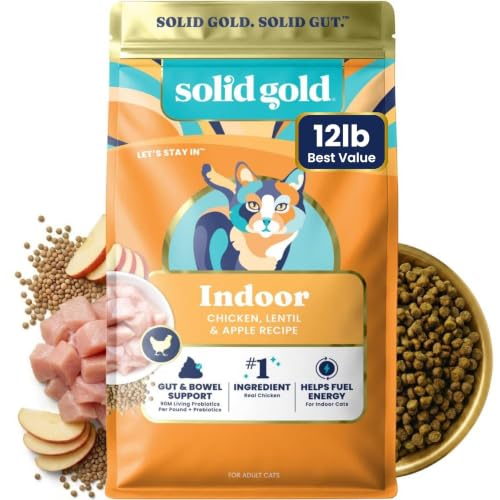
Solid Gold Indoor Chicken Dry Cat Food
What We Like
- High fiber from pumpkin and broccoli
- Live probiotics for gut health
- Real cage-free chicken as first protein
- Includes prebiotics for digestive support
Trade-offs
- 12 lb bag is smaller than some bulk options
- Not suitable for cats on a low-fiber diet
The combination of lentils, pumpkin, and broccoli gives this kibble a fiber profile that directly targets hairball control and digestion, two common issues for indoor cats with constipation. Solid Gold packs in live probiotics and prebiotics to support gut flora, so the fiber has a better chance of actually doing its job. This makes it a strong pick if you want a single bag that addresses both stool regularity and hairball buildup without needing separate supplements.
If your cat has done fine on grain-free food before, this is a well-rounded option. The fiber profile from lentils, pumpkin, and broccoli directly targets hairball control and digestion, two common issues for indoor cats with constipation. Solid Gold packs in live probiotics and prebiotics to support gut flora, so the fiber has a better chance of actually doing its job. This makes it a strong pick if you want a single bag that addresses both stool regularity and hairball buildup without needing separate supplements.
Product photos
Blue Buffalo True Solutions Digestive Care Dry Cat Food
What We Like
- Clinically proven prebiotic fiber
- Real chicken as #1 ingredient
- No corn, wheat, or soy
- Vet-recommended high-protein formula
Trade-offs
- Only dry food, not for cats that prefer wet
- No added moisture for cats needing hydration
The clinically proven prebiotic fiber in this formula helps maintain stool quality and digestive health, making it a targeted choice for cats with digestive concerns. With real chicken as the first ingredient and no corn, wheat, or soy, the ingredient list is straightforward and avoids common fillers that can upset sensitive stomachs. This is a dry food, so it’s convenient for free-feeding or portion control, and the 11-pound bag is a reasonable size for a single cat household.
The most decisive fact here is that this Blue Buffalo formula is a dry kibble, not a wet food, so it won’t supply the extra moisture some cats need. If your cat refuses dry food or requires more hydration, you’d need a wet alternative. For cats that do well with kibble, this vet-recommended, high-protein recipe uses clinically proven prebiotic fiber to support stool quality and digestive health.
Product photos
How We Evaluated Cat Foods For Constipation
Our research method focused on three sources: manufacturer-published nutritional data and feeding guidelines, expert commentary from veterinary nutrition resources, and consistent patterns in long-term owner feedback across forums and retailer reviews. We did not conduct laboratory testing or feeding trials.
Four criteria mattered most for constipation relief. First, fiber type and source, we looked for prebiotic fibers like inulin, psyllium, or beet pulp rather than generic crude fiber, because soluble fiber feeds gut bacteria and helps regulate moisture in the stool. Second, moisture content, wet foods naturally support hydration, but we also evaluated dry foods for their ability to be soaked or paired with toppers.
Third, protein digestibility, highly digestible animal proteins reduce the undigested material that can slow transit. Fourth, clinical backing, formulas with published feeding trials or veterinary therapeutic claims carried more weight.
A research-led evaluation has limits. We cannot replicate the individual variation in how a specific cat responds to a formula, and we relied on reported owner experiences rather than controlled data. Always transition any new food slowly and consult a veterinarian for chronic or severe constipation.
What To Look For In Cat Foods For Constipation
Choosing a food for a constipated cat means reading past the front-of-bag marketing and checking the guaranteed analysis and ingredient list for specific fiber types and moisture levels.
Look for named fiber sources (psyllium, inulin, beet pulp, pumpkin) over generic “crude fiber.” Choose wet food or be prepared to add moisture to kibble. Verify that the first ingredient is a named animal protein rather than a meal or by-product.
Fiber Type and Source
The type of fiber matters more than the total percentage. Soluble fibers like psyllium husk and inulin (often listed as FOS or chicory root) dissolve in water and form a gel that helps regulate stool moisture. Insoluble fibers like cellulose add bulk but can worsen constipation if the cat isn’t drinking enough. The Royal Canin Veterinary Fiber Response Wet Cat Food uses psyllium-enhanced formulation specifically for stool normalization, while the Blue Buffalo Tastefuls Sensitive Stomach relies on FOS prebiotic for gentler support.
Aim for a formula with at least one named soluble fiber source in the first five ingredients. If you see only “crude fiber” on the guaranteed analysis with no source listed, the food likely uses generic cellulose, which offers less benefit for constipation.
Moisture Content
Dry food typically contains much less moisture than wet food. For a cat prone to constipation, that difference is critical, water softens stool and keeps it moving. The Royal Canin Digestive Care Wet Cat Food and the Royal Canin Veterinary Fiber Response Wet Cat Food both deliver the hydration advantage of wet food while providing targeted fiber and highly digestible proteins.
If you prefer dry kibble for convenience or dental health, plan to add water, broth, or a wet topper at each meal. The dry food options in our list, like the Hill’s Science Diet Sensitive Stomach and Purina ONE Digestive Tender Selects, can work well when moisture is supplemented.
Protein Quality and Digestibility
Undigested protein ferments in the colon and produces gas and slows transit. High-quality animal proteins, named chicken, turkey, or salmon as the first ingredient, are more digestible than generic meat meals or by-products. The Hill’s Science Diet Sensitive Stomach uses chicken as its #1 ingredient, and the IAMS Proactive Health Sensitive Digestion leads with real turkey.
- Check that the first ingredient is a named animal protein (chicken, turkey, salmon).
- Avoid formulas with multiple unnamed meat meals (poultry meal, meat meal) in the top five ingredients.
- Look for “highly digestible” or “easily digestible” claims on the packaging or manufacturer site.
- For cats with known sensitivities, choose a single novel protein source.
A cat with chronic constipation needs a food where the fiber source is named, the moisture is adequate, and the protein is digestible, three checks that take ten seconds on the ingredient panel.
Cat Foods For Constipation Compared
The table below compares the 10 cat foods for constipation across the key factors of fiber source, moisture type, protein quality, and special features.
| Product | Form | Key Ingredient/Fiber Source | Protein Source | Weight |
|---|---|---|---|---|
| Hill's Science Diet Sensitive Stomach Dry Cat Food | Dry | Prebiotic fiber | Chicken | 7.0 pounds |
| Royal Canin Digestive Care Wet Cat Food | Canned wet food | Highly digestible proteins | N/A | 2.6 pounds |
| Hill's Prescription Diet GI Biome Dry Cat Food | Dry Cat Food | Prebiotic fibers | Chicken Recipe | 4.0 pounds |
| Royal Canin Veterinary Fiber Response Wet Cat Food | Wet cat food | Psyllium-enhanced | N/A | N/A |
| Purina ONE Digestive Tender Selects Dry Cat Food | Dry | Natural prebiotic cat fiber | Real salmon | 22.0 pounds |
| Blue Buffalo Tastefuls Sensitive Stomach Dry Cat Food | Dry | FOS (plant-based) | Real Chicken | 15.2 pounds |
| Purina Cat Chow Gentle Sensitive Stomach Dry Cat Food | Dry kibble | Natural prebiotic fiber | Farm-raised turkey | 13.2 pounds |
| IAMS Proactive Health Sensitive Digestion Dry Cat Food | Dry | Specialized fiber blend & prebiotics | Real Turkey | 13.0 pounds |
| Solid Gold Indoor Chicken Dry Cat Food | Dry | Lentils, pumpkin, broccoli | Real cage-free chicken | 12.0 pounds |
| Blue Buffalo True Solutions Digestive Care Dry Cat Food | Dry Cat Food | Clinically Proven Prebiotic | Real Chicken | 11.1 pounds |
Frequently Asked Questions
How can I tell if my cat is constipated?
Signs include straining in the litter box without producing stool, producing small, hard, dry pellets, decreased appetite, and vomiting after eating. A healthy cat should produce a formed but moist stool at least once daily. If you see repeated straining or no stool for more than two days, consult your veterinarian.
Is wet or dry food better for a constipated cat?
Wet food is generally better because its high moisture content helps soften stool and keep the digestive tract hydrated. Dry food can work if you add water, broth, or a wet topper at each meal. For cats that refuse wet food, the best dry cat food options for constipation include added prebiotic fiber and can be moistened before serving.
Can I add fiber supplements to my cat’s regular food?
Yes, but only under veterinary guidance. Psyllium husk is a common fiber supplement that can be mixed into wet food, but the dosage must be precise; too much can cause the opposite problem. Start with a veterinary-recommended amount and monitor stool consistency closely. Never add human fiber supplements without checking with your vet first.
What ingredients should I avoid in cat food for constipation?
Avoid foods with unnamed meat meals, excessive grain fillers like corn and wheat gluten, and artificial preservatives that can irritate sensitive digestive tracts. Also steer clear of formulas with very high insoluble fiber (cellulose) without a soluble fiber source to balance it, as this can worsen constipation in cats that don’t drink enough water.
How long does it take for a new food to improve constipation?
Most cats show improvement in stool consistency within 3 to 7 days after a full transition to a new food. The Hill’s Prescription Diet GI Biome claims clinically shown results in 24 hours for regular stool. If you see no improvement after a week, or if constipation worsens, stop the new food and consult your veterinarian for a different approach.
The Bottom Line
The Hill’s Science Diet Sensitive Stomach Dry Cat Food is our best overall pick because it balances prebiotic fiber with high-quality chicken protein for gentle, regular digestion without requiring a veterinary prescription. It’s ideal for cat owners who want a well-rounded, over-the-counter dry food that supports sensitive stomachs and consitent stool.
If your cat needs extra moisture or has chronic constipation, the Royal Canin Digestive Care Wet Cat Food provides highly digestible proteins in a hydrating format. The Purina ONE Digestive Tender Selects offers natural prebiotic fiber at a budget price. For cats under veterinary care for GI issues, the prescription options from Hill’s and Royal Canin target specific fiber and microbiome needs.
The single most important factor when choosing cat food for constipation is matching the fiber type and moisture level to your cat’s specific drinking habits and stool response. No single formula works for every cat, so watch the litter box closely during the transition period.
