
4 Best Canned Food For Diabetic Dogs in 2026
This post contains affiliate links. As an Amazon Associate, we earn from qualifying purchases.
The best canned food for diabetic dogs is Royal Canin Glycobalance Wet Dog Food, a veterinary-formulated pate that uses reduced starch to support blood glucose stability. For owners who want a prescription-free option, Dave’s Pet Food Carbolight Canned Dog Food offers strong carb management. Hill’s Prescription Diet w/d Multi-Benefit Wet Dog Food covers glucose, weight, and urinary health in one can.
Managing a diabetic dog’s diet means controlling carbohydrate intake while maintaining high-quality protein for muscle mass. Wet food helps with hydration and often contains fewer digestible carbs than dry kibble, but not all canned foods are created equal when it comes to glucose management.
We evaluated these four options based on manufacturer nutritional data, veterinary dietary guidelines, and patterns reported by owners managing diabetic dogs. This guide focuses on the specific macronutrient profiles and ingredient choices that matter most for canine diabetes.
Top 4 Canned Foods For Diabetic Dogs in the Market

Certain content that appears on this site comes from Amazon. This content is provided "as is" and is subject to change or removal at any time.
The Best Canned Foods For Diabetic Dogs, Reviewed
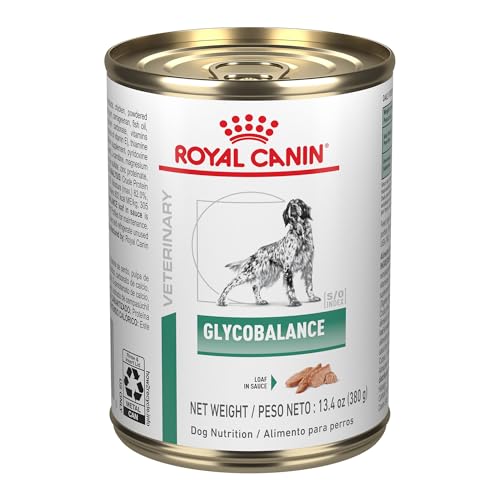
Royal Canin Glycobalance Wet Dog Food
What We Like
- Reduced starch supports blood glucose stability
- High protein helps maintain muscle mass
- Pate in sauce aids hydration
- Formulated for weight management
Trade-offs
- Veterinary diet requires vet approval to purchase
- Poultry-based pate limits protein variety
A reduced starch formulation is the single most critical feature for a diabetic dog’s food, and Royal Canin Glycobalance Wet Dog Food delivers exactly that. The reduced starch level contributes to maintaining healthy blood glucose levels, which is the core goal for managing diabetes. The precise protein content helps maintain muscle mass, a common concern when dogs are on restricted diets. It comes as a soft poultry pate in sauce, which adds moisture to support hydration. This product suits owners who want a veterinary-formulated diet for their dog’s condition, developed by veterinarians.
This is a prescription diet, so you need a veterinarian’s approval before buying, that extra step ensures the formula is built for a specific medical condition rather than a general health claim. The product is designed for adult dogs with diabetes, with a reduced starch level to support healthy blood glucose, and a precise protein content to help maintain muscle mass. Owners report the soft poultry-based pate in sauce is highly palatable and also helps with hydration, while the formula supports weight management, which is important for diabetic dogs.
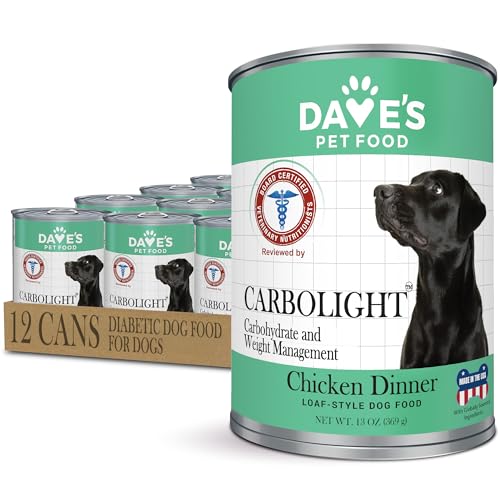
Dave's Pet Food Carbolight Canned Dog Food
What We Like
- Reduced carbohydrate recipe for glucose management
- L-Carnitine supports fat metabolism
- High protein helps maintain lean muscle
- Carrageenan-free pate formula
Trade-offs
- Limited to carb-management focus only
- Not suitable for dogs without glucose or weight concerns
A reduced carbohydrate recipe is the single most relevant feature for a diabetic dog’s food, and Dave’s Pet Food Carbolight puts that front and center. With a formula reviewed by Board Certified Veterinarian Nutritionists and added L-Carnitine to support fat metabolism, this canned food targets both glucose stability and weight management without relying on a prescription. It suits owners who want a straightforward, carb-conscious option made in the USA, with a pate texture that avoids carrageenan.
The trade-off is that this product commits entirely to its carb-management role. If your dog needs broader digestive or urinary support, you might look toward something like Hill’s Prescription Diet w/d Multi-Benefit, which bundles those functions. Dave’s Carbolight keeps its focus narrow, which works well for owners who want a clean, targeted recipe without extra bells and whistles. But it won’t replace a multi-condition veterinary diet if that’s what your vet recommends.
Hill's Prescription Diet w/d Multi-Benefit Wet Dog Food
What We Like
- Manages glucose, weight, digestion, urinary health
- Therapeutic L-carnitine for fat metabolism
- Controlled magnesium and sodium for urinary tract
- #1 US Vet Recommended therapeutic dog food
Trade-offs
- Requires a veterinary prescription to purchase
- Not a grain-free or limited-ingredient formula
This food helps manage glucose, weight, digestion, and urinary health all at once, so it’s a practical option for a diabetic dog that also tends to gain weight or has a sensitive stomach. The controlled levels of magnesium and sodium support urinary tract health, which is common in older diabetic dogs. Therapeutic L-carnitine helps metabolize fat and maintain lean muscle, while the blend of soluble and insoluble fiber and low calories help maintain a healthy weight.
The trade-off is that this is a prescription-only food, so you cannot grab it off a shelf without a vet’s okay. Compared to Dave’s Pet Food Carbolight, which is designed for carbohydrate and weight management in diabetic dogs, the Hill’s formula requires an extra step but targets multiple conditions. If your dog’s needs are straightforward, the Carbolight might be simpler, but for a dog with overlapping issues, the multi-benefit design here saves you from juggling multiple foods.
Product photos
Dave's Pet Food Grain Free Beef Wet Dog Food

What We Like
- 95% single-source meat protein
- Virtually no carbohydrates
- No carrageenan, grains, or starches
- Complete & balanced meal
Trade-offs
- Single protein limits rotation for some dogs
- No carb-light alternative protein option
95% meat and liver means this food is almost entirely protein, with virtually nothing left to spike a diabetic dog’s blood sugar after a meal. Owners who need to keep glucose steady without switching to a prescription diet will find that straightforward. The single-source protein and limited ingredients skip grains and carrageenan, so you’re not worrying about hidden triggers. It works as a complete meal or a topper, and reviewers say even picky eaters go for it without any artificial flavors or colors.
The catch is that beef is the only protein here. If your dog can’t tolerate beef or you like to rotate proteins, you’ll need another brand. Compared to Hill’s Prescription Diet w/d, which is formulated for digestive, weight, glucose, and urinary management, Dave’s focuses on cutting carbs rather than adding fiber. That makes it a simpler option for owners who want a low-carb wet food without a prescription, but it won’t cover multiple health issues the way Hill’s does.
Product photos
How We Evaluated Canned Foods For Diabetic Dogs
Our evaluation started with the nutritional specifications each manufacturer publishes for their therapeutic and specialty diets. We compared crude protein percentages, fiber levels, starch content, and added ingredients like L-carnitine that support fat metabolism in diabetic dogs.
The three criteria that mattered most were carbohydrate content, protein-to-fat ratio, and whether the formula carries a veterinary prescription requirement. Lower carbs are better for glucose stability, and high protein helps maintain lean muscle when glucose metabolism is compromised. We also noted additive profiles, looking for carrageenan-free options where available.
A research-led evaluation has limits: we cannot measure how any individual dog’s blood glucose responds to a specific food. We rely on published nutritional data, veterinary formulation standards, and the collective experience of owners who have used these diets. Always transition foods slowly and monitor glucose levels with your veterinarian’s guidance.
What To Look For In Canned Foods For Diabetic Dogs
Choosing a canned food for a diabetic dog means reading the guaranteed analysis for carbohydrate content and protein percentage, not just the front-of-can marketing.
Look for wet foods with low starch, high protein, and moderate fat. Avoid cans with added sugars, fillers, or excessive carbohydrates that spike blood glucose.
Starch and Carbohydrate Content
Carbohydrates are the primary driver of post-meal blood glucose spikes in diabetic dogs. Wet foods naturally contain fewer carbs than most dry kibble because they are mostly moisture and protein. Look for formulas that explicitly state reduced starch or list digestible carbohydrates at a low percentage on a dry matter basis. The diabetic dog food guide explains how to calculate dry matter percentages from the guaranteed analysis on any can.
Protein Quality and Quantity
Diabetic dogs lose lean muscle mass more easily because their bodies struggle to use glucose for energy and turn to protein stores instead. A canned food should provide adequate crude protein on an as-fed basis. Single-source animal proteins, like the beef in Dave’s Grain Free formula, reduce the risk of food sensitivities while delivering concentrated amino acids.
Prescription vs. Over-the-Counter Options
Some of the most precisely formulated diabetic diets require a veterinary prescription because they are designed for medical management of specific conditions. If you prefer to avoid the prescription route, there are non-prescription diabetic dog food options that still control carbohydrates well. The trade-off is that OTC foods cannot include the same level of therapeutic nutrient modification.
- Check the guaranteed analysis for crude fiber: a moderate percentage on a dry matter basis helps slow glucose absorption.
- Look for added L-carnitine if your dog also needs weight management support.
- Avoid cans listing sugar, corn syrup, or molasses anywhere in the ingredients.
- Confirm the food is complete and balanced (AAFCO statement on the label), not a supplemental topper.
A good rule of thumb: if the first ingredient is a named meat and the carbohydrate source is low on the list, you are on the right track.
Canned Foods For Diabetic Dogs Compared
The table below compares the four canned foods across the criteria that matter most for diabetic dogs: protein content, carbohydrate management, prescription requirement, and added benefits.
| Product | Protein Content | Starch/Carb Level | Key Additives |
|---|---|---|---|
| Royal Canin Glycobalance Wet Dog Food | Precise, high protein | Reduced starch | N/A |
| Dave's Pet Food Carbolight Canned Dog Food | High protein | Reduced carbohydrate | L-Carnitine |
| Hill's Prescription Diet w/d Multi-Benefit Wet Dog Food | Chicken Recipe | N/A | Therapeutic L-carnitine |
| Dave's Pet Food Grain Free Beef Wet Dog Food | 95% beef & beef liver | Virtually no carbs | Vitamins & minerals |
Frequently Asked Questions
Can I feed my diabetic dog regular canned dog food?
Most regular canned dog foods contain too much starch and sugar to be safe for a diabetic dog. You need a formula specifically designed for glucose management, either a veterinary diet or a carb-controlled OTC option like Dave’s Carbolight.
How much canned food should I feed a diabetic dog?
Portion size depends on your dog’s weight, activity level, and the specific calorie density of the food. Your veterinarian will calculate the exact amount based on your dog’s insulin dose and target blood glucose range. Never guess portions with a diabetic dog.
Is wet or dry food better for diabetic dogs?
Wet food usually contains fewer digestible carbohydrates than dry kibble because of its high moisture content. The wet vs dry dog food comparison shows that canned options often support better hydration and lower carb intake, which can help with glucose stability.
Are grain-free canned foods safe for diabetic dogs?
Grain-free does not automatically mean low-carb. Some grain-free foods replace grains with potatoes or peas, which are still high in starch. Check the guaranteed analysis rather than relying on the grain-free label when choosing a food for a diabetic dog.
Can I give my diabetic dog treats from a can?
Some canned foods marketed as treats contain added sugars or starches that spike blood glucose. Stick to treats for diabetic dogs that are low in carbohydrates and free of added sweeteners, or use a small portion of your dog’s regular canned food as a treat.
The Bottom Line
Royal Canin Glycobalance Wet Dog Food is the best overall choice for diabetic dogs because its veterinary formulation precisely controls starch while delivering high protein for muscle maintenance. It requires a prescription, so talk to your veterinarian about whether this diet fits your dog’s glucose management plan.
If you want to skip the prescription process, Dave’s Pet Food Carbolight Canned Dog Food provides strong carb control with added L-carnitine for fat metabolism. For dogs managing multiple conditions like weight and urinary health alongside diabetes, Hill’s Prescription Diet w/d Multi-Benefit covers the most ground in a single can.
The single most important factor in choosing a canned food for a diabetic dog is carbohydrate content. Read the guaranteed analysis, compare dry matter percentages, and work with your vet to match the food to your dog’s insulin protocol.
