
10 Best Bird Seed For Cardinals And Blue Jays in 2026
This post contains affiliate links. As an Amazon Associate, we earn from qualifying purchases.
The Kaytee Ultimate Birder’s Blend Bird Seed is the best overall choice for attracting cardinals and blue jays, thanks to its mix of safflower, peanuts, and striped sunflower. For birders who want maximum songbird variety, the Kaytee Songbird Blend is a strong alternative, while the Lyric Fine Tunes No Waste Mix is ideal for keeping the feeding area clean.
The challenge with feeding cardinals and blue jays together is that each species has slightly different preferences. Cardinals love sunflower and safflower, while blue jays are drawn to peanuts and larger seeds. A single blend that satisfies both without excessive filler takes some research.
This guide is research-based, drawing on manufacturer specifications, expert round-ups, and patterns in owner feedback to rank ten of the best blends available. We focus on ingredient quality, seed variety, and how well each mix targets the birds you want to see.
Top 10 Bird Seeds For Cardinals And Blue Jays in the Market

Certain content that appears on this site comes from Amazon. This content is provided "as is" and is subject to change or removal at any time.
The Best Bird Seeds For Cardinals And Blue Jays, Reviewed
Kaytee Ultimate Birder's Blend Bird Seed

What We Like
- Includes safflower, peanuts, and striped sunflower
- Attracts cardinals, blue jays, and finches
- 10-pound bag for multiple feedings
Trade-offs
- Contains millet, which some birds ignore
- No shell-free option for less mess
A mix built around safflower, peanuts, and striped sunflower gives you the core ingredients cardinals and blue jays actively seek out. The 10-pound bag keeps the feeder filled without constant refills, and the blend is formulated to draw in a range of songbirds, not just the two headline species. If you want a single seed mix that covers the basics for colorful backyard visitors, this is the straightforward option.
This blend includes safflower, peanuts, striped sunflower, and millet, so it attracts a wide variety of songbirds like cardinals, woodpeckers, blue jays, and finches. Placing a feeder near trees and a water source can help draw even more birds. The 10-pound bag is a practical size for regular refills without taking up too much storage space.
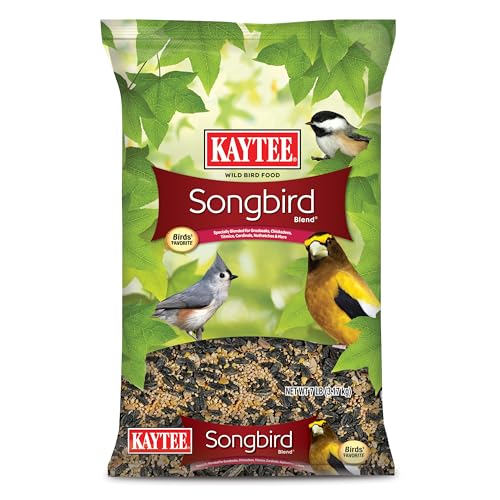
Kaytee Songbird Blend Wild Bird Seed
What We Like
- Blend of two sunflower seed types
- Includes peanuts and millet
- Attracts cardinals, jays, finches, nuthatches
Trade-offs
- No safflower to deter squirrels
- No waste-free shell-free option for tidy feeders
A 7-pound bag that blends two types of sunflower seeds with peanuts and millet, this mix is built to bring in a wide range of songbirds. Cardinals, chickadees, titmice, finches, nuthatches, grosbeaks, juncos, indigo buntings, and jays all make the list. That breadth means you get a single bag that covers more species than most blends, so your feeder becomes a rotating cast of colorful visitors. The two sunflower types give finches and cardinals variety, while peanuts add protein for jays and nuthatches.
The trade-off is that millet, though cheap filler for some brands, is a seed many jays and cardinals will kick out of the feeder to get to the sunflower. That said, the Kaytee mix is a solid all-around option if you want to feed a dozen species without buying separate bags for each.
Lyric Fine Tunes No Waste Bird Seed

What We Like
- 100% edible, zero waste mix
- Includes nuts, kernels, and seeds
- Works with tube and hopper feeders
Trade-offs
- No whole seeds for birds that prefer shelling
- Not ideal for birds that prefer whole seeds
A 15-pound bag of entirely edible ingredients means nothing gets tossed onto the ground for squirrels or mold. Every piece, peanut pieces, sunflower kernels, almond pieces, pistachio pieces, hulled white proso millet, pecan pieces, and shelled pumpkin seed pieces, is meant to be eaten. So your feeder stays clean and you get more bird visits per pound.
The trade-off is that finely cut pieces won’t hold the attention of larger birds that prefer cracking whole seeds. Compared to the Kaytee Ultimate Birder’s Blend, which includes peanuts for that cracking action, this Lyric mix is built for efficiency over entertainment. If you enjoy watching birds work to open shells, this may feel too tidy. But if your priority is a clean feeding area and maximum edible content per pound, this is the most waste-conscious option in the lineup.
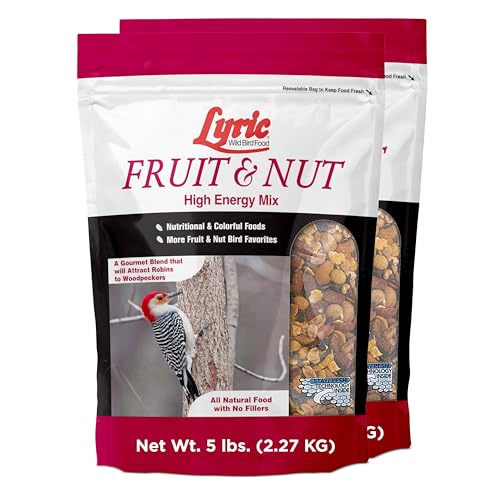
Lyric Fruit and Nut Wild Bird Seed
What We Like
- All-natural with no fillers
- Includes shelled nuts and dried fruit
- Attracts cardinals, jays, and woodpeckers
- Works in multiple feeder types
Trade-offs
- No safflower to deter grackles or starlings
This 10-pound pack (two 5-pound bags) combines dried fruit, nuts, kernels, and seeds including shelled peanuts, almonds, pecans, cashews, pistachios, cranberries, raisins, sunflower kernels, shelled pumpkin seeds, and corn. Because it contains no fillers, there is less waste under the feeder. The blend is designed to attract cardinals, chickadees, grosbeaks, jays, nuthatches, titmice, waxwings, woodpeckers, and more, and works with hopper, tray, tube, and wire mesh feeders.
The fruit and nut blend attracts a wide variety of songbirds, including woodpeckers and waxwings, which is a broader draw than the Kaytee Ultimate Birder’s Blend. However, the same ingredients that appeal to cardinals and jays can also bring in larger birds and squirrels if they’re common in your yard. For birders who enjoy a diverse feeder scene and don’t mind some uninvited guests, this mix delivers a lively backyard experience.
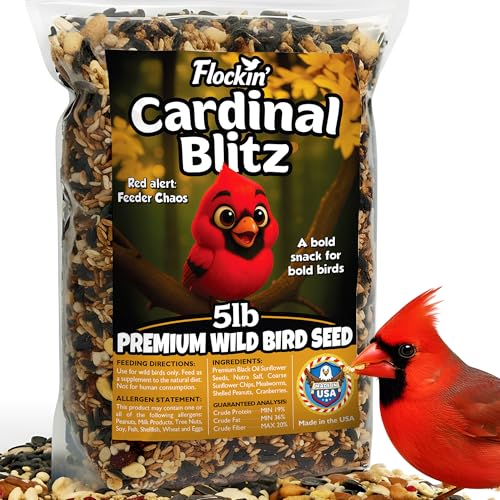
Flockin' Cardinal Bird Seed Blend
What We Like
- No filler ingredients used
- Includes mealworms and cranberries
- Designed specifically for cardinals
Trade-offs
- 5 lb bag is smaller than many blends
The ingredient list is the real story here: black oil sunflower, NutraSaff, coarse sunflower chips, shelled peanuts, mealworms, and cranberries, with no filler ingredients. That means every ingredient is chosen to deliver protein and healthy fats that support cardinals during breeding, molting, and colder months when calorie-dense food matters most. If you want a feeder that cardinals return to again and again, this blend puts the nutrition where it counts.
The 5-pound bag of Flockin’ Cardinal Bird Seed Blend is smaller than many blends, so you’ll refill your feeder more often than with a 10-pound bag like Kaytee Ultimate Birder’s Blend. But that smaller size means the ingredients stay fresher before you finish them, and since the blend has no filler ingredients, there’s no waste from seeds birds ignore. It’s ideal for anyone who prioritizes ingredient quality over bulk and wants a mix that keeps cardinals coming back.
Product photos
Freebird Premium Sunflower Safflower Seed
What We Like
- Millet-free sunflower and safflower blend
- Resealable 6-pound bag
Trade-offs
- 6-pound bag is smaller than many competitors
- No peanuts or fruit for variety
The trade-off is bag size: at 6 pounds, you’ll refill feeders more often than you would a 10- or 15-pound bag such as Kaytee Ultimate Birder’s Blend. That’s fine if you go through seed quickly or prefer fresher stock, but it means more frequent refills. For someone who wants a millet-free mix without filler and doesn’t mind a smaller bag, this is a straightforward pick.
Product photos
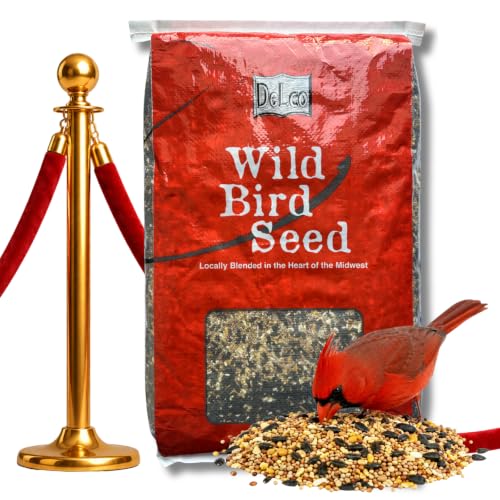
DeLco Fancy Friends Wild Bird Seed
What We Like
- Attracts cardinals, blue jays, finches
- Six-ingredient blend for variety
- Grown Climate Smart Certified
- Family-owned Midwest company
Trade-offs
- Best on open feeders, not tube feeders
- Contains milo, which some ground-feeding birds prefer
A 20-pound bag of six different seeds means you’re feeding a crowd that can include cardinals, blue jays, finches, chickadees, titmice, rose-breasted grosbeaks, and mourning doves. The mix of black oil sunflower, safflower, white millet, cracked corn, recleaned wheat, and milo gives each species something they actually want to eat, so your feeder stays busy instead of getting picked over. The white millet is a favorite of indigo buntings, though nobody can promise a rare visitor. The Grown Climate Smart certification tells you the seeds come from farms using regenerative agriculture, which matters if you care about sourcing.
Next to the Kaytee Ultimate Birder’s Blend, which weighs 10 pounds, this DeLco bag gives you twice the seed for the same kind of feeder-filling variety. It works best on an open platform or tray feeder, where every guest gets a comfortable seat, while a tube feeder would limit access to the larger pieces. If you want a mix that might attract an indigo bunting, the white millet in this blend gives you the best odds of one showing up.
Product photos
Audubon Park Cardinal Blend Wild Bird Food

What We Like
- No fillers, just sunflower and safflower
- Safflower disliked by squirrels
- Black oil sunflower for energy
- Attracts cardinals, titmice, chickadees, finches
Trade-offs
- 4-pound bag is smaller than many blends
- No peanuts or fruit for blue jay variety
A 4-pound bag of nothing but sunflower and safflower means zero filler and zero waste for the birds that actually show up. Black oil sunflower provides dense energy, while safflower adds oil and naturally discourages squirrels from raiding the feeder. That combination makes this a straightforward pick for anyone who wants cardinals, titmice, chickadees, and finches without the mess of millet or corn. It works in hopper, tube, or platform feeders, so you don’t need special hardware.
The 4-pound bag means you’ll refill more often than you would a 10-pound option such as Kaytee Ultimate Birder’s Blend. But the 100% sunflower and safflower seed blend is designed to attract cardinals, titmice, chickadees, finches, and grosbeaks while being disliked by squirrels. If your main goal is cardinals and smaller songbirds with minimal squirrel interference, this simplicity works well.
Morning Song Clean & Free No Mess Wild Bird Seed
What We Like
- 100% shell-free, no mess
- Protein-rich sunflower chips and peanuts
- Works with tube, tray, hopper feeders
Trade-offs
- 12-pound bag is lighter than some no-waste blends
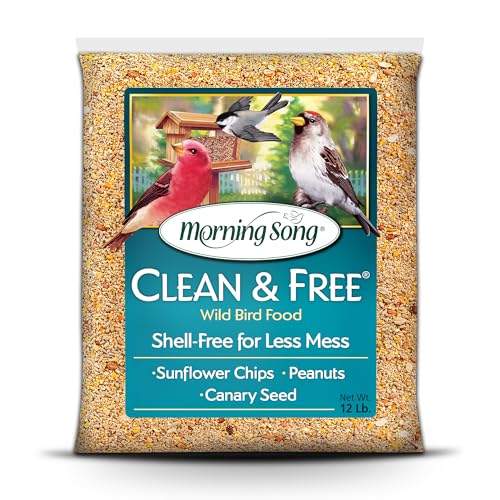
Every single ingredient in this bag is edible, no shells, no hulls, nothing to sweep up afterward. That 12-pound bag of sunflower chips, peanuts, and canary seed goes straight into the feeder and into the birds, not onto the ground. For anyone who keeps a feeder near a patio, window, or walkway, that convenience is the whole point. It attracts cardinals, finches, chickadees, and nuthatches, so you get a solid variety without the litter.
Every ingredient in this 12-pound bag is edible, so there’s no messy hulls to clean up under the feeder. The shell-free blend of sunflower chips, peanuts, and canary seed gives birds high-energy fuel without the waste. It’s a straightforward choice for anyone who wants to keep their patio or window area tidy.
Product photos
Cool Birds Cardinal & Crew Wild Bird Seed
What We Like
- Three premium ingredients, no filler
- No corn, milo, or millet
- High-energy protein and healthy fats
- Versatile feeder compatibility
Trade-offs
- No peanuts or mealworms for blue jays specifically
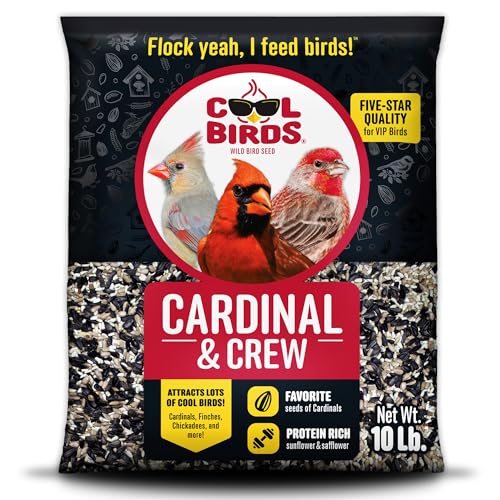
A 10-pound bag of black oil sunflower, sunflower hearts, and safflower with zero corn, milo, or millet means every seed in this blend is something cardinals actually want to eat. That no-filler approach is exactly what makes this a smart pick for anyone tired of watching birds kick out cheap grains to reach the good stuff. It works in tube, tray, hopper, platform, and smart feeders, so you can toss it in whatever setup you already have and get straight to watching chickadees, grosbeaks, and cardinals show up.
This blend uses just three ingredients, black oil sunflower, sunflower hearts, and safflower, so every seed in the bag is something birds actually eat. There’s no corn, milo, or millet to get kicked onto the ground. That means less mess under your feeder and more nutrition per bite for cardinals, chickadees, and grosbeaks. Next to the Kaytee Ultimate Birder’s Blend, which adds peanuts and a wider variety of seeds, this mix is a straightforward choice if you want to attract specific songbirds without paying for filler.
Product photos
How We Evaluated Bird Seeds For Cardinals And Blue Jays
We started by reading the ingredient list on every bag, not the front label. Manufacturer documentation and expert round-ups helped us separate blends built around high-value seeds like sunflower, safflower, and peanuts from those padded with millet, milo, or cracked corn that cardinals and jays often ignore.
The three criteria that mattered most were ingredient relevance, filler content, and feeder compatibility. Ingredient relevance means the blend contains seeds both species actually eat. Less filler is better when you want to attract specific birds. Some mixes work best on platform feeders while others suit tube feeders. Owner feedback patterns confirmed which bags deliver consistent visits and which leave birds picking through a tray of leftovers.
Every evaluation has limits. Local bird populations vary, and your results will depend on feeder placement, regional bird habits, and whether squirrels find the feeder first. What we can offer is a clear breakdown of what each bag contains so you can match it to your yard.
What To Look For In Bird Seeds For Cardinals And Blue Jays
The right blend for cardinals and blue jays balances high-energy seeds with minimal filler. Both species prefer larger seeds they can crack open, and they will ignore a bag full of millet if the sunflower runs out first.
Choose a blend built around black oil sunflower, striped sunflower, safflower, and peanuts. Avoid mixes where millet, milo, or cracked corn make up the first three ingredients.
Seed Type and Ingredient Quality
Cardinals and blue jays both favor sunflower seeds, but they eat them differently. Cardinals crack striped sunflower with their heavy beaks, while blue jays prefer whole peanuts they can carry off to cache. The best blends for both species include at least two of these three: black oil sunflower, striped sunflower, and peanuts. Safflower is a bonus because cardinals love it and squirrels tend to avoid it. Look for blends where these ingredients appear first on the label.
Filler Content and Waste
Many budget bird seed mixes are mostly millet, milo, and cracked corn. These are cheap fillers that cardinals and blue jays typically ignore, leaving a mess on the ground that attracts rodents. A no-waste or low-filler blend costs more per pound but delivers more edible seed per scoop. The Lyric Fine Tunes No Waste Mix and Morning Song Clean & Free No Mess are examples of blends where every kernel is meant to be eaten.
Feeder Type and Seed Compatibility
Not every blend works in every feeder. Large striped sunflower and whole peanuts can jam the ports on some tube feeders, while fine no-waste mixes fall through platform feeder slats. Check the bag for feeder recommendations. For cardinals and blue jays, platform feeders and hopper feeders are the most accommodating, but some blends work well in tube feeders too.
- Check the first three ingredients on the label for sunflower, safflower, or peanuts.
- Avoid blends where millet, milo, or cracked corn appear before sunflower.
- Match the seed size to your feeder type to avoid jams or waste.
- Consider a safflower-heavy blend if squirrels are a problem.
- Buy resealable bags if you go through seed slowly.
A good rule of thumb: if you would not eat the seeds yourself, the birds probably will not either.
Bird Seeds For Cardinals And Blue Jays Compared
The table below compares the top ten blends side by side, highlighting the seed types, filler content, and best use for each.
| Product | Weight | Key Ingredients | Target Birds |
|---|---|---|---|
| Kaytee Ultimate Birder's Blend Bird Seed | 10 pounds | Safflower, Peanuts, Striped Sunflower, Millet | Cardinals, Woodpeckers, Blue Jays, Finches |
| Kaytee Songbird Blend Wild Bird Seed | 7.0 pounds | Sunflower seeds, peanuts, millet | Cardinals, Chickadees, Titmice, Finches, Nuthatches, Grosbeaks, Juncos, Indigo Buntings, Jays |
| Lyric Fine Tunes No Waste Bird Seed | 15.0 pounds | Peanut pieces, sunflower kernels, almond pieces, pistachio pieces, hulled white proso millet, pecan pieces, shelled pumpkin seed pieces | Bluebirds, cardinals, chickadees, goldfinches, grosbeaks, jays, juncos, nuthatches, titmice, woodpeckers |
| Lyric Fruit and Nut Wild Bird Seed | 10 lb (2 x 5 lb bags) | Dried fruit, nuts, kernels, seeds | cardinals, chickadees, grosbeaks, jays, nuthatches, titmice, waxwings, woodpeckers |
| Flockin' Cardinal Bird Seed Blend | 5 lb | Sunflower, NutraSaff, Peanuts, Mealworms | Cardinals & Various Songbirds |
| Freebird Premium Sunflower Safflower Seed | 6.0 pounds | Sunflower & Safflower | cardinals, bluejays |
| DeLco Fancy Friends Wild Bird Seed | 20 lb | black oil sunflower, safflower, white millet, cracked corn, recleaned wheat, and milo | Cardinals, Finches, Buntings, Chickadees, Blue Jays |
| Audubon Park Cardinal Blend Wild Bird Food | 4.0 pounds | 100% sunflower & safflower | cardinals, titmice, chickadees, finches, grosbeaks |
| Morning Song Clean & Free No Mess Wild Bird Seed | 12 lb | Sunflower chips, peanuts, canary seed | Cardinals, finches, chickadees, nuthatches |
| Cool Birds Cardinal & Crew Wild Bird Seed | 10.0 pounds | Black oil sunflower, sunflower hearts, safflower | Cardinals, Grosbeaks, Chickadees |
Frequently Asked Questions
What is the best bird seed for cardinals and blue jays?
The Kaytee Ultimate Birder’s Blend Bird Seed is the best overall choice because it includes safflower, peanuts, and striped sunflower, which both species eat eagerly. It works well in most feeder types and attracts finches and other songbirds too.
Do cardinals and blue jays eat the same seed?
Yes, both species eat sunflower seeds and peanuts, but they have slightly different preferences. Cardinals favor sunflower and safflower, while blue jays are especially fond of whole peanuts. A blend that includes both will attract both species.
What seed do blue jays like most?
Blue jays are most attracted to whole peanuts and sunflower seeds. They will also eat suet and cracked corn, but peanuts are their top choice. Blends that include peanuts, like the Kaytee Ultimate Birder’s Blend, are most likely to draw them in.
How can I keep squirrels away from my bird feeder?
Use a blend that contains safflower seed, which cardinals eat but squirrels typically avoid. You can also pair your seed choice with a squirrel-proof feeder or baffle. The Freebird Premium Sunflower Safflower Blend is a good option for this.
What is the best no-mess bird seed for cardinals?
The Lyric Fine Tunes No Waste Bird Seed is the best no-mess option for cardinals. It contains 100% edible kernels, nuts, and seeds with no shells, so nothing is left behind. It works well in tube and hopper feeders.
The Bottom Line
The Kaytee Ultimate Birder’s Blend Bird Seed is the most reliable all-around choice for birders who want to see both cardinals and blue jays at their feeder without buying multiple bags. It balances the seeds each species prefers and keeps filler to a minimum.
If your priority is a spotless patio or deck, the Lyric Fine Tunes No Waste Mix or the Morning Song Clean & Free No Mess are worth paying more for. For birders who want to target cardinals specifically, the Flockin’ Cardinal Bird Seed Blend includes mealworms and cranberries that cardinals find hard to resist.
The single most important factor when choosing a blend is the ingredient list. Ignore the bird on the bag and read what is actually inside. Sunflower, safflower, and peanuts in the top three spots are the sign of a blend that will keep your feeder busy.
