
9 Best Food For Pomeranian Puppy in 2026
This post contains affiliate links. As an Amazon Associate, we earn from qualifying purchases.
The best food for a Pomeranian puppy is Hill’s Science Diet Puppy Small Bites, thanks to its balanced minerals for growing bones and DHA for brain development. For owners who prefer natural ingredients, the Wellness Complete Health Small Breed Puppy is a strong choice. Toy-breed owners should look at the Royal Canin X-Small Puppy formula.
Pomeranian puppies have specific needs: tiny mouths, fast metabolisms, and a predisposition to dental issues later in life. The kibble size, protein content, and nutrient ratios matter more for this breed than for larger, slower-growing dogs.
This guide compares nine formulas based on manufacturer specifications, ingredient lists, and patterns in owner feedback. We focus on what matters for a Pomeranian puppy: kibble size, protein sources, DHA content, and digestive support.
Top 9 Foods For Pomeranian Puppies in the Market
Certain content that appears on this site comes from Amazon. This content is provided "as is" and is subject to change or removal at any time.
The Best Foods For Pomeranian Puppies, Reviewed
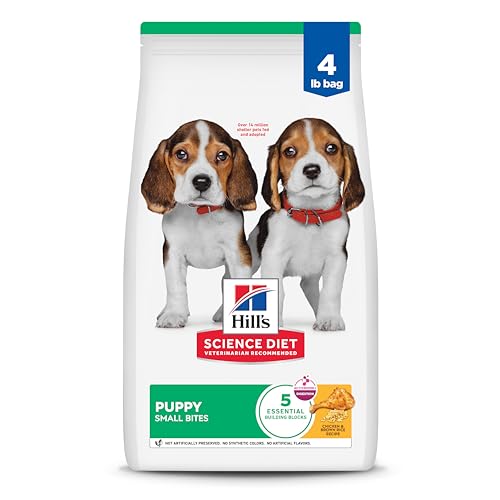
Hill's Science Diet Puppy Small Bites
What We Like
- Balanced minerals for growing bones and teeth
- DHA and fish oil support brain and eye development
- Antioxidant blend aids developing immune system
- High quality proteins fuel growing muscles
Trade-offs
- Contains grains, not suitable for grain-free diets
- Lacks guaranteed live probiotics for digestive support
The #1 Veterinarian Recommended brand gives this bag a head start over most puppy foods, but what matters more for a Pomeranian puppy is what’s inside. Balanced minerals support growing bones and teeth, DHA from fish oil fuels brain and eye development, and an antioxidant blend helps a developing immune system keep up with all that curious sniffing. High quality proteins provide the fuel a tiny body needs to turn wobbly legs into steady paws. For owners who want a straightforward, science-backed formula without chasing the latest marketing trend, this is the kind of label that rewards a close read.
The nutritional foundation here is hard to argue with: natural ingredients, a trusted manufacturer, and every key puppy development box checked. If your priority is proven formulation over bite-size convenience, this earns its place as the overall pick.
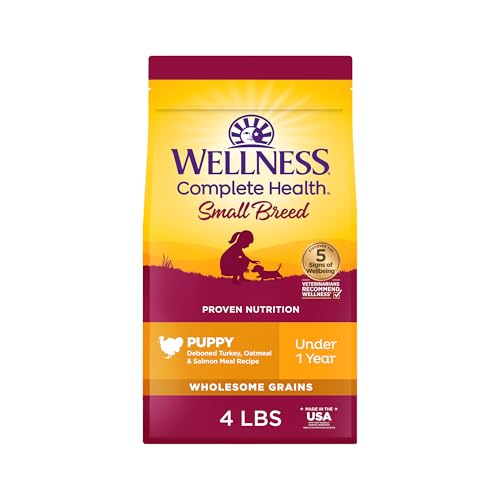
Wellness Complete Health Small Breed Puppy
What We Like
- No corn, wheat, or soy ingredients
- Includes probiotics for digestive health
- Omega fatty acids for skin and coat
- Antioxidants support immune system
Trade-offs
- Contains grains, not for grain-free diets
- Smaller 4 lb bag than some competitors
This recipe uses turkey, oatmeal, and salmon as its named ingredients, so you know exactly what’s in the bag. Wellness skips corn, wheat, and soy entirely, and adds probiotics for digestive health plus omega fatty acids for skin and coat. For a small breed puppy with a developing digestive system, that combination of clean ingredients and targeted gut support makes this a natural option worth considering. The antioxidants also support immune system health, which matters for puppies building early strength.
The trade-off is that this is a grain-inclusive recipe. If your puppy has a confirmed grain sensitivity, you’d need to look at the grain-free Wellness CORE Small Breed Puppy instead. Compared to Hill’s Science Diet Small Bites, Wellness offers a recipe with turkey and salmon versus just chicken, and excludes corn, wheat, and soy. The 4-pound bag is on the smaller side, so you’ll reorder more often than with Purina Pro Plan’s 6-pound bag, but the ingredient list is straightforward.
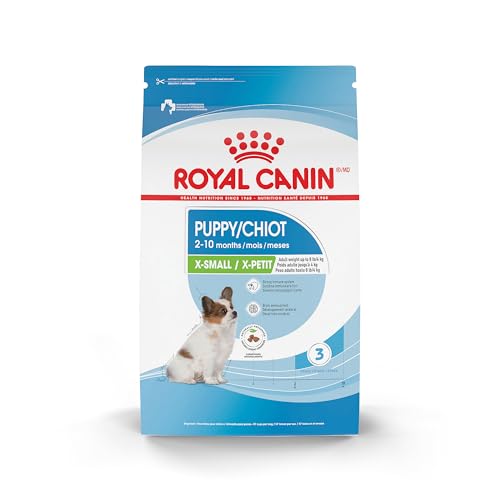
Royal Canin X-Small Puppy Dry Dog Food
What We Like
- Formulated for toy breeds under 8 lbs
- Antioxidants support immune system
- Prebiotics and proteins promote gut health
- Supports brain development during growth
Trade-offs
- Only for puppies under 8 lbs adult weight
- Single-bag size limits bulk buying
Royal Canin X-Small Puppy is built around a specific target: puppies whose adult weight will top out at 8 pounds. That narrow focus means the kibble size, nutrient balance, and calorie density are dialed in for toy breeds rather than a one-size-fits-small approach. The crunchy texture is simple to serve, and the inclusion of antioxidants plus prebiotics gives the immune and digestive systems a targeted boost during those first ten months of rapid development.
This precision comes with a limited adult weight cap. If your Pomeranian is on the larger end of the breed standard, the X-Small formula may not carry them past 10 months, and you’ll need to switch to the Royal Canin Small Puppy bag (for 9-22 lb adults) sooner. Next to Hill’s Science Diet Puppy Small Bites, which covers a broader weight range, the Royal Canin offers a tighter fit for the smallest puppies but less flexibility as they grow. For someone who wants a recipe matched to their pup’s exact size from day one, this bag delivers.
Purina Pro Plan Small Breed Puppy Food

What We Like
- Real chicken listed as first ingredient
- High protein for active small breeds
- DHA from fish oil for brain development
- Guaranteed live probiotics for digestive health
Trade-offs
- Chicken-based recipe not suitable for poultry allergies
- Contains rice, which some owners avoid
High protein is the headline here, and it matters for a Pomeranian puppy that burns energy fast. Real chicken sits first on the ingredient list, so you are getting a meat-forward formula rather than a grain-stuffed base. The DHA from fish oil supports brain and vision development during those critical early months, and live probiotics are guaranteed, not just added then processed away. This is a straightforward recipe built around what a growing small breed actually needs, without the marketing fluff.
That extra weight means more food per purchase, which works fine if you have storage space, but it is a bigger commitment if you want to test the formula first. The chicken-and-rice base is common and effective, but if a puppy has a poultry sensitivity, you will need to look elsewhere. For anyone who wants a protein-first, probiotic-backed diet, this delivers on the numbers.
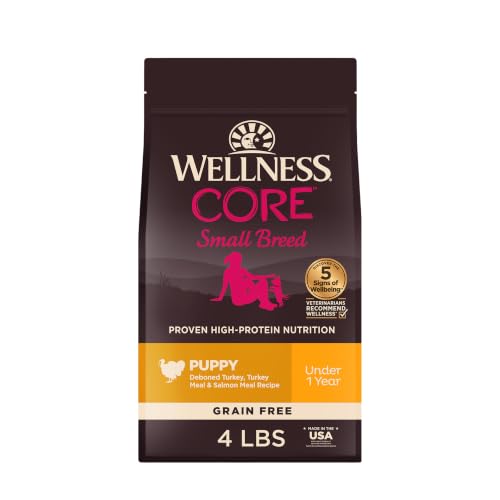
Wellness CORE Small Breed Puppy Dry Food
What We Like
- Probiotics for digestive health
- 53% high quality protein ingredients
Trade-offs
- Not suitable for puppies needing grain-inclusive recipes
- Only one bag size available
Compared to the Wellness Complete Health Small Breed Puppy, which includes wholesome grains like oatmeal, this Core formula is the grain-free option if that’s your preference. The 4 lb bag is a modest size, which owners of tiny breeds often find convenient for keeping the food fresh without taking up much pantry space.
Product photos
Blue Buffalo Baby BLUE Small Breed Puppy

What We Like
- Real chicken is first ingredient
- DHA supports cognitive development
- Antioxidant-rich LifeSource Bits included
- No chicken by-products, corn, wheat, or soy
Trade-offs
- Not suitable for grain-sensitive puppies
- No grain-free version in this recipe
Chicken is the first ingredient here, which means the protein base is a named meat rather than a vague meal or filler. For a growing Pomeranian puppy, that real chicken provides the amino acids needed for muscle development, while the added DHA targets brain and eye development during those critical early months. The LifeSource Bits are antioxidant-rich pellets mixed into the kibble, intended to support immune function, a useful detail for a small breed whose energy demands are high relative to its size. This formula skips corn, wheat, and soy, so the carbohydrate load comes from oatmeal.
The bag holds only 4 pounds, so you will reorder sooner than with a 6-pound bag like Purina Pro Plan Small Breed Puppy, especially for a small breed that eats several meals a day. Chicken is the first ingredient, and the recipe skips corn, wheat, soy, and chicken by-product meals, giving you a straightforward ingredient list. The formula includes DHA for cognitive development and antioxidant-rich LifeSource Bits for immune support.
Product photos
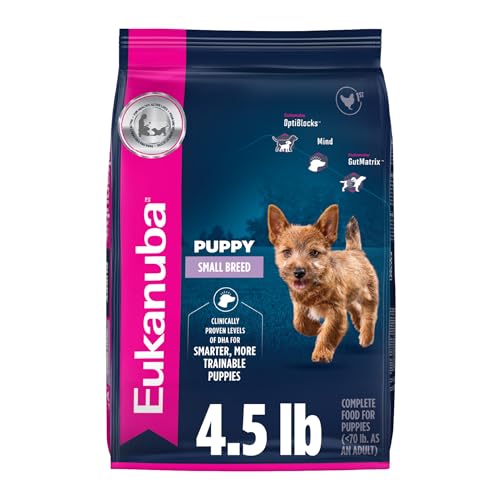
Eukanuba Puppy Small Breed Dry Dog Food
What We Like
- First ingredient is real chicken
- Optimal calcium and phosphorous for bones
- Clinically proven DHA for brain development
- Concentrated energy for growing puppies
Trade-offs
- Only for puppies under 23 lbs adult weight
The calcium and phosphorous levels are the first thing I check on a bone-development claim, and this bag delivers the optimal ratio small-breed puppies need for proper skeletal growth. Real chicken is the first ingredient, so the protein base is solid, and the clinically proven DHA content supports brain development in parallel with those growing bones. For a Pomeranian puppy that will stay under 23 pounds, this formula provides concentrated energy from fat and carbohydrates to fuel their high metabolism without overloading the kibble size.
This formula is capped at puppies with an expected adult weight under 23 pounds, which covers most Pomeranians. Next to the Hill’s Science Diet Small Bites, which is also 4.5 pounds and uses chicken and brown rice, both products offer complete nutrition for small breed puppies. If your puppy falls within the weight range, this is a straightforward, nutritionally complete option that prioritizes structural growth over marketing fluff.
Product photos
Diamond Naturals Small & Medium Breed Puppy

What We Like
- Real cage-free chicken is #1 ingredient
- Small kibble size for small breed puppies
- DHA for brain and vision development
- Guaranteed probiotics for digestive support
Trade-offs
- Chicken-based recipe not suitable for poultry allergies
- Kibble too large for some very small breeds
Real cage-free chicken as the first ingredient means this bag skips the vague meat meals and puts a named protein source front and center. That’s the kind of label transparency that tells you where the protein is coming from, which matters when you’re feeding a growing Pomeranian puppy whose digestive system is still figuring things out. The small kibble size is a practical touch for tiny mouths, and the guaranteed probiotics back up the gut health angle without relying on marketing fluff. If you’re watching your budget but don’t want to trade ingredient quality for the price, this is the kind of straightforward formulation that makes sense on paper and on the shelf.
That means you’ll be reordering sooner if a puppy has a healthy appetite, though the per-pound value still holds up for a budget pick. It’s also a chicken-based recipe, so if a Pomeranian has a known poultry sensitivity, you’ll want to look at the turkey-and-salmon formula in the Wellness Complete Health Small Breed Puppy instead. For everyone else, this is a no-nonsense, ingredient-first choice that doesn’t pretend to be something it isn’t.
Product photos
Royal Canin Small Puppy Dry Food

What We Like
- Antioxidants and prebiotics aid immune and digestive health
- Formulated for small breed growth and brain development
- Developed by veterinarians
Trade-offs
- Only for puppies under 22 lbs adult weight
- Designed for small breeds, not toy breeds under 9 lbs
A crunchy kibble designed specifically for small-breed puppies between 9 and 22 pounds at maturity means the texture and nutrient density are matched to their jaw size and fast growth curve. The inclusion of antioxidants, prebiotics, and proteins targets immune support and digestive health during the critical first ten months, which is exactly what a developing small breed needs. This makes it a sensible pick for anyone who wants a formula built around the specific metabolic demands of a smaller dog rather than a one-size-fits-all puppy food.
This bag is calibrated for puppies in the 9-22 pound adult weight range. So if your Pomeranian runs smaller than that (many do), the Royal Canin X-Small Puppy Dry Food would be a more precise fit. Next to Hill’s Science Diet Puppy Small Bites, which covers a broader weight range, Royal Canin narrows its focus to small breeds only, which can be an advantage for tighter nutritional targeting but a limitation for those with a toy-breed puppy.
Product photos
How We Evaluated Foods For Pomeranian Puppies
Our evaluation started with the ingredient panel and guaranteed analysis of each formula. We compared protein percentages, fat content, calcium-to-phosphorus ratios, and the presence of DHA from fish oil, a key nutrient for brain and eye development in growing puppies. Manufacturer claims were cross-checked against the printed nutritional adequacy statements.
We prioritized four criteria specific to Pomeranian puppies: kibble size (tiny mouths need small pieces), protein quality (named animal proteins beat vague “meat meal”), digestive support (probiotics or prebiotics help sensitive stomachs), and breed-specific formulation. Formulas with multiple protein sources or grains were not penalized unless the mix created known allergy risks for this breed.
An evaluation based on research has limits: we did not feed these foods to puppies or run laboratory tests. Our conclusions come from reading labels, studying veterinary nutrition guidelines, and identifying common owner-reported issues like picky eating or loose stools. For a deeper look at the category, our comprehensive Pomeranian puppy food guide covers the full selection process.
What To Look For In Foods For Pomeranian Puppies
Choosing the right food means matching the formula to your puppy’s expected adult size, activity level, and digestive tolerance. A toy-breed puppy under 8 pounds has different needs than a small-breed puppy that will reach a higher weight.
Look for small kibble, a named animal protein as the first ingredient, DHA from fish oil, and guaranteed probiotics or prebiotics. Avoid vague fats and unnamed meat meals.
Kibble Size and Shape
Pomeranian puppies have small mouths and developing teeth. A kibble that is too large encourages gulping without chewing, which can lead to choking or poor digestion. Look for formulas explicitly labeled “small breed,” “small bites,” or “toy breed.” The Hill’s Science Diet Small Bites and Royal Canin X-Small formulas use kibble shapes designed for tiny jaws. Our toy breed puppy food guide goes deeper on size-specific options.
Protein Source and Quality
The first ingredient should be a named animal protein, chicken, lamb, or fish, not “poultry meal” or “meat meal.” Pomeranians can develop food sensitivities to common proteins, so a single novel protein like salmon or venison can be helpful if your puppy shows signs of itching or ear infections. The best puppy food for small dogs often lists chicken or salmon first.
DHA and Brain Development
Docosahexaenoic acid (DHA) from fish oil supports cognitive development during the first year. Most premium puppy foods include it, but the concentration varies. Formulas like Purina Pro Plan Small Breed and Eukanuba Small Breed call out clinically proven DHA levels. Check the guaranteed analysis for a DHA percentage, not just “fish oil” on the ingredient list.
Digestive Support
Pomeranian puppies are prone to sensitive stomachs. Look for guaranteed live probiotics (like in Purina Pro Plan or Diamond Naturals) or prebiotic fibers (like beet pulp or chicory root). The nutrition for small breeds section of our guide explains which fiber sources work best.
- Choose a kibble size that matches your puppy’s mouth at 8 weeks, not at adult size.
- Look for “complete and balanced” for growth per AAFCO standards on the label.
- Avoid artificial colors, flavors, and preservatives like BHA or BHT.
- Consider a rotation of two proteins early to reduce future food sensitivities.
A good rule: if the kibble looks too big for a teething puppy, it probably is.
Foods For Pomeranian Puppies Compared
The table below compares each formula on the criteria that matter most for a Pomeranian puppy: kibble size, protein source, DHA content, and digestive support.
| Product | Protein Source | Key Nutrients | Bag Size |
|---|---|---|---|
| Hill's Science Diet Puppy Small Bites | Chicken & Brown Rice | DHA, Fish Oil, Antioxidants | 4.5 lb |
| Wellness Complete Health Small Breed Puppy | Turkey, Oatmeal, and Salmon | Antioxidants, Probiotics, Omega Fatty Acids | 4 lb |
| Royal Canin X-Small Puppy Dry Dog Food | N/A | Antioxidants, prebiotics, proteins | 3 lb |
| Purina Pro Plan Small Breed Puppy Food | Chicken & Rice | Live probiotics, DHA | 6 lb |
| Wellness CORE Small Breed Puppy Dry Food | Turkey and Salmon | DHA, calcium, phosphorus | 4 lb |
| Blue Buffalo Baby BLUE Small Breed Puppy | Chicken & Oatmeal | DHA, Antioxidant-rich LifeSource Bits | 4 lb |
| Eukanuba Puppy Small Breed Dry Dog Food | Real Chicken First | Calcium & Phosphorous, DHA | 4.5 lb |
| Diamond Naturals Small & Medium Breed Puppy | Real Cage-Free Chicken | DHA, Guaranteed Probiotics | 6 lb |
| Royal Canin Small Puppy Dry Food | N/A | Antioxidants, prebiotics, proteins | 4 lb |
Frequently Asked Questions
What is the best food for a Pomeranian puppy?
The best overall choice is Hill’s Science Diet Puppy Small Bites, which provides balanced minerals for bone development and DHA for brain growth. For a natural-ingredient option, Wellness Complete Health Small Breed Puppy is a strong alternative.
How much should I feed my Pomeranian puppy?
Feeding amounts depend on the specific formula’s calorie density and your puppy’s age and activity level. Start with the feeding guide on the bag, divide the daily amount into three or four meals, and adjust based on body condition. Your veterinarian can help fine-tune portions.
When should I switch from puppy to adult food?
Small and toy breeds typically transition to adult food around 9 to 12 months of age. Pomeranians may reach maturity earlier than larger breeds. Our adult Pomeranian food guide covers the transition process and appropriate formulas.
Is grain-free food safe for my Pomeranian puppy?
Grain-free diets are safe for most puppies, but they are not necessary unless your puppy has a confirmed grain allergy. The Wellness CORE Small Breed Puppy formula is a good grain-free option. Consult your veterinarian before choosing a grain-free diet, especially given ongoing research about dilated cardiomyopathy in dogs.
What ingredients should I avoid in Pomeranian puppy food?
Avoid artificial preservatives like BHA and BHT, unnamed meat meals, and excessive fillers like corn gluten meal. Also watch for vague fat sources labeled “animal fat” instead of named fats like chicken fat or fish oil.
The Bottom Line
The Hill’s Science Diet Puppy Small Bites earns the best overall spot because it balances bone-building minerals, DHA for brain development, and an antioxidant blend for immune support. The kibble size is small enough that tiny mouths can handle it. It is the safest starting point for owners who want a veterinarian-recommended formula without guessing about ingredients.
If your puppy is a confirmed toy breed under 8 pounds, the Royal Canin X-Small Puppy formula is worth the extra cost for its breed-specific nutrient profile. Budget-conscious owners should look at Diamond Naturals Small & Medium Breed Puppy, which offers real chicken first and guaranteed probiotics at a lower price point.
The single most important factor is kibble size. A Pomeranian puppy that struggles to chew its food will eat less, miss nutrients, and may develop picky eating habits. Start with a small-bites formula and watch your puppy eat, if the kibble rolls out of the bowl untouched, size down.
