
4 Best Dog Food To Prevent Yeast Infections in 2026
This post contains affiliate links. As an Amazon Associate, we earn from qualifying purchases.
The best dog food to prevent yeast infections is Wysong Epigen 90 Starch Free Dog Food, which combines a near-zero starch formula with probiotics and prebiotics to support gut health. For owners who prefer a low-carbohydrate kibble, the Ketona Chicken Recipe Low Carb Dog Food is a strong choice, while Ps for Dogs Hypoallergenic Dog Food targets allergy-driven yeast issues with a low-glycemic wet food.
Yeast infections in dogs often stem from an overgrowth of Malassezia, which thrives on sugars and starches. The right diet reduces the fuel available to yeast, making ingredient sourcing and carbohydrate content the most critical factors in choosing a food.
This guide compares four top-rated formulas based on their starch levels, protein sources, and ingredient transparency. We reviewed manufacturer specifications, expert nutritional round-ups, and patterns in owner feedback to help you match a food to your dog’s specific needs.
Top 4 Dog Foods To Prevent Yeast Infections in the Market
Certain content that appears on this site comes from Amazon. This content is provided "as is" and is subject to change or removal at any time.
The Best Dog Foods To Prevent Yeast Infections, Reviewed
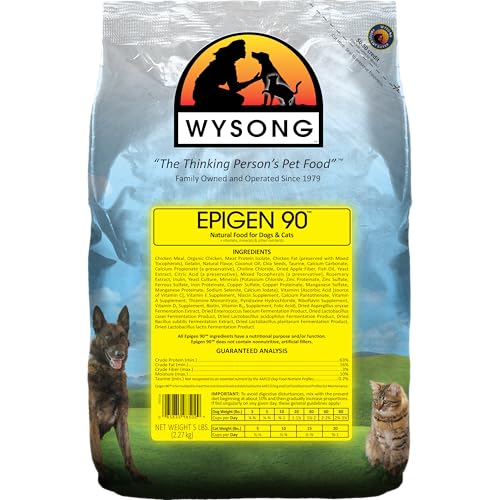
Wysong Epigen 90 Starch Free Dog Food
What We Like
- Includes probiotics and prebiotics
- Nutrient-dense for smaller portions
- Rich in omega-3s and essential fatty acids
Trade-offs
- Very nutrient dense requires slow introduction
The trade-off is that this food is extremely nutrient dense, so you have to introduce it slowly over several days to avoid digestive upset. Compared to Ketona Chicken Recipe, which is low carb but still contains some starch from its ingredient list, Epigen goes a step further by eliminating starch entirely. That makes it the better choice for dogs with stubborn yeast problems, but it requires more careful transition and portion control. If your dog has a very sensitive stomach, you might need to mix it with a bland diet during the switch.
Product photos
Ketona Chicken Recipe Low Carb Dog Food

What We Like
- 46% protein from antibiotic-free chicken
- Made in the USA with natural ingredients
- Less than 6% total digestible carbohydrate
Trade-offs
- Only available in 4.2 lb bag size
- Not suitable for dogs needing higher carbohydrate levels
With 46% protein from non-GMO, antibiotic-free chicken raised by American ranchers using sustainable practices, this formula delivers a high-protein, low-carb macronutrient profile that closely mirrors what a raw diet provides. Owners get the nutritional benefits of raw feeding without the mess, thawing, or handling concerns. The protein content supports lean muscle maintenance and overall vitality, while the drastically reduced carbohydrate load helps manage weight and blood sugar levels. Created by the author of “Dogs, Dog Food, and Dogma,” the recipe reflects a deep understanding of canine nutritional science. It’s a practical, shelf-stable alternative that brings raw-like nutrition into a convenient kibble form.
The trade-off is that this is a very targeted formulation. If your dog does well on a single chicken protein source and needs minimal carbohydrates, Ketona is about as clean as dry food gets. Compared to Wysong Epigen 90 Starch Free, which also targets low starch, Ketona’s advantage is its transparent sourcing of non-GMO, antibiotic-free chicken from American ranchers. But the 4.2 lb bag means you’ll be reordering more frequently than with larger kibble bags, and the low-carb approach isn’t for every dog, some need more carbohydrates for energy or medical reasons. For owners focused strictly on cutting carbohydrates, this is a direct option in the guide.
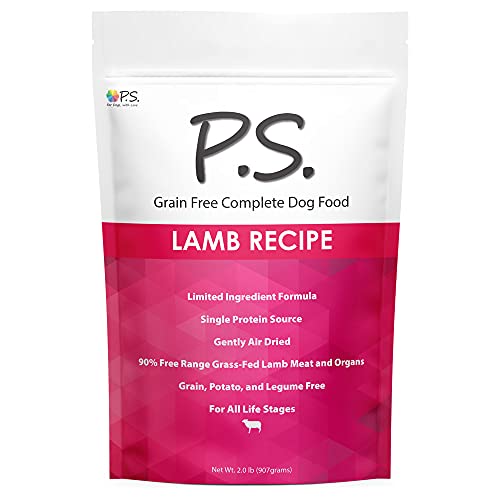
Ps for Dogs Hypoallergenic Dog Food
What We Like
- Low glycemic to reduce yeast growth
- Human-grade New Zealand Lamb
- Grain-free and high protein
- Made in small batches in New Zealand
Trade-offs
- Single protein limits rotation options
A low-glycemic formula that directly targets yeast overgrowth on paws, the primary driver of that obsessive licking and biting, makes this a logical first stop for dogs with suspected food allergies. The air-dried, soft lamb pieces are grain-free and high protein, which cuts off the sugar source yeast needs to thrive. It suits owners who want a limited-ingredient, single-protein diet without relying on prescription foods or repeated vet shots.
Air-dried food is shelf-stable until opened, but once opened, it should be stored in an airtight container to maintain freshness. For a dog that’s truly allergic to common proteins, though, the focused formula and New Zealand sourcing make the extra attention worthwhile.
Product photos
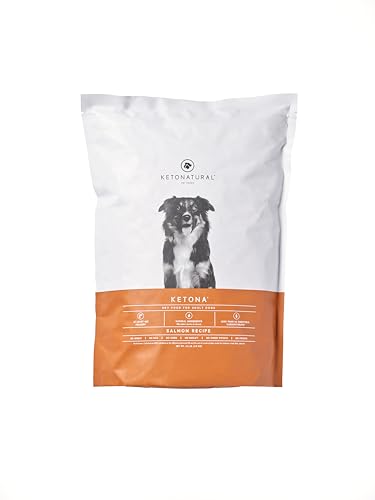
Ketona Salmon Recipe Low Carb Dog Food
What We Like
- Less than 6% carbohydrate
- Over 46% protein
- Grain-free recipe
- No gradual transition needed
Trade-offs
- Only one protein option available
- Not suitable for dogs requiring grain in their diet
At less than 6% carbohydrate, this kibble slashes the starch that feeds yeast, a key concern if you’re managing recurrent infections. The 46%+ protein comes from a meat source, and the formula is grain-free. Ketona’s recipe provides high protein and low carbs in a shelf-stable kibble that costs less than many raw or fresh diets. The brand states you can switch all at once without a gradual transition, which simplifies the process for any dog.
Salmon is the first ingredient in this low-carb kibble, which keeps protein high at 46% and carbs below 6%, so dogs burn fat instead of storing it. That makes it a good fit for owners who want the nutrition of a raw diet without the freezer space or the price tag. Unlike high-starch foods, this recipe allows a fast, easy transition, no gradual switch needed.
How We Evaluated Dog Foods To Prevent Yeast Infections
Our evaluation began with a close look at each formula’s carbohydrate and starch content, since yeast feeds on simple sugars. We examined guaranteed analysis sheets, ingredient lists, and manufacturer statements about glycemic impact. We also cross-referenced expert round-ups on managing yeast infections through diet to confirm which nutritional strategies are most commonly recommended.
The four criteria that mattered most were: starch or carbohydrate percentage, quality of protein source, inclusion of probiotics or prebiotics, and the presence of common allergens like grains or poultry. A low-starch formula with a single novel protein and gut-supporting additives scored highest. We also weighed practical factors like bag size, transition requirements, and whether a food is suitable for multi-dog households.
A research-led evaluation has limits. We cannot replicate the metabolic response of individual dogs, and some dogs may react to ingredients that are generally considered safe. The patterns we describe come from aggregate owner reports and published nutritional data, not from controlled feeding trials.
What To Look For In Dog Foods To Prevent Yeast Infections
Choosing the right food means reading past the front-of-bag claims and checking the actual carbohydrate load, protein purity, and additive profile.
Look for a food with low digestible carbohydrates, a single novel protein, and added probiotics or prebiotics. Avoid formulas with potatoes, peas, rice, or other high-starch fillers.
Starch and Carbohydrate Content
Yeast cells metabolize simple sugars and starches. A food with low total digestible carbohydrate is a strong baseline. The Ketona recipes, for example, list less than 6% carbohydrate, while the Wysong formula is starch-free by design. Compare the guaranteed analysis for fiber and calculate carbohydrate content by subtracting protein, fat, fiber, moisture, and ash from 100 percent.
Protein Source and Novelty
A single, high-quality protein reduces the chance of a food allergy triggering inflammation that worsens yeast. The Ps for Dogs formula uses human-grade New Zealand lamb, a novel protein for most dogs. Ketona uses antibiotic-free chicken. If your dog has known sensitivities, a diet for yeast-prone dogs with a single novel protein is worth prioritizing.
Gut Health Additives
Probiotics and prebiotics support a balanced microbiome, which can crowd out yeast. Wysong Epigen 90 includes both in its formula. Omega-3 fatty acids from fish oil or flaxseed also help reduce skin inflammation that often accompanies yeast overgrowth. Check the ingredient list for named probiotic strains or prebiotic fibers like inulin.
- Confirm the food lists a named protein source (e.g., “deboned chicken” not “poultry meal”).
- Verify the carbohydrate percentage from the manufacturer or a third-party analysis.
- Look for added probiotics, prebiotics, or omega-3 sources.
- Avoid foods with potato, pea, rice, or corn as primary ingredients.
- Choose a formula that matches your dog’s life stage and activity level.
If the bag lists more than five starch-containing ingredients in the first ten, keep looking.
Dog Foods To Prevent Yeast Infections Compared
The table below compares the four picks side by side, highlighting their starch levels, protein sources, and best-use scenarios.
| Product | Protein Source | Starch/Carb Content | Form | Weight |
|---|---|---|---|---|
| Wysong Epigen 90 Starch Free Dog Food | Chicken | Starch Free | Dry | 5.0 pounds |
| Ketona Chicken Recipe Low Carb Dog Food | Chicken | Under 6% | Dry | 4.2 pounds |
| Ps for Dogs Hypoallergenic Dog Food | New Zealand Lamb | N/A | Air-dried soft pieces | 2 pounds |
| Ketona Salmon Recipe Low Carb Dog Food | Salmon | <6% | Dry | 4.2 lb |
Frequently Asked Questions
What ingredients in dog food cause yeast infections?
Yeast feeds on carbohydrates, especially simple starches and sugars. Ingredients like potatoes, peas, rice, corn, and sweet potatoes can contribute to yeast overgrowth in susceptible dogs. A low-starch diet that avoids these fillers is the most effective nutritional approach to prevent yeast infections.
Can a low-carb dog food really stop yeast overgrowth?
A low-carb diet reduces the fuel available to Malassezia yeast, which can help control overgrowth. It is not a cure, but many owners report fewer ear infections and less paw licking after switching to a formula with low carbohydrate. Combine diet changes with veterinary care for active infections.
Is wet food or dry food better for yeast-prone dogs?
Wet food generally contains fewer carbohydrates than dry kibble, since it does not require starch for binding. The Ps for Dogs Hypoallergenic wet food is a good example. However, low-carb dry options like Ketona also work well. The carbohydrate content matters more than the moisture level.
How quickly will a yeast infection improve after changing food?
Some owners see improvement in skin itching and ear odor within two to four weeks of switching to a low-starch diet. Full resolution of chronic yeast issues may take longer and often requires addressing underlying allergies. A diet for allergies and yeast can help when both conditions are present.
What should I do if my dog’s yeast infection does not clear up with diet change?
Persistent yeast infections may indicate an underlying food allergy, environmental allergy, or a medical condition like hypothyroidism. Work with your veterinarian to rule out other causes. A limited-ingredient diet for food allergies and yeast can help identify trigger ingredients.
The Bottom Line
The Wysong Epigen 90 Starch Free Dog Food is our best overall pick for dog owners who want to cut yeast fuel at the source. Its starch-free formula, combined with probiotics and omega-3s, addresses both the dietary and gut-health sides of yeast management. It is nutrient-dense, so you feed smaller portions, but plan a slow transition to avoid digestive upset.
If your dog needs a straightforward low-carbohydrate kibble, the Ketona Chicken Recipe delivers under 6% carbs from antibiotic-free chicken. For dogs with suspected food allergies driving their yeast problems, the Ps for Dogs Hypoallergenic wet food offers a single novel protein in a low-glycemic format that can help relieve itching and paw licking.
The single most important factor in choosing a dog food for yeast prevention is the total carbohydrate content. Read the guaranteed analysis, count the starch sources, and pick the formula that leaves yeast the least to eat.
