
10 Best Baby Bird Food in 2026
This post contains affiliate links. As an Amazon Associate, we earn from qualifying purchases.
The Kaytee Exact Hand Feeding Formula earns our Best Overall pick because it contains probiotics, digestive enzymes, and omega-3s formulated for multiple baby bird species, making it a reliable choice for mixed nurseries. For breeders focused on small parrots, the Psittacus Mini Hand-Feeding Formula is our Best for Small Parrots pick, offering a non-GMO, low-fat option. The Harrison’s Bird Foods Juvenile Hand-Feeding Formula is our top pick for those seeking certified organic ingredients.
Raising a baby bird by hand is a delicate process where the wrong formula can mean the difference between a thriving chick and a struggling one. Temperature, ingredient quality, and species-specific nutritional needs all matter far more than brand familiarity or bag size.
We built this guide by analyzing manufacturer specifications, expert recommendations, and patterns in owner feedback across ten leading formulas. Our goal is to help you match a formula to your chick’s species, your feeding setup, and your ingredient priorities without guesswork.
Top 10 Baby Bird Foods in the Market
Certain content that appears on this site comes from Amazon. This content is provided "as is" and is subject to change or removal at any time.
The Best Baby Bird Foods, Reviewed
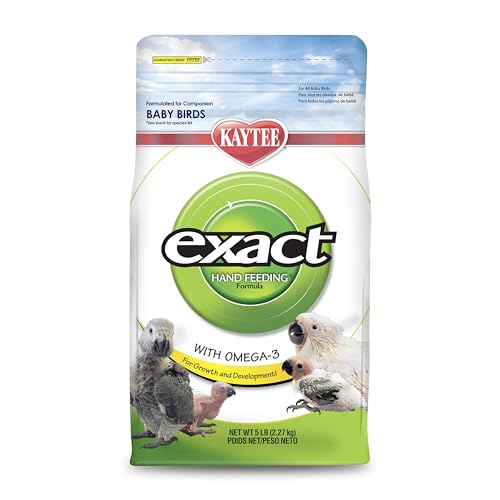
Kaytee Exact Hand Feeding Formula
What We Like
- Contains probiotics and digestive enzymes
- Omega-3s for brain and heart health
- Formulated for multiple baby bird species
Trade-offs
- Not suitable for owners who prefer a no-GMO formula.
A 5-pound bag means you’re buying a substantial supply for hand-feeding, which makes sense if you’re raising multiple chicks or a larger parrot species. The formula contains probiotics and digestive enzymes to help support healthy digestion, and omega-3s to support brain and heart health in growing birds. It is formulated for baby parrots including parakeets, lovebirds, cockatiels, conures, macaws, and Amazons, as well as baby passerines, so one bag covers a range of species. Kaytee has been trusted by experts for over 150 years.
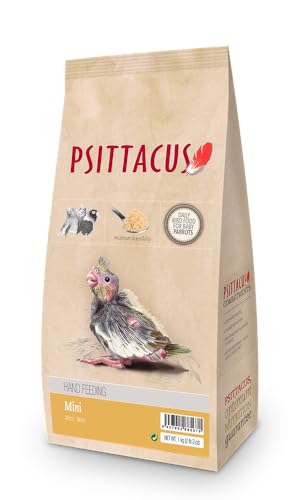
Psittacus Mini Hand-Feeding Formula
What We Like
- 100% non-GMO ingredients
- No artificial coloring or synthetic antioxidants
- European manufactured product
- Designed for small parrots' low-fat needs
Trade-offs
- Leftover formula must be discarded after each feeding
- Requires precise mixing at 37°C (99°F)
- Only for small parrots, not larger species
It’s 100% non-GMO with no artificial coloring or synthetic antioxidants, which is exactly the kind of label-reading transparency I look for. The mixing instructions are precise: 20-25% formula with lukewarm water at 99°F, aiming for a shaken-yogurt texture. You feed 7-10 ml per 100 g of body weight per bout, adjusting frequency by the chick’s development stage.
The main trade-off is that leftover formula must be discarded after each feeding, so you’re mixing small batches every time, no making a big pitcher for the day. That’s fine for a single chick, but if you’re feeding a nursery of multiple species, the Kaytee Exact Hand Feeding Formula offers a more general-purpose option. You also need to check the crop is empty each morning, which is standard practice for hand-feeding. For someone who wants a non-GMO, no-additive formula and doesn’t mind the extra precision, this fits the bill.
Product photos
Psittacus Parrot Hand-Feeding Formula

What We Like
- 100% non-GMO ingredients
- No artificial colors or antioxidants
- Versatile for common parrot species
Trade-offs
- Must discard leftover formula after each feeding
- Requires precise water temperature (37°C)
A 100% non-GMO formula with no artificial coloring or synthetic antioxidants means you’re feeding the chick exactly what it needs, not fillers or preservatives. Designed for common parrot species like caiques, conures, and green cheeks, it works as a complete diet from pin feather opening through weaning. The mixing instructions call for lukewarm water at 37°C at a concentration of 20-25% to get a shaken-yogurt texture, so you have a clear target to aim for.
Leftover formula must be discarded after each feeding bout, which means you’re mixing fresh each time, something to consider if you’re feeding just one chick. The 2.2-pound bag is smaller than the 5-pound Kaytee Exact Hand Feeding Formula, so if you need a larger volume, that option offers more. But this Psittacus formula uses high-quality, non-GMO ingredients and is designed for common parrot species that don’t require a specialized diet.
Product photos
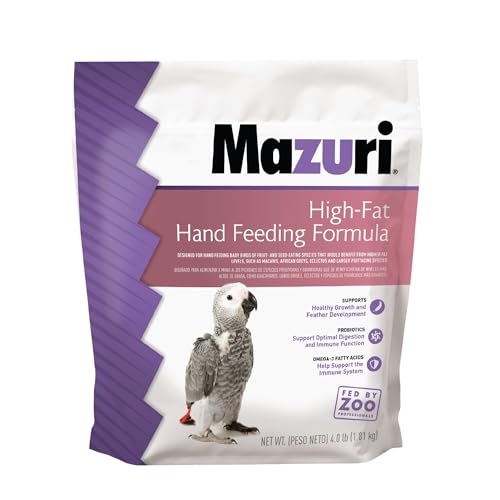
Mazuri High-Fat Hand Feeding Formula
What We Like
- Iron-controlled for sensitive species
- Contains probiotic organisms for gut health
- Natural preservatives, no artificial flavors
- Promotes hydration in young birds
Trade-offs
- Only available as 4 lb bag
- Dry powder requires careful mixing
The iron-controlled formula is the standout feature here, making this a go-to for species prone to iron storage disease. Mazuri designed it to promote hydration in young birds, which is critical during hand-feeding when dehydration risk is highest. The inclusion of probiotic organisms helps kickstart gastrointestinal microflora development, and natural preservatives mean you’re not feeding artificial junk.
The trade-off is that this is a dry powder that requires precise mixing to achieve the right moisture gel consistency, so you’ll need to pay attention to your ratios. Compared to Kaytee Exact Hand Feeding Formula, which is a 5-pound bag, Mazuri’s iron control makes it more specialized for iron-sensitive species. If you’re feeding a species that doesn’t need the iron restriction, you might be better off with a more balanced formula. But for those who need it, this is the right call.
Product photos
Nekton Baby Bird Handfeeding Formula

What We Like
- Vegetable-based nutrient profile
- Trusted brand recognition
- Formulated as first food for hatchlings
Trade-offs
- Single 500g bottle limits volume for larger broods
- No animal protein for species needing meat-based nutrition
The 500g container is a single-bottle size, which works for a small breeder or a single hatchling but means more frequent reordering if you’re feeding multiple nests. The vegetable-based nutrient mix is straightforward, with no ambiguous by-products, which aligns with what I look for in any commercial diet. Nekton is a name that’s been around long enough that you don’t have to wonder whether the formula was thrown together last Tuesday.
The real trade-off here is that this formula is general-purpose, not tailored to specific species. Psittacus offers separate formulas for cockatiels and conures, while this Nekton bag stays broad. For a straightforward, no-nonsense starter formula from a brand with a long track record, this fits. Just check the ingredient list against your bird’s specific requirements before committing.
Product photos
Versele-Laga Nutribird A19

What We Like
- Scientifically composed for optimal growth
- 800g bag size
- Targeted for macaws, eclectus, hawk-headed parrots, African grey parrots
Trade-offs
- Only 800g bag size
- Not formulated for small birds like cockatiels
The 800g bag of Versele-Laga Nutribird A19 is formulated for macaws, eclectus, hawk-headed parrots, and African grey parrots. That targeted species list tells you this isn’t a one-size-fits-all powder; it’s designed for the metabolic needs of those specific birds. The ‘scientifically composed’ claim on the label indicates the formula was developed for optimal growth. If you’re hand-feeding a chick of one of these species, this mix is built to support its development without filler grains or vague ‘bird food’ language.
This formula is designed for a specific set of species, which limits its versatility. If you’re raising a bird not on that list, the Kaytee Exact Hand Feeding Formula comes in a 5-pound bag, which might stretch further for a smaller bird. The Nutribird A19’s 800g size is fine for a single chick but could mean reordering sooner if you have multiple babies.
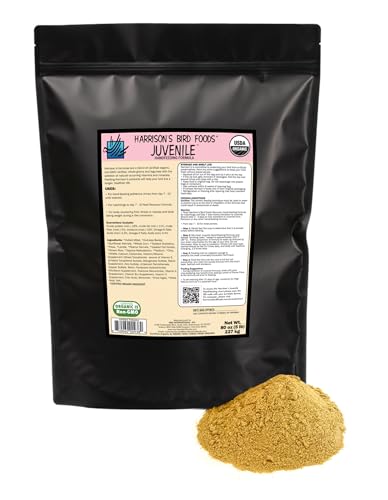
Harrison's Bird Foods Juvenile Hand-Feeding Formula
What We Like
- Certified organic whole-food ingredients
- Non-GMO grains and legumes
- Also supports recovering birds
- Balanced nutrition for growing chicks
Trade-offs
- Must be mixed fresh for each feeding
- Requires precise water temperature (103°F)
A certified organic, Non-GMO formula built from whole grains and legumes means you’re not feeding a bird a slurry of synthetic vitamins and mystery meal. Harrison’s skips the fillers and puts the ingredient list front and center, which is exactly what I look for when I flip a bag over. This 5 lb bag is designed for psittacine chicks from hatch through weaning, but it also pulls double duty as nutritional support for birds recovering from illness or injury. If you’re the type who reads the fine print before scooping, this one rewards that habit.
This isn’t a mix-and-forget powder. You need to prepare it fresh each feeding with bottled water heated to about 103°F, following proportions from an avian vet. That’s more hands-on than a formula like Kaytee Exact, which is a bit more forgiving on prep. But if you’re already measuring and monitoring a baby bird’s weight, the extra step is just part of the routine. For someone who values ingredient transparency and organic sourcing over convenience, Harrison’s makes the extra effort feel worth it.
LAFEBER'S Nutri-Start Baby Bird Food
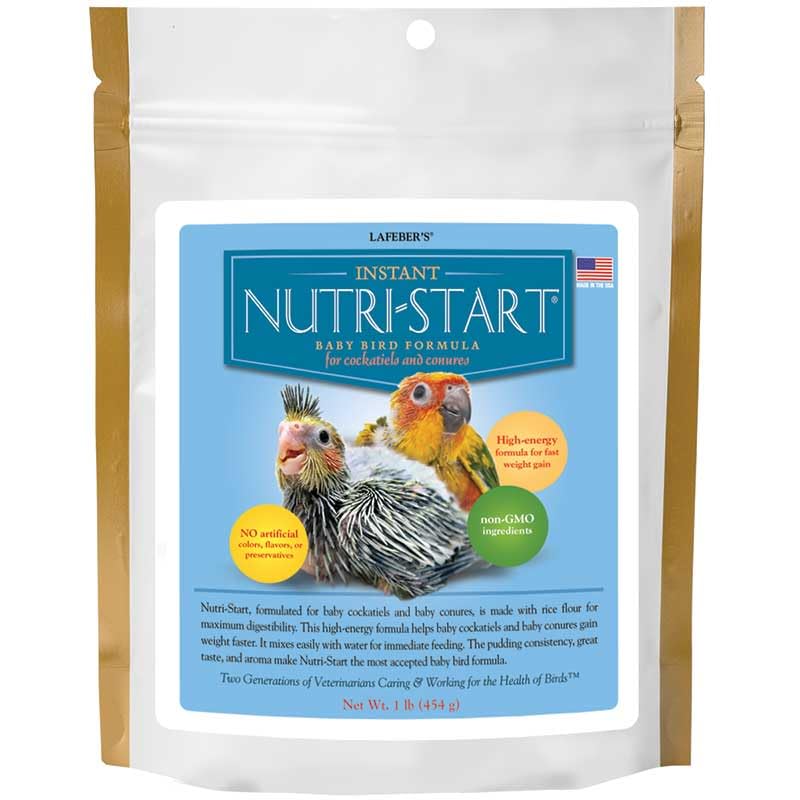
What We Like
- Complete balanced diet for babies
- No-fuss mix-with-water preparation
- Made in the USA
- Targeted for cockatiels and conures
Trade-offs
- Only 1.1 lb bag, smaller than many alternatives
- Limited to cockatiels and conures only
At just 1.1 pounds, this is the smallest bag in the guide, which makes it ideal if you’re raising a single clutch or want to try a new formula without committing to a five-pound sack. The mix-with-water preparation is about as straightforward as hand-feeding gets, and the fact that it’s made in the USA gives you a baseline for quality control. For someone who needs a complete, balanced diet specifically for cockatiel or conure chicks, this hits the budget-friendly sweet spot without cutting corners on nutrition.
If you’re raising cockatiels or conures, this formula is a perfect match, but you’re locked into those two species, so hand-feeding a different parrot means buying a different food. Kaytee Exact Hand Feeding Formula comes in a 5-pound bag, so it’s a bigger commitment in storage space. LAFEBER’S keeps things simple for the breeder who knows exactly what they’re raising.
Product photos
Higgins Intune Natural Hand Feeding Formula

What We Like
- Natural ingredients formula
- Suitable for all baby birds
- 10-ounce package size
Trade-offs
- No digestive enzyme mentioned
- No digestive enzyme included
At just 0.6 pounds for a 10-ounce bag, this formula is compact enough to store easily and mix fresh batches without taking up much shelf space. It’s labeled for all baby birds, which simplifies things if you’re raising a mixed clutch or just want one formula on hand. The natural ingredient focus is the main draw here. Higgins leans on recognizable components rather than a long list of synthetic additives, which appeals to anyone who reads the back of the bag before the front.
The 10-ounce bag is smaller than some multi-pound options on the market, so if you’re feeding multiple chicks or a large parrot baby, you’ll be reordering sooner. For someone raising a single small bird or prioritizing ingredient simplicity over volume, this is a clean, straightforward option that doesn’t try to be everything at once.
Roudybush Formula 3 Baby Bird Food
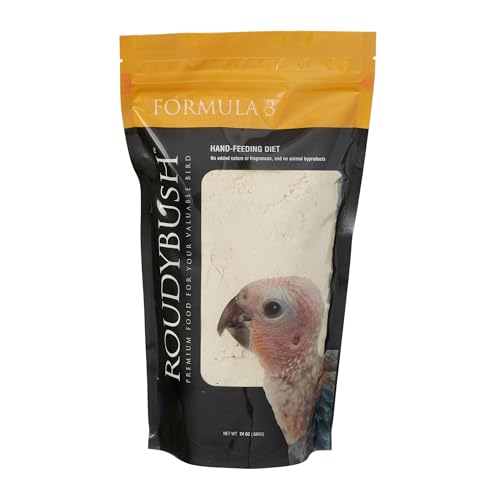
What We Like
- No added sugars or colors
- 100% edible, no animal by-products
- Scientifically formulated for newborns
Trade-offs
- Targets psittacines and squabs only
- Not suitable for finches or canaries
Roudybush Formula 3 skips added sugars and artificial colors entirely, so you’re not feeding a baby bird the avian equivalent of candy. The 5-pound bag means fewer refills during the hand-feeding weeks, and the formula is 100 percent edible with no animal by-products, just the nutrients a newborn psittacine or squab needs. If you’re raising a parrot chick and want a clean ingredient list that doesn’t rely on marketing fluff, this one lines up with what the label actually says.
At 5 pounds, this bag is heavier than Psittacus Mini Hand-Feeding Formula’s 2.2-pound option, so it takes up more storage space. That might matter if you’re only feeding one small chick and don’t want a half-used bag sitting around. Roudybush also sticks to psittacines and squabs, so it’s not a universal formula for every bird species. For a single cockatiel baby, the smaller Psittacus bag could be more practical, but if you’re feeding multiple chicks or want the longest-lasting supply, the Roudybush weight makes sense.
Product photos
How We Evaluated Baby Bird Foods
We evaluated each formula against its stated nutritional profile, target species list, and preparation requirements using manufacturer data and expert round-ups. Owner feedback patterns helped us understand which formulas are actually easy to mix consistently and which ones chicks accept readily.
The four criteria that mattered most were ingredient quality, nutritional suitability for the target species, ease of preparation, and bag size practicality for the intended brood size. Ingredient quality covers non-GMO status, preservatives, and artificial additives. Nutritional suitability includes fat content, iron levels, and protein source. Ease of preparation involves water temperature tolerance, mixing consistency, and storage rules. A formula that requires discarding leftovers after every feeding is fine for a single chick but impractical for a large nursery.
We prioritized transparency in labeling and species-specific formulation over marketing claims.
What To Look For In Baby Bird Foods
Choosing a hand-feeding formula comes down to matching the nutritional profile to your bird species and your own feeding routine. The right formula supports steady growth without digestive upset.
Match the formula’s fat and protein levels to your bird species, check for iron content if raising an iron-sensitive bird, and choose a preparation method you can follow consistently every feeding.
Species-Specific Nutrition
Small parrots like cockatiels and conures need a lower fat content than macaws or African greys. The Psittacus Mini Hand-Feeding Formula is designed specifically for low-fat needs, while the Versele-Laga Nutribird A19 targets larger species like macaws and eclectus. Feeding a high-fat formula to a small parrot chick can cause growth problems, and feeding a low-fat formula to a macaw chick can leave it undernourished.
Ingredient Quality and Additives
Some breeders prioritize non-GMO ingredients and avoid artificial colors or synthetic antioxidants. The Psittacus formulas and Harrison’s Juvenile Formula meet those standards. Others prefer formulas with added probiotics and digestive enzymes, like the Kaytee Exact, to support gut health during the vulnerable hand-feeding period. The Higgins Intune formula uses natural ingredients but does not include digestive enzymes, which may matter to you depending on your chick’s history.
Preparation and Storage Requirements
Every formula requires precise water temperature, but some are more forgiving than others. The Psittacus formulas demand mixing at exactly 37°C (99°F) and require discarding leftovers after each feeding. The LAFEBER’S Nutri-Start offers a simpler mix-with-water preparation that appeals to breeders who want less fuss. If you are feeding a single chick, a smaller bag like the Nekton 500g bottle makes sense. For a nursery with multiple chicks, the larger bags from Kaytee or Mazuri reduce the frequency of reordering.
- Confirm the formula is formulated for your bird’s species and life stage.
- Check whether the formula requires precise temperature control or allows some margin.
- Look at the bag size relative to how many chicks you plan to feed.
- Verify whether leftovers can be stored or must be discarded after each feeding.
- Read the ingredient list for any additives you want to avoid or include.
A formula that fits your species and your routine will be easier to feed consistently, and consistency is what drives healthy growth.
Baby Bird Foods Compared
The table below compares all ten formulas side by side, covering target species, key ingredients, and preparation notes so you can see the differences at a glance.
| Product | Weight | Target Species | Key Ingredients/Features |
|---|---|---|---|
| Kaytee Exact Hand Feeding Formula | 5.0 pounds | Baby parrots, passerines | Probiotics, digestive enzymes, omega-3s |
| Psittacus Mini Hand-Feeding Formula | 2.2 lb | Cockatiels, conures, Galah cockatoos | 100% no-GMO |
| Psittacus Parrot Hand-Feeding Formula | 2.2 lb | Baby caiques, conures, green cheeks and other parrots | 100% no-GMO |
| Mazuri High-Fat Hand Feeding Formula | 4 pounds | N/A | Iron-controlled formula, probiotic organisms |
| Nekton Baby Bird Handfeeding Formula | 1.1 pounds | N/A | Vegetable-based nutrients |
| Versele-Laga Nutribird A19 | 1.8 pounds | Macaws, eclectus, hawk-headed parrots, African grey parrots | N/A |
| Harrison's Bird Foods Juvenile Hand-Feeding Formula | 5lb | Psittacine chicks through weaning | Certified organic, Non-GMO |
| LAFEBER'S Nutri-Start Baby Bird Food | 1.1 pounds | Cockatiels and conures | N/A |
| Higgins Intune Natural Hand Feeding Formula | 0.6 pounds | All baby birds | N/A |
| Roudybush Formula 3 Baby Bird Food | 5 pounds | Newborn psittacines & squabs | No added sugars or colors |
Frequently Asked Questions
What is the best baby bird food for a newly hatched chick?
The Nekton Baby Bird Handfeeding Formula is formulated as a first food for hatchlings, with a vegetable-based nutrient profile that is gentle on a newborn digestive system. For the broadest species coverage, the Kaytee Exact Hand Feeding Formula also works from hatchling age onward and includes probiotics to support early gut development.
Can I use the same formula for different bird species?
Yes, some formulas are designed for multiple species. The Kaytee Exact Hand Feeding Formula works for several baby bird species, and the Higgins Intune Natural Hand Feeding Formula is labeled as suitable for all baby birds. However, species with specific needs, like iron-sensitive birds, require a targeted formula such as the Mazuri High-Fat Hand Feeding Formula.
How do I know if a formula has the right fat content for my bird?
Check the formula’s target species list on the label. Small parrots like cockatiels and conures need a lower fat formula, such as the Psittacus Mini Hand-Feeding Formula. Larger parrots like macaws and African greys need more fat for proper growth, making formulas like the Versele-Laga Nutribird A19 or the Mazuri High-Fat formula more appropriate.
What does non-GMO mean in a baby bird formula?
Non-GMO means the ingredients were not genetically modified. The Psittacus Mini Hand-Feeding Formula, Psittacus Parrot Hand-Feeding Formula, and Harrison’s Bird Foods Juvenile Hand-Feeding Formula all use non-GMO ingredients. Some breeders prefer these formulas to avoid potential unknowns in genetically modified crops, though conventional formulas like the Kaytee Exact are also widely used.
How important is water temperature when mixing baby bird food?
Water temperature is critical because formula that is too hot can burn a chick’s crop, and formula that is too cool may not mix properly or digest well. The Psittacus formulas require mixing at exactly 37°C (99°F), and the Harrison’s formula specifies 103°F. The LAFEBER’S Nutri-Start is more forgiving, but every formula should be mixed according to its instructions and checked with a thermometer before feeding.
The Bottom Line
The Kaytee Exact Hand Feeding Formula is our Best Overall pick because it balances probiotics, omega-3s, and broad species compatibility in a formula that works for most hand-feeders. It is the safest starting point if you are raising multiple species or want a well-rounded nutritional profile without having to switch formulas between chicks.
If your priorities lean toward non-GMO ingredients or you are raising small parrots exclusively, the Psittacus Mini Hand-Feeding Formula delivers a clean, low-fat formula with no artificial additives. For organic-minded owners, the Harrison’s Bird Foods Juvenile Hand-Feeding Formula provides certified organic whole-food ingredients that also support recovering adult birds.
The single most important factor in choosing a baby bird food is matching the formula’s nutritional profile, especially fat and iron content, to your specific bird species. A perfect mixing routine cannot compensate for a formula that does not meet your chick’s species requirements.
