
7 Best Hydrolyzed Cat Food in 2026
This post contains affiliate links. As an Amazon Associate, we earn from qualifying purchases.
If your cat has persistent itching, digestive upset, or a suspected food allergy, Hill’s Prescription Diet z/d Hydrolyzed Dry Cat Food is the best overall choice. Its hydrolyzed proteins are broken down to avoid triggering the immune system, while the ActivBiome+ blend supports gut health. For cats with sensitive stomachs, the Purina Pro Plan HA Hydrolyzed formula offers excellent digestibility, and the Royal Canin Veterinary Hydrolyzed HP provides the best value in a large bag for multi-cat homes.
The challenge with food sensitivities is that standard proteins are often the culprit. Hydrolyzed diets break these proteins into particles too small for the immune system to recognize, making them a reliable option for elimination trials and long-term management. But with several prescription formulas on the market, choosing the right one depends on your cat’s specific symptoms and your household needs.
This guide is based on a close look at manufacturer specifications, veterinary nutrition guidelines, and patterns in owner feedback. We compared protein sources, bag sizes, and additional health support features to help you find the right fit.
Top 7 Hydrolyzed Cat Foods in the Market
Certain content that appears on this site comes from Amazon. This content is provided "as is" and is subject to change or removal at any time.
The Best Hydrolyzed Cat Foods, Reviewed
Hill's Prescription Diet z/d Hydrolyzed Dry Cat Food

What We Like
- Hydrolyzed proteins avoid immune detection
- Reduces scratching, itching, and digestive issues
- Promotes healthy skin barrier and digestion
- Includes ActivBiome+ for gut microbiome support
Trade-offs
- Only available in a 4 lb bag size
- Requires veterinary prescription to purchase
Hydrolyzed chicken proteins broken down small enough to bypass the immune system directly target food sensitivities without triggering the inflammatory response that causes scratching and loose stools. That makes this formula a logical first-line option for cats with suspected adverse food reactions, with a prebiotic blend called ActivBiome+ that works on gut microbiome health alongside the protein strategy. It suits owners who want a vet-recommended approach to managing skin and digestive flare-ups without guessing at ingredient lists.
The hydrolyzed proteins in this diet are broken down so small that the immune system can’t detect them, which is key for cats with true food allergies. At 4 pounds, the bag is smaller than Royal Canin Hydrolyzed HP’s 17.6-pound option, so you’ll be reordering more often, something to consider if you have multiple cats or prefer fewer trips to the store. Blue Buffalo’s Natural Veterinary Diet HF uses whole salmon as the first ingredient, which works for some sensitivities but isn’t hydrolyzed, making it less reliable for elimination diets.
Purina Pro Plan HA Hydrolyzed Dry Cat Food

What We Like
- Hydrolyzed protein for sensitive stomachs
- St/Ox Defense supports urinary health
- Highly digestible for optimal nutrient absorption
Trade-offs
- Only available in 4 lb bag size
- Requires veterinary authorization to purchase
The trade-off is that this precision comes in a single 4 lb bag size, which means more frequent reordering compared to larger bags like Royal Canin Veterinary Hydrolyzed HP’s 17.6 lb option.
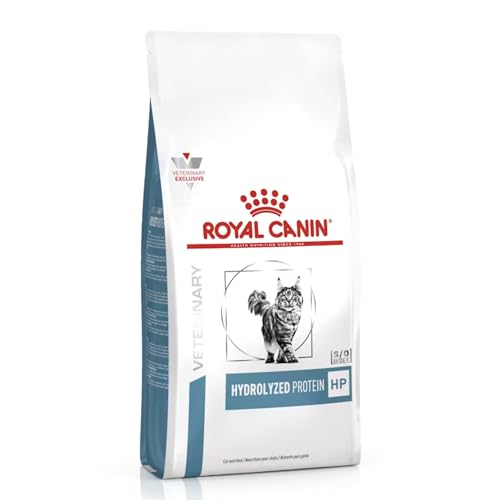
Royal Canin Veterinary Hydrolyzed HP Dry Cat Food
What We Like
- Hydrolyzed protein reduces immune reactions
- Supports skin and GI health
- Prebiotics and fibers aid digestion
- Large 17.6 lb bag for multi-cat homes
Trade-offs
- Veterinary prescription required to purchase
- Only for adult cats, not kittens
This 17.6 lb bag contains 85 cups of hydrolyzed dry cat food, designed for adult cats with food sensitivities. The hydrolyzed protein is broken down to a size less likely to be recognized by the immune system, which helps reduce skin and gastrointestinal reactions. Combined with prebiotics and fibers for digestive health and nutrients that reinforce the skin barrier, this formula addresses both common sensitivity symptoms in one diet. It suits owners who want a vet-developed, large-volume option for consistent feeding during an elimination diet or long-term management.
This product requires a prescription and vet guidance to start, which is typical for hydrolyzed diets but adds a step compared to over-the-counter foods. Compared to the Hill’s Prescription Diet z/d Hydrolyzed Dry Cat Food (available in a 4 lb bag), Royal Canin’s HP offers a larger volume, which may be convenient for multi-cat households or those who prefer fewer shipments. The bag weighs 17.6 lb, so storage and handling are practical considerations for any buyer.
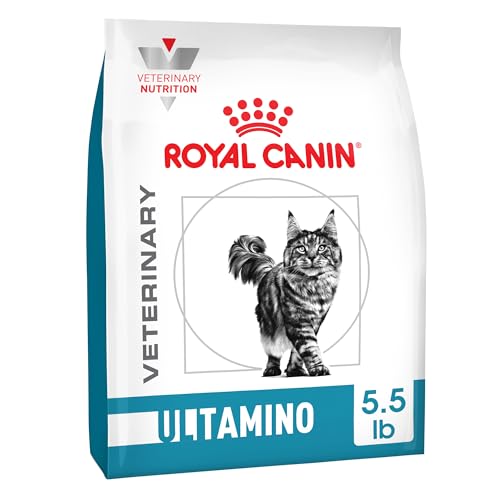
Royal Canin Veterinary Ultamino Dry Cat Food
What We Like
- Extensively hydrolyzed single-source soy protein
- Specialized cross-contamination prevention process
- Supports skin barrier and digestive health
- Veterinary-exclusive elimination diet formula
Trade-offs
- Requires veterinary authorization to purchase
- Only one protein source limits rotation options
An extensively hydrolyzed soy protein broken into oligopeptides and pure amino acids means this food reduces the chance of triggering food sensitivity reactions at the molecular level. That makes it a go-to for short-term elimination diets and long-term management when you need to rule out every possible allergen. The specialized production process also avoids cross-contamination, which is critical during a food trial where even trace proteins can muddy results. For cats with stubborn skin or digestive issues that haven’t responded to standard hydrolyzed diets, this is the next step up in protein fragmentation.
For cats with stubborn food sensitivities, this veterinary-exclusive diet uses extensively hydrolyzed soy protein broken into tiny pieces to minimize allergic reactions, meaning you’ll need a vet’s guidance to get it. Unlike Hill’s Prescription Diet z/d, which relies on hydrolyzed chicken, Ultamino offers a single-source soy protein that can be a fresh option for cats who haven’t improved on other hydrolyzed diets. It’s designed for strict elimination trials or long-term feeding, not for cats that thrive on standard limited-ingredient foods.
Product photos
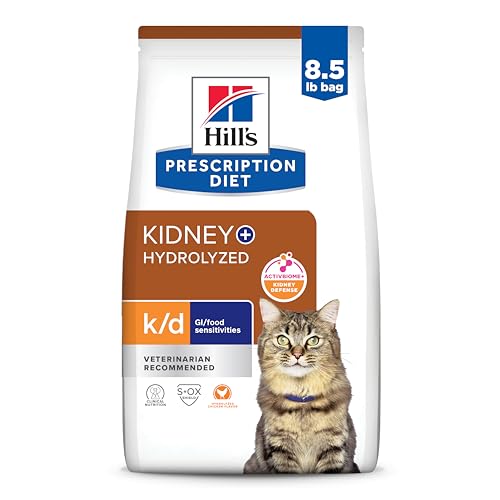
Hill's Prescription Diet k/d Kidney Care Dry Cat Food
What We Like
- Supports kidney function and longevity
- Hydrolyzed protein for food sensitivities
- Reduced phosphorus and sodium levels
Trade-offs
- Prescription diet requires vet authorization
- Single protein source limits variety
A formula that combines hydrolyzed protein with reduced phosphorus and sodium means this bag pulls double duty for cats with both kidney concerns and adverse food reactions. The hydrolyzed chicken protein provides a protein source that helps manage skin and digestive signs from adverse food reactions, while the reduced phosphorus and sodium support kidney function. For a cat diagnosed with chronic kidney issues, the formulation is designed to preserve kidney function and add years on average in cats with the leading cause of chronic kidney issues without any concurrent health issues. This makes it a targeted choice for owners who need one food to manage two conditions at once.
You’ll need a vet’s okay to buy this prescription diet, but that’s because it’s formulated to support kidney health while managing skin and digestive signs from adverse food reactions. That specialization makes it a targeted option for cats with both kidney issues and food sensitivities, though it does mean less flexibility for rotating proteins.
Product photos
Forza10 Renal Wet Cat Food
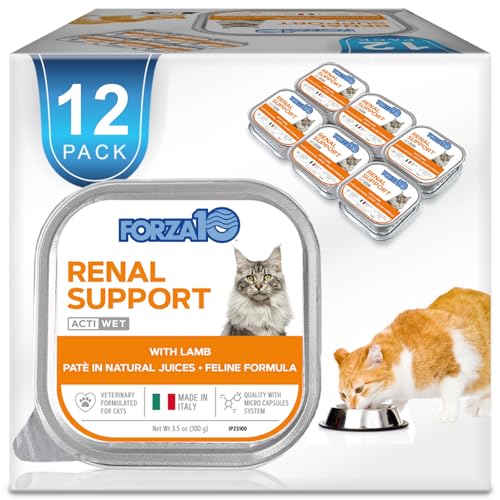
What We Like
- Non-GMO, no by-products or artificial additives
- Convenient portioned cans
- Hydrolyzed protein for controlled phosphorus
Trade-offs
- Wet food has shorter shelf life once opened
- Small 3.5 oz cans require multiple per day
Wet food like this demands more daily effort than a dry kibble you can leave in a bowl. You’ll be opening multiple small cans per day, and the single lamb flavor might not win over picky eaters.
Product photos
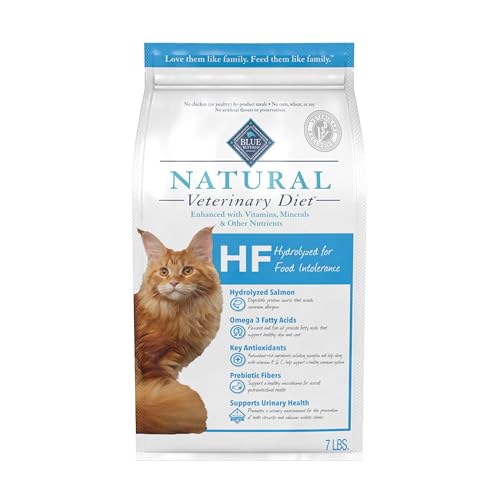
Blue Buffalo Natural Veterinary Diet HF Dry Cat Food
What We Like
- Real hydrolyzed salmon as first ingredient
- No chicken by-product meals, corn, wheat, soy
- Designed for food sensitivities and allergies
Trade-offs
- Only available in 7-lb bag size
- Veterinary prescription required for purchase
Hydrolyzed salmon as the first ingredient sets this apart from most hydrolyzed formulas that rely on chicken or poultry protein sources. For cats with suspected chicken allergies or multiple food sensitivities, this salmon-based recipe offers a novel protein option that still provides the easy digestion of hydrolyzed ingredients. The 7-pound bag is the only size available, and the exclusion of corn, wheat, and soy aligns with what many label-checking owners look for in a limited-ingredient diet.
The bag holds 7 pounds of food, which is the only size available, something to consider if you’re hoping to try a smaller portion before committing. For a cat that does well with salmon and needs a hydrolyzed protein, this formula leads with real hydrolyzed salmon as the first ingredient, a feature that stands out among veterinary diets. Just remember it’s a prescription food, so you’ll need your vet’s approval before buying.
Product photos
How We Evaluated Hydrolyzed Cat Foods
Our evaluation started with the ingredient list and the degree of protein hydrolysis. We examined each formula’s protein source, how extensively it was hydrolyzed, and whether it included any whole proteins that could trigger a reaction. Manufacturer documentation and veterinary nutrition resources provided the technical details on molecular size and digestive compatibility.
We weighed four criteria most heavily. Protein source and hydrolysis level came first, some cats need extensively hydrolyzed soy protein (as in Royal Canin Ultamino) while others do fine with hydrolyzed chicken or salmon. Digestive support features, like prebiotics and fiber blends, mattered next because gut health is central to managing food sensitivities. Bag size and value for multi-cat households was a practical concern, and we looked for formulas that also addressed secondary health issues like kidney function or urinary health.
The honest limit of a research-led evaluation is that individual cat responses vary. A formula that works for one cat may not work for another, and only a veterinary-supervised elimination trial can confirm a diagnosis. We can point you to the best-researched options, but your vet’s guidance is essential.
What To Look For In Hydrolyzed Cat Foods
Choosing a hydrolyzed diet means looking past the front-of-bag claims and reading the fine print on protein source, hydrolysis method, and prescription status.
Look for a single, extensively hydrolyzed protein source, a clear prescription requirement (if applicable), and added digestive or urinary support if your cat has those needs.
Degree of Protein Hydrolysis
Not all hydrolyzed proteins are the same. Some formulas use partially hydrolyzed proteins, while others (like Royal Canin Ultamino) use extensively hydrolyzed single-source soy protein with a specialized process to prevent cross-contamination. The more broken down the protein, the less likely the immune system will recognize it. For cats with severe or persistent reactions, an extensively hydrolyzed formula is the safer starting point. For milder sensitivities, a standard hydrolyzed chicken or salmon protein may be sufficient.
Protein Source and Allergen Profile
The protein source matters because some cats react to multiple proteins. Hill’s z/d uses hydrolyzed chicken liver, which works for most cats but may not suit those with extreme poultry sensitivities. Blue Buffalo’s HF formula uses real hydrolyzed salmon as the first ingredient and avoids chicken by-products, corn, wheat, and soy, a good option for cats with poultry issues. If you’re starting a strict elimination diet, a single novel protein source like soy (Ultamino) minimizes variables.
Additional Health Support Features
Many hydrolyzed diets include extra support for common secondary issues. Purina Pro Plan HA adds St/Ox Defense for urinary health, while Hill’s z/d includes ActivBiome+ for gut microbiome support. For cats with kidney disease, Hill’s Prescription Diet k/d combines hydrolyzed protein with reduced phosphorus and sodium. If your cat has multiple health concerns, a formula that addresses both the food sensitivity and the secondary condition saves you from juggling multiple diets.
- Confirm the formula is complete and balanced for your cat’s life stage (adult, kitten, or all life stages).
- Check whether a veterinary prescription is required, most hydrolyzed diets are prescription-only.
- Look for a single carbohydrate source to reduce variables during an elimination trial.
- Consider wet food options if your cat needs extra moisture or has dental issues.
Start with your vet’s recommendation, then match the protein source and hydrolysis level to your cat’s specific history.
Hydrolyzed Cat Foods Compared
The table below compares the seven hydrolyzed cat foods side by side, covering protein source, key health features, and bag sizes.
| Product | Protein Type | Weight | Key Features | Form |
|---|---|---|---|---|
| Hill's Prescription Diet z/d Hydrolyzed Dry Cat Food | Hydrolyzed Chicken | 4.0 pounds | Omega-6 & 3; ActivBiome+ Prebiotic Fibers | Dry |
| Purina Pro Plan HA Hydrolyzed Dry Cat Food | Hydrolyzed protein | 4.1 pounds | Single carbohydrate source; St/Ox Defense | Dry |
| Royal Canin Veterinary Hydrolyzed HP Dry Cat Food | Hydrolyzed protein | 17.6 lb | 85 cups per bag; Veterinary-exclusive | Dry |
| Royal Canin Veterinary Ultamino Dry Cat Food | Extensively hydrolyzed soy | 5.5 lb | 26 cups per bag; Veterinary Exclusive | Dry |
| Hill's Prescription Diet k/d Kidney Care Dry Cat Food | Hydrolyzed Chicken | 8.5 lb | Reduced phosphorus & sodium | Dry |
| Forza10 Renal Wet Cat Food | Hydrolyzed protein | 0.2 pounds | Renal support; Made in Italy | Wet, canned |
| Blue Buffalo Natural Veterinary Diet HF Dry Cat Food | Hydrolyzed Salmon | 7 lb | No chicken/poultry by-products | Dry |
Frequently Asked Questions
What is hydrolyzed cat food?
Hydrolyzed cat food uses proteins that have been broken down into smaller molecules through a chemical process. These tiny protein fragments are too small for the cat’s immune system to recognize as allergens, which helps prevent allergic reactions and digestive upset. It is typically used for elimination diets or long-term management of food sensitivities under veterinary supervision.
How long does it take for hydrolyzed cat food to work?
Most cats show improvement in skin and digestive symptoms within two to four weeks of starting a hydrolyzed diet. A full elimination trial usually lasts eight to twelve weeks to confirm whether the diet is effective. If symptoms persist beyond that period, your vet may recommend switching to a more extensively hydrolyzed formula or investigating other causes.
Is hydrolyzed cat food the same as hypoallergenic cat food?
Not exactly. Hydrolyzed cat food is a type of hypoallergenic diet, but not all hypoallergenic foods are hydrolyzed. Some use novel proteins (like venison or rabbit) that the cat has never eaten. Hydrolyzed diets are generally considered more reliable for elimination trials. That’s because the protein is chemically altered to avoid immune detection, whereas novel protein diets depend on the cat never having been exposed to that protein source.
Can I buy hydrolyzed cat food without a prescription?
Most veterinary hydrolyzed diets require a prescription from a licensed veterinarian. This is because they are formulated for specific medical conditions and should be used under professional guidance. A few over-the-counter options exist, but they may not be hydrolyzed to the same degree and are less reliable for managing confirmed food allergies.
What is the difference between hydrolyzed and limited ingredient cat food?
Hydrolyzed cat food breaks down the protein molecules themselves, while limited ingredient cat food simply restricts the number of ingredients. A limited ingredient diet might use a single novel protein source, but the protein remains whole and can still trigger an immune response if the cat has been exposed to it. Hydrolyzed diets offer a more controlled approach for cats with confirmed or suspected allergies.
The Bottom Line
For most cats with confirmed or suspected food sensitivities, Hill’s Prescription Diet z/d Hydrolyzed Dry Cat Food is the best overall choice. Its hydrolyzed chicken liver protein and ActivBiome+ gut support address both skin and digestive symptoms in a single, vet-formulated diet. If your cat has a sensitive stomach with urinary concerns, the Purina Pro Plan HA formula adds St/Ox Defense without sacrificing digestibility.
For owners managing multiple cats or running a longer elimination trial, the Royal Canin Veterinary Hydrolyzed HP in the 17.6 lb bag offers the best value per pound. If your cat has both kidney disease and food sensitivities, Hill’s Prescription Diet k/d combines renal support with hydrolyzed protein in one diet. The single most important factor is working with your veterinarian to confirm the diagnosis and choose the right hydrolysis level for your cat’s specific needs.
