
10 Best Dog Food For Pug Puppies in 2026
This post contains affiliate links. As an Amazon Associate, we earn from qualifying purchases.
The best overall choice for pug puppies is Royal Canin Pug Puppy Dry Dog Food, a breed-specific formula with antioxidants for immune development, prebiotics for stool quality, and nutrients that reinforce the skin barrier. For owners who prefer a high-protein option, the Purina Pro Plan Small Breed Puppy Food delivers real chicken as the first ingredient. The Hill’s Science Diet Puppy Small Bites earns the veterinarian-recommended spot.
Pug puppies come with a unique set of challenges: a flat face that makes kibble pickup difficult, a tendency toward sensitive digestion, and a growth period where balanced calcium and phosphorus matter for bone development. Generic puppy food often ignores the brachycephalic jaw structure that makes pugs different from other small breeds.
This guide is based on manufacturer specifications, ingredient analysis, and patterns in owner feedback for each formula. We compared kibble size, protein sources, DHA content, and breed-specific features across ten products to help you match a food to your pug puppy’s actual needs.
Top 10 Dog Foods For Pug Puppies in the Market
Certain content that appears on this site comes from Amazon. This content is provided "as is" and is subject to change or removal at any time.
The Best Dog Foods For Pug Puppies, Reviewed
Royal Canin Pug Puppy Dry Dog Food
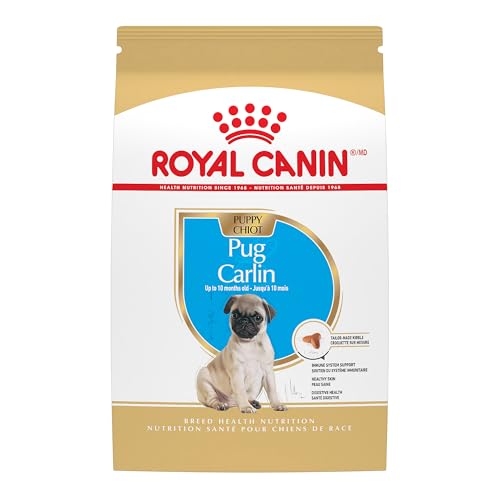
What We Like
- Antioxidants support immune development
- Prebiotics promote optimal stool quality
- Nutrients reinforce skin barrier
Trade-offs
- Only for pug puppies, not other breeds
- Formulated only for purebred pug puppies 8 weeks to 10 months old
This food is formulated specifically for purebred pugs, so it won’t suit a mixed-breed puppy. Compared to the Royal Canin Small Puppy formula, which targets puppies 9 to 22 pounds, this version is narrower in scope. But that specialization is exactly why it earns its place: the kibble and nutrient profile are tailored to the needs of pug puppies, not a generic small-dog template. If you’ve got a pug puppy, you’re getting a formula built for that breed’s specific requirements.
Royal Canin Small Puppy Dry Dog Food

What We Like
- Supports brain development during growth
- Antioxidants for immune support
- Prebiotics and proteins promote gut health
- Crunchy kibble for simple serving
Trade-offs
- Only formulated for small breeds 9-22 lb
- No breed-specific shape for pug jaws
A 9-to-22-pound target range means this food is calibrated for the growth phase of small-breed puppies, not just any small dog. The crunchy kibble provides a straightforward texture that pairs with wet food for mixed feeding, while the antioxidant and prebiotic blend supports immune and digestive health during those critical early months. For a pug puppy that falls within that weight bracket, this is a nutritionally precise option that focuses on developmental needs without unnecessary frills.
The trade-off is that this formula is designed for small breeds in general, not specifically for pug puppies. Compared to the Royal Canin Pug Puppy Dry Dog Food, which uses a specialized kibble shape for easier pickup by flat-faced breeds, this bag uses a standard crunch. If your pug puppy has trouble gripping kibble, the breed-specific version may be a better fit. But for owners who want a solid small-breed puppy food with immune and digestive support, this one delivers on the basics without the premium price of a breed-specific label.
Purina Pro Plan Small Breed Puppy Food

What We Like
- Real chicken is first ingredient
- High protein for active small dogs
- DHA from fish oil for brain development
- Guaranteed live probiotics for digestive health
Trade-offs
- Not breed-specific for pug puppies
- Lacks specialized kibble for flat-faced breeds
A 6-pound bag of small-breed puppy food with real chicken as the first ingredient and a high protein level that targets the needs of highly active small dogs. The DHA from omega-rich fish oil supports brain and vision development during the critical early months, and guaranteed live probiotics help keep digestion steady. This is a straightforward nutritional package for owners who want a protein-forward diet for their small-breed puppy.
The downside is that this formula is not tailored to a specific breed’s needs the way a breed-specific option like Royal Canin Pug Puppy is. If your puppy has no trouble eating standard small-breed kibble and you prioritize protein content and probiotic support, this bag delivers strong nutrition. For owners who want a kibble designed around a specific breed’s requirements, the Royal Canin alternative addresses that directly.
Purina Pro Plan Toy Breed Puppy Food

What We Like
- Real chicken as first ingredient
- High protein for active toy breeds
- DHA for brain and vision development
- Live probiotics for digestive health
Trade-offs
- Contains grains, which some owners avoid
- Not suitable for medium or large breed puppies
High protein content and chicken listed first mean this formula is built to fuel the energy demands of a toy breed puppy that never seems to stop moving. The DHA from omega-rich fish oil supports brain and vision development in early life, while guaranteed live probiotics help keep digestion on track, a practical combo for a growing pup whose system is still settling in. It’s a straightforward, no-nonsense recipe that prioritizes nutritional density over marketing fluff, which is exactly what you want when your puppy burns through calories like a tiny furnace.
The 5-pound bag means you will need to reorder more often than with larger options, which is a practical consideration for enthusiastic eaters. Unlike the breed-specific Royal Canin Pug Puppy formula, the kibble shape here is not tailored to a pug’s brachycephalic face, so your pup may work a bit harder to pick pieces up off the floor. That said, if your priority is a protein-forward diet with added brain and gut support for a highly active toy breed, this is a clean, well-specified option that doesn’t pretend to be something it isn’t.
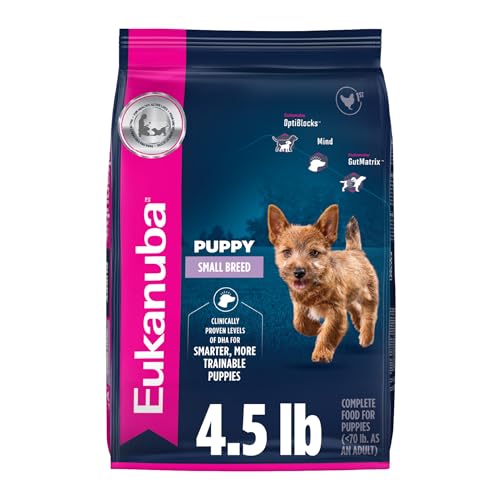
Eukanuba Puppy Small Breed Dry Dog Food
What We Like
- Real chicken as first ingredient
- Clinically proven DHA for brain development
- Optimal calcium and phosphorous for bone health
- Concentrated energy for growing puppies
Trade-offs
- Only for small breeds under 23 lbs adult weight
- Not formulated specifically for pug breed needs
- Limited to puppies up to 12 months old
Real chicken is the first ingredient, providing high-quality animal protein that powers your puppy’s day and supports lean muscle growth without relying on fillers. Optimal levels of calcium and phosphorous support bone health in active small-breed pups, which is especially important for those short, sturdy legs as they grow. Clinically proven levels of DHA aid healthy brain development, giving your pup a smarter start that goes beyond just filling a bowl.
This is a general small-breed formula, not a breed-specific one like Royal Canin Pug Puppy. That means it lacks the tailored kibble shape and precise nutrient profile some owners look for. But if your priority is straightforward nutrition for bone and brain development in a small puppy, this bag delivers the essentials.
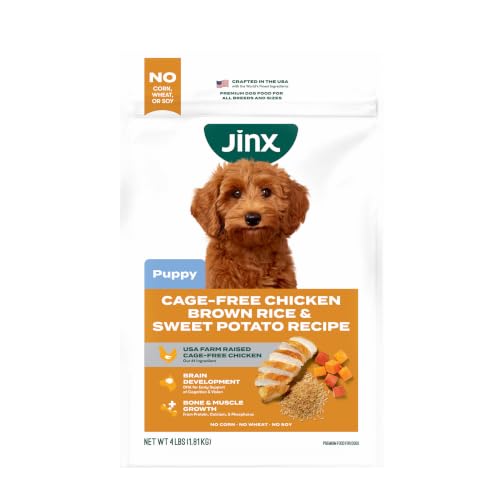
Jinx Puppy Dry Dog Food
What We Like
- Real chicken first ingredient for lean muscle
- Calcium & phosphorus support strong bones
- DHA for brain and eye development
- Live probiotics for digestive support
Trade-offs
- Single 4 lb bag size limits bulk buying
- Not breed-specific for pug jaw shape
Real chicken is the first ingredient, providing high-quality protein to support lean muscle growth in growing puppies. Calcium and phosphorus work together to build healthy bones and teeth, while DHA aids brain and vision development. Live probiotics and sweet potatoes help support a healthy gut and easy digestion. This recipe offers clean, no-filler nutrition for puppies of all breeds and sizes.
The 4 lb bag size means you’ll need to reorder more frequently than with larger bags from some competitors, such as Purina Pro Plan Small Breed Puppy Food (6 lb). This food is not breed-specific, so the kibble shape is not tailored to any particular jaw shape, unlike Royal Canin Pug Puppy which is designed for pug puppies. However, if you value a straightforward, chicken-first recipe with clean ingredients and no fillers, this is a practical everyday option.
Product photos
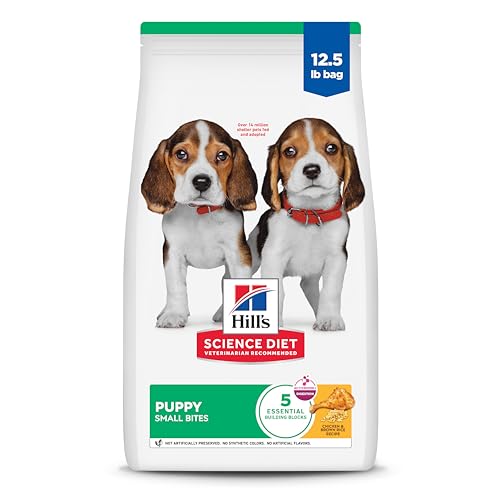
Hill's Science Diet Puppy Small Bites
What We Like
- #1 Veterinarian Recommended
- Balanced minerals for growing bones
- DHA from fish oil for brain development
- Antioxidant blend supports immune system
Trade-offs
- 12.5 lb bag is heavy for small households
- Contains grains, not grain-free
The #1 Veterinarian Recommended brand isn’t a marketing slogan, it’s a signal that this food meets the nutritional standards vets look for in a puppy diet. Hill’s Science Diet Puppy Small Bites delivers DHA from fish oil for healthy brain and eye development, plus an antioxidant blend to support a developing immune system. Balanced minerals target growing bones and teeth, and high-quality proteins fuel muscle growth. For puppy owners who want a science-backed, widely trusted formula without guessing which trendy ingredient list to trust, this bag covers the essentials in a small-bite kibble that tiny jaws can manage.
The #1 Veterinarian Recommended brand for puppies, Hill’s Science Diet Small Bites supports growing bones and teeth with balanced minerals and fuels growing muscles with high quality proteins. The 12.5-pound bag is a substantial size for a multi-puppy household or for owners who want to stock up. Smaller bags from Royal Canin or Purina Pro Plan might be more convenient for a single puppy or limited storage. For a puppy whose vet already recommends Hill’s, this is the straightforward, no-nonsense option that prioritizes nutritional fundamentals over flashy packaging.
Product photos
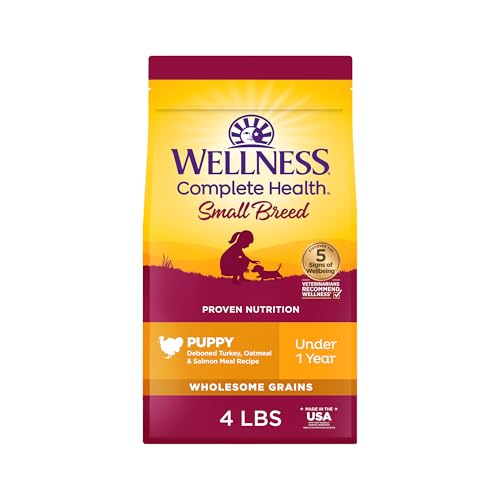
Wellness Complete Health Small Breed Puppy Food
What We Like
- No corn, wheat, or soy
- Natural ingredients with no artificial colors
- Includes probiotics and omega fatty acids
- Made in USA facilities
Trade-offs
- 4 lb bag is small for larger puppies
- Not breed-specific for pug jaw shape
- Contains grains, not grain-free
This kibble skips corn, wheat, and soy, and uses turkey, oatmeal, and salmon as protein sources. That lineup supports whole-body health for a growing small breed puppy, with probiotics for digestion and omega fatty acids for skin and coat. It’s a straightforward, no-nonsense recipe from a brand that lists what’s inside, which is exactly what you want when you’re reading the back of the bag instead of the front.
Bag size is the trade-off: at 4 pounds, you’ll be reordering more often than with a bigger bag like Purina Pro Plan’s 6-pound option. And while the kibble is designed for small breeds generally, it doesn’t address the unique flat-face shape of a pug the way Royal Canin’s pug-specific kibble does. If you prioritize clean ingredients over breed-specific kibble geometry, this is a solid natural pick, just keep an eye on the bag size for your pup’s growth.
Product photos
Blue Buffalo Baby BLUE Small Breed Puppy Food

What We Like
- Real chicken is the #1 ingredient
- DHA supports cognitive development
- Antioxidant-rich LifeSource Bits for immune support
- No chicken by-product meals, corn, wheat, or soy
Trade-offs
- No breed-specific kibble shape for pug puppies
Chicken listed first is a solid starting point for any puppy food, and the inclusion of DHA gives this bag a clear edge for owners focused on early brain development. That DHA is the same fatty acid linked to cognitive function in growing pups, so if you’re looking to support learning and memory in early life, this formula is built around that goal. The antioxidant-rich LifeSource Bits also add a layer of immune support, which matters for small breed puppies that can be more vulnerable to environmental stressors. It’s a straightforward, no-fuss recipe that skips poultry by-products and common fillers like corn, wheat, and soy, which aligns with what I look for when reading a label.
Chicken is the #1 ingredient in this high-protein puppy food, so your small breed pup gets real meat first for energy and growth. The 4-pound bag is a manageable size for a small puppy’s appetite, and the formula includes DHA to support cognitive development in early months. While it lacks a breed-specific kibble shape like the Royal Canin Pug Puppy Dry Dog Food, the antioxidant-rich LifeSource Bits help support the immune system.
Product photos
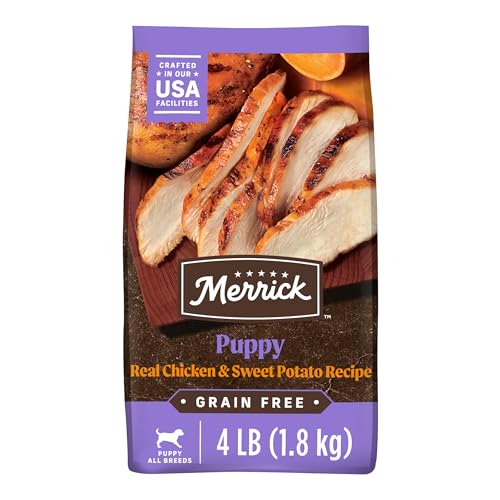
Merrick Grain Free Puppy Food
What We Like
- Real deboned chicken is first ingredient
- Contains DHA for brain development
- Glucosamine and chondroitin for joints
- No artificial colors, flavors, preservatives
Trade-offs
- 4-pound bag is small for larger breeds
- Not suitable for large breed puppies
With 67% of its protein coming from animal sources and deboned chicken as the top ingredient, this formula is built around muscle development and energy for growing puppies. The smaller kibble size makes it easier for little mouths to pick up and chew, and the inclusion of DHA supports brain development in early life. The glucosamine and chondroitin are a thoughtful addition for joint and hip health as puppies grow. This is a grain free recipe that leans heavily on whole-food ingredients and avoids artificial additives, which aligns with a label-reading approach to puppy nutrition.
The catch is that grain free diets aren’t necessary for every puppy, and some owners prefer a grain-inclusive formula for digestive regularity. Compared to Royal Canin Pug Puppy Dry Dog Food, which is a breed-specific formula, this Merrick recipe is a general puppy food that doesn’t target a specific breed. That said, if you’re comfortable with grain free and want high animal-based protein with joint support built in, this is a well-constructed option that puts ingredient quality front and center.
Product photos
How We Evaluated Dog Foods For Pug Puppies
We built this guide by reviewing ingredient panels, guaranteed analysis data, and feeding guidelines from each manufacturer. Owner feedback patterns, especially reports on stool quality, coat condition, and whether puppies accepted the kibble, informed our assessment of real-world performance. We also consulted expert round-ups on brachycephalic breed nutrition and small-puppy developmental needs.
Four criteria mattered most for this category. Kibble shape and size directly affect whether a flat-faced puppy can pick up food without frustration. Protein and DHA levels support the rapid brain and muscle development of the first year. Digestive health ingredients, prebiotics, probiotics, and limited filler content, address the sensitive stomachs common in pugs. And breed-specific formulation, when available, targets the unique skin folds, ear health, and jaw structure of the breed.
A research-led evaluation has limits: we did not feed these foods to a panel of puppies, and individual dogs may respond differently to the same formula. We recommend checking the ingredient list against your puppy’s specific sensitivities and consulting your veterinarian before switching foods.
What To Look For In Dog Foods For Pug Puppies
The right food for a pug puppy balances kibble geometry with digestible protein, controlled calcium, and immune-supporting nutrients. Here is what to check on the bag.
Look for a kibble shape designed for flat-faced jaws, a named animal protein as the first ingredient, DHA from fish oil for brain development, and prebiotics or probiotics for digestive health. Avoid excessive fillers like corn, wheat, or soy if your puppy has a sensitive stomach.
Kibble Shape and Size
Pug puppies have a brachycephalic (flat) skull and a undershot jaw that makes it difficult to scoop up standard round kibble. The best formulas use a flattened, star-shaped, or triangular kibble that sits low on the tongue and is easier to pick up. The pug puppy food category includes breed-specific options like Royal Canin Pug Puppy, which uses a unique kibble shape designed for the pug jaw. If you choose a general small-breed food, check that the kibble is small and flat rather than round or large.
Protein Source and DHA Content
Real chicken, lamb, or fish as the first ingredient provides the amino acids needed for lean muscle development. DHA (docosahexaenoic acid), typically from fish oil, supports brain and vision development during the critical first year. The best pug puppy food options in this guide all include named animal protein and added DHA. For active pug puppies, a higher protein content helps maintain energy without excessive fat.
Digestive Health and Skin Support
Pugs are prone to sensitive stomachs and skin fold dermatitis. Formulas with prebiotics (like beet pulp or chicory root) and guaranteed live probiotics support balanced gut bacteria. Omega-3 and omega-6 fatty acids from fish oil or flaxseed help maintain the skin barrier, which is especially important for a breed with facial folds that trap moisture. The food for pug puppies that includes both prebiotics and fatty acids addresses two common pug problem areas at once.
Calcium-to-Phosphorus Ratio for Bone Development
Growing large-breed puppies need strict calcium limits, but small breeds like pugs also benefit from a balanced calcium-to-phosphorus ratio to support proper bone formation without oversupplementation. The small breed puppy food category typically gets this right, but it is worth verifying on the guaranteed analysis panel. Too much calcium during the growth phase can lead to skeletal abnormalities later.
- Check the guaranteed analysis for a calcium level on a dry matter basis.
- Look for a named animal protein (chicken, lamb, fish) in the first three ingredients.
- Confirm that DHA from fish oil or algal oil appears on the ingredient list.
- Verify the bag has a feeding chart for the puppy’s current age and expected adult weight.
A good rule of thumb: if the kibble is round and the first ingredient is a grain or by-product meal, keep looking.
Dog Foods For Pug Puppies Compared
The table below compares the ten formulas side by side, focusing on the features that matter most for pug puppy owners: kibble shape, protein source, DHA content, and breed-specific design.
| Product | Protein Source | Key Nutrients | Breed Size / Target Weight |
|---|---|---|---|
| Royal Canin Pug Puppy Dry Dog Food | N/A | Antioxidants, vitamin E, prebiotics | Pug 8 weeks-10 months |
| Royal Canin Small Puppy Dry Dog Food | N/A | Antioxidants, prebiotics, proteins | 9-22 lb |
| Purina Pro Plan Small Breed Puppy Food | Real chicken | DHA, probiotics | Small Breed |
| Purina Pro Plan Toy Breed Puppy Food | Real chicken first | DHA, probiotics, antioxidants | Toy breed puppies |
| Eukanuba Puppy Small Breed Dry Dog Food | Real Chicken First | DHA, Calcium, Phosphorous | Under 23 lbs |
| Jinx Puppy Dry Dog Food | Real chicken (first ingredient) | DHA, Calcium, phosphorus, probiotics | N/A |
| Hill's Science Diet Puppy Small Bites | Chicken & Brown Rice | DHA, Fish Oil, Antioxidants | N/A |
| Wellness Complete Health Small Breed Puppy Food | Turkey, Oatmeal, Salmon | Antioxidants, probiotics | Small Breed |
| Blue Buffalo Baby BLUE Small Breed Puppy Food | Chicken (Real Meat First) | DHA, Antioxidants | Small Breed |
| Merrick Grain Free Puppy Food | Deboned chicken | DHA, omega-6, omega-3 | N/A |
Frequently Asked Questions
Can pug puppies eat adult dog food?
No. Adult dog food lacks the higher protein, DHA, and controlled calcium levels that support a pug puppy’s rapid growth and brain development. Feed a formula labeled for puppies until your vet confirms the growth plates have closed, typically around 10 to 12 months of age.
What kibble shape is best for a pug puppy?
A flattened, star-shaped, or triangular kibble is best because it sits low on the tongue and is easier for a flat-faced pug to pick up. Round or large oval kibble often slides off the tongue or requires extra effort to scoop. Breed-specific formulas like Royal Canin Pug Puppy are designed with this geometry in mind.
How much should I feed a pug puppy?
Feeding amounts depend on the puppy’s age, weight, and activity level. Most manufacturers provide a feeding chart on the bag based on expected adult weight; for pugs, that is typically fourteen to eighteen pounds. Start at the lower end of the range and adjust based on body condition, not just how much the puppy begs.
Is grain-free food safe for pug puppies?
Grain-free diets are safe for most pug puppies, but they are not necessary unless your puppy has a confirmed grain allergy. Some grain-free formulas use legumes or potatoes as carbohydrate sources, which can be higher in fiber and may cause loose stools in sensitive puppies. If your pug puppy has a sensitive stomach, a sensitive puppy food with gentle grains like oatmeal or brown rice may be a better fit.
When should I switch from puppy food to adult food?
Most pug puppies can transition to an adult formula around ten to twelve months of age, when they reach most of their expected adult weight. The adult pug diet should maintain the same protein quality but with slightly lower fat and calorie density to prevent obesity. Your veterinarian can confirm the right timing based on your puppy’s growth curve.
The Bottom Line
For most pug puppy owners, the Royal Canin Pug Puppy Dry Dog Food is the best starting point. Its breed-specific kibble shape, targeted skin and immune support, and prebiotic formula address the three biggest challenges of feeding a flat-faced puppy: picking up food, managing skin folds, and maintaining digestive comfort. It is the only formula on this list designed from the ground up for pug puppies.
If you prefer a high-protein option or a larger bag size, the Purina Pro Plan Small Breed Puppy Food delivers real chicken and guaranteed probiotics at a more accessible price point.
The single most important factor in choosing a pug puppy food is kibble shape. A flat-faced puppy that struggles to eat will not get the nutrition it needs, no matter how good the ingredient list is. Start with a breed-specific or small, flat kibble, and build the rest of your decision around your puppy’s individual digestion and energy level.
