
9 Best Food For Persian Kitten in 2026
This post contains affiliate links. As an Amazon Associate, we earn from qualifying purchases.
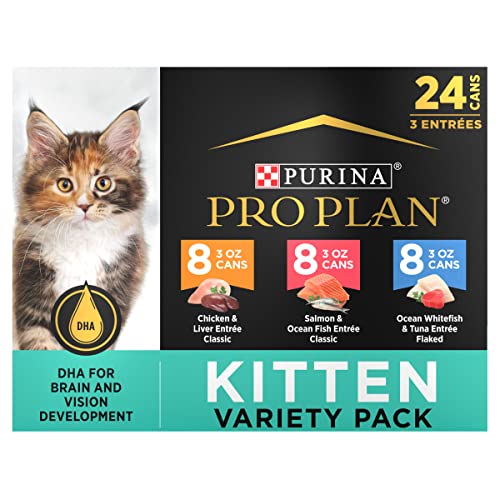
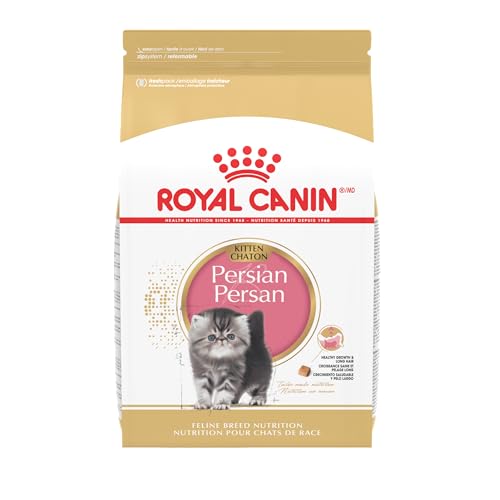
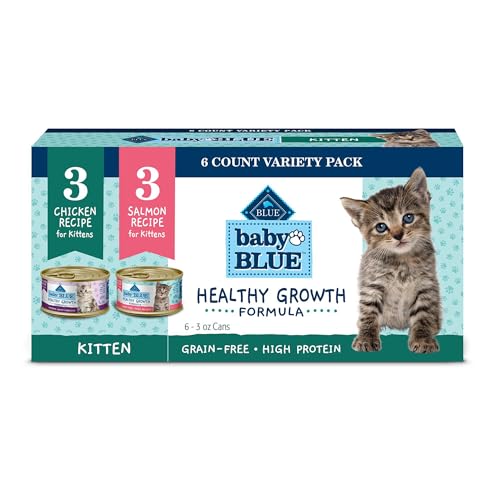
The best food for Persian kittens needs to account for their distinctive flat face, small mouth, and long coat. Royal Canin Persian Kitten Dry Cat Food wins as Best Overall because its uniquely shaped kibble fits a Persian kitten’s bite. The breed-specific formula supports skin, coat, and immune development. For owners who prefer wet food, the Blue Buffalo Baby Blue Kitten Wet Food Variety Pack offers excellent variety. The Purina Pro Plan Development Kitten Wet Food Variety Pack delivers high DHA for brain growth.
Persian kittens aren’t just small cats, they have a brachycephalic skull structure that makes picking up and chewing kibble genuinely harder than it is for other breeds. Their long coat also demands specific fatty acid ratios for healthy skin and a glossy finish, and their slower metabolism means portion control matters more than it does for a typical domestic shorthair kitten.
This guide is research-based: we analyzed manufacturer specifications, ingredient lists, nutritional adequacy statements, and patterns in owner feedback across nine products. We focused on what actually matters for a Persian kitten’s first year. That includes kibble shape, protein quality, moisture content, and developmental nutrients like DHA and taurine. This way you can match a food to your kitten’s specific needs.
Top 9 Foods For Persian Kittens in the Market
Certain content that appears on this site comes from Amazon. This content is provided "as is" and is subject to change or removal at any time.
The Best Foods For Persian Kittens, Reviewed
Royal Canin Persian Kitten Dry Cat Food
What We Like
- Breed-specific formula for Persian kittens
- Antioxidant blend supports immune system
- Unique kibble shape for small mouths
- Fatty acids and vitamins for skin and coat
Trade-offs
- Only for kittens up to 12 months old
- Dry food only, no moisture from wet food
A kibble shape designed specifically for the small mouths of Persian kittens means they can actually pick up and chew each piece without struggling. That alone makes this a smarter starting point than a generic kitten food. But the formula goes further: it packs highly digestible proteins and prebiotics for digestive health, plus an antioxidant blend to support a young kitten’s immune system. For anyone raising a purebred Persian under a year old, this takes the guesswork out of matching nutrition to their unique needs.
This dry kitten food is formulated specifically for purebred Persian kittens up to 12 months old, so it’s a targeted choice for owners of that breed rather than a general kitten kibble. Because it’s dry-only, you’ll need to add moisture separately if your kitten doesn’t drink enough water. It’s a focused tool for a specific job, not a one-size-fits-all solution.
Blue Buffalo Wilderness Kitten Dry Cat Food
What We Like
- Real chicken is first ingredient
- Includes DHA and ARA for development
- Grain-free recipe with no poultry by-products
- Antioxidant-rich LifeSource Bits
Trade-offs
- Dry kibble does not contribute to water intake
- Not suitable for kittens under 2 months old
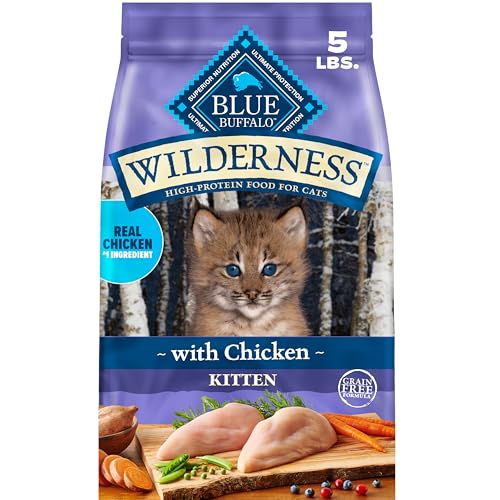
Real chicken as the first ingredient means this food puts protein front and center, which supports lean muscle growth during a kitten’s most rapid development phase. The formula includes DHA and ARA for brain and eye development, plus antioxidant-rich LifeSource Bits for immune support. For a Persian kitten owner who prioritizes high-protein, grain-free nutrition with no poultry by-products, this dry food delivers a straightforward, no-fuss protein profile that aligns with what many growing kittens need.
Real chicken is the first ingredient in this high-protein dry food, so your growing kitten gets the lean muscle support it needs during the first year. The kibble is grain-free and includes DHA and ARA for brain and eye development, plus LifeSource Bits that deliver antioxidants to help the immune system. While it’s a complete and balanced diet for kittens 2-12 months, owners of Persian kittens may want to check with their vet about kibble size, since the shape isn’t tailored to flat-faced breeds.
Blue Buffalo Baby Blue Kitten Wet Food Variety Pack
What We Like
- Real meat as first ingredient
- DHA for cognitive development
- Grain-free formula
- Two savory recipes included
Trade-offs
- Only 6 cans per pack
- No breed-specific formulation
Real meat is the first ingredient in this wet food variety pack, so your kitten gets a high-protein start without fillers like corn, wheat, or soy. DHA supports cognitive development in growing kittens, and having both chicken and salmon recipes lets you see which protein your kitten prefers without committing to a full case of one flavor. For a kitten still figuring out what it likes, this variety pack makes sense as a trial run while delivering solid nutritional basics.
The main trade-off is that six 3-ounce cans won’t last long, especially if you’re feeding a growing kitten multiple meals a day. It’s a good option for owners who prioritize ingredient transparency and want to introduce wet food early.
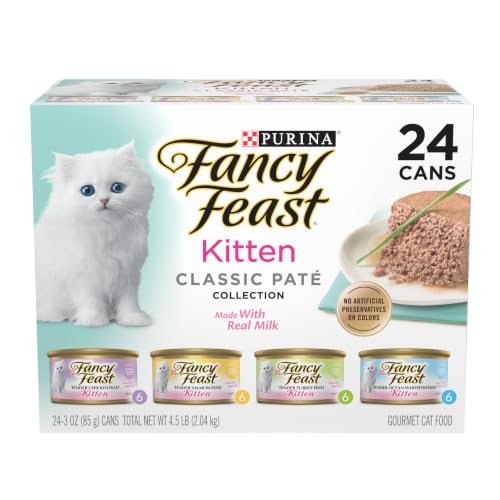
Purina Fancy Feast Wet Kitten Food Variety Pack
What We Like
- 100% complete and balanced for kittens
- Real ocean whitefish, turkey, chicken or salmon
- No artificial colors or preservatives
- Made in Purina's own U.S. facilities
Trade-offs
- Wet food only, no kibble texture for dental health
- Lacks breed-specific formulation for Persians
This variety pack of wet food is 100 percent complete and balanced for kittens, with real ocean whitefish, turkey, chicken, or salmon as the protein base and no artificial colors or preservatives. It suits owners who want a straightforward, no-fuss wet food that checks the nutritional boxes, especially if your kitten is picky and benefits from rotating flavors.
The trade-off is that this is strictly wet food, so it won’t help scrape plaque the way dry kibble can. Compared to Royal Canin Persian Kitten Dry Cat Food, which is formulated for Persians and supports immune and digestive health, this Fancy Feast pack takes a general kitten approach. If you prefer a breed-targeted formula, the Royal Canin dry might be a better fit. But for a balanced wet option that’s easy to find and built around real meat, this variety pack does the job.
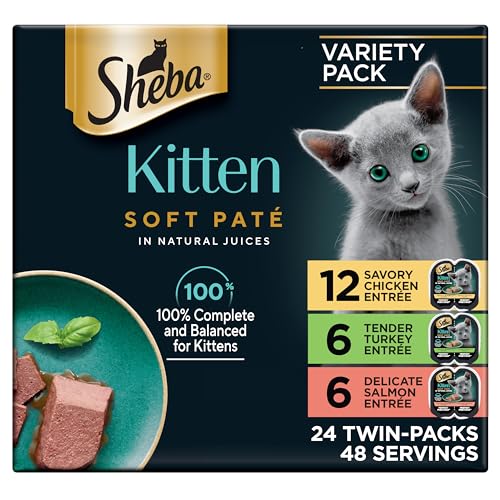
Sheba Perfect Portions Kitten Pate Wet Cat Food
What We Like
- DHA for brain development
- Vitamin E for immune support
- Portion-controlled twin packs reduce waste
- Real meat as first ingredients
Trade-offs
- Contains multiple protein sources, not single-protein
- Not suitable for adult cats or senior felines
Each 2.6-ounce twin-pack gives you two perfectly sized meals, so there’s no guessing how much to serve and no half-used cans to store. That matters when you’re feeding a growing kitten whose appetite changes week to week. The pate is soft enough for tiny mouths transitioning from milk, and the formula includes DHA for brain development plus Vitamin E for immunity, two nutrients that support a kitten during its first year. This is a wet food that makes portion control effortless, which is especially handy if you’re mixing it with dry kibble.
The portion packs eliminate leftover waste because each 2.6-oz tray is a single serving, so you never have to refrigerate half a can or guess how much to feed. That convenience is a real time-saver for busy owners, and the pate texture is soft enough for kittens transitioning to solid food. If your kitten prefers shreds, you might want to try a different brand, but for mess-free feeding this design is hard to beat.
Product photos
Tiki Cat Baby Shreds Kitten Food Variety Pack

What We Like
- High protein for muscle growth
- DHA for brain and vision development
- Four-recipe variety pack
- Prebiotics aid digestion
Trade-offs
- Shred texture unsuitable for very young kittens
- Only suitable for kittens 8 weeks and older
A 12-count variety pack of 2.4-ounce cans means you get four different shredded recipes. Chicken & Salmon, Chicken Tuna & Chicken Liver, Chicken Duck & Duck Liver, and Chicken & Egg, so a picky kitten gets rotating flavors without committing to a whole case of one. Each can is built around high protein and fat for kittens eight weeks and older, with DHA added for brain and vision development and prebiotics to keep digestion gentle. That makes this a strong option if you want a wet food that leans on animal ingredients and skips grains, fruits, vegetables, and carrageenan entirely.
The shreds require more chewing than a pate or mousse, so they work best for kittens who are already comfortable with texture. The variety pack includes four recipes, which gives you a chance to see which protein your kitten prefers without committing to a single flavor. Owners of very young kittens might want to start with an ultra-soft mousse like Royal Canin Mother and Babycat, which is formulated for weaning.
Product photos
Purina Pro Plan Development Kitten Wet Food Variety Pack
What We Like
- DHA for brain and vision development
- High protein for growth
- Made with real poultry or fish
- Includes 25 essential vitamins and minerals
Trade-offs
- Wet food requires refrigeration after opening
- No breed-specific formulation for Persians
Each 3-ounce can packs DHA for brain and vision development, plus high protein to support a kitten’s growth in the first year. This variety pack includes Chicken & Liver, Salmon & Ocean Fish, and Ocean Whitefish & Tuna Flaked recipes, so your kitten gets taste variety. The pate formulas are highly digestible for optimal nutrient delivery. Antioxidants in the wet food support a kitten’s developing immune system, and 25 essential vitamins and minerals round out the profile. If you want a wet food that supports cognitive development alongside growth, this one delivers on both fronts.
The Purina Pro Plan Development Kitten Wet Food Variety Pack provides DHA for brain and vision development in a smooth pate texture, which some kittens love while others may prefer shreds or chunks. Unlike Royal Canin Persian Kitten Dry Food, which targets breed-specific needs, this wet food takes a general approach, covering DHA, protein, and essential vitamins for healthy growth in the first year. If your kitten is picky about mouthfeel, you could try mixing textures, but the pate itself is highly digestible for optimal nutrient delivery.
Product photos
Royal Canin Mother and Babycat Kitten Wet Cat Food

What We Like
- Ultra-soft mousse eases milk-to-solid transition
- DHA supports brain development from womb onward
- Prebiotics and digestible proteins aid digestion
- Formulated for queen cats and young kittens
Trade-offs
- Only suitable for kittens up to 4 months old
- Wet food requires refrigeration after opening
The ultra-soft mousse texture is the key feature here. It’s designed so that kittens barely weaned can eat it without struggling, which matters a lot when you’re trying to get a tiny kitten off milk and onto solids. Royal Canin packs in DHA for brain development starting in the womb, plus a blend of antioxidants and prebiotics to support growth and digestive health. This makes it a strong choice for the earliest weeks, especially for queen cats and young kittens.
The trade-off is that this formula is specifically targeted at kittens 1-4 months old, so you’ll need to switch to something else once they outgrow that window. For the weaning phase, the texture and targeted nutrition are well suited to very young kittens.
Product photos
Tiki Cat Baby Pate Wet Kitten Variety Pack

What We Like
- Smooth pate eases weaning transition
- Contains DHA and taurine for development
- Grain- and potato-free formula
- High protein supports growth
Trade-offs
- Only 2.4 oz cans per serving
- Not suitable for kittens under 4 weeks old
A smooth pate texture designed for kittens as young as four weeks means this wet food is easy on tiny mouths transitioning from milk. Real minced chicken, duck, salmon, tuna, and organ meats provide high protein without grain, potato, or fillers like carrageenan and tapioca. DHA and added taurine support healthy brain and nervous system development during that critical early growth window, while prebiotics are included to support digestive health. For a kitten still figuring out solid food, this is about as gentle a start as you can get.
Each 2.4-ounce can is a small meal, so you’ll be opening more cans per day compared to some other wet kitten foods. This variety pack gives you options to find what protein sources your weaning kitten prefers, just be ready to work through the assortment.
Product photos
How We Evaluated Foods For Persian Kittens
We started by reading ingredient lists and guaranteed analysis panels on every product, cross-referencing against the AAFCO nutrient profiles for kitten growth. Manufacturer documentation, including kibble dimensions, feeding guidelines, and breed-specific formulation notes, gave us the technical details that front-of-bag marketing skips. We also looked at patterns in owner feedback across multiple retailers to understand what real Persian kitten owners report about palatability, stool quality, and coat condition.
Three criteria mattered most for this category. First, kibble shape and size: a Persian kitten’s small mouth and flat face mean standard round kibble can be awkward to pick up. Second, nutrient density for growth: DHA for brain and vision development, protein for muscle, and omega fatty acids for coat health are non-negotiable. Third, moisture content: Persian cats are prone to urinary tract issues, so wet food or a mixed feeding approach supports hydration better than dry food alone.
This is a research-led evaluation, not a hands-on feeding trial. We can tell you what the label says, what the manufacturer designed the product to do, and what owners commonly report, but we can’t claim to have fed these foods to our own kittens. We encourage you to check the ingredient panel and feeding guide on the bag against your veterinarian’s advice, especially if your Persian kitten has specific health concerns.
What To Look For In Foods For Persian Kittens
Choosing a food for a Persian kitten means looking past the cute cat on the bag and reading the fine print. Kibble shape, protein source, DHA content, and moisture level all matter more for this breed than for a generic kitten.
Look for a kibble shape designed for flat-faced breeds. Also look for a named meat protein as the first ingredient, guaranteed DHA for brain development, and a moisture level that fits your feeding style. Wet food provides hydration, dry food offers dental texture, or you can mix both.
Kibble Shape and Size
A Persian kitten’s brachycephalic face means their jaw doesn’t align the same way a typical cat’s does. Standard round kibble can slide off the tongue or require awkward head tilts to pick up. The Royal Canin Persian Kitten formula uses a flattened, oval-shaped kibble that sits on the tongue more naturally. If you’re feeding a dry food that isn’t breed-specific, look for small, flat pieces rather than large rounds. Owners of Persian kittens on standard kibble often report more food dropped or left in the bowl.
Protein Quality and Source
Kittens need more protein per pound of body weight than adult cats for healthy growth. The first ingredient should be a named meat (chicken, turkey, salmon, or ocean whitefish) rather than a vague “poultry meal” or “meat by-product.” High-protein options like Blue Buffalo Wilderness Kitten deliver real chicken first and include DHA and ARA for cognitive development. For Persian kittens, protein quality matters for muscle development and coat condition. A dull coat is often the first sign of a nutritional shortfall.
DHA and Developmental Nutrients
Docosahexaenoic acid (DHA) is an omega-3 fatty acid critical for brain and vision development in kittens. Every product on this list includes DHA in some form, but the concentration varies. Purina Pro Plan Development Kitten Wet Food and Sheba Perfect Portions Kitten Pate both list DHA prominently. Taurine is equally essential, it’s required by AAFCO for all kitten foods, but check that it appears in the guaranteed analysis or ingredient list. Persian kittens are prone to eye issues, so adequate taurine supports retinal health from the start.
Moisture Content and Hydration
Persian cats have a higher risk of urinary tract issues, including crystals and blockages, partly because their flat faces make drinking from a bowl less efficient. Wet food provides moisture that helps maintain dilute urine and supports kidney function. Dry food has much lower moisture content. A mixed feeding approach, wet food for hydration at one meal, dry kibble for dental texture at another, gives you the benefits of both. If you feed only dry, ensure fresh water is always available and consider a cat fountain to encourage drinking.
- Check the guaranteed analysis for minimum crude protein and DHA content.
- Look for a named meat as the first ingredient, not “meat meal” or “poultry by-product.”
- For dry food, measure kibble diameter, under 8mm is ideal for a Persian kitten’s mouth.
- Verify the food is labeled “complete and balanced” for growth by AAFCO feeding trials or formulation.
- If weaning, choose an ultra-soft mousse or smooth pate, not shreds or chunks.
Feed your Persian kitten three to four small meals per day until six months old, then transition to two meals. Portion sizes vary by food, always follow the bag’s weight-based guide, not the “average kitten” assumption.
Foods For Persian Kittens Compared
The table below compares all nine foods across the criteria that matter most for a Persian kitten: protein content, moisture level, DHA inclusion, and whether the kibble or texture is breed-appropriate.
| Product | Life Stage | Key Nutrients | Texture/Form |
|---|---|---|---|
| Royal Canin Persian Kitten Dry Cat Food | Purebred Persians up to 12 months | Immune, digestive, skin & coat | Crunchy Kibble |
| Blue Buffalo Wilderness Kitten Dry Cat Food | Kittens 2-12 months | DHA & ARA | Dry |
| Blue Buffalo Baby Blue Kitten Wet Food Variety Pack | Kittens | DHA | Wet |
| Purina Fancy Feast Wet Kitten Food Variety Pack | Kittens | N/A | Wet |
| Sheba Perfect Portions Kitten Pate Wet Cat Food | Kittens | DHA, Vitamin E | Pate |
| Tiki Cat Baby Shreds Kitten Food Variety Pack | 8+ weeks | DHA | Shredded |
| Purina Pro Plan Development Kitten Wet Food Variety Pack | Kittens | DHA | Pate |
| Royal Canin Mother and Babycat Kitten Wet Cat Food | 1-4 months | DHA, antioxidants, prebiotics | Ultra-Soft Mousse in Sauce |
| Tiki Cat Baby Pate Wet Kitten Variety Pack | 4+ weeks | DHA, taurine, prebiotics | Smooth pate |
Frequently Asked Questions
When should I switch my Persian kitten from kitten food to adult food?
Persian kittens should eat a growth-formulated diet until they reach about 12 months of age. Their slower growth rate compared to some breeds means they benefit from the higher protein and DHA levels through their first year. The Royal Canin Persian Kitten formula is designed specifically for kittens up to 12 months, after which you should transition to an adult Persian formula.
Can I mix wet and dry food for my Persian kitten?
Yes, mixing wet and dry food is often the best approach for Persian kittens. The wet food provides hydration to support urinary health, while the dry kibble offers dental texture and the breed-specific kibble shape that helps a Persian kitten eat more comfortably. Start with a balanced split by calories and adjust based on your kitten’s preference and stool consistency.
How much should I feed my Persian kitten each day?
Feeding amounts vary by food brand and your kitten’s weight, but a general guideline is about a quarter to a third cup of dry food per day for a 2-pound kitten, split into three meals. Wet food portions typically range from one to two 3-ounce cans per day. Always follow the weight-based feeding chart on the specific bag or can, and adjust if your kitten is gaining too slowly or too quickly.
What ingredients should I avoid in Persian kitten food?
Avoid foods with unnamed meat meals (like “poultry meal” or “meat meal”), artificial colors, and excessive fillers like corn gluten meal or wheat middlings. Persian kittens benefit from limited-ingredient diets if they show signs of food sensitivity, such as soft stools or skin irritation. Also avoid foods with added sugars or propylene glycol, which are unnecessary and potentially harmful.
Is grain-free food better for Persian kittens?
Not necessarily. Grain-free diets are appropriate for kittens with confirmed grain allergies, but they are not inherently superior for Persian kittens. Some grain-free foods use legumes or potatoes as carbohydrate sources, which can be harder for some kittens to digest. The Royal Canin Persian Kitten formula includes grains and is designed specifically for the breed’s digestive needs. If you prefer grain-free, Blue Buffalo Wilderness Kitten is a good option that uses real chicken as the first ingredient.
The Bottom Line
For most Persian kitten owners, the Royal Canin Persian Kitten Dry Cat Food is the smartest starting point. Its breed-specific kibble shape solves a real physical problem for flat-faced kittens. The fatty acid blend supports the coat that makes Persians what they are. If you prefer wet food, the Blue Buffalo Baby Blue Kitten Wet Food Variety Pack gives you two recipes to find what your kitten likes. The Purina Pro Plan Development Kitten Wet Food delivers the highest DHA concentration on this list for brain development.
Budget-conscious owners should look at the Purina Fancy Feast Wet Kitten Food Variety Pack. It is complete and balanced with real meat as the first ingredient, made in U.S. Facilities, and widely available. For breeders or those with very young kittens under four months, the Royal Canin Mother and Babycat Kitten Wet Cat Food is the only product on this list designed for the weaning transition. It has an ultra-soft mousse that mimics the texture of milk.
The single most important factor in choosing a food for your Persian kitten is kibble shape if you feed dry, and moisture content if you feed wet. Everything else, protein source, DHA level, grain or grain-free, is secondary to whether your kitten can actually eat the food comfortably and stay hydrated. Check the label, match it to your kitten’s age and mouth size, and run it past your vet.
