
5 Best Dog Food To Put On Weight in 2026
This post contains affiliate links. As an Amazon Associate, we earn from qualifying purchases.
For dogs that need to put on weight, Purina Pro Plan Sport 30/20 Dry Dog Food is the best overall pick. Its 30% protein and 20% fat formula builds lean muscle and fuels high metabolic needs. If you want a more affordable high-protein option, the Victor Hi-Pro Plus Dry Dog Food delivers similar macros. For dogs who prefer wet food, the Pedigree High Protein Wet Dog Food Beef & Bison offers over 40g of protein per can.
Getting a dog to a healthy weight isn’t just about feeding more, it’s about feeding smarter. The wrong food adds empty calories or upsets digestion. You need a formula with the right balance of protein and fat to support muscle growth without causing stomach issues.
We evaluated the top options based on manufacturer specifications, ingredient lists, and patterns in owner feedback. This guide focuses on what actually works for weight gain: calorie density, protein content, digestibility, and whether the food fits your dog’s specific needs.
Top 5 Dog Foods To Put On Weight in the Market
Certain content that appears on this site comes from Amazon. This content is provided "as is" and is subject to change or removal at any time.
The Best Dog Foods To Put On Weight, Reviewed
Purina Pro Plan Sport 30/20 Dry Dog Food

What We Like
- 30% protein supports lean muscle
- 20% fat fuels metabolic needs
- Real chicken is first ingredient
- Optimizes oxygen metabolism for endurance
Trade-offs
- Real chicken is first ingredient, but some dogs need grain-free.
- Not suitable for dogs needing grain-free diet
30% protein and 20% fat give this formula a clear calorie density aimed at maintaining lean muscle while fueling high energy demands. That makes it a practical option if your dog needs to add weight without just packing on empty carbs. The real chicken as the first ingredient is a straightforward protein source, and the added amino acids support muscle recovery after exercise. For active dogs or working breeds that burn through calories quickly, this concentrated nutrition helps keep body condition steady.
The 6-pound bag is compact, so it’s easy to store in small kitchens or take on trips, but owners of large dogs will need to reorder often. Compared to the Victor Hi-Pro Plus, which comes in a 30-pound bag, this one requires more frequent purchases. For small or medium dogs, the smaller bag is less of a concern, though it still means planning ahead for bigger breeds.
Victor Hi-Pro Plus Dry Dog Food

What We Like
- 30% protein from multiple meat meals
- 20% fat for calorie density
- Suitable for all life stages
- Made in USA in own facility
Trade-offs
- Not suitable for dogs with known meat protein allergies
With 30% protein and 20% fat from beef, chicken, pork, and fish meals, this bag packs more calorie density than many value-priced kibbles. That combination means a dog gets concentrated nutrition per cup, which is exactly what you want when the goal is adding pounds without filling a bowl to the brim. The VPRO Blend of supplements backs up the macros, and since it’s formulated for all life stages, it works for a growing puppy, a lactating mother, or an active adult who needs to hold weight. The multi-meat base gives variety in amino acid profiles, and the Texas-made production is a solid transparency point for anyone who reads the back of the bag first.
If your dog has a clear allergy to one of them, this isn’t the bag to test. Compared to Purina Pro Plan Sport 30/20, which uses a single chicken source, Victor offers more protein diversity but less simplicity for elimination diets. For most dogs that just need a calorie boost, though, this is a straightforward, high-density option that doesn’t rely on filler marketing.
Product photos
Pedigree High Protein Wet Dog Food Beef & Bison
What We Like
- Over 40g protein per can
- Slow cooked with real beef & bison
- Fortified with vitamins and minerals
- Can serve as topper or complete meal
Trade-offs
- Wet food has lower calorie density than dry
- Requires refrigeration after opening
- Cans add weight and bulk to storage
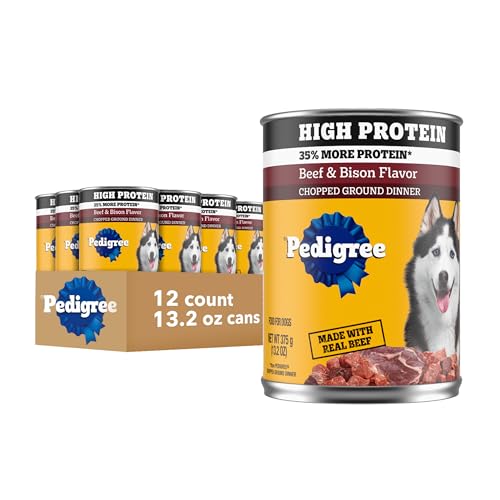
Over 40 grams of protein per 13.2-ounce can makes this wet food a dense protein source for dogs that need to add mass. The slow-cooked beef and bison provide animal-based protein that supports muscle development, while the added vitamins and minerals help maintain immune function during weight gain. This is a straightforward option for owners who want a wet food that can be fed alone or mixed with kibble to boost protein intake without switching entirely to a new diet.
Each 13.2 oz can packs over 40g of protein, making it a straightforward way to boost your dog’s protein intake without measuring powders or toppers. The beef and bison recipe is slow-cooked, which helps retain the meaty flavor that many dogs find appealing. Because it’s a complete and balanced wet food, you can serve it as a full meal or mix it with dry kibble to add moisture and variety to your dog’s diet.
Diamond Naturals Extreme Athlete Dry Dog Food
What We Like
- K9 Strain probiotics for digestion
- Omega fatty acids for skin and coat
- Made in USA by family-owned company
Trade-offs
- 40 lb bag is heavy to carry
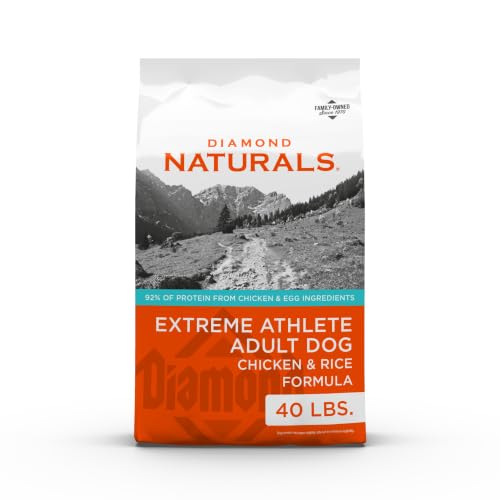
High protein at 32% makes this a calorie-dense formula built for dogs that burn through energy fast, not for couch potatoes. The K9 Strain proprietary probiotics and omega fatty acids support digestion and coat condition, which matters when you’re feeding a high-protein diet that can sometimes upset sensitive stomachs. It’s a solid fit for active dogs that need to maintain or add weight without loading up on cheap fillers.
The trade-off is the bag size: at 40 pounds, it’s a workout to lug from the car to the bin. The high protein content might be too much for a dog that isn’t truly active. For a dog that’s actually working or competing, the trade-off is worth it.
Product photos
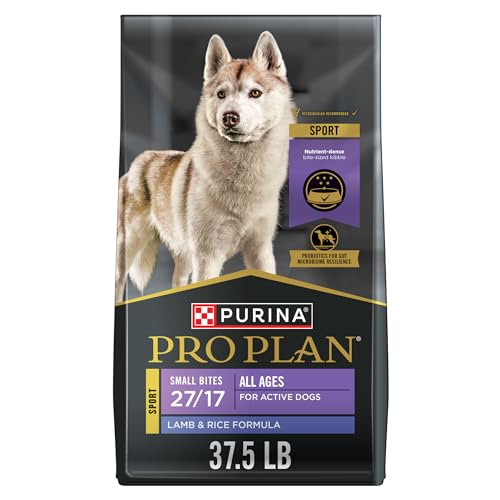
Purina Pro Plan Sport 27/17 Small Bites Dry Dog Food
What We Like
- Real lamb is first ingredient
- Small kibble for easy chewing
- Contains glucosamine for joint care
- Includes live probiotics for digestion
Trade-offs
- Not suitable for dogs with chicken or grain sensitivities
- Not ideal for dogs needing grain-free or chicken-free diet
With 17% fat and real lamb as the first ingredient, this formula provides a moderate energy boost for dogs that need to add weight without jumping to a high-performance feed. The small kibble size means smaller mouths or picky chewers won’t struggle through mealtime. Added glucosamine and probiotics are nice bonuses for dogs that might be older or have sensitive stomachs, which often come along when you’re trying to bulk up a dog that’s been underweight.
The trade-off is that this isn’t the highest-fat option in the guide. If you’re feeding a working breed or a dog that burns calories like a furnace, Victor Hi-Pro Plus packs 30% protein and a higher fat content that might fill the tank faster. For most pet owners just trying to get a few extra pounds on a house dog, though, the 17% fat is plenty and the small bites make it easier to get them to eat consistently.
Product photos
How We Evaluated Dog Foods To Put On Weight
Our evaluation is research-based. We examined manufacturer-provided guaranteed analysis data, ingredient lists, and feeding guidelines for each product. We also looked at expert round-ups and identified recurring patterns in owner feedback to understand what works for real dogs.
The three criteria that mattered most were protein-to-fat ratio, calorie density per cup, and ingredient quality. A food for weight gain needs enough fat to provide concentrated calories and enough protein to support lean muscle mass. We prioritized formulas with named meat sources as the first ingredient and avoided those with excessive fillers.
Every evaluation has limits. Palatability or how a specific dog’s digestion will respond to a new food cannot be predicted. Every dog is different, and transitioning to a new diet should always be done gradually. We encourage you to check our conclusions against the bag in your own hands.
What To Look For In Dog Foods To Put On Weight
When shopping for a dog food to help your dog gain weight, focus on the numbers on the label and the ingredients behind them. Here are the key factors to consider.
Look for a food with high protein and moderate fat. The first ingredient should be a named meat source. Avoid foods with corn, wheat, or soy as primary fillers, they add bulk without nutritional value.
Protein and Fat Content
Protein supports lean muscle, while fat provides the concentrated calories needed for weight gain. A food with 30% protein and 20% fat is ideal for most active or underweight dogs. The best dog food for weight gain typically has a higher fat content than maintenance formulas. For dogs that need to gain weight and muscle, look for a protein source like chicken, lamb, or beef as the first ingredient.
Calorie Density
Not all calories are equal. A calorie-dense dog food delivers more energy per cup, meaning your dog can eat a normal volume of food while getting more calories. This is especially important for dogs with small appetites or those who feel full quickly. Compare the kcal per cup across brands, a difference of over a hundred kcal per cup adds up fast.
Digestibility and Ingredients
A food that passes through undigested does your dog no good. Look for highly digestible protein sources and avoid excessive fiber. For dogs with sensitive stomachs, a single novel protein source can help. If your dog is a picky eater, there are ways to make dog food more appetizing, like warming it slightly or adding a topper. For older dogs, check our guide on senior dog food for weight gain.
- Check the guaranteed analysis: high protein and moderate fat for weight gain.
- Look for named meat sources (chicken, lamb, beef) in the first three ingredients.
- Compare kcal per cup, aim for a high value for active dogs.
- Avoid foods with corn, wheat, or soy as primary ingredients.
- Choose a formula appropriate for your dog’s life stage (puppy, adult, senior).
A general rule: if you’re adjusting portions for weight gain, increase food gradually over about a week and monitor your dog’s body condition weekly.
Dog Foods To Put On Weight Compared
The table below compares our top picks across the key specs that matter for weight gain.
| Product | Protein | First Ingredient | Weight |
|---|---|---|---|
| Purina Pro Plan Sport 30/20 Dry Dog Food | 30% | Real Chicken | 6 lb bag |
| Victor Hi-Pro Plus Dry Dog Food | 30% | Beef, chicken, pork, fish meals | 30 lb |
| Pedigree High Protein Wet Dog Food Beef & Bison | 40g+ per can | Real beef & bison | 13.2 oz |
| Diamond Naturals Extreme Athlete Dry Dog Food | 32% | Real Chicken | 40.0 lb |
| Purina Pro Plan Sport 27/17 Small Bites Dry Dog Food | N/A | Real Lamb | 37.5 pounds |
Frequently Asked Questions
How quickly can a dog gain weight on a high-calorie food?
Most dogs show visible improvement in body condition within 2-4 weeks on a properly formulated weight-gain diet. The rate depends on the dog’s metabolism, activity level, and how much you increase portions. Weigh your dog weekly and adjust portions as needed. If you don’t see progress after a month, consult your veterinarian.
Should I feed wet or dry food to help my dog gain weight?
Both can work, but dry food is more calorie-dense per volume, meaning your dog eats less to get more calories. Wet food has lower calorie density but higher moisture, which can help with hydration. Many owners use wet food as a topper on dry kibble to increase palatability and calorie intake at the same time.
Can I mix different dog foods to increase calories?
Yes, mixing a high-calorie dry food with a protein-rich wet food is a common strategy for weight gain. Just ensure the combined diet meets nutritional balance for your dog’s life stage. Introduce any new food gradually over 7 days to avoid digestive upset. For puppies, stick to puppy food for weight gain formulas.
What if my dog won’t eat the new food?
Some dogs are resistant to diet changes. Try mixing the new food with the old one in increasing ratios over a week. Warming the food slightly or adding a small amount of low-sodium broth can encourage a dog to eat. If your dog still refuses, the food may not be palatable enough, consider a different protein source or formula.
When should I see a vet about my underweight dog?
If your dog is consistently underweight despite eating a high-calorie diet, or if weight loss is sudden, see a veterinarian. Underlying medical conditions like parasites, thyroid issues, or digestive disorders can prevent weight gain. A vet can also help you determine your dog’s ideal body condition score and recommend a food for underweight dogs tailored to their needs.
The Bottom Line
The Purina Pro Plan Sport 30/20 Dry Dog Food is the best overall pick for most dogs needing to gain weight. Its 30/20 protein-to-fat ratio is specifically designed for active dogs that need to build lean muscle and maintain energy. This is the food to start with if your dog is active, healthy, and just needs more fuel.
If you’re on a tighter budget, the Victor Hi-Pro Plus delivers similar macros at a lower cost per pound. For dogs who prefer wet food or need a topper to entice them to eat, the Pedigree High Protein Wet Food is a decent choice. The Diamond Naturals Extreme Athlete is ideal for sporting dogs with high energy demands, while the Purina Pro Plan Sport Small Bites works well for smaller breeds or dogs with dental issues.
The single most important factor is matching the food’s protein and fat content to your dog’s actual needs. More protein isn’t always better, it needs to be balanced with enough fat to provide the calories your dog can actually use. Start with a high-quality formula, adjust portions gradually, and monitor your dog’s body condition weekly.
